
Executive Summary
- Florida insurance carriers require comprehensive roof condition reports to accurately assess risk and determine coverage eligibility, emphasizing structural integrity and storm resilience.
- Detailed documentation, including clear photographs, material specifications, and installation dates, significantly enhances a report’s credibility for underwriting decisions.
- Age is a primary factor; roofs approaching or exceeding their estimated lifespan, especially 15-20 years for asphalt shingles, often face stricter scrutiny or denial.
- Underwriters prioritize wind mitigation features, such as secondary water barriers and strong roof-to-wall attachments, to reduce potential hurricane damage claims.
- Identifying and documenting minor issues like missing shingles or signs of wear early can prevent larger claims and demonstrate proactive home maintenance to carriers.
- A professional, unbiased roof inspection by a certified expert is crucial, providing the objective assessment needed to satisfy stringent Florida underwriting requirements.
Understanding the Underwriting Landscape in Florida
Why are roof condition reports so critical in Florida?
Roof condition reports are exceptionally critical in Florida due to the state’s unique exposure to severe weather, particularly hurricanes and tropical storms, which can cause extensive and costly roof damage. These reports provide insurance underwriters with an essential snapshot of a property’s current roof health, helping them quantify risk more accurately before issuing or renewing a policy. Without a detailed report, carriers face significant uncertainty regarding a home’s vulnerability to wind, water intrusion, and structural compromise, leading to higher premiums, limited coverage, or even outright denial. The comprehensive assessment allows underwriters to determine if the roof meets specific durability and safety standards, ensuring the property isn’t an undue liability in a high-risk environment.
Critical Fact 1: In Florida, roof claims account for a disproportionately high percentage of homeowner’s insurance claims, often exceeding 70% of total claims payouts, directly impacting carrier solvency and policy availability.
What specific details do underwriters scrutinize in a roof report?
Underwriters scrutinize a multitude of specific details within a roof report to gain a complete understanding of its condition and resilience. Key elements include the roof’s age, as this is a primary indicator of remaining lifespan and potential for wear; the type of roofing material (e.g., asphalt shingle, metal, tile) and its manufacturer, which informs on durability and wind resistance; and evidence of proper installation, including adherence to Florida Building Code standards. They also meticulously check for visible damage such as missing, cracked, or curled shingles, soft spots, evidence of leaks or water intrusion in the attic, granule loss, and integrity of flashing and sealants around penetrations. Furthermore, any previous repairs, their quality, and the overall maintenance history of the roof are critically assessed to gauge its long-term viability.
Key Elements of a Compliant Roof Report
How does roof age impact insurability?
Roof age significantly impacts insurability in Florida, often being one of the first and most critical factors underwriters consider. Generally, roofs older than 15 years for asphalt shingles or 20 years for other materials like tile or metal may face increased scrutiny. Carriers often have strict guidelines, with some refusing to insure homes with roofs over 20 years old without extensive documentation of recent upgrades or exceptional condition. As roofs age, their materials naturally degrade, becoming more brittle and less resistant to wind uplift and water penetration, making them a higher risk for catastrophic damage during storms. A newer roof, typically under 10 years old, often qualifies for better premiums and more comprehensive coverage, signaling lower immediate risk to the carrier.
Which roofing materials are preferred or red-flagged by carriers?
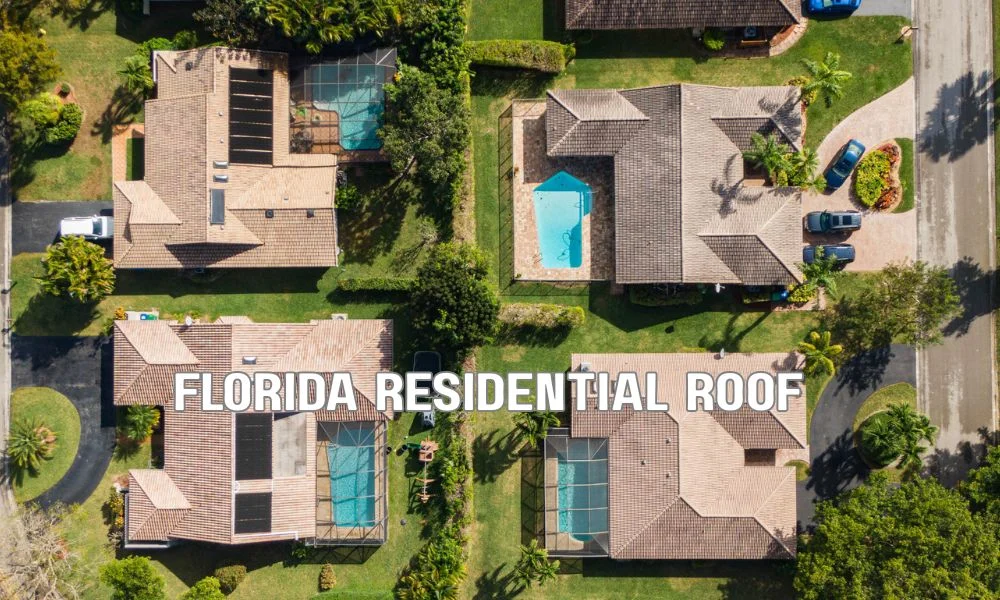
Carriers in Florida generally prefer roofing materials known for their durability and high wind resistance, while certain materials or conditions can be red-flagged. Metal roofs, especially standing seam, and concrete or clay tile roofs are often preferred due to their extended lifespans (30-50+ years) and superior performance in high winds. Dimensional or architectural asphalt shingles with higher wind ratings (e.g., 130 mph) are also favorable. Conversely, standard 3-tab asphalt shingles nearing the end of their 15-20 year lifespan, or those showing significant wear, are frequently red-flagged. Wood shake roofs are rarely insurable in Florida due to fire risk and susceptibility to moisture damage. Any material that doesn’t meet current Florida Building Code standards or shows signs of immediate failure will raise significant concerns.
What specific documentation is required to support a strong report?
To support a strong roof report for Florida underwriting, specific and comprehensive documentation is required. This includes high-resolution, clear photographs taken from multiple angles (ground level, ladder, and drone where safe and applicable) showing the entire roof surface, specific areas of wear or damage, flashing details, and all penetrations. Photos should be timestamped. A detailed description of the roofing material, including manufacturer, type, and approximate age based on permit records or direct observation, is essential. Crucially, documentation of any wind mitigation features, such as secondary water barriers (SWR), roof deck attachments, and roof-to-wall connections, is vital. Copies of original installation permits, invoices for recent repairs, and any warranties on materials or workmanship further strengthen the report’s credibility.
Critical Fact 2: A detailed wind mitigation inspection (Form OIR-B1-1802) can qualify Florida homeowners for significant premium discounts, sometimes up to 45%, by demonstrating adherence to storm-resistant construction standards.
Common Roof Issues and Carrier Concerns
What are common red flags in roof condition reports?
Common red flags in roof condition reports that immediately concern Florida carriers include visible signs of extensive granule loss on asphalt shingles, indicating material degradation and reduced UV protection. Evidence of prior repairs using mismatched materials or unprofessional patching suggests potential underlying issues or neglect. Missing, cracked, or severely curled shingles expose the underlayment to water, risking leaks. Soft or spongy areas upon walking indicate potential rot in the decking, a precursor to structural failure. Significant moss, algae, or fungal growth can trap moisture and accelerate material breakdown. Lastly, any observable water stains in the attic or interior ceilings are undeniable red flags, signifying current or past water intrusion issues that demand immediate attention.
How do wind mitigation features influence carrier decisions?
Wind mitigation features significantly influence carrier decisions by demonstrating a property’s enhanced resilience against hurricane-force winds, directly reducing the actuarial risk. Underwriters look for specific features like a “hip” roof shape, which performs better in high winds than gable roofs, or reinforced roof-to-wall attachments such as hurricane clips or straps. A “secondary water resistance” (SWR) layer, like a sealed roof deck or self-adhering underlayment, is highly valued as it prevents water intrusion even if the primary roofing material is compromised. The presence and proper installation of these features, documented in a wind mitigation inspection report (Form OIR-B1-1802), can lead to substantial premium discounts and significantly improve a home’s insurability, signaling a proactive approach to storm preparedness.
The Impact of Report Quality and How to Prepare
How does a comprehensive report benefit homeowners?
A comprehensive roof condition report significantly benefits homeowners by providing clear evidence of their roof’s health, which can lead to favorable insurance outcomes. It ensures a smoother underwriting process, reduces the likelihood of policy denial or restrictive endorsements, and often qualifies homeowners for better rates or discounts, particularly if wind mitigation features are present and well-documented. Moreover, a detailed report helps homeowners understand the precise condition of their investment, identifying potential issues early for proactive maintenance, thereby extending the roof’s lifespan and avoiding costly emergency repairs. It serves as a valuable asset during property transactions, offering transparency to buyers and helping secure a fair market value.
What can homeowners do to ensure a positive report?
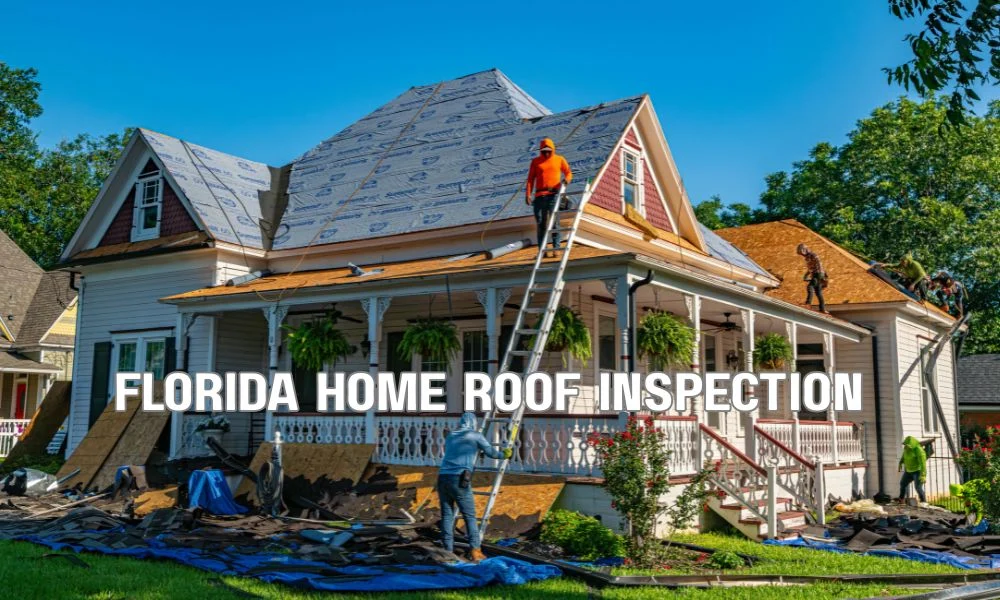
Homeowners can take several proactive steps to ensure a positive roof condition report. Regular maintenance is paramount: keeping the roof clear of debris, trimming overhanging branches, and addressing minor issues like loose or missing shingles promptly. Before an inspection, homeowners should gather all relevant documentation, including original installation permits, invoices for any repairs, and details about the roofing material. Ensuring clear access to the roof and attic for the inspector is also crucial. If a roof is older, considering a proactive professional cleaning or minor repairs to address visible wear can make a significant difference. Ultimately, presenting a well-maintained roof with supporting documentation demonstrates responsible ownership and reduces perceived risk for underwriters.
| Material Type | Typical Lifespan (Years) | Wind Resistance (MPH) | Carrier Perception | Average Cost (Installed per sq ft) |
|---|---|---|---|---|
| 3-Tab Asphalt Shingle | 15-20 | 60-80 | High scrutiny, often denied if 15+ years | $4.00 – $6.00 |
| Architectural Shingle | 25-30 | 110-130 | Generally favorable, good for new/mid-age roofs | $5.00 – $8.00 |
| Metal (Standing Seam) | 40-70 | 140-160+ | Highly preferred, qualifies for best rates | $10.00 – $20.00 |
| Concrete/Clay Tile | 30-50+ | 120-150+ | Highly preferred, excellent durability | $8.00 – $18.00 |
| Flat/Low-Slope (TPO/PVC) | 20-30 | 100-120 | Favorable for commercial/specific designs | $7.00 – $12.00 |
What role do certified inspectors play?
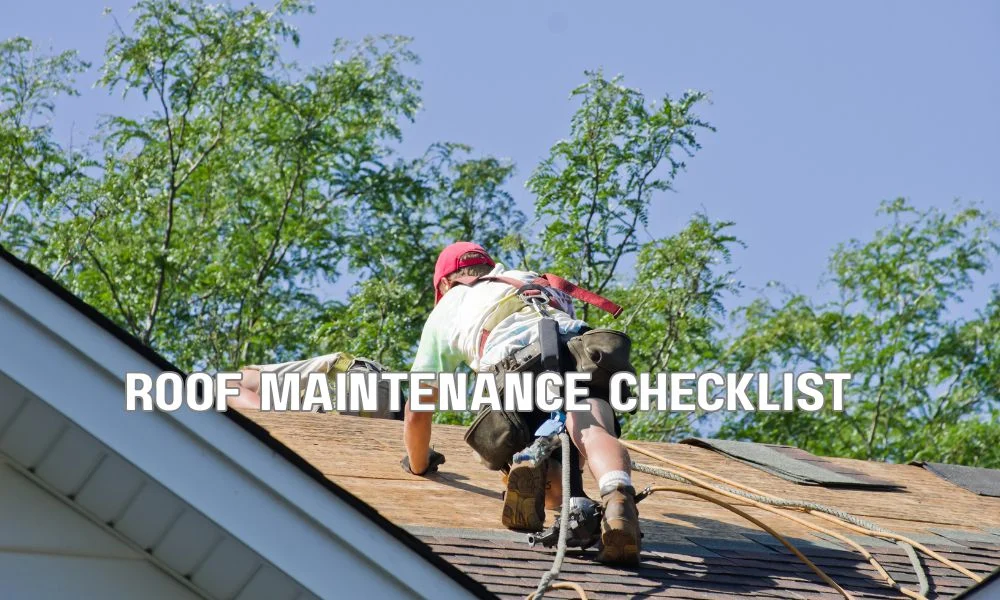
Certified inspectors play a paramount role in the roof condition report process by providing an unbiased, expert assessment that carries significant weight with insurance carriers. Their specialized training enables them to identify subtle signs of wear, underlying issues, and potential vulnerabilities that a homeowner or general contractor might miss. A certified inspector adheres to industry standards, utilizing specific tools and methodologies to document findings accurately, including precise measurements, detailed descriptions, and high-quality photographs. Their professional report, particularly a 4-point inspection or wind mitigation report, serves as a credible third-party verification, giving underwriters confidence in the information presented and facilitating a fair and informed underwriting decision.
Critical Fact 3: Florida Statute 627.7011 requires insurance companies to provide premium discounts for homes with certain wind mitigation features, making a certified inspection a financial imperative for homeowners.
Frequently Asked Questions
What is a 4-point inspection, and is it required for my roof?
A 4-point inspection examines the four main systems of a home: roof, electrical, plumbing, and HVAC. While not always legally required, many Florida insurance carriers mandate it for homes 10 years or older to assess potential risks before issuing or renewing coverage.
How often should I have my roof inspected in Florida?
It’s recommended to have your roof professionally inspected every 3-5 years, and especially after any significant storm event, even if no visible damage is apparent. Regular checks can catch minor issues before they become major problems.
Can I get insurance with an older roof in Florida?
Yes, it’s possible, but it becomes more challenging. Carriers may require a recent, positive roof condition report, proof of proactive maintenance, or even mandate a new roof installation within a specified timeframe as a condition of coverage.
What if my roof report shows minor damage?
Minor damage, such as a few missing shingles or minor granule loss, should be addressed promptly. Documenting repairs with photos and receipts can positively influence underwriters, demonstrating your commitment to maintaining the property.
Does solar panel installation affect my roof report?
Yes, solar panel installation can impact your roof report. Underwriters will want to ensure the installation was done professionally, didn’t compromise the roof’s integrity, and that the roof itself was in good condition prior to installation.
What is a “useful life” estimate in a roof report?
The “useful life” estimate refers to the remaining number of years a roof is expected to function effectively. Underwriters use this to gauge future risk; a roof with minimal remaining useful life is often a red flag.
Can I use a general home inspection report for underwriting?
While a general home inspection report includes the roof, insurance carriers in Florida often require a specialized roof condition report or a 4-point inspection, as they delve deeper into the specific details pertinent to insurability.
What happens if my roof report is poor?
A poor roof report can lead to increased premiums, limited coverage options (e.g., actual cash value instead of replacement cost), or outright denial of coverage. In many cases, carriers will require roof repairs or replacement before insuring the property.
