
Executive Summary
- Proactive adherence to OSHA fall protection standards is paramount for Florida facility owners to prevent serious injuries and costly penalties.
- Implementing robust rooftop safety protocols, including guardrails and warning lines, significantly mitigates fall hazards in high-risk environments.
- Regular risk assessments and comprehensive worker training are essential components of an effective, compliant fall protection program tailored to Florida’s climate.
- Investing in certified personal fall arrest systems and anchor points provides critical active protection for workers performing rooftop maintenance.
- Understanding the financial implications of non-compliance, including fines and potential litigation, underscores the value of preventative safety measures.
- Integrating innovative safety technologies, such as IoT monitoring, can enhance real-time hazard detection and improve overall rooftop safety management.
- Developing a detailed emergency response plan for rooftop incidents is a crucial, often overlooked, aspect of comprehensive safety compliance.
Understanding OSHA’s Mandate for Florida Rooftops
What are the core OSHA standards relevant to rooftop safety in Florida?
For Florida facility owners, understanding the core OSHA standards is fundamental to ensuring rooftop safety and avoiding severe penalties. The primary regulations governing fall protection are found in OSHA 29 CFR 1926 Subpart M for construction and 29 CFR 1910 Subpart D for general industry, specifically 1910.28 which outlines employer responsibilities and specific requirements for fall protection. These standards mandate that employers provide fall protection to employees working at heights of four feet or more in general industry settings and six feet or more in construction, or whenever there is exposure to dangerous equipment regardless of height. Specific requirements cover guardrail systems, safety net systems, and personal fall arrest systems. Florida’s unique weather patterns, including frequent rain and high humidity, necessitate particular attention to non-slip surfaces and proper drainage to prevent additional hazards.
Critical Fact 1: OSHA penalties for serious violations can reach up to $16,131 per violation, with willful or repeated violations escalating to $161,323 per violation, significantly impacting a facility’s operational budget.
Why is fall protection compliance especially critical for Florida facilities?
Fall protection compliance is critically important for Florida facilities due not only to the legal requirements but also the state’s environmental factors and the nature of work often performed on commercial rooftops. Florida’s intense sun exposure and frequent inclement weather, including heavy rains and tropical storms, can degrade roofing materials and safety equipment faster, increasing risks if maintenance is neglected. Furthermore, many Florida facilities, such as HVAC units, solar panels, and communication equipment, require frequent rooftop access for maintenance, exposing workers to continuous fall hazards. Proactive compliance ensures worker safety, reduces liability, and maintains operational continuity by preventing costly work stoppages due to accidents or regulatory enforcement actions. A robust safety program also enhances worker morale and demonstrates a commitment to employee well-being, which is invaluable in a competitive labor market.
Key Fall Protection Systems and Solutions
What are the most effective passive fall protection systems?
Passive fall protection systems are engineered to prevent falls without active worker participation, offering a foundational layer of safety on Florida rooftops. The most effective passive systems include permanent or non-penetrating guardrail systems that surround roof edges, skylights, and other openings. These barriers are a primary defense, requiring no user training for their efficacy beyond initial installation. Warning line systems, positioned at specific distances from roof edges, serve to delineate safe work zones, particularly for temporary or infrequent work. Covers for skylights and floor openings are also crucial passive measures, preventing accidental steps into voids. These systems are highly reliable and require minimal ongoing maintenance, making them an excellent long-term investment for facility owners.
How do active fall protection systems enhance worker safety?
Active fall protection systems require workers to interact with the equipment, providing a critical layer of safety where passive measures are impractical or insufficient. Personal Fall Arrest Systems (PFAS) are the cornerstone of active protection, comprising an anchorage point, a full-body harness worn by the worker, and a connecting device such as a lanyard or retractable lifeline. These systems are designed to safely stop a worker’s fall, limiting impact forces and preventing contact with lower levels. Horizontal lifelines, often installed across larger roof areas, allow multiple workers to tie off and move safely along a designated path. Regular inspection and proper training in the use, care, and limitations of all PFAS components are essential to their effectiveness.
Critical Fact 2: A properly installed and inspected personal fall arrest system (PFAS) must be capable of sustaining a minimum fall impact of 5,000 pounds per employee attached, or be designed and installed under the supervision of a qualified person as part of a complete personal fall arrest system which maintains a safety factor of at least two.
What innovative technologies are available for improved rooftop safety?
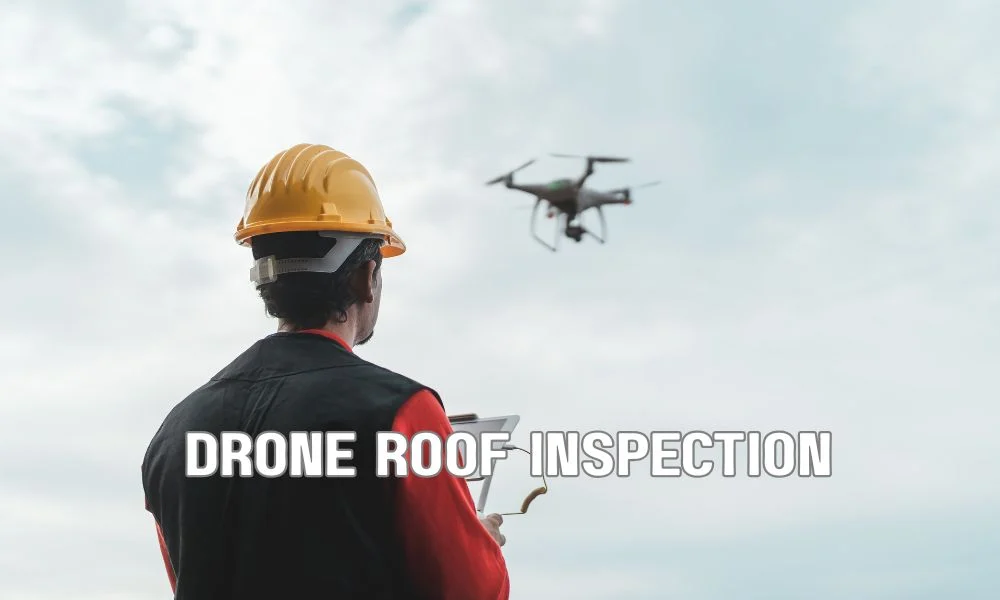
Beyond traditional fall protection, innovative technologies are emerging to further enhance rooftop safety for Florida facility owners. Drone inspections can provide high-resolution visual data of rooftops, identifying potential hazards or maintenance needs without putting workers at risk of falls. Wearable technology, such as smart harnesses with integrated sensors, can monitor a worker’s location and detect a fall, automatically alerting emergency services. IoT-enabled sensors can monitor the integrity of safety equipment, environmental conditions (like slippery surfaces), or even detect unauthorized access to hazardous areas. Virtual reality (VR) training simulations offer immersive, risk-free environments for workers to practice fall protection procedures and emergency responses, improving preparedness and reducing actual on-site risks.
| System Type | Primary Use Case | Advantages | Considerations | Initial Cost Range (per linear foot/point) |
|---|---|---|---|---|
| Non-Penetrating Guardrails | Perimeter protection, rooftop equipment zones | Passive, no worker interaction needed, portable options | May not be suitable for all roof types, aesthetic impact | $70 – $150 |
| Warning Line Systems | Temporary work zones, marking safe distances | Easy to install/remove, highly visible | Requires active worker awareness, must be combined with other systems near edge | $20 – $50 |
| Anchor Points (Permanent) | Individual tie-off for PFAS | Versatile for various tasks, minimal visual impact | Requires structural integrity assessment, active worker engagement & training | $300 – $1000 |
| Horizontal Lifelines | Multi-person access across large roof areas | Allows freedom of movement, multiple users | Complex engineering & installation, requires annual re-certification | $80 – $250 (per linear foot) |
| Skylight Screens/Grates | Protection over fragile skylights | Passive, prevents falls through openings | Requires specific sizing, may affect light transmission | $100 – $500 (per unit) |
Compliance Strategies and Best Practices for Facility Owners
How can facility owners conduct a comprehensive rooftop safety assessment?
A comprehensive rooftop safety assessment begins with a thorough visual inspection of all roof areas, including perimeters, access points, skylights, and areas around mechanical equipment. Facility owners should identify all potential fall hazards, such as unprotected edges, open shafts, fragile surfaces, and unstable walking-working surfaces. This assessment should also review existing fall protection systems for their integrity, certification, and compliance with current OSHA standards. It’s crucial to document findings, prioritize risks based on severity and likelihood, and involve qualified safety professionals or consultants. For Florida facilities, special attention should be paid to weather-related damage, accumulation of debris, and the condition of non-slip coatings.
What are the essential steps for developing an effective fall protection plan?
Developing an effective fall protection plan requires a systematic approach that addresses identified hazards and ensures continuous compliance. First, establish a clear policy that emphasizes worker safety and management commitment. Second, select appropriate fall protection systems based on the hazards, the nature of work, and frequency of rooftop access, prioritizing passive measures where possible. Third, designate a “competent person” who is capable of identifying existing and predictable hazards and has authorization to take prompt corrective measures. Fourth, create detailed procedures for system use, inspection, maintenance, and emergency response. Finally, regularly review and update the plan to reflect changes in work processes, equipment, or regulations, ensuring it remains dynamic and effective for Florida-specific conditions.
What training and documentation are required for ongoing compliance?
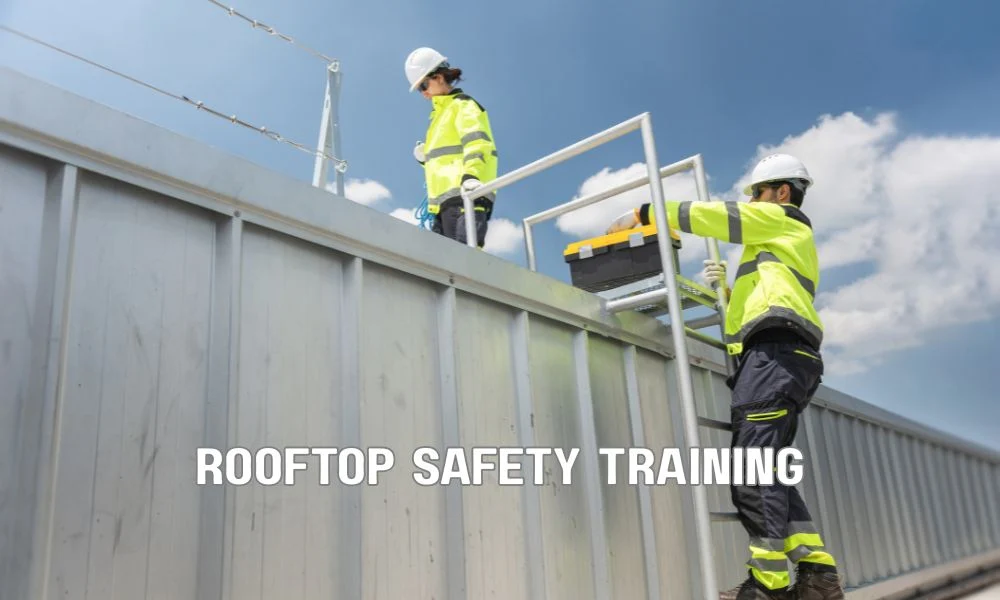
Ongoing compliance for rooftop safety heavily relies on proper training and meticulous documentation. All employees who access rooftops or work at heights must receive comprehensive training from a “qualified person” on fall hazards, the correct use and inspection of fall protection equipment, and emergency procedures. This training should be site-specific, hands-on, and regularly refreshed to account for new equipment or procedures. Crucial documentation includes records of all fall protection training, equipment inspection logs, hazard assessments, incident reports, and a written fall protection plan. Maintaining these records demonstrates due diligence to OSHA and provides a valuable reference for continuous improvement, especially during inspections or audits.
The Cost of Non-Compliance vs. Investment in Safety
What are the financial and legal ramifications of OSHA violations in Florida?
The financial and legal ramifications of OSHA violations in Florida can be severe and far-reaching for facility owners. Beyond the immediate penalties for serious, willful, or repeat violations, companies face increased insurance premiums, potential legal battles from injured workers or their families, and significant costs associated with accident investigation, remediation, and lost productivity. A single fall incident can lead to worker’s compensation claims, legal fees, and reputational damage that impacts client trust and future business opportunities. Furthermore, OSHA violations can lead to mandatory abatement periods, potentially disrupting operations and incurring additional expenses to bring the facility into compliance, thereby making proactive investment far more cost-effective.
Critical Fact 3: The average cost of a fatal fall from height in the workplace, including direct and indirect costs, can exceed $1 million, not accounting for human suffering or reputational damage.
How does proactive safety investment benefit Florida facility owners long-term?
Proactive investment in rooftop safety offers significant long-term benefits for Florida facility owners, extending far beyond simply avoiding OSHA fines. A robust safety program fosters a positive safety culture, which in turn leads to higher employee morale, reduced absenteeism, and increased productivity. By preventing accidents, facility owners save on medical costs, workers’ compensation claims, and legal expenses. Furthermore, a strong safety record can lower insurance premiums and enhance a company’s reputation, attracting and retaining skilled labor. Ultimately, investing in state-of-the-art fall protection systems and comprehensive training programs is not merely a cost but a strategic asset that protects both human lives and the financial health of the business.
Frequently Asked Questions
What is the “competent person” requirement in OSHA fall protection?
OSHA requires a “competent person” to be present on sites where fall hazards exist. This individual must be capable of identifying existing and predictable hazards in the surroundings or working conditions which are unsanitary, hazardous, or dangerous to employees, and who has authorization to take prompt corrective measures to eliminate them. They are crucial for site-specific hazard assessments and system oversight.
Are skylights considered fall hazards under OSHA?
Yes, skylights are frequently overlooked but significant fall hazards. OSHA mandates that skylights, particularly those constructed of acrylic or other fragile materials, must be protected by screens, guardrails, or other covers that can withstand a minimum of 200 pounds of force to prevent workers from falling through.
Do OSHA fall protection standards apply to sloped roofs in Florida?
Absolutely. OSHA standards apply to all walking/working surfaces where a fall hazard exists, regardless of the roof’s slope. For low-slope roofs (up to 4:12 pitch), warning line systems, guardrails, or safety nets are often used. For steep roofs (over 4:12 pitch), personal fall arrest systems or safety net systems are typically required.
What is the difference between active and passive fall protection?
Passive fall protection systems, like guardrails or safety nets, prevent falls without any action required by the worker. Active fall protection systems, such as personal fall arrest systems (harnesses, lanyards, anchor points), require the worker to properly don and connect equipment to prevent or mitigate a fall.
How often should fall protection equipment be inspected?
All fall protection equipment, including harnesses, lanyards, and anchor points, must be inspected by the user before each use. Additionally, a “competent person” must conduct periodic inspections, typically at least annually, to ensure the equipment remains in safe working condition and meets manufacturer specifications.
Can facility owners use temporary guardrails for rooftop maintenance?
Yes, temporary guardrail systems can be used for rooftop maintenance, provided they meet OSHA’s strength, height, and mid-rail requirements. They must be securely anchored and regularly inspected to ensure stability and effectiveness, especially in areas with potential high wind exposure.
What specific considerations are there for fall protection in Florida’s climate?
Florida’s climate necessitates special considerations, including selecting fall protection materials resistant to UV degradation and corrosion from humidity. Non-slip surfaces are crucial due to frequent rain. Regular checks for weather-related damage to roofing and safety equipment are essential, and emergency plans should account for heat stress.
What documentation is required after a rooftop fall incident?
After any rooftop fall incident, even if no injury occurs, facility owners must complete an incident investigation report. This includes documenting the date, time, location, persons involved, circumstances of the fall, equipment used, and corrective actions taken. OSHA 300 logs must also be updated if an injury results in lost work time or medical treatment beyond first aid.
