
Executive Summary
- Metal roofing often presents a lower total lifecycle cost for Florida coastal homes due to superior longevity and minimal maintenance requirements.
- Concrete tile roofs, while having a higher initial cost, offer robust hurricane resistance and excellent thermal mass for energy efficiency.
- Both materials provide significant hurricane resistance when properly installed, crucial for Florida’s climate, but metal typically endures more direct impacts.
- Consider long-term factors like salt spray resistance, potential for mold growth, and insurance premium impacts when evaluating roofing options.
- Metal roofs can boost property value with their modern aesthetic and extended warranty, appealing to future buyers seeking durability.
- Energy efficiency varies; metal reflects solar heat effectively, while concrete tiles provide insulation through their mass and air circulation.
- Understanding the specific long-term maintenance needs for each material is key to accurately projecting true ownership costs over decades.
Understanding the Lifecycle Costs of Roofing in Coastal Florida
What factors influence roofing choices in coastal Florida?
Choosing a roofing material for a coastal Florida home involves more than just aesthetics or initial price; it demands a thorough lifecycle cost analysis. Key factors influencing this decision include extreme weather resilience, especially hurricanes and intense solar radiation, as well as the pervasive presence of saltwater and humidity. Homeowners must weigh initial installation costs against long-term durability, maintenance expenses, potential energy savings, and the roof’s impact on insurance premiums and resale value in this unique environment.
Critical Fact 1: Florida’s building codes for roofs, particularly in High-Velocity Hurricane Zones (HVHZ), are among the strictest in the nation, necessitating materials and installation methods that can withstand winds exceeding 150 mph.
Metal Roofing: A Deep Dive for Florida Homes
What is the initial cost of metal roofing for coastal Florida homes?
The initial cost of a metal roof in coastal Florida is generally higher than traditional asphalt shingles but often comparable to or slightly more than concrete tiles. For a typical residential installation, homeowners can expect to pay between $10.00 and $20.00 per square foot, depending on the specific metal type (e.g., aluminum, steel, copper), panel style (standing seam being most popular), and the complexity of the roof design. This upfront investment reflects the superior material quality, specialized installation expertise, and enhanced durability inherent to metal systems.
How durable and long-lasting is metal roofing in a coastal environment?
Metal roofing is exceptionally durable and long-lasting, often boasting a lifespan of 40 to 70 years, significantly outperforming most conventional roofing materials. In a coastal environment, its resistance to corrosion (especially aluminum or specially coated steel), rot, mildew, and insect infestation makes it an ideal choice. It can withstand extreme weather events, including hurricanes, thanks to its interlocking panel systems and robust fastening, often reducing the risk of catastrophic damage during severe storms.
What maintenance does metal roofing require in Florida?
Metal roofing requires relatively minimal maintenance compared to other materials, contributing significantly to its lower lifecycle cost. Periodic inspections, typically once a year, are recommended to check for debris accumulation, ensure fasteners are secure, and address any potential minor scratches or sealant issues. Cleaning is usually limited to rinsing off salt spray and environmental grime with a garden hose, preventing mildew buildup without harsh chemicals. This low-fuss regimen is particularly advantageous in Florida’s humid, salt-laden atmosphere.
How does metal roofing impact energy efficiency in hot climates?
Metal roofing significantly enhances a home’s energy efficiency in hot climates like Florida, primarily due to its high solar reflectance. Many metal roofs, especially those with lighter colors or specialized reflective coatings, can reflect up to 70% of solar radiation away from the building. This reduces heat absorption, lowers attic temperatures, and consequently decreases demand on air conditioning systems, leading to substantial energy bill savings throughout the roof’s long lifespan.
Concrete Tile Roofing: Performance and Costs in Florida’s Climate
What is the initial investment for concrete tile roofing in coastal regions?
The initial investment for concrete tile roofing in coastal Florida typically ranges from $9.00 to $18.00 per square foot, making it competitive with or slightly less than metal roofing in many scenarios. This cost encompasses the weight-bearing structural requirements, the tiles themselves, and the labor-intensive installation process. While the upfront price is a consideration, the long-term benefits of durability and aesthetic appeal often justify the initial outlay for many homeowners.
What is the expected lifespan and durability of concrete tile roofs in Florida?
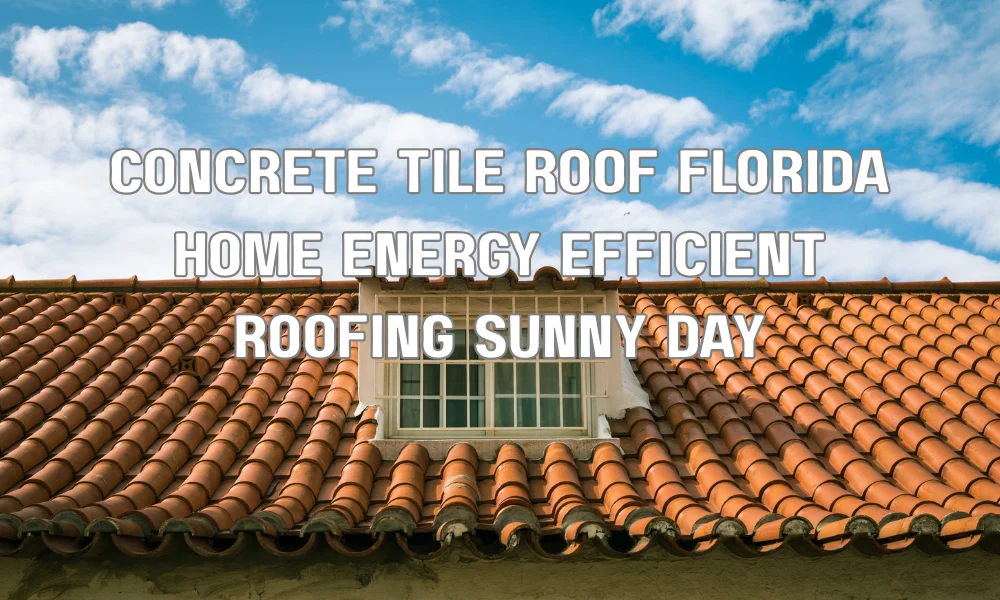
Concrete tile roofs offer impressive durability and a long lifespan, often lasting 50 years or more with proper installation and maintenance. Their inherent mass makes them highly resistant to high winds, hail, and fire, a crucial advantage in hurricane-prone regions. The tiles are designed to withstand significant environmental stressors, including intense UV radiation and temperature fluctuations, ensuring they maintain their structural integrity and aesthetic appeal for decades in Florida’s challenging climate.
Critical Fact 2: Concrete tiles are non-combustible, offering a Class A fire rating, which can translate to reduced homeowner insurance premiums in some areas.
What are the typical maintenance requirements for concrete tile roofs?
Concrete tile roofs require more active maintenance than metal roofs to ensure their longevity and appearance in Florida’s climate. Annual inspections are vital to identify cracked or broken tiles, which need prompt replacement to prevent water intrusion. Regular cleaning is also necessary to remove algae, moss, and mildew growth, which thrives in humid conditions and can compromise the roof’s integrity and aesthetic if left unaddressed. Proper attic ventilation is also crucial to mitigate moisture issues.
How does concrete tile roofing contribute to home energy efficiency?
Concrete tile roofing contributes to home energy efficiency through its excellent thermal mass and natural ventilation properties. The dense material acts as a barrier, slowing the transfer of heat into the attic during the day and releasing it slowly at night. The profile of the tiles also creates an airspace between the tiles and the roof deck, allowing for air circulation that can further reduce heat buildup. This natural insulation effect helps keep homes cooler in Florida’s intense heat, reducing cooling costs.
Comprehensive Lifecycle Cost Analysis: Metal vs. Concrete Tile
How do metal and concrete tile roofs compare in total lifecycle cost?
When evaluating the total lifecycle cost, metal roofing often emerges as the more economical choice over a 50-year period due to its extended lifespan and significantly lower maintenance needs. While concrete tiles have a robust lifespan, their consistent need for cleaning, potential for tile replacement, and higher repair costs for individual tile damage can add up over time. The energy savings from metal’s reflective properties also contribute to its lifecycle cost advantage.
| Feature/Cost | Metal Roofing (e.g., Standing Seam Aluminum) | Concrete Tile Roofing (e.g., Flat or Barrel Profile) |
|---|---|---|
| Initial Installation Cost (per sq ft) | $10.00 – $20.00 | $9.00 – $18.00 |
| Lifespan (Years) | 40 – 70+ | 30 – 50+ |
| Annual Maintenance Cost (% of initial cost) | 0.5% – 1.0% | 1.5% – 2.5% |
| Hurricane Resistance (Wind Rating) | Excellent (150-180+ mph) | Excellent (130-150+ mph) |
| Energy Efficiency (Cooling) | High (Reflectivity) | Moderate (Thermal Mass/Ventilation) |
| Saltwater Corrosion Resistance | Excellent (Aluminum, specific coatings) | Good (Generally impervious to salt) |
| Impact on Home Insurance | Potentially lower premiums | Potentially lower premiums |
Which roofing material offers superior hurricane resistance for Florida homes?
Both metal and concrete tile roofing offer superior hurricane resistance compared to asphalt shingles, but metal roofing often has an edge in extreme conditions. Metal roofs, particularly standing seam designs, are engineered with interlocking panels and robust fastening systems that provide exceptional uplift resistance against hurricane-force winds (often rated for 150-180+ mph). Concrete tiles are also highly resistant to wind and impact from debris, with proper installation crucial for both to achieve their maximum rated performance in Florida’s HVHZ regions.
How do saltwater corrosion and mold affect each roofing type?
Saltwater corrosion is a significant concern for certain metal roofing types, but highly resistant options like aluminum or galvalume (steel with aluminum-zinc alloy coating) are specifically designed for coastal environments. Concrete tiles are inherently impervious to salt and will not corrode. Mold and algae growth are more prevalent on concrete tiles due to their porous nature and tendency to retain moisture, requiring regular cleaning. Metal roofs, with their smooth, non-porous surfaces, are far less susceptible to mold and mildew.
What is the impact of each roofing type on property resale value?
Both metal and concrete tile roofs can positively impact property resale value, signaling durability and quality to potential buyers. Metal roofs, with their extended warranties and modern aesthetics, often appeal to buyers looking for a low-maintenance, long-term solution. Concrete tiles offer a classic, Mediterranean-inspired look that is highly desirable in many Florida communities, contributing significantly to curb appeal and perceived value. The choice often comes down to the home’s architectural style and the buyer’s preference.
Making the Informed Choice for Your Florida Coastal Home
Ultimately, the decision between metal and concrete tile roofing for your Florida coastal home hinges on a balance of initial budget, desired aesthetic, long-term maintenance commitment, and specific performance priorities. While metal roofing often presents a more favorable total lifecycle cost due to its minimal upkeep and superior longevity, concrete tiles offer classic beauty and excellent thermal properties. Both are robust choices against Florida’s harsh climate. Consulting with a local, experienced roofing professional is essential to assess your home’s unique needs, evaluate structural requirements, and ensure compliance with stringent local building codes. An informed choice will protect your investment for decades to come.
Critical Fact 3: Many insurance companies offer discounts for homes with wind-resistant roofs, so always inquire about potential premium reductions when investing in high-performance metal or concrete tile systems.
Frequently Asked Questions
Q1: Does metal roofing cost more than concrete tile for Florida coastal homes?
Yes—standing-seam metal roofing for Florida coastal homes typically costs $18–$32/sq. ft. installed versus $12–$24/sq. ft. for premium concrete tile. The upfront premium is approximately 30–50% higher for metal. However, when insurance savings, reduced maintenance costs, and elimination of underlayment replacement cycles are factored into a 50-year lifecycle analysis, standing-seam metal consistently delivers superior total cost of ownership on high-insurance-cost coastal Florida properties.
Q2: Which is more hurricane resistant—metal roofing or concrete tile in Florida?
Both systems, when installed to current Florida Building Code and Miami-Dade NOA standards, provide excellent hurricane resistance. The primary distinction is in catastrophic wind events: standing-seam metal panels are continuously interlocked and cannot become individual airborne projectiles, whereas concrete tiles (even with modern foam adhesive) can experience isolated failures at perimeter zones in major hurricanes. For coastal homeowners in HVHZ or adjacent zones, this distinction—and the associated insurance premium differential—favors standing-seam metal from a pure risk management perspective.
Q3: How long does standing-seam metal roofing last in Florida’s coastal salt-air environment?
High-quality coastal-grade standing-seam metal roofing—specified with PVDF-coated aluminum or Galvalume panels and stainless or coated stainless fasteners—has a documented service life of 40–70 years in Florida coastal environments. The primary aging mechanisms are coating degradation (managed by recoating at 30–40 years) and fastener/flashing corrosion (managed through corrosion-resistant hardware selection). Compared to concrete tile’s 50-year tile life with a 20–25 year underlayment replacement cycle, metal’s service life is broadly equivalent with lower total maintenance cost.
Q4: Will a metal roof affect the resale value of my Florida coastal home?
Metal roofing is positively received in the Florida luxury coastal market, where buyers understand its hurricane resilience, insurance advantages, and low maintenance profile. Studies on Florida home sales consistently show metal roofs recoup 85–95% of installation cost in resale value, with some coastal markets showing premium pricing for metal-roofed homes relative to comparables. Concrete tile retains strong acceptance in traditional coastal aesthetics markets (Palm Beach, Boca Raton, Naples) where tile is the dominant preference. Neither system is a liability in the Florida market.
Q5: Do Florida HOAs allow metal roofing as an alternative to concrete tile?
It depends on the specific HOA’s CC&Rs. Many South Florida HOAs—particularly in Palm Beach and Boca Raton communities—mandate concrete tile profiles and prohibit visible metal roofing. However, stone-coated steel roofing products (such as DECRA or Gerard profiles) mimic the appearance of barrel tile or flat tile while being manufactured from steel, and have received HOA approval in many communities as equivalent to the mandated material. In communities where CC&Rs are silent on metal or where the language permits “equivalent materials,” a formal variance request supported by wind performance data often succeeds.
Q6: How does the noise level of a metal roof compare to tile during Florida rainstorms?
Properly installed metal roofing over a solid deck (plywood or OSB) with insulation is acoustically comparable to concrete tile—the deck and insulation layer absorb and dampen the impact sound of rain. Metal roof noise is primarily a concern in open-framing installations (metal directly over purlins without a solid deck) or in areas with lightweight ceiling assemblies. On standard Florida residential construction with solid roof deck and attic insulation, homeowners typically report no perceptible acoustic difference between metal and tile roofing during rain events.
Q7: What are the aesthetic differences between metal and tile roofing for Florida coastal homes?
Standing-seam metal roofing presents a clean, contemporary linear aesthetic that is increasingly popular in modern coastal architecture and Florida Coastal Contemporary design. Concrete barrel tile carries a traditional Florida Mediterranean aesthetic that dominates in established luxury communities and is required by many South Florida HOAs. Both materials are available in a range of colors suitable for coastal properties. For homeowners in communities without aesthetic restrictions, the choice is genuinely subjective—both materials are premium, durable, and appropriate for the Florida coastal environment from an engineering standpoint.
