Executive Summary
- Metal roofs consistently outperform traditional roofing materials in Florida hurricanes, exhibiting superior resistance to high winds and impact damage.
- Adherence to stringent Florida Building Code and Miami-Dade NOA standards during installation is critical for maximizing hurricane resilience and ensuring peak performance.
- Data from post-hurricane assessments frequently indicates that homes with metal roofing sustain less damage, leading to significantly lower repair costs and fewer insurance claims.
- Standing seam metal panels, with their concealed fasteners and interlocking design, provide exceptional protection against wind uplift and water intrusion during severe storms.
- Investing in a high-quality metal roof offers long-term peace of mind and proves to be a cost-effective solution when accounting for potential storm-related expenses and extended lifespan.
- The extended durability of metal roofs, often exceeding 50 years, ensures consistent protection and reduces the need for frequent replacements in hurricane-prone regions.
- Homeowners can optimize hurricane resistance by selecting certified materials and professional installers, ensuring their roof meets or exceeds regional storm preparedness requirements.
Unveiling Metal Roof Resilience: Data from Florida’s Hurricanes
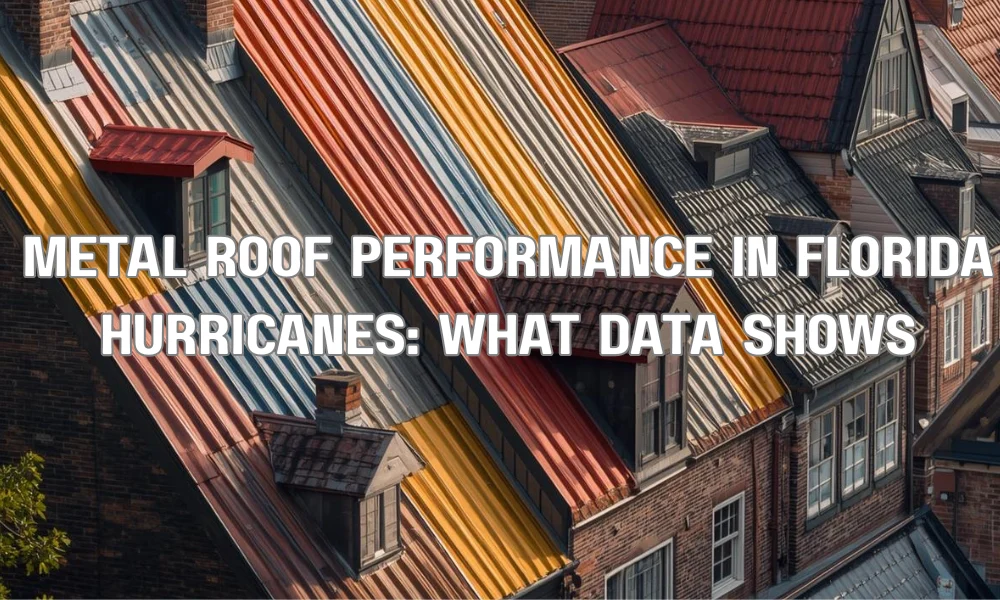
Data from numerous post-hurricane analyses across Florida consistently demonstrates that metal roofing systems exhibit superior performance compared to traditional materials like asphalt shingles. This resilience is particularly evident in their ability to withstand extreme wind uplift, heavy rainfall, and projectile impacts, often remaining intact where other roofs suffer catastrophic failure. The rigorous testing and certification processes, especially those mandated by the Florida Building Code, confirm that properly installed metal roofs provide a robust shield against the state’s severe weather challenges.
The Florida Building Code (FBC) mandates stringent requirements for roofing materials and installation, which metal roofs are designed to exceed when properly applied, contributing significantly to hurricane resilience.
What specific data illustrates metal roof superiority in high winds?
Specific data highlights metal roofs’ superior wind resistance, primarily through their high wind uplift ratings and minimal damage reports following major storms. Unlike asphalt shingles that can delaminate and peel away at lower wind speeds, mechanically fastened metal panels, especially standing seam systems, are designed to remain securely attached under hurricane-force gusts. Testing under ASTM E1592 standards shows many metal roofing systems achieving uplift resistance ratings well over 150-200 MPH, significantly surpassing the requirements for even Category 5 hurricanes. Post-storm damage assessments, such as those conducted after Hurricane Michael in 2018, frequently noted that structures with intact metal roofs often survived with minimal damage, while adjacent properties with other roofing types suffered extensive loss. This translates into fewer blown-off panels, less structural damage from water intrusion, and reduced overall repair costs for homeowners.
How do different metal roof types compare in hurricane performance?
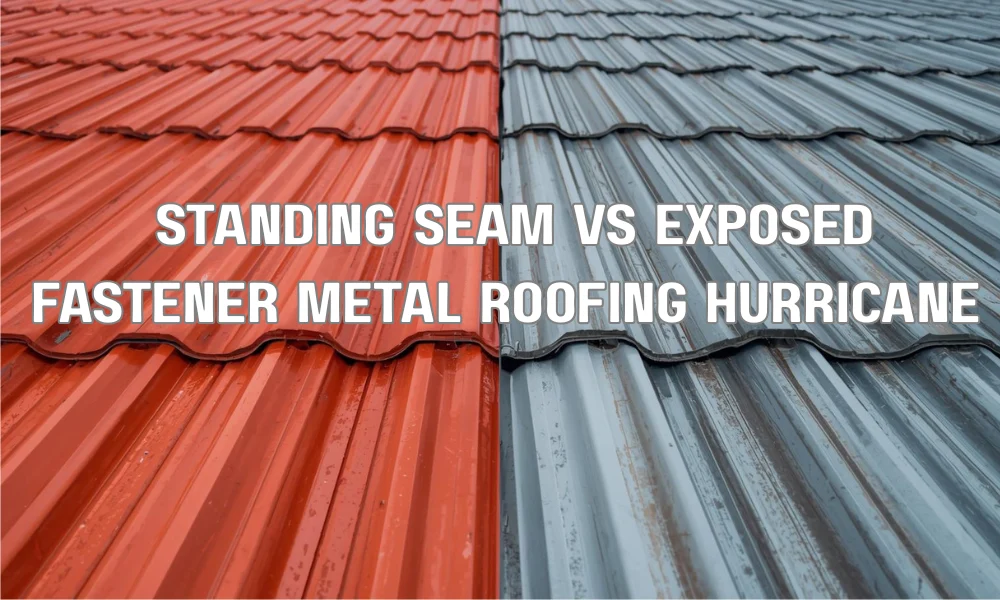
Different metal roof types offer varying levels of hurricane performance, primarily based on their fastening systems and panel design. Standing seam metal roofs are generally considered the gold standard for hurricane resilience. Their hidden fasteners protect against wind uplift by preventing water penetration through fastener holes and minimizing exposure to wind forces. Mechanically seamed panels create an incredibly strong, monolithic barrier. Exposed fastener systems, while more economical, are also highly effective when installed correctly, but their exposed fasteners can be more vulnerable if not perfectly sealed or if cheaper, lighter gauge materials are used. Metal shingles and tiles also offer strong performance, often mimicking traditional aesthetics while providing the inherent durability and wind resistance of metal. The key differentiator is always the combination of material gauge, panel profile, and the specific fastening schedule used during installation.
What role does proper installation play in metal roof hurricane resistance?
Proper installation is paramount to a metal roof’s hurricane resistance, often more critical than the material itself. Even the highest-grade metal roof will fail if not installed according to manufacturer specifications and local building codes. This includes the correct type and number of fasteners, appropriate underlayment, precise panel alignment, and proper sealing of all penetrations and edges. In Florida, this means strict adherence to the Florida Building Code (FBC) and potentially Miami-Dade County’s Notice of Acceptance (NOA) standards, which are among the most stringent in the nation. Improperly spaced fasteners, insufficient edge securement, or a poorly prepared substrate can create weak points where wind can lift panels, leading to catastrophic failure. Professional installation by certified contractors ensures that every component of the roofing system works synergistically to withstand extreme weather.
Studies following major hurricanes like Irma and Michael consistently report that homes with properly installed metal roofs experienced significantly less structural damage compared to those with asphalt shingles, proving their superior resilience.
Can metal roofs reduce insurance premiums in hurricane-prone areas?
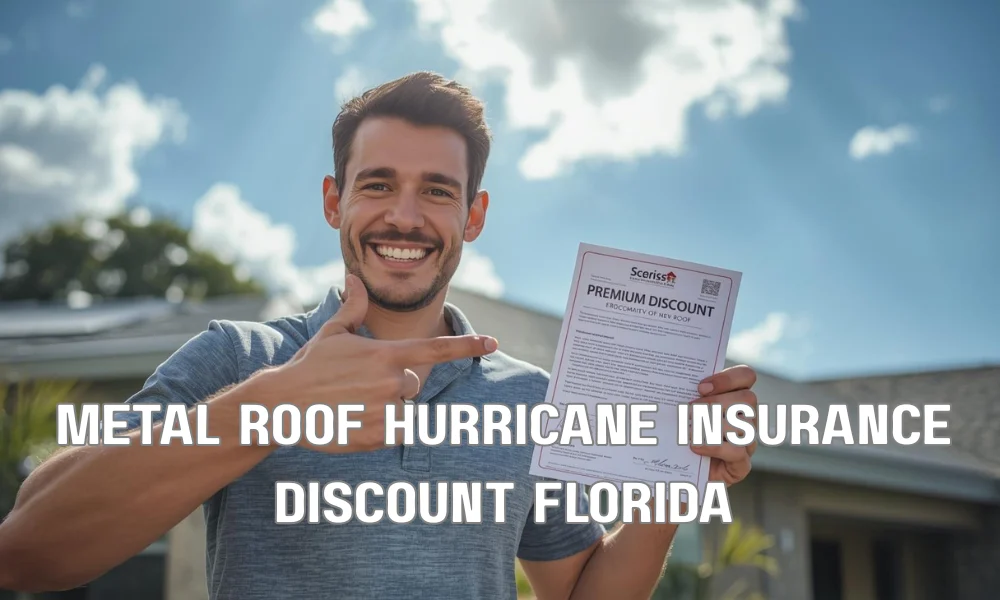
Yes, metal roofs can significantly reduce insurance premiums in hurricane-prone areas like Florida, though the exact savings vary by insurer and policy specifics. Insurance companies recognize the proven durability and lower risk associated with metal roofing systems. Their enhanced wind, impact, and fire resistance translates directly into fewer claims and reduced potential for catastrophic losses for insurers. Many insurance providers offer discounts for “fortified” homes, which often include specific roofing enhancements like metal roofs that meet higher building code standards. Homeowners should inquire with their insurance agents about specific discounts for impact-resistant or wind-mitigation features provided by their metal roof, as these savings can substantially offset the initial investment over time.
What are the long-term cost benefits of metal roofing in Florida?
The long-term cost benefits of metal roofing in Florida are substantial, extending far beyond the initial installation cost. With a lifespan often exceeding 50 years, metal roofs significantly outlast traditional asphalt shingles, which typically need replacement every 15-20 years, especially in harsh Florida climates. This means fewer roof replacements over the home’s lifetime, saving tens of thousands of dollars. Furthermore, metal roofs are highly energy-efficient, reflecting solar radiant heat rather than absorbing it, which can reduce cooling costs by 10-25% in Florida’s warm climate. When coupled with potential insurance premium reductions and minimal maintenance requirements, the lifecycle cost of a metal roof often proves to be a more economical choice than cheaper alternatives.
Comparative Performance: Metal vs. Traditional Roofing in Hurricanes
To illustrate the stark differences in performance, consider the following technical comparison:
| Feature | Asphalt Shingles (Standard) | Exposed Fastener Metal Roof | Standing Seam Metal Roof |
|---|---|---|---|
| Wind Uplift Rating (Typical) | 80-110 MPH | 130-150+ MPH | 160-200+ MPH |
| Impact Resistance (Hail) | Class 1-2 (low) | Class 3-4 (high) | Class 4 (highest) |
| Lifespan (Florida) | 15-20 Years | 30-50+ Years | 50-75+ Years |
| Maintenance Needs (Post-Storm) | Frequent inspections, shingle replacement | Inspect fasteners, minor panel repair | Minimal, occasional inspection |
| Typical Damage in Category 3+ Hurricane | Significant shingle loss, water intrusion | Minor panel lifting, seal failure possible | Very low likelihood of structural damage |
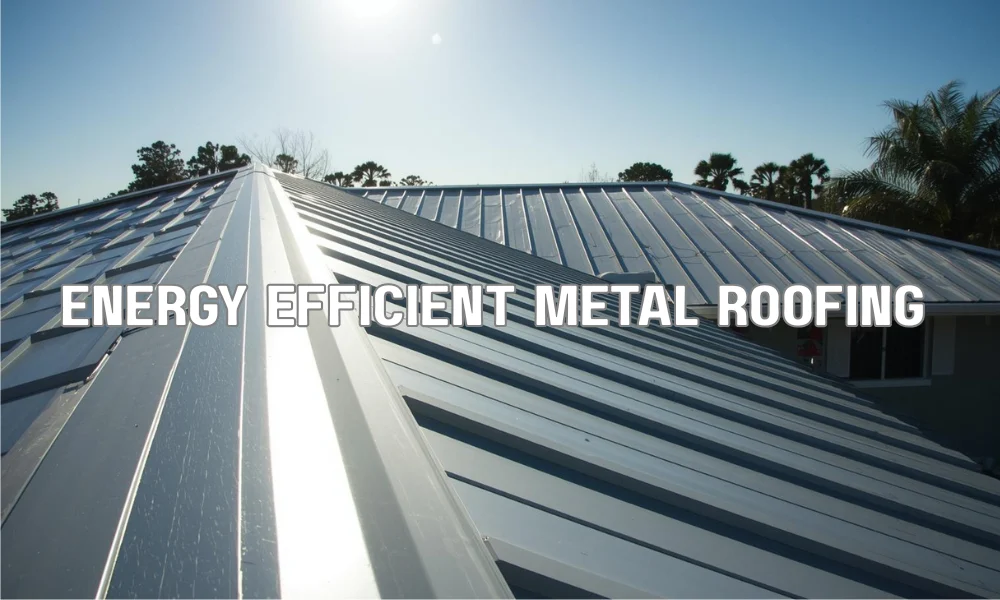
A substantial portion of homeowners replacing roofs in Florida after hurricanes are opting for metal, driven by its proven resilience, longevity, and the potential for insurance savings that reflect its superior performance.
Frequently Asked Questions
How do metal roofs withstand hurricane-force winds?
Metal roofs withstand hurricane-force winds through a combination of their robust material strength, interlocking panel designs, and secure fastening systems. Unlike shingles that rely on adhesives and gravity, metal panels are mechanically attached, often with hidden fasteners, making them highly resistant to wind uplift and delamination.
Are all metal roofs equally resistant to hurricanes?
Not all metal roofs offer identical hurricane resistance; performance varies significantly based on material gauge, panel profile, and fastening method. Standing seam systems, with their concealed fasteners and continuous panels, generally provide the highest level of wind uplift resistance compared to exposed fastener systems or metal shingles.
What role does installation play in hurricane performance?
Installation is critical for hurricane performance. Even the strongest metal roof material will fail if not installed precisely according to manufacturer specifications and local building codes, such as the Florida Building Code and Miami-Dade NOA standards. Proper fastening, underlayment, and sealing are essential.
Can a metal roof reduce my home insurance premiums in Florida?
Yes, a metal roof can often reduce home insurance premiums in hurricane-prone Florida. Insurers recognize their superior durability, impact resistance, and lower risk of damage, frequently offering discounts for homes with fortified or hurricane-rated roofing systems.
What certifications should I look for in hurricane-rated metal roofing?
When selecting hurricane-rated metal roofing in Florida, look for certifications like Miami-Dade County’s Notice of Acceptance (NOA) and compliance with the Florida Building Code (FBC). These ensure the product has passed rigorous testing for wind uplift, impact, and water resistance.
How does the lifespan of a metal roof compare to other materials in hurricane zones?
In hurricane zones, metal roofs boast a significantly longer lifespan of 50-75+ years, far exceeding asphalt shingles (15-20 years) or tile roofs (30-50 years). Their resilience to extreme weather reduces the need for frequent, costly replacements.
Are metal roofs susceptible to hail damage during hurricanes?
While no roof is entirely impervious, metal roofs generally exhibit excellent resistance to hail damage compared to other materials. Higher gauge metal and specific panel profiles can achieve Class 4 impact resistance, minimizing denting from most hail sizes often encountered during hurricanes.
What are the common types of metal roofs suitable for Florida?
The most common types of metal roofs suitable for Florida’s hurricane environment include standing seam (preferred for maximum resistance), exposed fastener panels (cost-effective with proper installation), and metal shingles or tiles (offering aesthetic versatility with metal durability).