
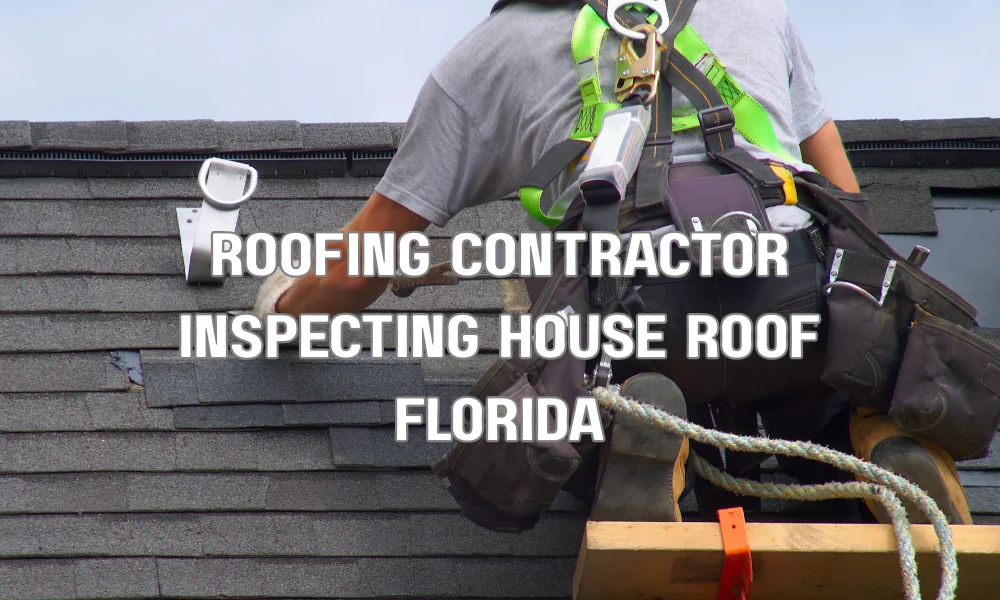
Executive Summary
- Proactive roof maintenance is crucial for Pembroke Pines homes to withstand the intense South Florida climate, especially hurricane season.
- Understanding local building codes and wind mitigation requirements ensures your roof meets safety standards and potentially lowers insurance premiums.
- Selecting climate-appropriate roofing materials like metal, tile, or advanced asphalt shingles offers superior longevity and energy efficiency.
- Engaging licensed and insured local contractors guarantees expertise in regional challenges and compliance with Florida-specific regulations.
- Regular professional inspections help identify minor issues before they escalate, preserving roof integrity against heat, humidity, and storms.
- Investing in high-quality, durable roofing materials provides long-term value, protecting your home and enhancing its curb appeal effectively.
- Homeowners should prioritize roofs designed for extreme weather, focusing on durability and impact resistance for optimal protection.
Understanding Pembroke Pines Roofing Challenges
Pembroke Pines, nestled in the heart of South Florida, presents a unique set of challenges for any homeowner considering roof installation, repair, or replacement. The relentless sun, high humidity, and the ever-present threat of hurricanes demand a roofing solution that is not only aesthetically pleasing but also exceptionally durable and resilient. Understanding these specific environmental factors and the local regulatory landscape is paramount to making an informed decision that protects your most valuable asset.
Critical Fact 1: Florida experiences more hurricanes and tropical storms than any other U.S. state, making superior roof design and material choice an absolute necessity for Pembroke Pines homeowners.
What unique weather conditions impact roofs in Pembroke Pines?
Roofs in Pembroke Pines face a constant barrage from intense sunlight, high humidity, and the devastating potential of tropical storms and hurricanes. The powerful UV rays degrade traditional roofing materials over time, leading to cracking, fading, and reduced lifespan, while persistent humidity fosters mold, mildew, and rot. Annually, the hurricane season (June 1 – November 30) brings high winds, torrential rain, and potential debris impact, necessitating roofs built to strict wind uplift and waterproofing standards. These combined factors accelerate wear and tear, demanding materials and installation techniques specifically designed for extreme South Florida conditions.
How do local building codes affect roofing projects?
Local building codes significantly impact roofing projects in Pembroke Pines, primarily driven by the Florida Building Code (FBC) and Broward County-specific amendments, focusing heavily on hurricane resistance. Homeowners must adhere to strict requirements for wind uplift resistance, material specifications, and installation methods, often requiring specific fasteners, secondary water barriers, and reinforced edges. Permitting is mandatory for most roofing work, ensuring compliance with these codes and subsequent inspections by city officials. Navigating these regulations correctly is vital to pass inspections, secure home insurance, and ensure the long-term safety and integrity of the roof.
Choosing the Right Roofing Material for Your Pembroke Pines Home
Selecting the appropriate roofing material for your Pembroke Pines home is a critical decision that balances aesthetics, cost, durability, and energy efficiency. Given the unique climate and stringent building codes, not all materials are created equal. The best choice will offer superior resistance to wind, heat, and moisture, while also complying with local regulations and fitting your budget and design preferences.
Which roofing materials are best suited for the South Florida climate?
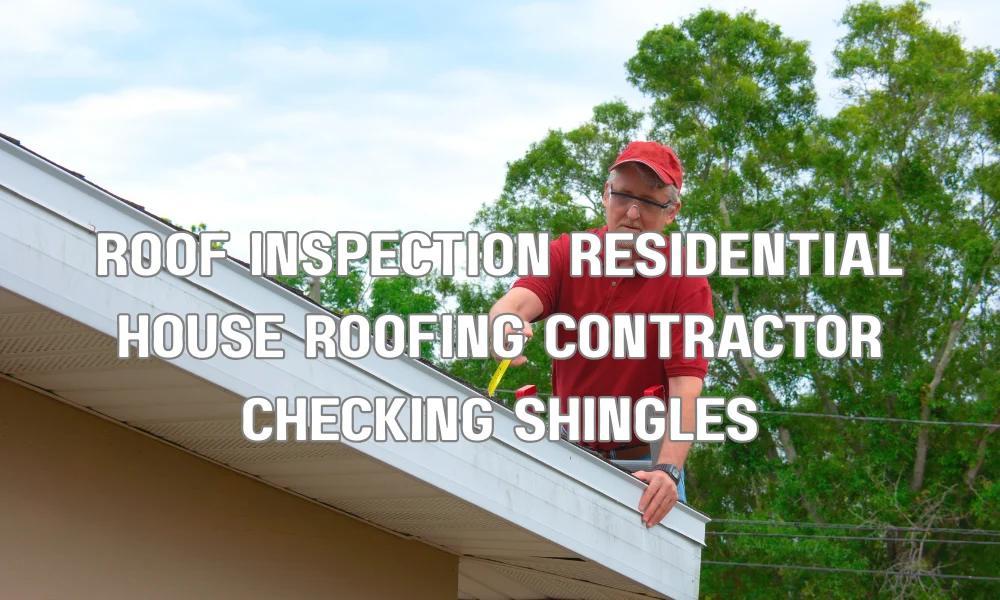
For the challenging South Florida climate, several roofing materials stand out due to their resilience against hurricanes, intense sun, and humidity. Metal roofing, particularly standing seam or corrugated steel, offers exceptional durability, wind resistance, and a long lifespan, often reflecting solar heat to improve energy efficiency. Concrete and clay tiles are also highly favored for their aesthetic appeal, excellent heat reflection properties, and ability to withstand high winds and impact. High-quality asphalt shingles, specifically architectural or designer shingles with advanced impact and wind resistance ratings, provide a more budget-friendly option without sacrificing crucial protection.
Critical Fact 2: A properly installed metal roof can last 40-70 years, significantly outperforming traditional asphalt shingles in the intense South Florida sun and reducing energy bills by up to 25%.
What are the cost implications and lifespan expectations of different roofing types?
The cost implications and lifespan expectations for roofing materials in Pembroke Pines vary widely, influenced by material quality, installation complexity, and warranty. While asphalt shingles offer the lowest upfront cost, their lifespan is shorter, typically 15-30 years in Florida’s harsh climate. Metal roofs represent a higher initial investment but deliver a significantly longer lifespan of 40-70 years, often with lower maintenance needs and better energy savings over time. Tile roofs (concrete or clay) fall in a similar price bracket to metal, offering excellent longevity (50+ years) and superior aesthetic appeal. Understanding these long-term values is key to making a financially sound decision.
| Roofing Material | Average Cost per Sq. Ft. (Installed) | Typical Lifespan in FL | Wind Resistance (MPH) | Heat Reflectivity |
|---|---|---|---|---|
| Asphalt Shingles (Architectural) | $4.00 – $7.50 | 15 – 30 Years | 110 – 130 | Moderate |
| Metal (Standing Seam) | $9.00 – $16.00 | 40 – 70 Years | 140 – 180+ | High |
| Concrete/Clay Tile | $8.00 – $18.00 | 50 – 100 Years | 130 – 150+ | High |
| TPO/PVC (Flat Roofs) | $6.50 – $12.00 | 20 – 30 Years | 110 – 150 | High |
The Roofing Process: From Inspection to Installation
Navigating a roofing project in Pembroke Pines requires a clear understanding of the entire process, from selecting a qualified contractor to the final inspection. A well-executed project ensures not only a durable and code-compliant roof but also a smooth experience for the homeowner. Every step, from initial assessment to post-installation cleanup, plays a crucial role in the overall success and longevity of your new or repaired roof.
How do I find a reputable roofing contractor in Pembroke Pines?
To find a reputable roofing contractor in Pembroke Pines, prioritize those who are fully licensed and insured specifically for roofing work in Florida. Look for companies with strong local references, positive online reviews, and a proven track record of completing projects in the South Florida climate. Always verify their licensing with the Florida Department of Business and Professional Regulation (DBPR) and ensure they carry general liability and workers’ compensation insurance. A transparent contractor will provide detailed proposals, explain the scope of work, and communicate effectively throughout the project.
What should I expect during a roof inspection and estimate?
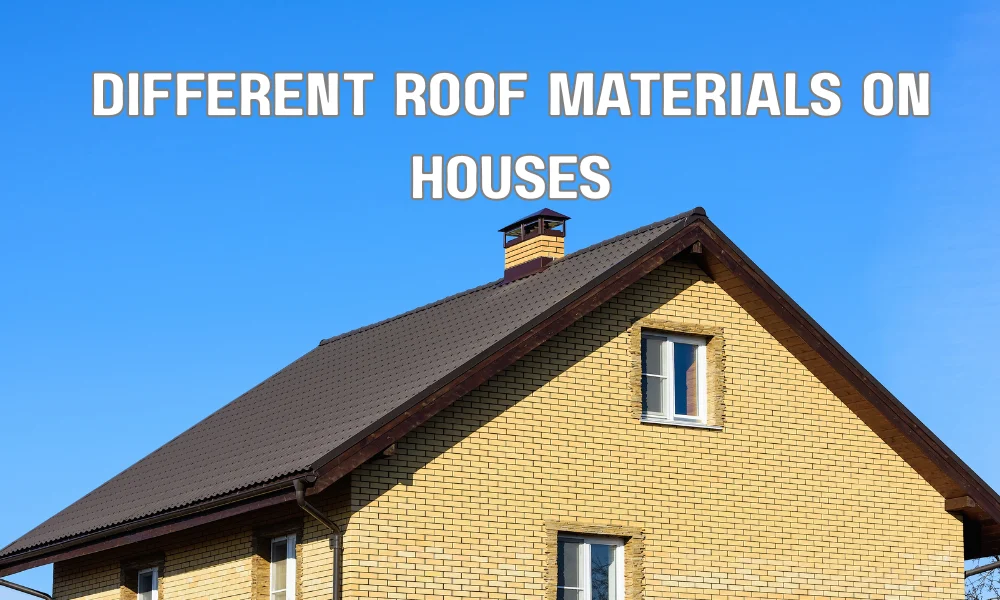
During a roof inspection and estimate, a reputable contractor will conduct a thorough assessment of your existing roof’s condition, looking for signs of damage, wear, and structural issues. They should climb onto the roof, inspect the decking, flashing, vents, and gutters, and also check the attic for leaks or moisture. Following the inspection, you should receive a detailed, written estimate outlining the scope of work, proposed materials, project timeline, warranty information, and a clear breakdown of costs. This estimate should also specify the permitting process and cleanup procedures.
What is involved in a typical roof replacement or repair project?
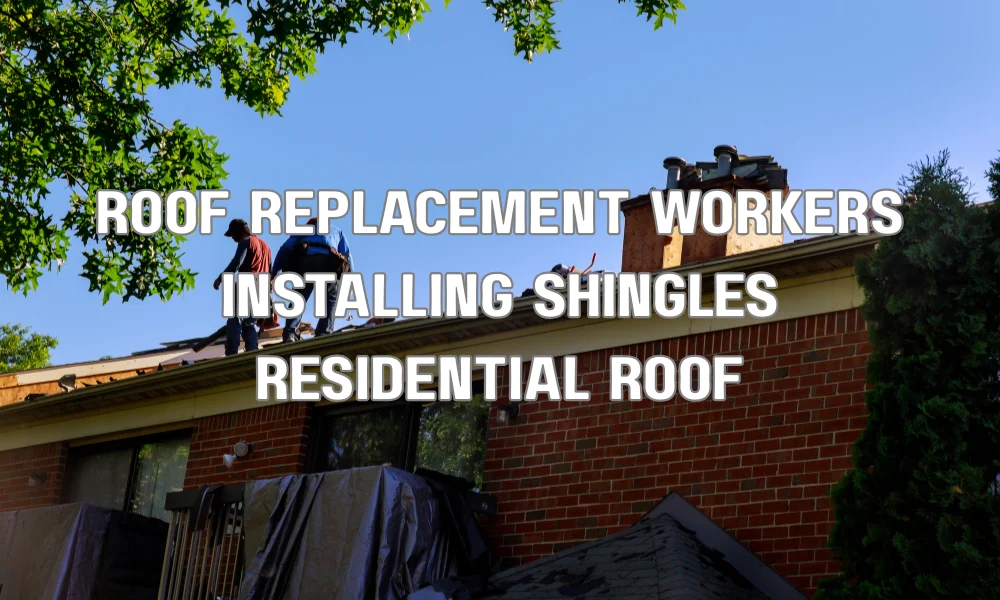
A typical roof replacement or repair project in Pembroke Pines begins with obtaining necessary permits from the city, which ensures compliance with local building codes. Next, the existing roofing materials are carefully removed (tear-off), followed by a thorough inspection of the roof deck for any damage or rot, which is then repaired. A new underlayment and secondary water barrier are installed, crucial for hurricane protection, before the chosen roofing material (shingles, tile, metal) is meticulously installed according to manufacturer specifications and FBC guidelines. Finally, new flashing, vents, and drip edges are installed, debris is cleared, and a final inspection by both the contractor and city official ensures quality and compliance.
Maintaining Your Pembroke Pines Roof for Longevity
Once your new roof is installed or extensively repaired, proactive maintenance becomes essential to ensure its longevity and continued performance against the demanding South Florida climate. Regular care can significantly extend your roof’s lifespan, prevent costly repairs, and maintain its aesthetic appeal, protecting your investment for years to come. Neglecting maintenance, however, can lead to premature degradation and vulnerability to storm damage.
What are essential maintenance tips for South Florida roofs?
Essential maintenance tips for South Florida roofs include regular cleaning to prevent algae, mold, and mildew growth, which can degrade materials and trap moisture. Keep gutters and downspouts clear of debris to ensure proper water drainage and prevent water from backing up under shingles or tiles. After every significant storm, inspect your roof for loose, cracked, or missing components, and promptly address any damage. Trim overhanging tree branches to prevent debris accumulation and potential impact damage during high winds. Annual professional inspections can catch subtle issues before they escalate into major problems.
When should I consider professional roof repair or replacement?
You should consider professional roof repair or replacement when you observe persistent leaks, significant granule loss on asphalt shingles, cracked or missing tiles, or widespread rust on metal roofs. Visible sagging in the roof deck, a noticeable increase in energy bills without other explanations, or recurrent issues after multiple repairs also signal a need for professional assessment. For roofs approaching the end of their typical lifespan in the Florida climate (e.g., 15-20 years for asphalt shingles), proactive replacement before a major storm hits is often the most cost-effective and safest option.
Critical Fact 3: Proactive roof maintenance and regular professional inspections can extend a roof’s lifespan by 5-10 years in the challenging South Florida climate, saving homeowners thousands in premature replacement costs.
Frequently Asked Questions
What is the average lifespan of a roof in Pembroke Pines, FL?
The average lifespan varies by material. Asphalt shingle roofs typically last 15-30 years, metal roofs 40-70 years, and tile roofs (concrete/clay) can exceed 50 years. The harsh South Florida climate often reduces these lifespans compared to cooler regions.
How often should I have my roof inspected in Pembroke Pines?
It is recommended to have your roof professionally inspected at least once a year, and ideally twice a year, especially before and after hurricane season. Regular inspections help identify minor issues early, preventing costly damage.
Do I need a permit for roof repair or replacement in Pembroke Pines?
Yes, most roof repair and all roof replacement projects in Pembroke Pines require a permit from the city. This ensures that the work complies with the Florida Building Code and local regulations, particularly those related to hurricane resistance.
What are the signs that my roof needs repair or replacement?
Signs include visible leaks, missing or cracked shingles/tiles, granule loss on asphalt shingles, sagging areas, water stains on ceilings, or significant storm damage. A sudden increase in energy bills can also indicate poor roof insulation.
Are certain roofing materials better for hurricane resistance?
Yes, metal roofing and concrete/clay tiles are generally superior for hurricane resistance due due to their inherent strength and attachment methods. High-quality architectural asphalt shingles with specific wind ratings also offer good protection.
How can I reduce my home insurance premiums with a new roof?
Installing a new roof that meets current Florida Building Code wind mitigation standards can qualify you for insurance discounts. Ensure your contractor provides a wind mitigation inspection report after installation.
What is a secondary water barrier, and is it important?
A secondary water barrier (SWB) is an extra layer of protection installed directly on the roof deck, beneath the primary roofing material. It is critical in Florida as it prevents water intrusion even if the main roofing material is compromised during a hurricane.
How do I choose a reliable roofing contractor in Pembroke Pines?
Look for licensed and insured contractors with strong local references, positive reviews, and a proven track record. Verify their license with the state, request detailed written estimates, and check for appropriate insurance coverage.
