
Executive Summary
- Proactive adoption of impact-rated building materials is crucial for protecting structures in High-Velocity Hurricane Zones (HVHZ) against extreme weather and flying debris.
- Robust window and door systems are vital first lines of defense, requiring specific certifications like Miami-Dade NOA or Florida Product Approval for code compliance.
- Comprehensive roof assemblies, including strong sheathing, underlayment, and impact-resistant coverings, prevent catastrophic structural failure during high winds.
- Adherence to strict local building codes, such as the Florida Building Code, ensures long-term safety, reduces insurance premiums, and enhances property value.
- Investing in certified impact-rated products provides superior peace of mind, minimizes post-storm repair costs, and ensures business continuity for commercial properties.
- Understanding the testing protocols for large and small missile impacts helps consumers choose products that offer genuine protection against hurricane-force events.
Understanding High-Velocity Hurricane Zones (HVHZ)
What defines an HVHZ zone?
An HVHZ zone is a geographical area specifically designated by building codes to experience the most severe hurricane-force winds, typically exceeding 140 mph. These zones mandate stricter construction standards to ensure buildings can withstand extreme weather conditions, primarily impacting coastal regions prone to direct hurricane landfalls. Such areas require materials and construction methods far exceeding standard building practices to ensure structural integrity and occupant safety.
Critical Fact: The Miami-Dade County Building Code and the Florida Building Code (FBC) High-Velocity Hurricane Zone (HVHZ) provisions are among the most stringent in the world, influencing building practices globally.
Why are impact ratings essential in HVHZ regions?
Impact ratings are essential because they certify that building components, such as windows, doors, and roofing, can resist the forceful impact of windborne debris during a hurricane. Without impact-rated products, a structure is highly vulnerable to breaches from flying objects, which can lead to rapid pressurization, roof lift-off, and catastrophic structural collapse. These ratings provide a crucial layer of protection, preventing the initial failure that can trigger a chain reaction of damage.
What are the primary threats to structures in HVHZ zones?
Structures in HVHZ zones face primary threats from extreme wind pressures, large and small missile impacts, and the resulting water intrusion. High winds create immense uplift and lateral forces, while debris like tree limbs, roof tiles, and construction materials become dangerous projectiles. Breaches from these impacts allow water to flood the interior, causing extensive damage to contents, finishes, and potentially compromising the building’s stability.
Impact-Rated Window Requirements
What specific standards must impact windows meet?
Impact windows must meet rigorous testing standards outlined by relevant building codes, most notably Miami-Dade Protocols TAS 201 (Large Missile Impact), TAS 202 (Static Air Pressure), and TAS 203 (Cyclic Pressure). These tests simulate the extreme forces and debris impacts encountered during a major hurricane. Successful certification means the window can withstand these forces without catastrophic failure, maintaining the building envelope’s integrity.
How do manufacturers achieve impact resistance in windows?
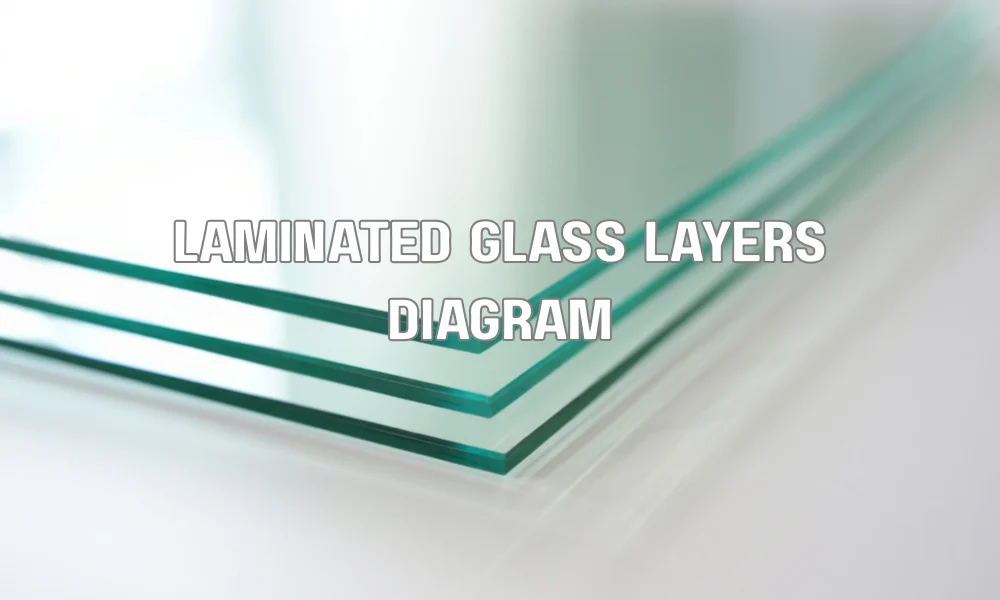
Manufacturers achieve impact resistance by employing specialized materials and construction techniques. This typically involves using laminated glass, where a strong interlayer (like PVB or SGP) is bonded between two panes of glass, preventing shattering and keeping glass fragments in place even after impact. Frames are often reinforced with heavy-gauge aluminum or steel, and hardware is designed for exceptional strength and secure anchoring into the building’s structure.
Are there different types of impact-resistant glazing?
Yes, there are different types of impact-resistant glazing, primarily categorized by their interlayer material and thickness. Standard impact glass often uses a PVB (Polyvinyl Butyral) interlayer, offering excellent protection. However, SGP (SentryGlas Plus) interlayers provide even greater stiffness and tear resistance, making them suitable for larger openings or extreme conditions. Annealed, heat-strengthened, and fully tempered glass can be part of these laminated assemblies, each contributing unique properties to the overall system’s performance.
| Feature | Standard PVB Laminated | SGP Laminated (Enhanced) | Polycarbonate Glazing |
|---|---|---|---|
| Impact Resistance | Good (Meets TAS 201) | Excellent (Superior Tear Resistance) | Exceptional (Near Unbreakable) |
| Optical Clarity | Very High | Very High | Good (May yellow over time) |
| Cost (Relative) | Moderate | High | Very High |
| UV Protection | Moderate to High | High | Excellent |
| Acoustic Performance | Excellent | Excellent | Good |
| Common Application | Residential, Commercial | High-rise, Critical Facilities | Specialty, Security Areas |
Impact-Rated Roof System Requirements
What are the key components of an impact-rated roof system?
An impact-rated roof system in HVHZ zones comprises several integrated components: a robust structural deck, high-strength fasteners, multiple layers of impact-resistant underlayment, and a certified impact-resistant roof covering. The covering can be specific types of shingles, metal panels, or tile systems designed to withstand missile impact without puncturing or detaching, protecting the underlying layers and the building’s interior. This multi-layered approach ensures redundancy and superior resilience.
Critical Fact: A single point of failure in the roof system, such as a lifted shingle or a punctured underlayment, can lead to rapid internal pressurization, potentially causing the entire roof structure to fail catastrophically.
How do roof systems receive impact certification?
Roof systems receive impact certification through rigorous testing that simulates hurricane conditions, similar to windows. For HVHZ, this involves testing against large and small missiles (e.g., a 2×4 timber shot at 50 ft/sec) and cyclic wind pressure. Products are tested by accredited laboratories, and if they pass, they receive a Notice of Acceptance (NOA) from Miami-Dade County or Florida Product Approval. This certification confirms the entire assembly, from deck attachment to top layer, meets the specified impact and wind resistance standards.
What are common misconceptions about impact-resistant roofing?
Common misconceptions include believing that merely using “heavy” shingles makes a roof impact-resistant, or that a roof installed to basic code is sufficient for HVHZ. In reality, impact resistance comes from a certified system, not just the top layer. Another misconception is that impact-resistant means impervious; while highly resistant, extreme conditions can still cause damage, though typically less severe. Proper installation by certified contractors, adhering strictly to manufacturer and code specifications, is as critical as the materials themselves.
Navigating Building Codes and Compliance
Which building codes govern HVHZ construction?
HVHZ construction is primarily governed by specific sections of the Florida Building Code (FBC), particularly its High-Velocity Hurricane Zone (HVHZ) provisions. Within Florida, Miami-Dade County and Broward County have historically had their own stringent building codes, which have largely been incorporated into the FBC’s HVHZ requirements. These codes dictate everything from foundation design to roof attachment and window specifications, ensuring a holistic approach to hurricane resilience.
How does product certification ensure compliance?
Product certification ensures compliance by providing documented proof that a specific material or assembly has been independently tested and verified to meet the stringent performance criteria for HVHZ regions. Manufacturers obtain Notice of Acceptance (NOA) from Miami-Dade County or Florida Product Approval, which specifies the product’s tested capabilities, installation instructions, and limitations. Builders and inspectors rely on these certifications to confirm that installed products meet code requirements, avoiding costly rework and potential legal issues.
What are the long-term benefits of HVHZ-compliant construction?
The long-term benefits of HVHZ-compliant construction extend far beyond initial code adherence. These benefits include significantly enhanced occupant safety during extreme weather events, reduced risk of property damage and costly repairs, and potential savings on homeowner’s insurance premiums. Moreover, properties built to HVHZ standards often command higher resale values due to their proven resilience and durability, offering peace of mind to future owners. It represents a sound, long-term investment in structural integrity.
Critical Fact: Failure to use HVHZ-approved materials and installation methods can not only lead to catastrophic structural failure during a hurricane but also void insurance claims and incur significant legal liabilities.
Frequently Asked Questions
What is the difference between impact-resistant and hurricane-resistant?
While often used interchangeably, “impact-resistant” specifically refers to a material’s ability to withstand direct projectile impact. “Hurricane-resistant” is a broader term encompassing a system’s overall ability to resist high winds, water intrusion, and pressure changes, which includes impact resistance as a key component.
Do I need impact-rated windows if I have hurricane shutters?
Not necessarily. Hurricane shutters, when properly installed and deployed, can provide excellent protection against impacts. However, impact-rated windows offer “passive” protection, meaning they are always ready, eliminate the need for manual deployment, and provide continuous light and visibility during a storm.
Are impact-rated windows more energy-efficient?
Many impact-rated windows incorporate features like low-E coatings and insulated glass units (IGUs) that contribute to energy efficiency. While their primary design is for strength, the added layers and robust construction often result in superior thermal and acoustic performance compared to standard single-pane windows.
How can I verify if a product is truly HVHZ compliant?
Always look for official documentation such as a Miami-Dade Notice of Acceptance (NOA) or Florida Product Approval. These documents detail the product’s specifications, testing results, and approved installation methods. You can usually find these online through the respective county or state building department websites.
Is HVHZ-compliant construction more expensive?
Initially, HVHZ-compliant construction can be more expensive due to the higher material costs and specialized installation requirements. However, this upfront investment is often offset by reduced insurance premiums, lower repair costs after storms, and increased property value over the long term, making it a wise financial decision.
Can I upgrade my existing home to HVHZ standards?
Yes, existing homes can be upgraded to HVHZ standards through various retrofitting projects. This includes replacing windows and doors with impact-rated models, strengthening roof-to-wall connections, upgrading roof coverings, and reinforcing garage doors. Consult with a qualified structural engineer or contractor experienced in HVHZ retrofits.
What role does the building inspector play in HVHZ compliance?
Building inspectors play a critical role by reviewing plans, verifying product certifications, and conducting on-site inspections at various stages of construction. They ensure that all materials are correctly installed according to approved plans, manufacturer specifications, and the applicable HVHZ building codes, guaranteeing the structural integrity of the project.
What is the typical lifespan of impact-rated windows and roofs?
The lifespan of impact-rated products is comparable to or often exceeds that of standard products due to their robust construction. Impact windows typically last 20-30 years, while impact-rated roofs can last 25-50 years or more, depending on the material (e.g., asphalt shingles vs. metal or tile) and proper maintenance.
