
Hurricane-Proof Your Home: A Pre-Storm Roofing Checklist
Florida’s hurricane season is an annual reality, and for Fort Lauderdale homeowners, proactive preparation is the key to minimizing potential damage. Your roof is the single most exposed and critical component of your home’s defense system. Neglecting its condition before a major storm rolls in can lead to catastrophic failure, water intrusion, and costly interior damage. That’s why thorough hurricane roof preparation isn’t optional—it’s essential homeownership in South Florida.
At ShieldLine Roofing, we specialize in building and maintaining roofs designed to withstand the harsh realities of our climate. We’ve put together this comprehensive checklist to help you secure your home and protect your most valuable investment before the next storm hits.
Why Pre-Storm Roof Preparation Matters
Ignoring roof maintenance and preparation before hurricane season dramatically increases your risk. High winds create pressure differences that attempt to literally lift your roof off the structure. If your roof already has compromised shingles, failing flashing, or loose seals, the wind will exploit those weaknesses, leading to uplift, tear-off, and rapid water infiltration.
A successful storm season hinges on identifying and eliminating these vulnerabilities before they are tested. The minimal cost of a pre-storm inspection is nothing compared to the expense and headache of filing an emergency claim and coordinating major repairs after a storm has passed through Broward County. Preparation is your first, and best, line of defense.
Step 1: Schedule a Professional Roof Inspection
The foundation of effective hurricane roof preparation is a detailed assessment by a certified professional. A pre-hurricane roof inspection goes far beyond a quick visual check from the ground.
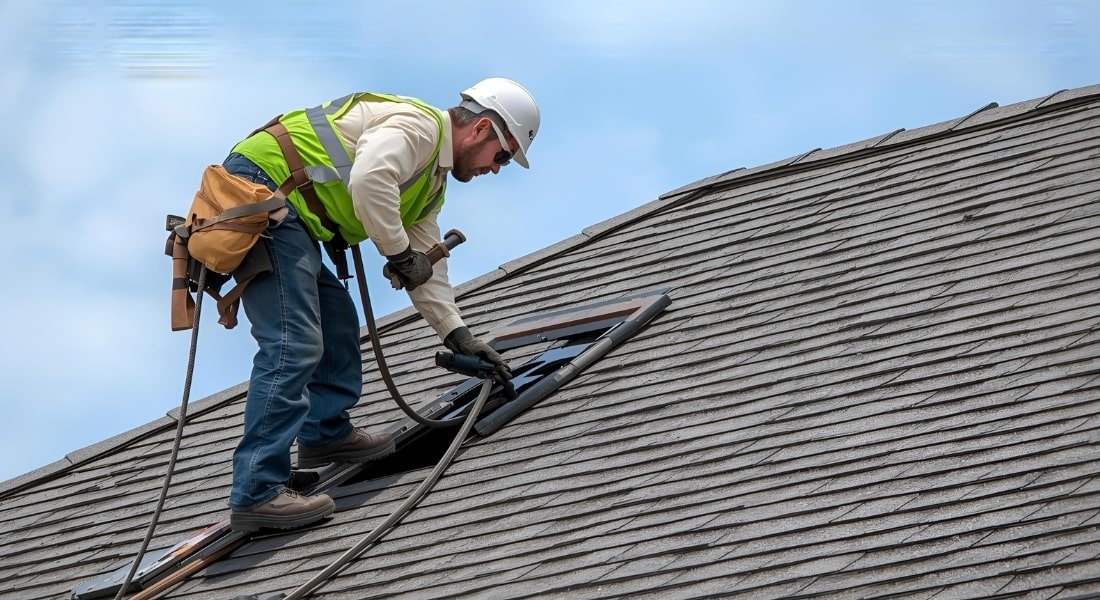
During this crucial service, ShieldLine Roofing experts meticulously examine every vulnerable point on your roof, including:
- Shingle/Tile Integrity: Checking for loose, cracked, missing, or compromised tiles or shingles that could be lifted by wind.
- Flashing and Seals: Inspecting the metal work around chimneys, vents, skylights, and valleys, as these are common entry points for leaks when seals degrade.
- Fascia and Soffit: Checking for any signs of rot or damage around the eaves, which are critical to the roof’s secure attachment to the wall structure.
- Fastener Integrity: Ensuring all components are securely fastened and that no exposed nails or screws are present.
Identifying and repairing these minor issues now prevents major failures later.
Step 2: Secure Loose Roofing Components
Once weaknesses are identified, immediate action is required. Knowing how to secure roof for hurricane involves reinforcing any areas that could catch the wind.
- Seal and Caulk: Re-seal or re-caulk any vulnerable flashing around vents, pipes, and chimneys.
- Replace Loose Tiles/Shingles: Any cracked or loose material must be replaced or re-secured immediately. In the case of tiles, this often means replacing or re-adhering the tile and ensuring the underlayment beneath it is sound.
- Clear Debris: Remove any debris from the roof surface, as this material can become projectiles in high winds, causing secondary damage.
If a hurricane is imminent and a full repair isn’t possible, temporary measures like securely tarping severely damaged sections can buy you crucial time, but permanent repair is always the goal.
Step 3: Install Hurricane Clips and Straps
For maximum protection, especially for older homes, internal reinforcement is key. If you want to hurricane-proof your roof against the most powerful winds, you need to ensure the roof trusses are securely tied to the wall structure.
This is achieved through hurricane clips installation—small, metal connectors that strap the roof frame directly to the wall studs. While most modern homes in Fort Lauderdale have some form of wind mitigation reinforcement, older homes may lack these vital connections. Installing or upgrading these clips is a highly effective measure that drastically reduces the chances of wind uplifting the entire roof structure. This type of retrofitting is one of the most significant investments you can make in your home’s storm resilience and can even qualify you for insurance premium discounts.
Step 4: Clear Gutters and Roof Drainage Systems
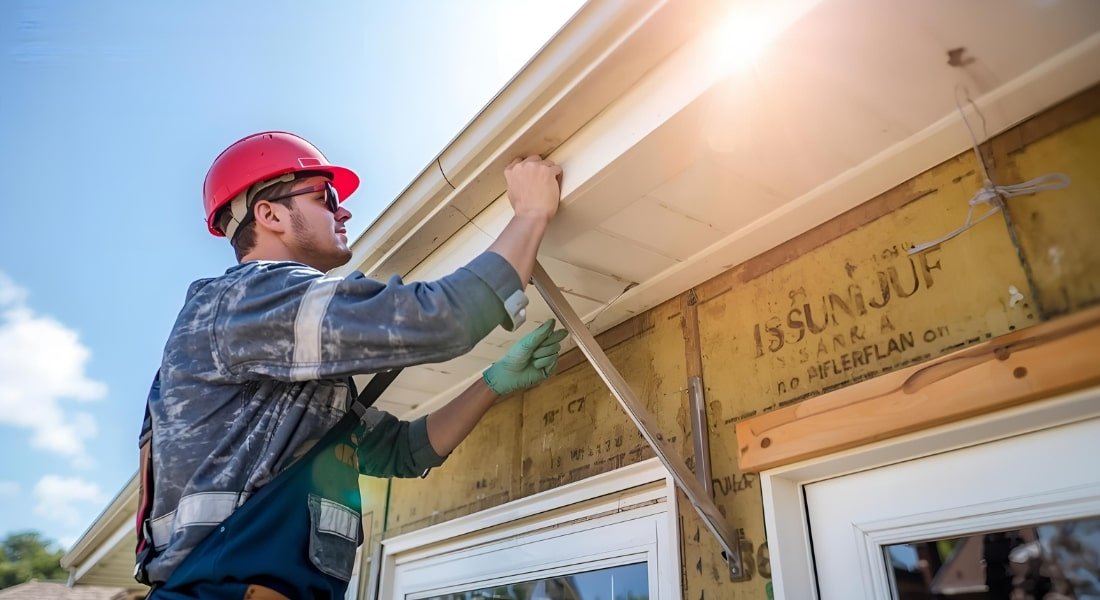
A seemingly small detail, blocked gutters can turn a heavy rainfall event into a major flooding disaster for your home. When gutters are clogged with leaves and debris, water has nowhere to go but backward.
This backed-up water will quickly pool on the roof or spill over the sides, infiltrating the fascia, soffit, and siding. During a hurricane, this accelerated water intrusion can cause severe damage to the roof decking and wall structure. As part of your continuous hurricane roof preparation, ensure all gutters, downspouts, and internal drains (common on flat roofs) are completely clear and functioning efficiently long before any storm system approaches.
Step 5: Check Attic Ventilation and Roof Decking
An often-overlooked factor in hurricane damage is internal air pressure. During a major storm, high winds can create a vacuum effect, pulling air (and the roof) outward. If the building envelope isn’t sealed properly, the wind can also force high-pressure air into the attic via gable vents, eaves, or even small gaps.
During a professional inspection, ShieldLine Roofing checks the integrity of the roof decking (the wood layer beneath the roofing material) and ensures attic ventilation is adequate but properly sealed. Ensuring the roof deck is in good condition is critical, as that is what the roofing material is fastened to.
Step 6: Review Insurance and Emergency Contacts
The final step in your hurricane roof preparation checklist is administrative—but no less important. Review your homeowners insurance policy now to confirm your coverage details, especially deductibles and specifics regarding wind and water damage. Have your policy number and the insurance company’s emergency claims number stored in a safe, accessible place (even digitally).
Finally, have a pre-vetted list of emergency repair contacts, including ShieldLine Roofing, ready. Knowing who you’ll call before a disaster strikes saves valuable time when repair crews are in high demand across South Florida.
Why Choose ShieldLine Roofing for Hurricane Readiness
ShieldLine Roofing has years of proven experience helping Fort Lauderdale and South Florida residents weather the storm. We provide comprehensive, code-compliant pre-storm inspection services that give you a detailed assessment of your roof’s readiness.
We use high-quality, hurricane-rated materials and deliver expert craftsmanship in all of our [Roof Repair] and [Roof Maintenance] services. In the aftermath of a storm, we prioritize fast, effective [Emergency Roofing Services] to secure your property and minimize further damage, ensuring your home is repaired and protected with minimal delay.
Conclusion
Protecting your home from hurricane damage requires more than luck; it requires proactive effort and expert preparation. By following this comprehensive checklist, you significantly reduce your risk of costly post-storm repairs and ensure your family and property are secure. Don’t wait until the warning flags are flying.
Need professional help with hurricane roof preparation? Contact ShieldLine Roofing today for a free pre-storm inspection and protect your home before the next storm hits.
