How to Spot Hidden Roof Damage After a Major Storm
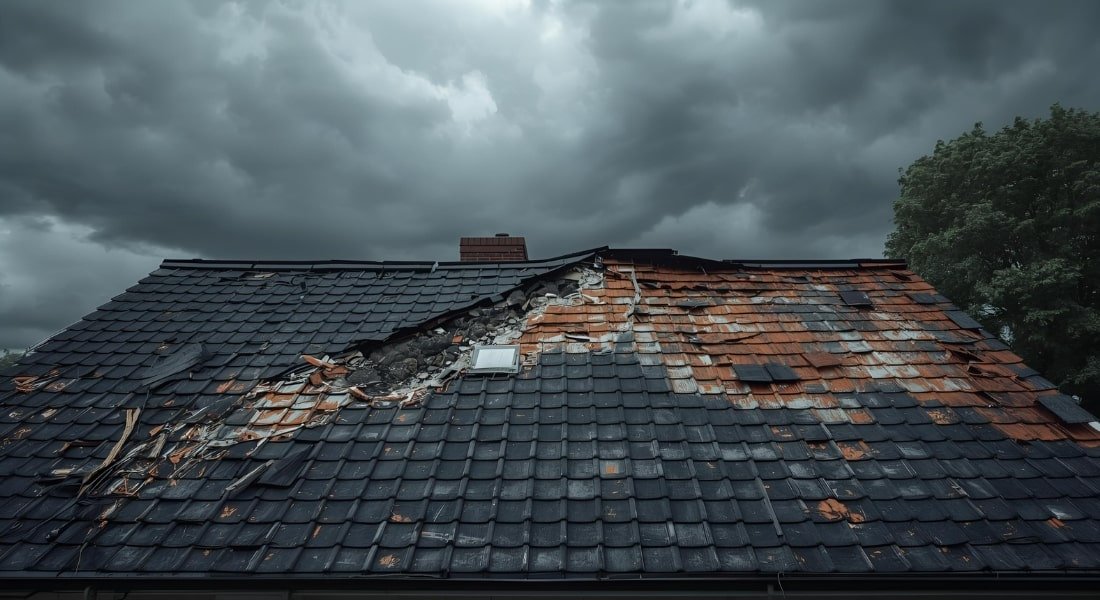
After a severe storm or hurricane passes through Fort Lauderdale, the immediate danger is over, but the threat to your home often continues. While missing tiles or a tree limb on the roof are obvious emergencies, the most insidious and costly problems often stem from damage you can’t see. High winds and torrential rain can cause subtle, structural compromises that may not reveal themselves for weeks or even months—until you have a major, mold-inducing leak. That is why a thorough post-hurricane roof inspection is non-negotiable for every Florida homeowner.
At Shieldline Roofing, we are committed to helping you recover safely and completely. We guide you through recognizing both the visible signs and the subtle clues of trouble, ensuring your property is protected long after the storm clouds clear.
Recognizing Visible vs. Hidden Roof Damage
Homeowners are trained to look for obvious signs of damage, such as missing shingles or exposed wood decking. However, the greatest danger lies in hidden roof damage that silently compromises your roof’s integrity.
- Visible Damage: Includes missing vents, displaced flashing, broken gutters, or debris accumulation. This damage requires immediate repair.
- Hidden Damage: Includes loosened sealants, lifted shingle tabs, fractured tile underlayment, or compromised attic ventilation. This damage allows small amounts of water to seep in, leading to slow decay that is rarely covered by insurance if not documented promptly.
Even if your roof looks fine from the ground, a professional storm damage assessment is essential to uncover these invisible threats.
Checking for Shingle and Tile Damage
High winds are masters at causing insidious damage to roofing materials without necessarily ripping them off entirely. This is particularly true of wind damage to roof shingles.
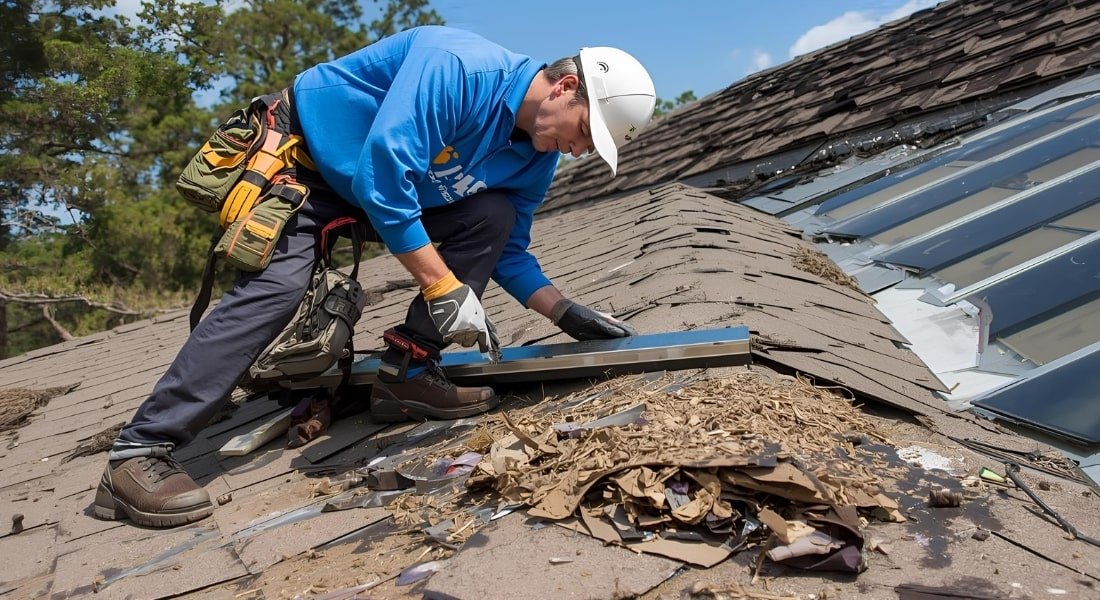
- Shingles: Look for “creases” or “cracks” running horizontally across the shingle face, which indicate the sealant has been broken and the shingle was lifted and bent by the wind. Shingle tabs that look lifted, out of alignment, or are missing granules can indicate that the adhesive has failed, making them easy targets for the next heavy rain.
- Tiles: While tiles themselves are durable, high winds can loosen the fasteners that hold them in place. Even if a tile is not broken, if it has shifted, it exposes the sensitive underlayment beneath, creating a leak risk.
Inspecting for Water Intrusion and Leaks
The most crucial step you can take internally is checking for roof leaks after rain. Never assume your roof is watertight just because the sun is out.
- The Attic Check: Grab a flashlight and safely check your attic. Look for wet spots on the insulation, mold or mildew growth on the wood rafters, or water stains on the underside of the roof deck. Even small drips can signal a larger problem that requires a swift post-hurricane roof inspection.
- Interior Signs: Look for water stains on ceilings, bubbling or peeling paint on walls, or musty odors. These are all clear indicators that water has bypassed the exterior defense layers and penetrated your home’s structure.
Assessing Hail and Storm Impact
Hail damage is notoriously difficult for homeowners to spot, yet it is a frequent contributor to storm damage, especially during summer squalls in South Florida.
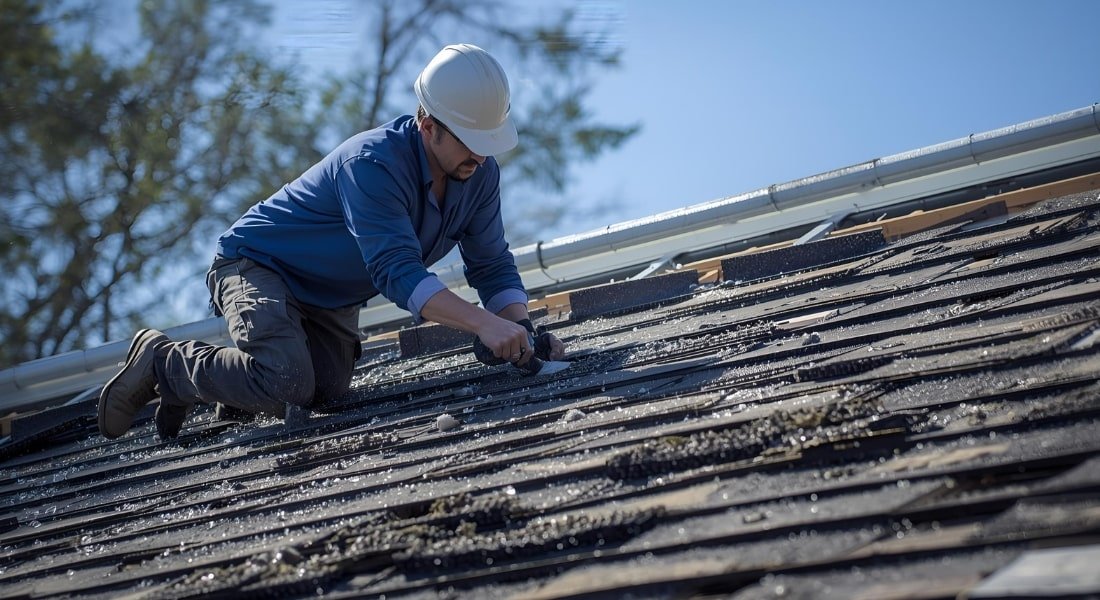
- Granule Loss (Shingles): Hail strikes may not break the shingle, but they can dislodge the protective granules, creating soft spots where the asphalt is exposed to UV light. This greatly shortens the roof’s lifespan.
- Dents (Metal): Metal roofs can sustain obvious dents, but even small dings compromise the reflective coating and can lead to premature corrosion.
- A Professional Eye: A hail damage roof inspection requires a trained professional who knows exactly what to look for—specific dent patterns, damage alignment, and granule displacement—which are virtually invisible to the untrained eye.
Benefits of a Professional Inspection
While personal checks are a good first step, they cannot replace the thoroughness of a certified post-hurricane roof inspection from Shieldline Roofing.
- Safety and Access: Our professionals have the necessary safety equipment to access the entire roof surface safely.
- Accuracy and Detail: We use specialized knowledge to identify subtle flashing problems, chimney base issues, and compromised underlayment that homeowners miss.
- Insurance Documentation: A professional storm damage assessment report includes high-resolution photos, detailed measurements, and an expert explanation of the cause and scope of the damage—all essential for securing a fair settlement from your insurance company. We know what adjusters need to see.
When to Call Shieldline Roofing
If you notice any signs of the damage mentioned above—or if a major storm has simply passed through your area—it’s time to call us. We specialize in rapidly responding to the needs of homeowners whose roofs have sustained hidden roof damage. Timely inspections prevent long-term, costly issues like mold remediation or structural repair. Don’t wait for the next rain shower to confirm your fears.
Conclusion
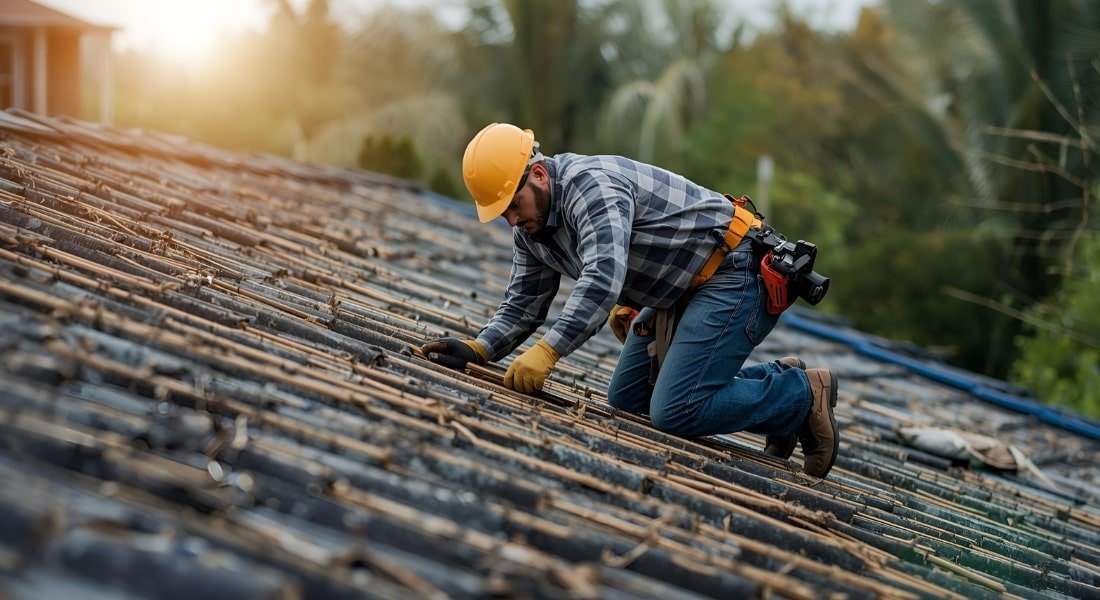
A thorough post-hurricane roof inspection is the single most important action you can take to secure your home’s future after a major weather event. Don’t be fooled by a roof that looks fine from the street; subtle storm damage can quickly lead to devastating consequences.
Ensure your peace of mind and protect your investment. Contact Shieldline Roofing today to schedule your professional storm damage assessment and ensure your home is truly safe.