
Executive Summary
- Proactive roof replacement budgeting is critical for maintaining building integrity, ensuring operational continuity, and avoiding unforeseen emergency capital expenditures.
- Implementing a robust lifecycle costing approach identifies the true long-term value of various roofing materials beyond initial installation costs.
- Establishing dedicated capital reserve funds, informed by regular reserve studies, secures necessary funding for future large-scale roof replacements.
- Strategic material selection, prioritizing durability and energy efficiency, significantly enhances return on investment and reduces ongoing operational costs.
- Engaging experienced roofing consultants and qualified contractors is paramount for accurate assessments, precise budgeting, and successful project execution.
- Leveraging sustainable roofing technologies, like cool roofs or solar-ready systems, offers compelling environmental benefits and long-term financial savings.
- Effective preventative maintenance programs are indispensable for extending roof lifespan, deferring replacement costs, and optimizing the capital budget cycle.
Understanding the Capital Roof Replacement Landscape
Why is strategic roof replacement budgeting crucial for financial health?
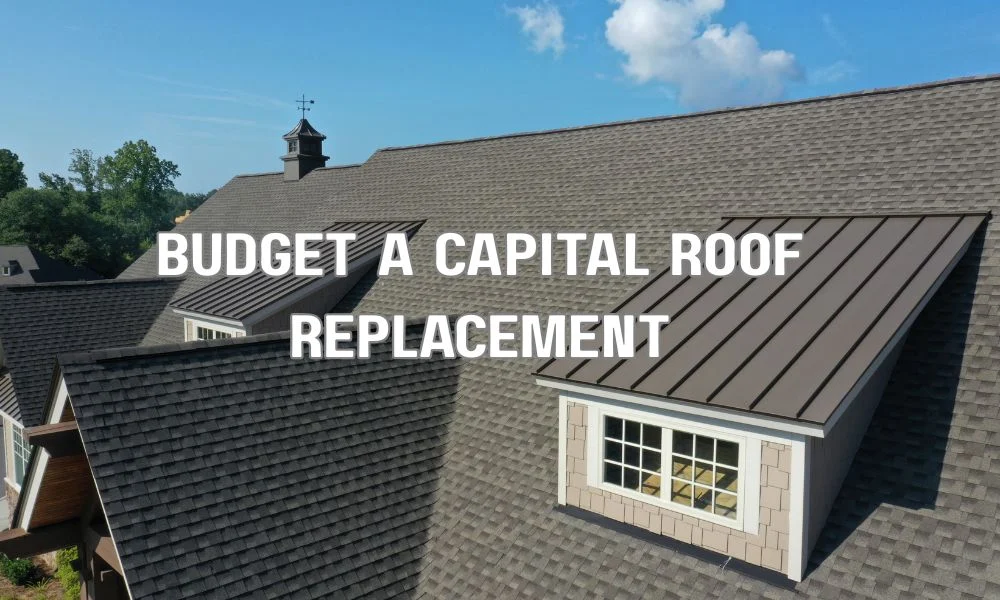
Strategic roof replacement budgeting is crucial for financial health because it prevents unexpected, significant capital outlays that can destabilize cash flow and compromise other strategic investments. A well-planned budget ensures the organization maintains asset value, avoids costly operational disruptions from roof failures, and supports long-term financial stability. It transforms a potential crisis into a managed, predictable expenditure within the capital planning cycle.
Critical Fact 1: A roof typically represents 5-10% of a commercial building’s total construction cost, but its failure can lead to damages exceeding 20% of the property’s value due to interior destruction and operational downtime.
The Comprehensive Budgeting Framework
What are the key components of an accurate roof replacement budget?
An accurate budget for a commercial roof replacement and re-roofing project encompasses far more than just material and labor costs; it includes a holistic view of the project’s entire lifecycle. Key components include thorough roof assessment and inspection fees, architectural or engineering design costs, permit fees, material acquisition, labor for removal and installation, safety measures, waste disposal, contingency funds (typically 10-15%), warranty costs, and post-installation inspections. Additionally, the budget should account for potential upgrades like improved insulation, increased ventilation, or future-proofing for solar panel installations, which can impact long-term operational expenses and asset value.
How do different roofing materials impact initial costs and long-term value?
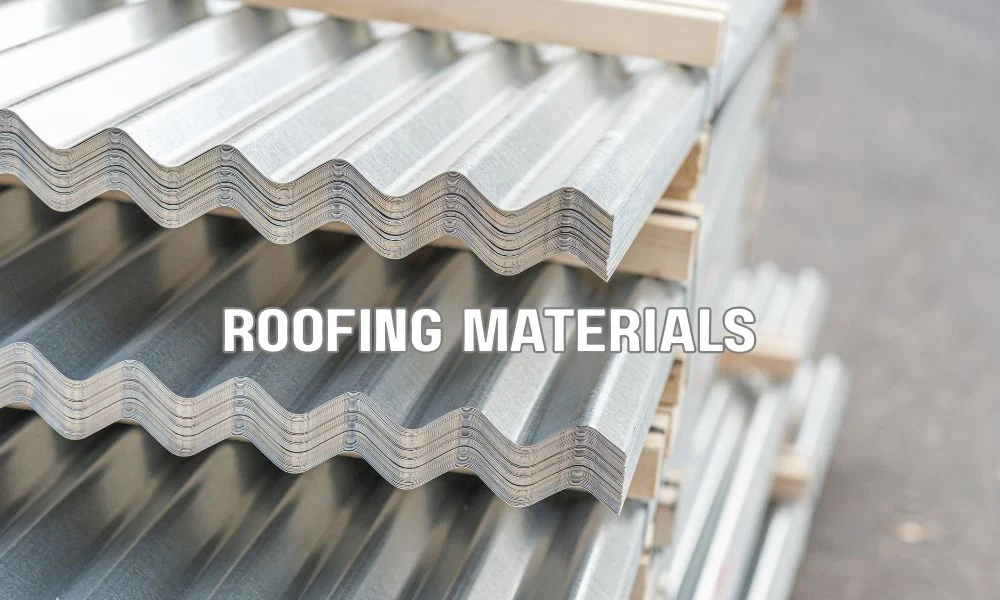
Different roofing materials significantly impact both initial costs and long-term value, necessitating a lifecycle cost analysis rather than focusing solely on upfront expense. While some materials like TPO or EPDM offer lower initial installation costs, they may have different lifespans and maintenance requirements compared to more expensive options like metal or built-up roofing (BUR). Understanding the durability, energy efficiency, maintenance needs, and expected lifespan of each material is vital for selecting a solution that aligns with the organization’s financial goals and operational demands, ultimately optimizing the total cost of ownership over decades.
| Material Type | Typical Lifespan (Years) | Estimated Initial Cost (per sq ft)* | Pros | Cons |
|---|---|---|---|---|
| TPO (Thermoplastic Polyolefin) | 15-25 | $7 – $12 | Energy efficient (white), durable, easy installation | Seam integrity concerns, can become brittle over time |
| EPDM (Ethylene Propylene Diene Monomer) | 20-30 | $6 – $11 | Very durable, weather resistant, relatively low cost | Dark color absorbs heat, punctures can be an issue |
| Metal (Standing Seam) | 30-50+ | $12 – $25 | Exceptional longevity, fire resistant, energy efficient | High initial cost, noisy during rain, potential for dents |
| Built-Up Roof (BUR) | 20-30 | $8 – $15 | Proven durability, fire resistant, low maintenance | Heavy, messy installation, sensitive to cold temps |
| Modified Bitumen (Mod-Bit) | 15-25 | $7 – $13 | Flexible, good waterproofing, easy repair | Shorter lifespan than BUR, heat-applied systems can be hazardous |
*Costs are estimates and vary significantly based on region, roof complexity, and contractor.
Strategic Reserve Planning & Funding
How can effective reserve studies ensure adequate roof replacement funds?
Effective reserve studies are fundamental in ensuring adequate roof replacement funds by providing a detailed, actuarial analysis of all major capital components, including the roof. These studies project future repair and replacement costs over a 20-30 year horizon, considering factors like material lifespan, inflation, and expected degradation, and they rely on current condition data gathered through professional commercial roof inspections. By outlining a clear funding plan, reserve studies enable organizations to systematically accrue necessary capital, preventing the need for special assessments or emergency loans when a roof replacement becomes unavoidable. This proactive approach ensures financial preparedness and budget predictability.
Critical Fact 2: A comprehensive reserve study can reduce the risk of unexpected capital calls by up to 70% and often helps secure better financing terms due to transparent financial planning.
What funding mechanisms are available for large-scale roof projects?
For large-scale roof projects, several funding mechanisms are available, each with distinct advantages depending on the organization’s financial structure and creditworthiness. Common options include utilizing existing capital reserve funds that have been systematically built up, securing traditional bank loans or lines of credit, and exploring governmental or utility-sponsored energy efficiency grants or rebates for sustainable roofing solutions. Other possibilities include lease-to-own agreements, Property Assessed Clean Energy (PACE) financing for energy-efficient upgrades, or special assessments for condominium associations and HOAs. The choice depends on immediate liquidity, long-term debt capacity, and eligibility for specific incentive programs.
Mitigating Risks and Maximizing ROI
How does proactive maintenance extend roof life and optimize budget allocation?
Structured commercial roof maintenance and preventative maintenance programs significantly extend roof life and optimize budget allocation by identifying and addressing minor issues before they escalate into costly failures. Regular inspections, timely repairs of small leaks or damaged flashing, and routine cleaning prevent premature degradation of roofing materials, thus deferring the need for full replacement. This strategy stretches the operational lifespan of the existing roof, pushing out the major capital expenditure further into the future and allowing more time to accumulate necessary funds, ultimately yielding a higher return on investment for the existing roof system.
What factors should guide contractor selection and contract negotiation?
Contractor selection and contract negotiation for roof replacement projects should be guided by a rigorous evaluation of experience, reputation, safety records, and financial stability. Prioritize contractors with proven expertise in the specific roofing system required, demonstrable references, comprehensive insurance coverage, and robust safety protocols. During negotiation, ensure the contract explicitly details project scope, timelines, payment schedules, material specifications, warranty terms (both manufacturer and labor), change order procedures, and clear communication channels. A transparent, detailed contract minimizes disputes and ensures project success, safeguarding the organization’s investment.

The Future of Roofing Investments
How can sustainable roofing solutions offer long-term financial and environmental benefits?
Sustainable roofing solutions offer compelling long-term financial and environmental benefits by reducing energy consumption, extending roof lifespan, and mitigating environmental impact. Cool roofs, for instance, reflect solar radiation, significantly lowering indoor temperatures and reducing HVAC load and associated energy costs. Green roofs provide insulation, manage stormwater, and create usable green space, enhancing property value and occupant well-being. Furthermore, integrating solar-ready designs or photovoltaic arrays can transform a roof into an energy generator, providing substantial utility savings and potential revenue streams, all while contributing to corporate sustainability goals and potentially qualifying for tax incentives.
Critical Fact 3: Investing in a cool roof can reduce a building’s annual energy consumption by 10-30%, leading to significant operational savings and a faster ROI, often within 5-7 years.
Frequently Asked Questions
What is the typical lifespan of a commercial roof?
The typical lifespan of a commercial roof varies greatly depending on the material, installation quality, climate, and maintenance regimen. Generally, TPO and EPDM roofs last 15-30 years, while metal roofs can endure for 30-50+ years. Regular inspections and proactive repairs can help maximize a roof’s longevity, deferring the significant capital expense of a full replacement.
How often should a commercial roof be inspected?
A commercial roof should be inspected at least twice a year, typically in the spring and fall, to assess any damage from seasonal weather changes or daily wear and tear. Additionally, inspections should occur after any severe weather events, such as heavy storms or high winds, to identify and address immediate issues.
Should I repair or replace my commercial roof?
The decision to repair or replace depends on the roof’s age, the extent of the damage, and its overall condition. Minor, isolated leaks or damage can often be repaired cost-effectively. However, if a roof is past its expected lifespan, has widespread issues, or exhibits structural compromise, a full replacement is usually the more financially prudent long-term solution.
What is a capital reserve study and why is it important for roofing?
A capital reserve study is an analysis that estimates the future repair and replacement costs of a property’s major components, including the roof, over an extended period. It is crucial for roofing as it helps organizations budget proactively, ensuring funds are available when a significant capital expenditure like a roof replacement becomes necessary, preventing financial strain.
Are there energy-efficient roofing options that reduce operating costs?
Yes, many energy-efficient roofing options can significantly reduce operating costs. Cool roofs, which include reflective coatings or materials like white TPO, minimize heat absorption, lowering air conditioning expenses. Green roofs provide excellent insulation, reducing both heating and cooling costs. These options contribute to lower utility bills and a smaller carbon footprint.
How much should be budgeted for a contingency fund in a roof replacement project?
For a commercial roof replacement project, it is standard practice to budget a contingency fund of 10-15% of the total project cost. This reserve accounts for unforeseen issues that may arise during the project, such as hidden structural damage, unexpected material price fluctuations, or additional remediation required after tear-off.
Can I get tax incentives for replacing my roof with sustainable materials?
Yes, businesses can often qualify for tax incentives, rebates, or grants for replacing roofs with sustainable, energy-efficient materials. Programs like federal tax credits for renewable energy (e.g., solar-ready roofs), local utility rebates for cool roofs, or PACE financing for energy upgrades can significantly offset the initial investment. Consult with a tax advisor and local authorities for specific eligibility.
How important is manufacturer and labor warranty for a new roof?
Manufacturer and labor warranties are extremely important as they protect your investment against material defects and installation errors. A strong manufacturer’s warranty covers the roofing materials, while a labor warranty covers the installer’s workmanship. Ensure both are comprehensive, clearly defined, and provided by reputable entities to secure your capital investment for its full projected lifespan.
