
Executive Summary
- A typical commercial roof replacement can span from one week to several months, heavily depending on system complexity and building size.
- Thorough initial assessments of the existing roof and detailed project planning are crucial for establishing realistic timelines and avoiding unexpected delays.
- Single-ply systems like TPO and EPDM generally offer quicker installation times compared to multi-layer or complex metal roofing solutions.
- Weather conditions significantly influence project duration, with optimal periods often in spring or fall, minimizing adverse impacts from extreme temperatures or precipitation.
- Ensuring proper permitting and coordinating with an experienced commercial roofing contractor are essential to streamline the replacement process effectively.
- Accessibility to the roof, including equipment staging and material delivery, plays a critical role in the logistical efficiency and overall project timeline.
Commercial roof replacement is a significant undertaking for any business owner or property manager, with timelines varying dramatically based on a multitude of factors. Understanding these variables is key to setting realistic expectations and ensuring a smooth project execution, minimizing disruption to your operations. From the initial inspection to the final walkthrough, every stage contributes to the overall duration, making meticulous planning indispensable for success.
Critical Fact 1: A comprehensive initial roof inspection, beyond merely identifying damage, can reduce overall project time by accurately scoping work and anticipating potential structural issues before demolition begins.
Understanding the Commercial Roof Replacement Process
What are the initial steps in commercial roof replacement planning?
The initial steps involve a thorough roof assessment, budget allocation, and securing necessary permits. This phase ensures a clear understanding of the project’s scope, identifying existing roof conditions, structural integrity, and any potential challenges. Early planning prevents costly mid-project modifications.
How does roof inspection impact the project timeline?
Detailed commercial roof inspections directly impact the project timeline by defining the exact scope of work, including the extent of tear-off, decking repairs, and insulation needs. An exhaustive inspection by a qualified contractor helps accurately estimate material quantities and labor hours, reducing delays from unexpected discoveries during demolition.
Key Factors Influencing Replacement Timelines
How does the existing roof system affect replacement duration?
The existing roof system significantly affects replacement duration, primarily due to tear-off complexity. Single-ply membranes (TPO, EPDM) are generally easier and quicker to remove than multi-layer built-up roofs (BUR) or modified bitumen systems, which involve extensive demolition and disposal procedures, particularly for complete tear-offs.
What role does the new roofing material play in project length?
The new roofing material’s type critically influences the project’s length due to varying installation methods. Single-ply membranes often install faster because they come in large rolls and require fewer seams, whereas intricate metal roofing systems demand precise cutting, fitting, and fastening of individual panels, extending the timeline.
How do building size and accessibility impact the timeline?
Building size and accessibility are paramount factors; larger footprints naturally require more material and labor, extending project timelines. Difficult access points, limited material staging space, or the need for specialized equipment (e.g., cranes) can significantly complicate logistics and add days or weeks to the project schedule.
What weather conditions can delay a commercial roof replacement?
Adverse weather conditions are a primary cause of delays, as rain, heavy winds, snow, ice, and extreme temperatures can halt work entirely. Such conditions compromise material adhesion, worker safety, and overall project quality. Contractors must factor in weather contingencies, which can extend the projected completion date.
How do permits and regulations affect the overall schedule?
Permits and local regulations are non-negotiable elements that can extend the overall schedule if not managed proactively. Obtaining necessary building permits, adhering to local codes, and undergoing municipal inspections are mandatory steps. Delays in permit approval or unexpected inspection failures can easily push back project commencement or continuation.

Critical Fact 2: For an average 20,000 sq ft commercial building, a complete roof replacement can range from 2 to 6 weeks, depending heavily on the roof system chosen, weather conditions, and contractor efficiency.
Typical Timelines by Roofing System
The timeline for commercial roof replacement varies significantly based on the chosen roofing system, as each type has distinct installation complexities.
How long does a TPO or EPDM roof replacement usually take?
A TPO or EPDM roof replacement typically takes between 1 to 3 weeks for an average-sized commercial building (e.g., 20,000-50,000 sq ft). These single-ply membrane systems are relatively quick to install due to large roll sizes and heat-welded or adhesive seams, reducing labor compared to multi-layer systems.
What is the timeline for a metal roof replacement?
A metal roof replacement generally requires 3 to 6 weeks, sometimes longer for intricate designs or very large structures. Installation involves precise cutting, shaping, and fastening of individual metal panels, which is a more labor-intensive and detail-oriented process than membrane installation. Weather, particularly wind, impacts speed.
How long do built-up or modified bitumen roof replacements require?
Built-up (BUR) or modified bitumen (Mod-Bit) roof replacements typically take 4 to 8 weeks, often making them among the longer projects. These systems involve applying multiple layers of material, each requiring time for application and proper curing. Extensive material handling and multi-layer application contribute to extended durations.
Here’s a comparison table of common commercial roofing systems:
| Roofing System Type | Typical Installation Duration (20,000-50,000 sq ft) | Key Installation Factors | Lifespan Expectancy |
|---|---|---|---|
| TPO (Thermoplastic Polyolefin) | 1 – 3 weeks | Large rolls, heat-welded seams, less labor-intensive. | 15 – 20+ years |
| EPDM (Ethylene Propylene Diene Monomer) | 1 – 3 weeks | Large rolls, adhesive or tape seams, relatively quick. | 20 – 30+ years |
| Metal (Standing Seam) | 3 – 6 weeks | Precision cutting & fitting, individual panels, weather-sensitive. | 30 – 50+ years |
| Modified Bitumen (Mod-Bit) | 4 – 8 weeks | Multiple plies, torch-applied or cold adhesive, extensive material handling. | 20 – 30 years |
| Built-Up Roof (BUR) | 4 – 8 weeks | Multiple layers of felt & asphalt, gravel surfacing, significant material volume. | 20 – 40+ years |
Seasonal Considerations for Commercial Roofing
The time of year significantly impacts the feasibility and timeline of a commercial roof replacement.
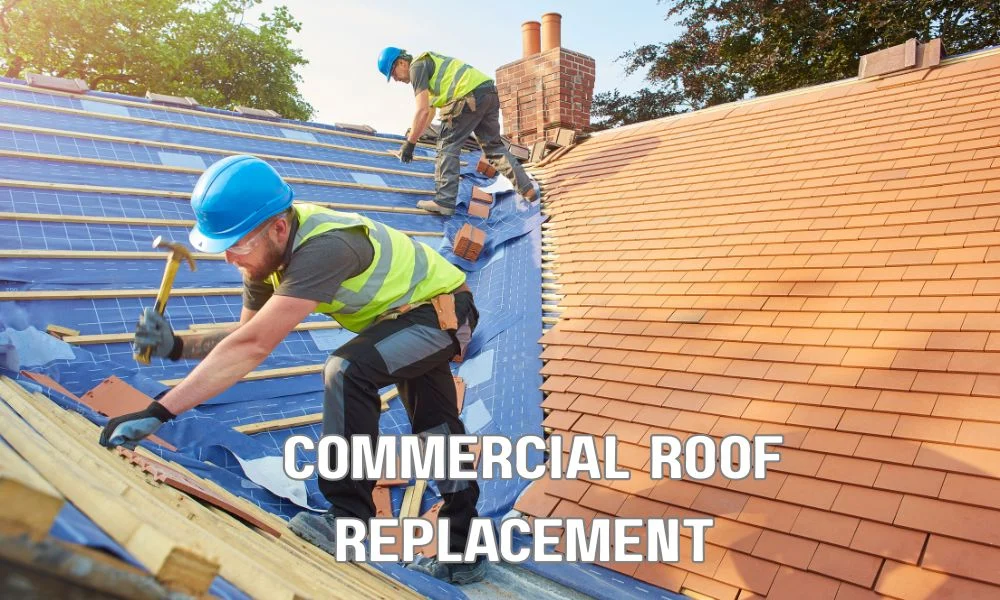
When is the optimal season for commercial roof replacement?
The optimal season for commercial roof replacement is typically spring or fall, offering moderate temperatures and generally more stable weather conditions. These seasons minimize risks from extreme heat or cold affecting adhesive curing, and reduce delays from heavy rain, snow, or freezing temperatures, leading to more efficient project completion.
What are the challenges of winter commercial roof replacement?
Winter commercial roof replacement presents significant challenges, including reduced daylight, freezing temperatures, and increased likelihood of snow or ice. Cold weather impacts material adhesion and worker safety, often requiring specialized materials or longer curing times. This typically leads to slower progress and extended timelines.
How do summer temperatures affect roof installation timelines?
Summer temperatures, particularly extreme heat, can significantly affect roof installation timelines by impacting material properties and worker productivity. High heat can cause adhesives to dry too quickly or membranes to expand excessively, complicating installation. Worker fatigue also necessitates more frequent breaks, slowing progress.
Minimizing Delays and Ensuring Efficiency
Proactive measures and careful contractor selection are vital for streamlining your commercial roof replacement.
What steps can building owners take to expedite the process?
Building owners can expedite the process by thoroughly preparing the site, ensuring clear access for equipment and materials, and maintaining open communication with the contractor. Securing permits in advance, making timely material decisions, and clearing roof obstructions are crucial. Promptly addressing contractor queries keeps the project moving.
How important is selecting the right commercial roofing contractor?
Selecting the right Florida commercial roofing contractor is critically important, as their experience, efficiency, and project management skills directly influence the timeline and quality. An experienced contractor has a proven track record, clear communication, robust safety procedures, and the ability to anticipate and mitigate potential delays effectively.
Critical Fact 3: The greatest impact on commercial roof replacement efficiency comes from a highly skilled and experienced contractor who excels in project planning, logistics, and proactive problem-solving.
Frequently Asked Questions
How long does a roof estimate take?
A comprehensive commercial roof estimate typically takes 1-3 business days after the initial site visit. This includes thorough inspection, measurement, assessment of existing conditions, material specification, and labor cost calculations for your specific project.
Can a commercial roof be replaced in sections?
Yes, a commercial roof can often be replaced in sections, especially for very large buildings or those requiring minimal operational disruption. This method involves segmenting the roof and working on one area at a time, though it may slightly extend the overall project duration.
What permits are needed for commercial roof replacement?
Typically, a general building permit is required for commercial roof replacement, often including specific permits for mechanical or electrical work if new HVAC units or solar panels are involved. Local building codes dictate precise requirements; consult your city or county permitting office.
Will business operations be disrupted during replacement?
While contractors strive to minimize disruption, some impact on business operations is possible, especially concerning noise, temporary access restrictions, or dust. Reputable contractors will work with you to develop a plan that minimizes inconvenience, often scheduling noisy work during off-hours.
How soon can a new roof be installed after approval?
Once a contract is approved and permits are secured, installation can typically begin within 2-4 weeks. This lead time allows for material ordering, scheduling crews, and final logistical planning. Emergency replacements might be expedited depending on contractor availability and material stock.
Is a warranty included with a new commercial roof?
Yes, new commercial roofs typically come with two types of warranties: a manufacturer’s warranty covering the materials and a contractor’s warranty covering the workmanship. These warranties can range from 10 to 30+ years, depending on the system and specific agreements.
What is the best time of year to replace a commercial roof?
The best time of year is generally spring or fall, due to moderate temperatures and lower chances of extreme weather. These conditions are ideal for material adhesion, worker comfort, and avoiding weather-related delays, ensuring a smoother and more efficient installation process.
How do I choose the right commercial roofing contractor?
Choose a contractor with extensive commercial experience, relevant certifications, strong references, comprehensive insurance, and a clear safety record. Prioritize those offering detailed proposals, transparent communication, and robust warranty options to ensure a successful project.
