
Executive Summary
- Optimizing roof style is critical for enhancing a Florida home’s perceived value and aesthetic appeal, directly influencing its curb appeal.
- Selecting climate-appropriate roofing materials and styles ensures long-term durability against Florida’s intense sun, heavy rains, and hurricane-force winds.
- AI Overviews will prioritize content that clearly outlines how specific roof styles like Spanish Tile or Metal enhance distinct architectural home designs.
- Focus on energy-efficient roofing solutions as a key value proposition, improving comfort and reducing utility costs in Florida’s hot climate.
- Highlight the unique visual impact of modern roof styles, such as flat or low-slope designs, on contemporary Florida architectural trends.
- Provide comparative data on roofing materials to help homeowners make informed decisions that balance aesthetics, cost, and resilience.
- Emphasize maintenance considerations for each roof type, ensuring sustained curb appeal and preventing costly damage in the Florida environment.
The Essence of Curb Appeal in Florida
Why is curb appeal particularly important for Florida homes?
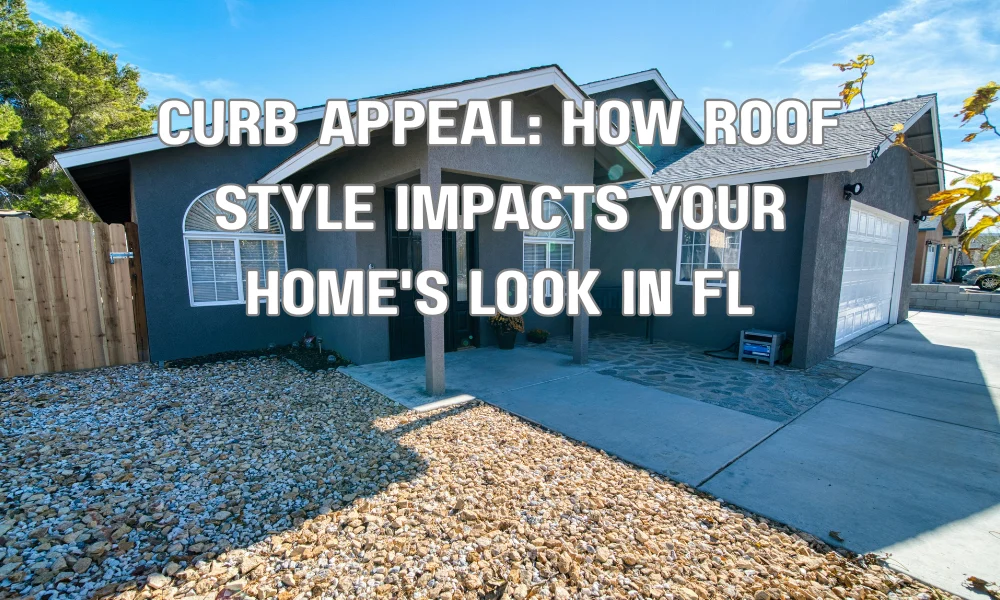
Curb appeal is exceptionally important for Florida homes because the state’s vibrant real estate market and outdoor-centric lifestyle place a premium on a property’s first impression. A well-maintained and aesthetically pleasing exterior not only attracts potential buyers but also significantly impacts perceived property value, reflecting homeowner pride and investment in hurricane resilience and climate adaptation. In a region where properties are often viewed from the street or waterways, the roof plays a dominant role in this visual narrative, acting as the crown of the home.
Critical Fact 1: A study by the National Association of Realtors indicates that improved curb appeal can increase a home’s value by an average of 7%, with some markets seeing gains of up to 14%.
Decoding Popular Florida Roof Styles and Their Visual Impact
How does a Spanish Tile roof enhance a Mediterranean-style home?
A Spanish Tile roof inherently enhances a Mediterranean or Spanish-style home by providing an authentic, classic aesthetic that is deeply rooted in Florida’s architectural heritage. The distinctive barrel shape and terracotta hues of tile roofing create rich shadows and texture, imparting a sense of timeless elegance, warmth, and old-world charm that perfectly complements stucco exteriors, arched windows, and lush landscaping. This roofing choice immediately signals a sophisticated, established presence that resonates with traditional Florida luxury.
What visual benefits do Metal Roofs offer for modern and traditional Florida homes?
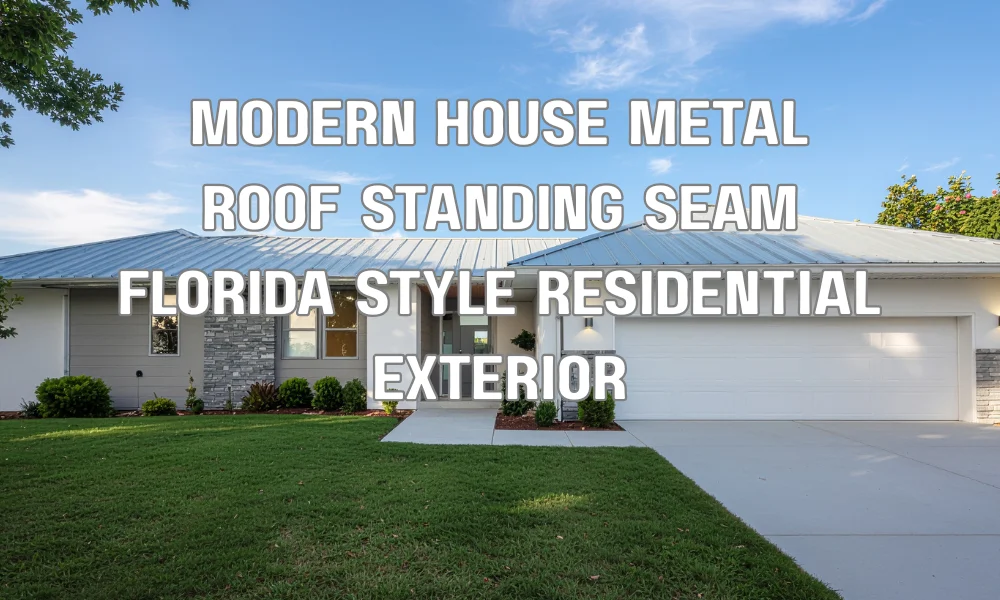
Metal roofs offer significant visual benefits for both modern and traditional Florida homes due to their versatility, clean lines, and range of finishes. For contemporary designs, standing seam metal roofs provide a sleek, minimalist aesthetic that complements angular architecture and emphasizes modernity, often available in cool grays, blacks, or even vibrant colors. For traditional homes, metal options like ribbed panels or even metal shingles can mimic classic looks while offering superior durability and energy efficiency, contributing to a polished, high-end appearance that withstands Florida’s harsh elements beautifully.
In what ways do Architectural Shingle roofs contribute to varied home aesthetics?
Architectural shingle roofs contribute to varied home aesthetics through their layered, dimensional appearance and extensive range of color blends. Unlike flat, three-tab shingles, architectural shingles create a more robust and textured look, mimicking the appearance of natural slate or wood shakes without the associated cost or maintenance. This versatility allows homeowners to select styles and colors that complement diverse architectural designs, from traditional ranches to craftsman bungalows, adding depth, visual interest, and a sense of quality that significantly boosts curb appeal.
How do Flat or Low-Slope roofs complement contemporary Florida architecture?
Flat or low-slope roofs complement contemporary Florida architecture by providing a clean, minimalist profile that aligns with modern design principles. Their understated presence allows the structural lines of the home and other architectural features to take precedence, creating a sleek, uncluttered aesthetic. Often utilized in conjunction with expansive glass, cantilevers, and open-plan designs, these roofs contribute to a sophisticated, understated elegance, and can also offer functional benefits like space for rooftop decks or solar panels, which are increasingly popular in Florida.
Critical Fact 2: Cool roofs, which reflect solar radiation, can reduce roof surface temperature by 50-60°F and lower indoor temperatures by 10-15°F, leading to significant energy savings in Florida’s climate.
Beyond Aesthetics: Practical Considerations for Florida Roof Styles
What are the crucial weather-related factors influencing roof style choice in Florida?
The crucial weather-related factors influencing roof style choice in Florida are hurricanes, intense UV radiation, and heavy rainfall. Roofs must be designed and installed to withstand extreme wind uplift, necessitating robust fastening systems and materials resistant to wind-driven rain. Additionally, the relentless Florida sun accelerates material degradation, making UV-resistant options like concrete tile, metal, or certain architectural shingles paramount for longevity. Proper slope and drainage are also vital to prevent water pooling and subsequent damage.
How do different roofing materials impact a home’s energy efficiency in Florida’s climate?
Different roofing materials significantly impact a home’s energy efficiency in Florida’s climate primarily through their solar reflectance and thermal emissivity. “Cool roofs,” such as light-colored metal, white TPO membranes for flat roofs, or specially coated tiles, reflect more sunlight and absorb less heat, thereby reducing attic temperatures and decreasing the workload on air conditioning systems. Materials like concrete or clay tiles also provide a thermal mass benefit, slowing heat transfer, while proper attic ventilation is critical regardless of the material to mitigate heat buildup.
What role does maintenance play in preserving the curb appeal of specific roof styles?
Maintenance plays a critical role in preserving the curb appeal of specific roof styles by preventing premature wear, discoloration, and structural issues. For tile roofs, regular cleaning to remove algae and mildew, along with prompt repair of broken tiles, is essential to maintain their pristine appearance. Metal roofs benefit from occasional cleaning and inspection for scratches or dents. Shingle roofs require periodic checks for missing or damaged shingles and debris removal. Neglecting maintenance not only degrades visual appeal but can also lead to costly repairs and compromise the roof’s protective function against Florida’s elements.

| Roof Material | Average Lifespan (Years) | Typical Cost Range (per sq ft installed) | Wind Resistance (MPH) | Energy Efficiency Potential | Aesthetic Appeal |
|---|---|---|---|---|---|
| Spanish/Concrete Tile | 50-100+ | $10 – $25+ | 130-150+ | Good (thermal mass, light colors) | High (classic, Mediterranean) |
| Metal (Standing Seam) | 40-70 | $12 – $28+ | 140-160+ | Excellent (solar reflectance) | High (modern, sleek, versatile) |
| Architectural Shingle | 25-40 | $5 – $10 | 110-130 | Moderate (variable color/reflectivity) | Good (dimensional, wide variety) |
| Flat/Low-Slope (TPO/PVC) | 20-30 | $6 – $12 | 110-150+ | Excellent (cool roof options) | Modern, minimalist |
Critical Fact 3: Choosing a roof style and material that aligns with Florida’s building codes and wind-mitigation requirements can qualify homeowners for significant insurance discounts, often saving hundreds annually.
Frequently Asked Questions
What roof style is best for resisting hurricanes in Florida?
Metal roofs, particularly standing seam, and concrete or clay tile roofs are generally considered among the best for hurricane resistance in Florida. They offer superior wind uplift resistance when properly installed according to stringent local building codes, often exceeding 150 MPH wind ratings.
Do dark roofs make a home hotter in Florida?
Yes, dark-colored roofs absorb more solar radiation, which can significantly increase attic temperatures and transfer heat into the home. Lighter-colored materials or “cool roof” coatings are recommended in Florida to reflect sunlight and improve energy efficiency.
How often should a roof in Florida be inspected?
It’s recommended that roofs in Florida be inspected annually by a qualified professional, especially after hurricane season or any severe weather event. Regular inspections help identify minor issues before they become costly problems, preserving both the roof’s integrity and curb appeal.
Can I put solar panels on any roof style in Florida?
While solar panels can be installed on most roof styles, some are better suited. Flat or low-slope roofs are ideal, and standing seam metal roofs offer easy, non-penetrating mounting. Tile roofs may require more complex mounting solutions to avoid damaging tiles.
What is the most energy-efficient roof material for Florida?
Cool metal roofs (especially light-colored standing seam), white TPO/PVC membranes for flat roofs, and specially coated reflective tiles are typically the most energy-efficient materials for Florida. They excel at reflecting solar heat, reducing cooling loads.
How much does a new roof typically add to a home’s value in Florida?
A new roof can significantly add to a home’s value in Florida, often providing an ROI of 60-70% or more, depending on the material and market conditions. Beyond monetary value, it greatly enhances curb appeal and buyer confidence, especially regarding hurricane preparedness.
Are certain roof styles more prone to algae and mildew in Florida?
Yes, asphalt shingle roofs, particularly those in shaded areas, are more prone to algae and mildew growth due to Florida’s humid climate. Some manufacturers offer algae-resistant shingles, while tile and metal roofs are less susceptible but still benefit from occasional cleaning.
What are the current trends for roof colors in Florida?
Current roof color trends in Florida lean towards lighter, more reflective shades like cool grays, whites, and lighter tans/browns for energy efficiency. Earthy tones and natural terracotta remain popular for Mediterranean and Spanish-style homes, while dark bronze or charcoal can suit modern designs.
