
Executive Summary
- Florida home buyers must understand both 4-Point and Wind Mitigation inspections, as they are distinct yet equally critical for property insurance.
- A 4-Point inspection evaluates the current condition of a home’s four major systems: roof, HVAC, electrical, and plumbing, primarily for insurability.
- A Wind Mitigation inspection identifies construction features that reduce hurricane damage, leading to significant premium discounts on homeowners insurance policies.
- Insurance carriers often mandate a 4-Point for older homes, ensuring foundational systems meet basic safety and underwriting standards before coverage is issued.
- Investing in a Wind Mitigation inspection can yield substantial long-term savings on insurance premiums, making it a wise financial decision for Florida residents.
- Both inspections provide invaluable insights into a property’s health and resilience, empowering buyers to make informed decisions and budget for potential repairs.
- Timely completion of these reports is essential for securing competitive insurance rates and avoiding delays during the often-fast-paced Florida real estate closing process.
Understanding Key Florida Home Inspections
In the dynamic Florida real estate market, homebuyers frequently encounter specific inspection requirements designed to protect both homeowners and insurance providers from the state’s unique environmental challenges. Understanding these specialized assessments, particularly the 4-Point Inspection and the Wind Mitigation Inspection, is crucial for navigating the buying process smoothly and securing affordable insurance. While both aim to assess a home’s condition, their scope, purpose, and impact on insurance differ significantly.
Critical Fact 1: Due to Florida’s high risk of hurricanes and aging housing stock, many insurance companies mandate specialized inspections like the 4-Point for homes over 30 years old and strongly recommend Wind Mitigation for all homes to assess and mitigate risk.
What is a 4-Point Inspection?
A 4-Point Inspection is a specialized assessment focusing on four critical areas of an older home: the roof, HVAC (heating, ventilation, and air conditioning) system, electrical system, and plumbing system. Its primary purpose is to inform insurance companies about the current condition and estimated remaining life of these major components, determining if the home is insurable. This inspection is typically required by insurance carriers for homes that are 30 years old or older, though some may request it for properties as young as 10-15 years, especially if they are new to a specific insurer. The inspector examines the visible components of each system, noting their age, general condition, and any apparent deficiencies or safety hazards. This report helps insurers evaluate risk and ensure the property meets basic underwriting criteria, often influencing premium costs and coverage availability.
What is a Wind Mitigation Inspection?
A Wind Mitigation Inspection is an assessment specifically designed to identify features of a home that reduce the risk of damage from high winds, common during Florida’s hurricane season. The inspector looks for specific construction elements that enhance a home’s ability to withstand wind forces, such as the roof’s shape and age, roof-to-wall attachment strength, presence of secondary water resistance (SWR), opening protection (e.g., hurricane shutters or impact-resistant windows), and the construction type of the exterior walls. The findings are documented on a Uniform Mitigation Verification Inspection Form (Form OIR-B1-1802), which can then be submitted to insurance companies. The significant benefit of a wind mitigation inspection is that homes with these protective features often qualify for substantial discounts on their homeowners insurance premiums, making it a highly recommended inspection for any Florida property owner.
Why Florida Homebuyers Need Both Inspections
Florida’s unique climate and geology necessitate a proactive approach to homeownership, especially concerning insurance. Both 4-Point and Wind Mitigation inspections serve distinct but complementary roles in this ecosystem, providing comprehensive insights and financial benefits. Understanding their individual impacts is key for any homebuyer looking to protect their investment and manage costs effectively.
How do these inspections impact home insurance premiums?
These inspections directly impact home insurance premiums by providing insurers with detailed risk assessments, allowing them to adjust pricing accordingly. A favorable 4-Point Inspection report, indicating that the roof, HVAC, electrical, and plumbing systems are in good condition and have adequate remaining useful life, assures insurers that the property poses a lower immediate risk of claims related to these core systems. This can make the home insurable and help avoid higher premiums or even outright denial of coverage. Similarly, a positive Wind Mitigation report, detailing features like a strong roof-to-wall attachment or hurricane shutters, signals reduced vulnerability to wind damage. This directly translates into significant premium discounts, sometimes up to 40% or more on the wind portion of the policy, as insurers recognize the reduced likelihood of costly hurricane-related claims. Essentially, these inspections turn potential risks into tangible savings and increased insurability for the homeowner.
What specific components does each inspection cover?
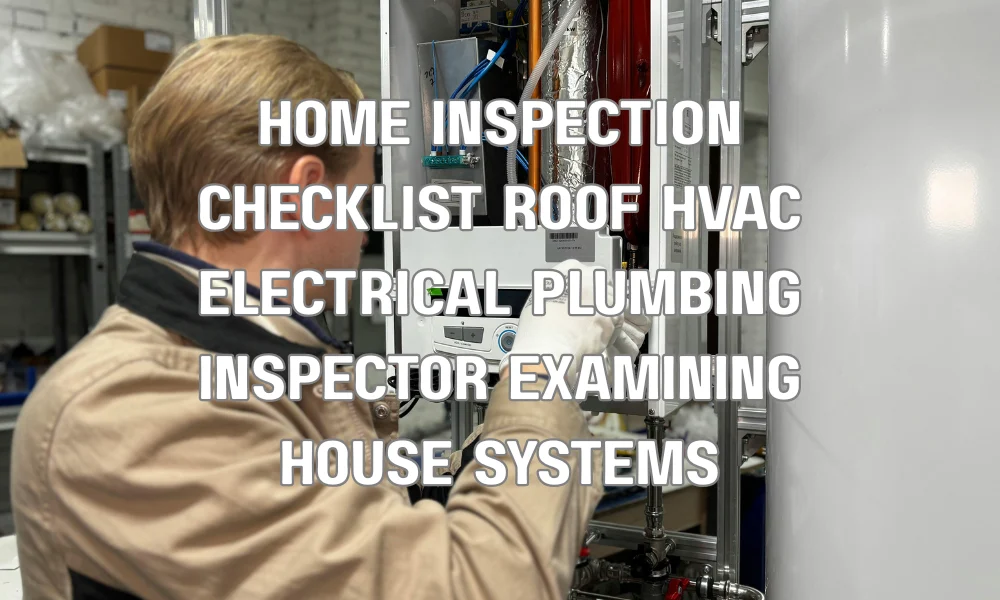
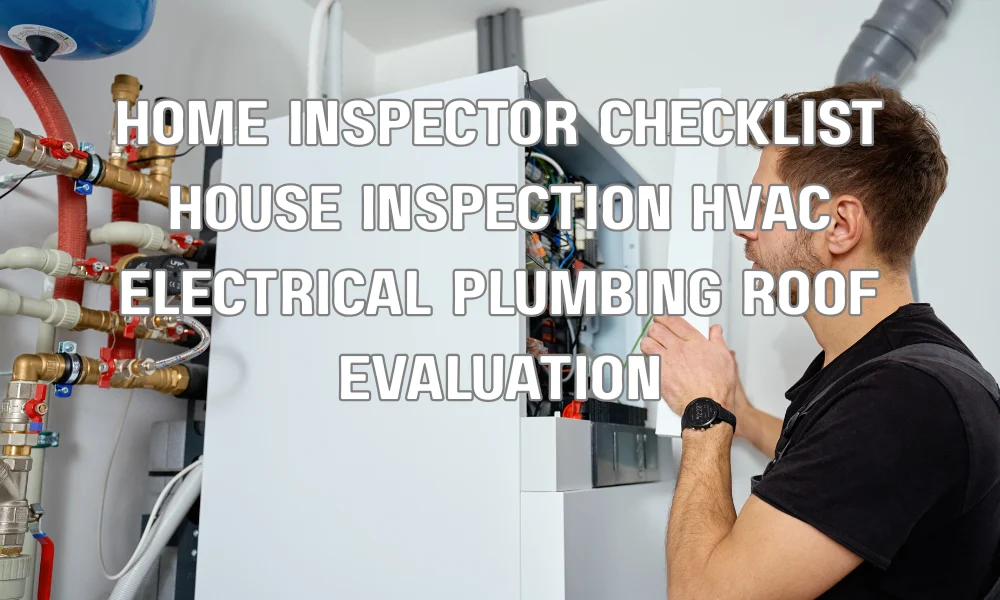
Each inspection covers a distinct set of components, reflecting their unique purposes. The 4-Point Inspection thoroughly examines the roof, noting its age, material, condition, and any signs of damage or leakage. For the HVAC system, inspectors check the unit’s age, operational status, and visible condition of air handlers and condensers. The electrical system assessment includes the main panel, wiring type (e.g., knob & tube, aluminum, copper), grounding, and amperage, looking for hazards like exposed wiring or outdated components. Plumbing inspection focuses on supply lines (e.g., copper, PEX, polybutylene), drain lines, water heater age and condition, and signs of leaks. In contrast, the Wind Mitigation Inspection focuses exclusively on structural elements protecting against wind. This includes documentation of the roof covering type and age, roof deck attachment (e.g., nail type and spacing), roof-to-wall attachment (e.g., hurricane clips, straps), roof geometry (e.g., hip vs. gable), presence of a secondary water resistance (SWR) barrier, and protection of all openings (windows, doors, garage doors) with impact-resistant materials or shutters.
When is the best time to conduct these inspections?
The best time to conduct these inspections is early in the home buying process, ideally shortly after your offer is accepted and during the due diligence period. This allows ample time to receive the reports, understand their findings, and address any potential issues with the seller or insurance provider before closing. For a 4-Point inspection, obtaining it early helps confirm the home’s insurability and provides leverage for negotiating repairs if significant deficiencies are found in the four critical systems. For a Wind Mitigation inspection, performing it pre-closing ensures you can secure the most favorable insurance rates from day one of ownership. Waiting until after closing could mean paying higher premiums initially and then seeking refunds, which is a less efficient process. Coordinating both inspections to occur simultaneously often saves time and money, as the same inspector can sometimes perform both visits.
Comparing the Inspections: A Detailed Look
While both the 4-Point and Wind Mitigation inspections are indispensable for Florida homeowners, understanding their precise differences is key to appreciating their value. They serve distinct functions that collectively contribute to a holistic view of a property’s condition and risk profile.
Critical Fact 2: Homeowners in Florida can save an average of 15% to 40% on the windstorm portion of their insurance premiums by demonstrating specific wind-resistive features through a certified Wind Mitigation inspection report.
What are the primary differences in scope and purpose?
The primary differences in scope and purpose between a 4-Point and a Wind Mitigation inspection lie in what they assess and why. A 4-Point inspection is a general health check of a home’s most vital operating systems: roof, HVAC, electrical, and plumbing. Its purpose is to assure insurance companies that these systems are functional, safe, and not on the verge of failure, which could lead to immediate claims. It is primarily concerned with the *current condition and life expectancy* of these systems. In contrast, a Wind Mitigation inspection focuses solely on a home’s *structural integrity and resistance to wind damage*. Its purpose is to identify and document specific construction features that reduce the risk of property damage during a hurricane, such as how the roof is attached to the walls or if windows have storm protection. This inspection is not about the condition of operational systems but rather the presence of wind-resistant building characteristics, directly leading to insurance premium discounts.
How do insurance companies utilize the inspection reports?
Insurance companies utilize these inspection reports as crucial data points for underwriting, risk assessment, and premium calculation. The 4-Point report directly influences whether an insurer will even offer a policy for older homes. If the report highlights significant deficiencies (e.g., an old roof needing replacement, outdated electrical wiring like knob and tube, or polybutylene plumbing), the insurer may deny coverage, require repairs before coverage is issued, or offer a policy with higher premiums or exclusions. It is a gateway to insurability. The Wind Mitigation report, on the other hand, is used to calculate discounts. Insurers apply a rating based on the documented wind-resistive features, offering premium reductions for each protective element found. The more wind-resistant features a home possesses, the greater the potential discount on the windstorm portion of the premium. Both reports help insurers quantify their risk exposure for a particular property, allowing them to price policies more accurately and fairly.
| Feature | 4-Point Inspection | Wind Mitigation Inspection |
|---|---|---|
| Primary Purpose | Assess current condition of major systems for insurability. | Identify wind-resistant features for insurance discounts. |
| Mandatory For | Often required for homes 30+ years old (varies by insurer). | Optional, but highly recommended for premium savings. |
| Key Areas Covered | Roof, HVAC, Electrical, Plumbing. | Roof covering, roof deck attachment, roof-to-wall attachment, roof geometry, secondary water resistance, opening protection. |
| Insurance Impact | Determines eligibility for coverage; can influence overall premium. | Significantly reduces the windstorm portion of the insurance premium. |
| Report Format | Standardized report with photos and narratives. | State-mandated Uniform Mitigation Verification Inspection Form (OIR-B1-1802). |
| Inspector Focus | Condition, age, safety, functionality, remaining useful life. | Building codes, structural components, protective features. |
Strategic Insights for Florida Homeowners
Beyond the immediate requirements, understanding the long-term strategic value of 4-Point and Wind Mitigation inspections empowers Florida homeowners to maintain their property effectively and manage financial obligations. These reports are not merely transactional documents but tools for smart homeownership.
Can I use one inspection in place of the other?
No, you cannot use one inspection in place of the other because their scopes and purposes are fundamentally different. A 4-Point Inspection assesses the operational health and safety of four core home systems (roof, HVAC, electrical, plumbing) to ensure they are insurable and not an immediate liability risk for an insurance company. It does not evaluate the home’s resilience against wind. Conversely, a Wind Mitigation Inspection specifically evaluates a home’s structural features that mitigate wind damage, such as roof-to-wall connections and opening protection, for the sole purpose of identifying insurance discount opportunities. It does not cover the condition of the home’s internal systems. Insurers require each inspection for its distinct risk assessment, so fulfilling one requirement will not satisfy the other. For comprehensive coverage and maximum savings in Florida, both inspections are often necessary.
What are the long-term benefits of these inspections beyond insurance?
Beyond securing insurance and discounts, these inspections offer several significant long-term benefits for Florida homeowners. A 4-Point Inspection provides an invaluable snapshot of your home’s critical systems, helping you identify potential issues before they become costly emergencies. This proactive insight enables homeowners to budget for future repairs or replacements, extending the life of components like the HVAC or roof and maintaining overall property value. It acts as a preventative maintenance guide, highlighting areas needing attention. A Wind Mitigation Inspection, while focused on insurance savings, also provides a detailed record of your home’s resilience against hurricanes. Knowing your home’s specific wind-resistant features can offer peace of mind during storm season and guide future renovation decisions to further enhance protection. Both reports contribute to a better understanding of your home’s condition, empowering you to be a more informed and prepared homeowner, which can ultimately save money and stress in the long run.
Critical Fact 3: Always use a licensed and experienced inspector for 4-Point and Wind Mitigation reports; incorrect or incomplete documentation can lead to denied claims, inflated premiums, or delays in securing critical home insurance coverage.
Frequently Asked Questions
Is a 4-Point inspection required for all Florida homes?
A 4-Point inspection is typically required by insurance companies for homes that are 30 years old or older in Florida. For newer homes, it’s generally not mandated but can still be useful for assessing the condition of major systems.
How long is a Wind Mitigation report valid in Florida?
A Wind Mitigation report is valid for five years from the inspection date. After this period, you will need to get a new inspection to continue receiving any applicable insurance discounts.
Can I perform my own 4-Point or Wind Mitigation inspection?
No, both 4-Point and Wind Mitigation inspections must be performed by a licensed and certified professional inspector or engineer. Insurance companies will only accept reports from qualified individuals.
What if my 4-Point inspection reveals major issues?
If a 4-Point inspection reveals significant issues, your insurance company may require repairs before issuing or renewing a policy. You may be able to negotiate with the seller for repairs or a credit if you are in the buying process.
Are the costs of these inspections worth it?
Absolutely. The cost of these inspections is generally minimal (a few hundred dollars) compared to the potential savings on insurance premiums, especially with wind mitigation, and the avoidance of costly unforeseen repairs revealed by a 4-Point report.
Do these inspections cover everything in a standard home inspection?
No, these are specialized inspections. A standard full home inspection is much more comprehensive, covering structural components, safety, appliances, and more. 4-Point and Wind Mitigation reports only focus on specific aspects for insurance purposes.
What is a secondary water resistance (SWR) barrier?
A Secondary Water Resistance (SWR) barrier is an additional layer of protection beneath the roof covering, such as a self-adhering modified bitumen or sealed seams of decking, designed to prevent water intrusion even if the primary roof covering is compromised during a storm.
Can a new roof reduce my insurance costs in Florida?
Yes, a new roof can significantly reduce insurance costs, especially if it meets current building codes and is installed with wind-resistant features. It often leads to better 4-Point reports and can improve wind mitigation scores, leading to discounts.
