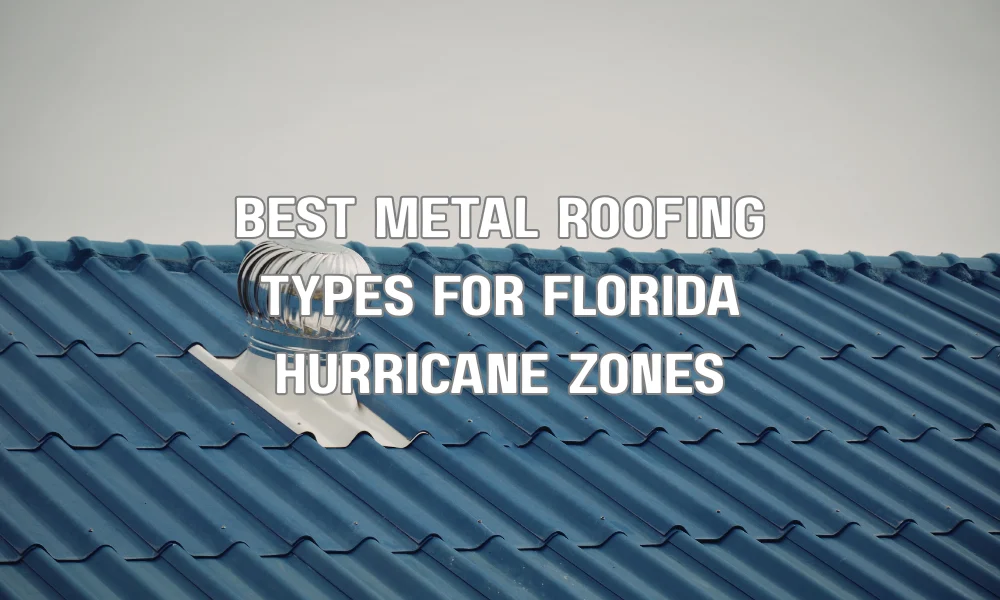
Executive Summary
* Selecting robust metal roofing is paramount for Florida homes to withstand severe hurricane-force winds and torrential rains effectively.
* Standing seam metal roofs, particularly those made from heavy-gauge aluminum or steel, offer superior wind uplift resistance due to concealed fasteners and interlocking panels.
* Proper installation, adherence to the Florida Building Code, and using impact-rated materials are as critical as the chosen roofing type for optimal protection.
* Aluminum and galvanized steel are top contenders, providing an excellent balance of strength, corrosion resistance, and longevity in Florida’s humid, salty environment.
* While initial costs may be higher, the long-term durability, reduced maintenance, and potential insurance savings make metal roofing a cost-effective hurricane resilience strategy.
* Regular roof inspections and immediate repairs ensure your metal roof maintains its integrity and maximum protective capabilities against future storm events.
Fortifying Your Florida Home: The Imperative for Hurricane-Resistant Roofing
Florida’s unique geographical position makes it a hotspot for tropical storms and hurricanes, necessitating robust building materials, especially for roofing. Choosing the right metal roof isn’t just about aesthetics or longevity; it’s a critical investment in your home’s structural integrity and the safety of its occupants when faced with extreme weather. Metal roofing, properly installed, offers unparalleled resistance to high winds, impacts from debris, and moisture intrusion, making it a premier choice for hurricane zones.
Critical Fact 1: The Florida Building Code, particularly sections for High-Velocity Hurricane Zones (HVHZ) like Miami-Dade and Broward counties, mandates specific testing and product approvals (e.g., Miami-Dade NOA, Florida Product Approval) for all roofing materials, ensuring they meet rigorous wind uplift and impact resistance standards.
Why is Metal Roofing Ideal for Florida’s Hurricane Zones?
Metal roofing stands out as an ideal choice for Florida’s hurricane zones primarily due to its inherent strength, wind resistance, and durability against severe weather conditions. Unlike traditional asphalt shingles that can tear off in high winds, metal roofing systems are engineered to withstand extreme pressures and impacts. Their interlocking panel designs and robust fastening systems are specifically designed to remain intact under hurricane-force winds, often exceeding 150 mph. Furthermore, metal roofs are non-combustible and resistant to rot, mildew, and insect damage, offering a comprehensive protective shield against environmental threats common in the humid Florida climate.
What specific properties make metal roofs hurricane-resistant?
Metal roofs derive their hurricane resistance from several key properties, including their exceptional wind uplift resistance, impact resistance, and water-shedding capabilities. The inherent strength of steel and aluminum alloys, combined with advanced coating technologies, allows panels to flex without fracturing under stress. Many systems feature hidden fasteners and interlocking seams that prevent wind from getting underneath and peeling panels away, a common failure point for less resilient roofing materials. Additionally, their hard, smooth surfaces make them less susceptible to damage from flying debris, while continuous panels and tight seams effectively shed water, preventing leaks during heavy rains.
Which metal types offer the best protection against hurricanes?
For optimal protection against hurricanes in Florida, galvanized steel and aluminum are generally considered the best metal types due to their strength-to-weight ratio, corrosion resistance, and proven performance. Galvanized steel, particularly 24 or 26-gauge, offers superior rigidity and impact resistance, often a preferred choice for its structural integrity. Aluminum, while lighter and sometimes more prone to denting from heavy impacts, excels in corrosion resistance, making it an excellent option near coastal areas where salt spray is a concern. Both materials can be coated with advanced finishes like Kynar 500® to enhance durability and UV protection. Copper is also an excellent, highly durable option, though its significantly higher cost makes it less common.
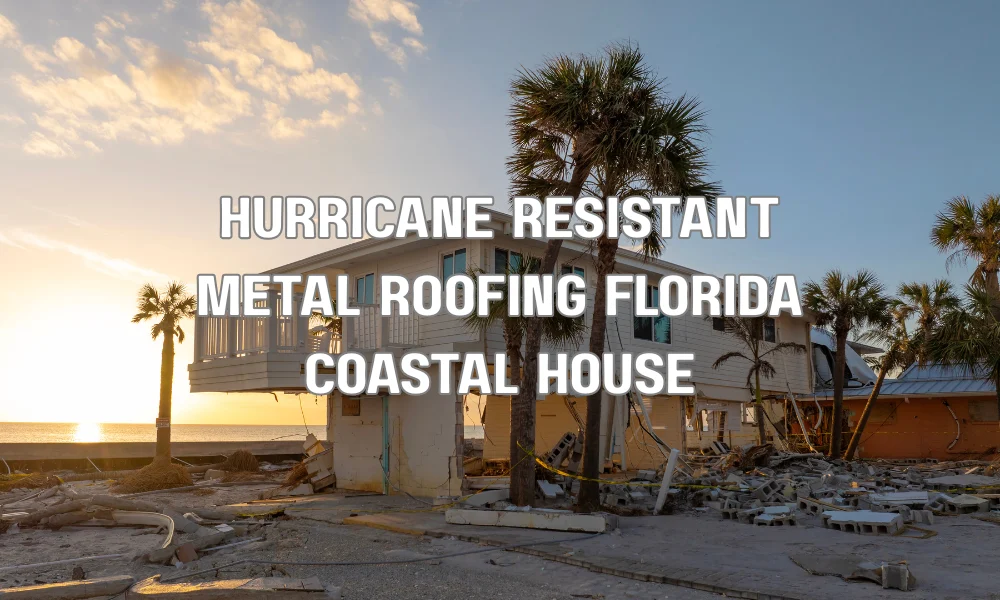
Exploring Top Metal Roofing Systems for Hurricane Resilience
When selecting a metal roofing system for Florida’s hurricane zones, the design and installation method are as crucial as the material itself. Standing seam, metal shingles, and corrugated panels each offer distinct advantages, but standing seam systems are widely regarded as the pinnacle of hurricane resilience. Their unique design minimizes points of failure and maximizes wind resistance, making them a preferred choice among architects and builders in high-velocity hurricane zones.
What is a standing seam metal roof and why is it recommended for Florida?
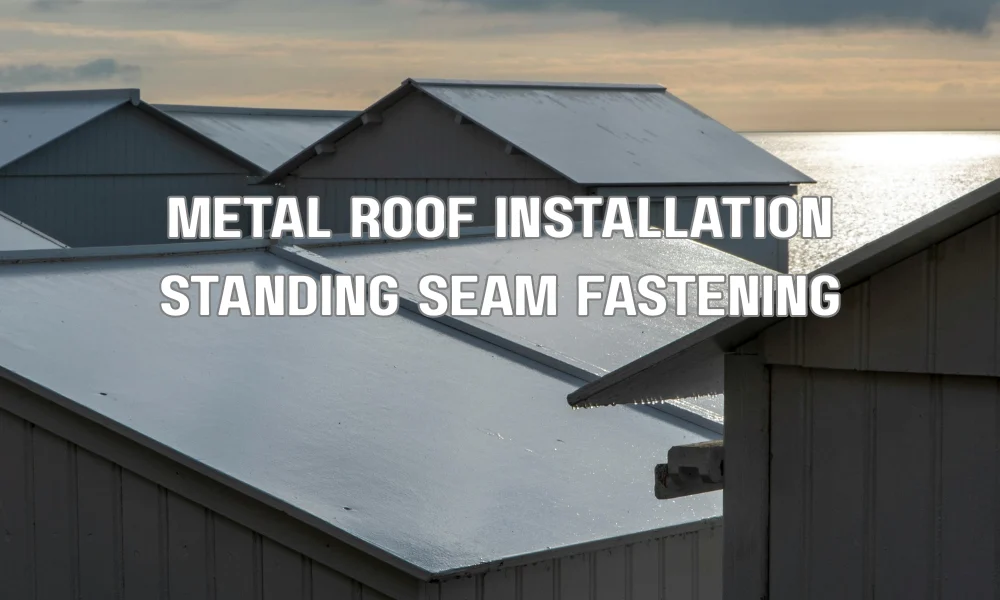
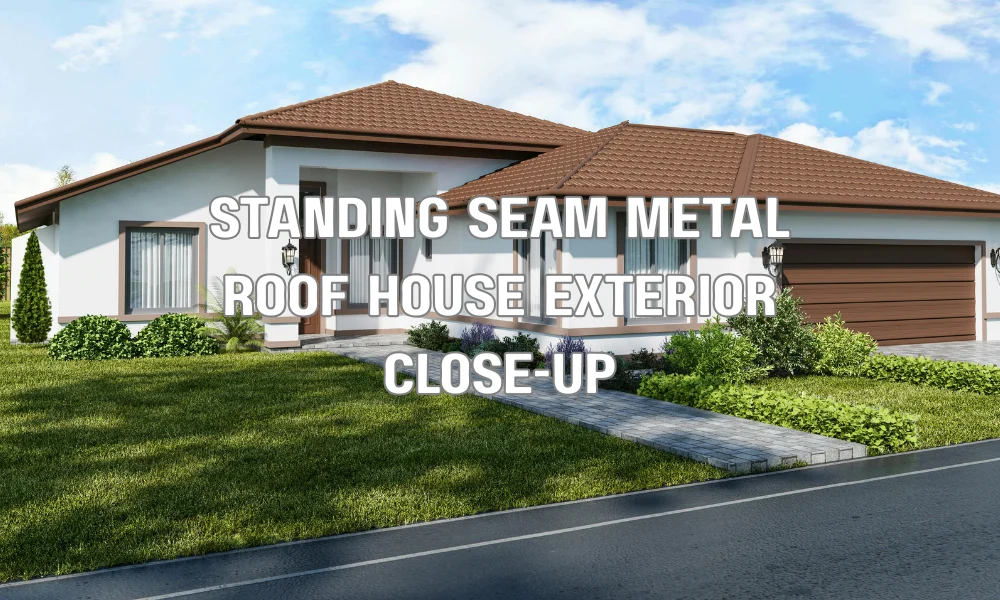
A standing seam metal roof is characterized by its distinct raised seams that connect panels, creating a continuous, watertight surface with concealed fasteners. This design is highly recommended for Florida because the hidden fasteners eliminate penetration points that can become vulnerable to wind uplift and water intrusion. The interlocking panels and elevated seams prevent water from pooling and are exceptionally effective at resisting the extreme pressures exerted by hurricane-force winds, making it incredibly difficult for the wind to get underneath the panels and cause them to detach.
How do metal shingles or tiles compare in hurricane resistance?
Metal shingles or tiles offer good hurricane resistance, often surpassing traditional asphalt shingles, but generally fall slightly short of standing seam systems in extreme conditions. These systems mimic the appearance of traditional shingles, slate, or tile but are made from pressed metal (steel or aluminum). While they often feature interlocking designs and are rated for high winds, their multiple overlapping pieces and exposed fasteners (even if specialized) present more potential points of vulnerability compared to the continuous, interlocking panels of a standing seam roof. They are, however, still a highly durable and aesthetically pleasing option that offers significant protection against wind and impact.
Critical Fact 2: Proper roof decking, underlayment (e.g., self-adhered modified bitumen), and perimeter fastening details are just as critical as the metal panels themselves. The entire roofing system must work cohesively to resist hurricane forces, not just the visible surface.
What role does installation play in a metal roof’s hurricane resistance?
Installation plays an absolutely critical role in a metal roof’s hurricane resistance; even the strongest materials will fail if not installed correctly. Adherence to manufacturer specifications, the Florida Building Code, and local HVHZ requirements is non-negotiable. This includes using the correct gauge fasteners, proper panel alignment, precise seam formation, and adequate sealing at all penetrations and flashings. A certified, experienced installer familiar with hurricane-resistant roofing practices will ensure the roof’s integrity, maximizing its ability to withstand extreme wind uplift and water intrusion. Poor installation can negate all the inherent benefits of high-quality metal roofing.
Cost, Longevity, and Maintenance Considerations
Investing in a metal roof for a Florida home in a hurricane zone involves a higher initial outlay than asphalt shingle options, but this cost is offset by significantly greater longevity, lower long-term maintenance, and potential insurance savings. The lifecycle cost analysis often reveals metal roofing to be the more economical choice over decades. Understanding these factors helps homeowners make an informed decision that balances upfront expenses with long-term value and peace of mind.
Is the higher upfront cost of metal roofing justified for hurricane zones?
Yes, the higher upfront cost of metal roofing is unequivocally justified for hurricane zones like Florida due to its unparalleled durability, extended lifespan, and superior protection. While initial expenses for metal roofing can be 2-3 times that of asphalt shingles, its lifespan of 40-70 years significantly outlasts shingles, which typically require replacement every 15-20 years. This longevity means fewer replacements over the home’s lifetime, translating to long-term savings. Furthermore, metal roofs can lead to lower homeowner’s insurance premiums and often boast energy efficiency benefits, reducing cooling costs in Florida’s hot climate. The primary justification, however, remains the peace of mind knowing your home has maximum protection against devastating hurricane damage.
What is the typical lifespan and maintenance for hurricane-resistant metal roofs?
Hurricane-resistant metal roofs, especially standing seam systems made from galvanized steel or aluminum with quality coatings, boast an impressive typical lifespan of 40 to 70 years, often outlasting the home itself. Maintenance requirements are remarkably low compared to other roofing materials. Generally, an annual inspection is recommended to check for any minor damage from debris, ensure fasteners are secure, and clean gutters. Promptly addressing any small issues prevents them from escalating. Unlike asphalt shingles, metal roofs do not require frequent repairs for curled, cracked, or missing pieces, nor do they support mold and mildew growth to the same extent, simplifying upkeep in Florida’s humid climate.
Comparing Leading Metal Roofing Options for Florida
Here’s a comparison of common metal roofing types suitable for Florida’s hurricane zones, focusing on key attributes:
| Feature | Standing Seam (Steel/Aluminum) | Metal Shingles/Tiles (Steel/Aluminum) | Corrugated Metal (Steel/Aluminum) |
|---|---|---|---|
| Hurricane Wind Rating | Excellent (150+ MPH) | Very Good (130-150 MPH) | Good (110-130 MPH) |
| Impact Resistance | Excellent (Hail, Debris) | Good (Hail, Debris) | Moderate (Prone to Denting) |
| Corrosion Resistance | Excellent (with Kynar coatings) | Excellent (with Kynar coatings) | Good (Galvanized/Galvalume) |
| Water Sealing | Superior (Hidden Fasteners, Interlocking Seams) | Very Good (Overlapping, Specialized Fasteners) | Moderate (Exposed Fasteners, Gaskets) |
| Lifespan (Years) | 50-70+ | 40-60 | 30-50 |
| Average Installed Cost (per sq ft) | $12 – $20+ | $10 – $18 | $7 – $14 |
| Aesthetics | Modern, Clean Lines | Traditional, Varied Styles | Industrial, Rustic |
Critical Fact 3: Many insurance companies offer discounts for homes with certified hurricane-resistant roofing, particularly those that meet or exceed Florida’s strict building codes. Always consult with your insurance provider to understand potential savings before making a final decision.
Frequently Asked Questions
What is the most hurricane-resistant metal roofing system?
The most hurricane-resistant metal roofing system is generally considered to be a standing seam metal roof made from heavy-gauge galvanized steel or aluminum, installed with concealed fasteners and robust interlocking panel systems that meet or exceed Florida Building Code HVHZ requirements.
Does a metal roof make a house hotter in Florida?
No, a metal roof does not typically make a house hotter in Florida. Modern metal roofs are often finished with “cool roof” coatings that reflect solar radiant heat, reducing heat gain and potentially lowering cooling costs compared to darker, more absorbent traditional roofing materials.
Can a metal roof be installed over an existing shingle roof in Florida?
While possible in some cases, it’s generally not recommended to install a new metal roof directly over an existing shingle roof in Florida, especially in hurricane zones. Removing the old roof allows for a thorough inspection of the decking and proper installation of new underlayment, which is crucial for hurricane resistance.
Are metal roofs noisy during heavy rain or hurricanes?
Modern metal roofs, particularly those with solid sheathing and proper insulation beneath them, are typically no noisier than other roofing types during heavy rain. During a hurricane, the overall noise level is usually dominated by wind, rendering roof specific noises less noticeable.
How do metal roofs fare against flying debris during a hurricane?
Metal roofs offer excellent resistance to flying debris during a hurricane. While very large or sharp debris can cause dents or scratches, the inherent strength of metal generally prevents punctures and catastrophic damage common with softer roofing materials.
What kind of warranty should I expect for a metal roof in Florida?
For a high-quality metal roof in Florida, you should expect comprehensive warranties, often including a 20-50 year limited warranty on the paint finish (against chalking, fading, and chipping) and a 30-50 year non-prorated limited warranty on the material itself, covering defects. Installation warranties are typically separate.
Are there specific colors recommended for metal roofs in Florida?
Lighter colors like white, light gray, tan, or pastel shades are often recommended for metal roofs in Florida. These colors have higher solar reflectivity, which helps reduce heat absorption, contributes to energy efficiency, and keeps the home cooler.
Do metal roofs increase home insurance premiums in Florida?
No, metal roofs often lead to *reduced* home insurance premiums in Florida. Due to their superior resistance to wind, fire, and impact, many insurance providers offer discounts for homes equipped with certified hurricane-resistant metal roofing systems.