
Executive Summary
- Proactive roof vent maintenance is crucial for Florida homes to combat intense heat and high humidity, preventing structural damage and soaring energy costs.
- Regular inspections and cleaning of roof ventilation systems ensure optimal airflow, which is vital for expelling trapped heat and moisture from the attic space.
- Effective attic ventilation significantly reduces the workload on air conditioning systems, leading to substantial savings on monthly utility bills for Florida homeowners.
- Identifying and addressing common issues like blockages, damage, or improper installation early can extend the lifespan of your entire roofing system by years.
- Understanding the interplay between soffit, ridge, and other vent types is key to creating a balanced airflow, essential for maintaining a cool, dry attic environment.
- Investing in professional roof vent assessments periodically can identify hidden problems and ensure compliance with building codes and manufacturer warranties.
- Prioritizing roof vent health directly contributes to a healthier indoor living environment by mitigating the risk of mold, mildew, and airborne allergens.
Why Proper Roof Ventilation is Crucial for Florida Homes
Why is attic ventilation so important in Florida’s climate?
Attic ventilation is paramount in Florida’s climate primarily due to the state’s relentless heat and pervasive humidity. Without adequate airflow, attics become superheated ovens, trapping temperatures that can exceed 150°F, which in turn radiates heat down into the living spaces below, forcing air conditioning systems to work harder and increasing energy consumption. This extreme heat also accelerates the degradation of roofing materials and can void shingle warranties.
Critical Fact 1: A properly ventilated attic in Florida can reduce peak attic temperatures by up to 30°F, directly translating to lower cooling costs and extended roof lifespan.
Furthermore, high humidity levels, when combined with inadequate ventilation, create an ideal breeding ground for mold and mildew within the attic space. This not only poses health risks to occupants but also compromises the structural integrity of the roof decking and insulation over time. Proper ventilation creates a continuous airflow, allowing hot, moist air to escape while drawing in cooler, drier air, thus safeguarding both the home’s structure and its inhabitants.
Understanding Different Types of Roof Vents
What are the common types of roof vents used in Florida?
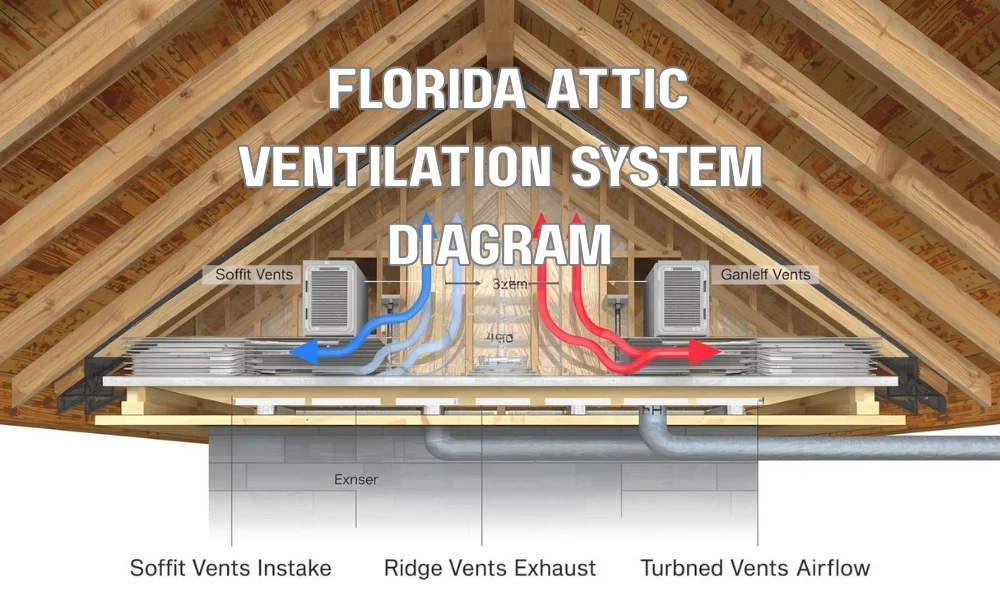
Florida homes typically utilize a combination of various roof vent types to achieve balanced and effective attic ventilation, each designed to facilitate different aspects of airflow. The most common types include soffit vents, which are intake vents installed along the eaves; ridge vents, which are exhaust vents running along the peak of the roof; gable vents, located on the end walls of the attic; turbine vents, which are wind-driven exhaust vents; and power vents, which use electricity to actively pull air out. A balanced system generally combines intake (e.g., soffit) with exhaust (e.g., ridge or turbine) for optimal performance.
| Vent Type | Primary Function | Average Cost (Installed) | Efficiency in Florida | Maintenance Needs |
|---|---|---|---|---|
| Soffit Vents | Intake (Cool Air) | $15 – $30 per linear foot | Excellent (Crucial intake) | Clear obstructions, pest screens |
| Ridge Vents | Exhaust (Hot Air) | $10 – $25 per linear foot | Excellent (Continuous exhaust) | Inspect for damage, shingle integrity |
| Gable Vents | Exhaust/Intake | $75 – $200 per unit | Good (Less effective than ridge/soffit combo) | Clean screens, paint/seal |
| Turbine Vents | Exhaust (Wind-Driven) | $100 – $300 per unit | Good (Reliant on wind) | Lubricate bearings, check rotation |
| Power Vents | Exhaust (Electric) | $200 – $500 per unit | Excellent (Active expulsion) | Motor check, thermostat calibration |
Regular Maintenance Checklist for Optimal Performance
How often should roof vents be inspected and cleaned?
Roof vents should be inspected at least twice a year, ideally in the spring and fall, to prepare for extreme summer heat and potential winter humidity. Following any significant weather event, such as a strong thunderstorm or hurricane, an immediate inspection is also highly recommended to check for damage or blockages. Regular cleaning schedules depend on environmental factors; however, a thorough cleaning annually or biennially is generally sufficient to prevent debris accumulation.
What are the key steps for DIY roof vent maintenance?
The key steps for DIY roof vent maintenance involve visual inspection, clearing obstructions, and checking for physical damage. Begin by safely inspecting all soffit, ridge, and other vents from the ground or a secure ladder, looking for any signs of animal nests, leaves, or other debris blocking openings. For soffit vents, gently clear any accumulated dust, dirt, or insulation that might impede airflow. For ridge and gable vents, ensure the screens are intact and free of insect nests. Always prioritize safety, especially when working at heights, and avoid walking on the roof if you are uncomfortable or if the roof is wet.
Critical Fact 2: Clogged soffit vents are a primary cause of insufficient attic ventilation, preventing crucial cool air intake and rendering exhaust vents significantly less effective.
When should I call a professional for roof vent maintenance?
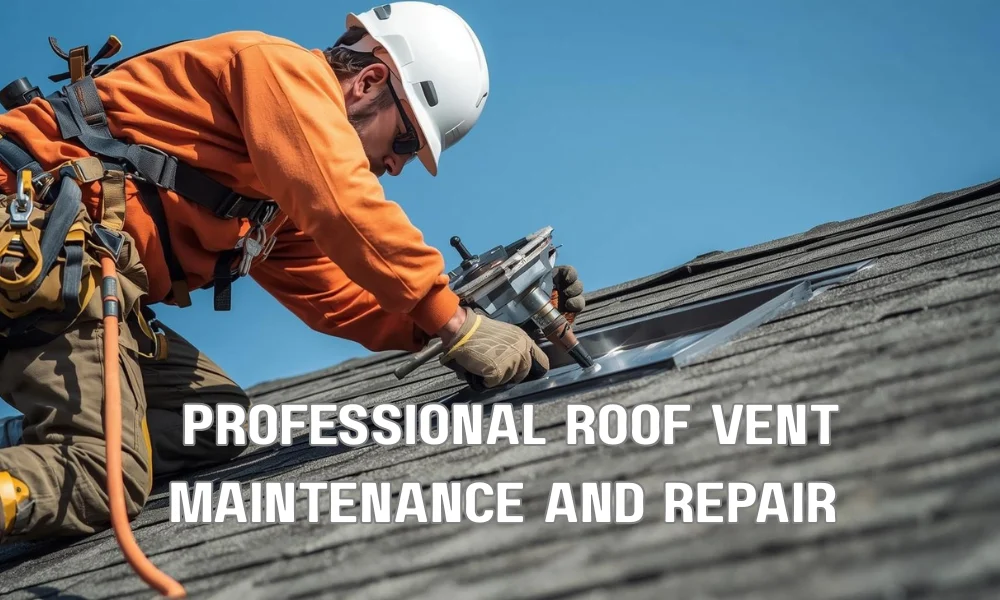
You should call a professional for roof vent maintenance whenever you observe significant damage to the vents or surrounding roofing, suspect widespread mold growth in the attic, or if you’re uncomfortable performing inspections or repairs at height. Professionals are also essential for diagnosing complex ventilation issues, such as an imbalanced system (insufficient intake or exhaust), and for ensuring new installations or repairs meet current building codes. If you notice persistent high energy bills despite your AC running constantly, or signs of moisture in the attic, a professional assessment is warranted.
Benefits of a Well-Maintained Roof Ventilation System
How does proper roof ventilation impact energy efficiency?
Proper roof ventilation dramatically impacts energy efficiency by allowing superheated air to escape the attic, which prevents it from radiating heat downwards into your conditioned living space. This directly reduces the workload on your air conditioning system, meaning it doesn’t have to run as frequently or as intensely to maintain comfortable indoor temperatures. The result is a noticeable decrease in electricity consumption, leading to lower monthly utility bills, a significant advantage in Florida’s year-round warm climate.
What are the long-term benefits of maintaining roof vents?
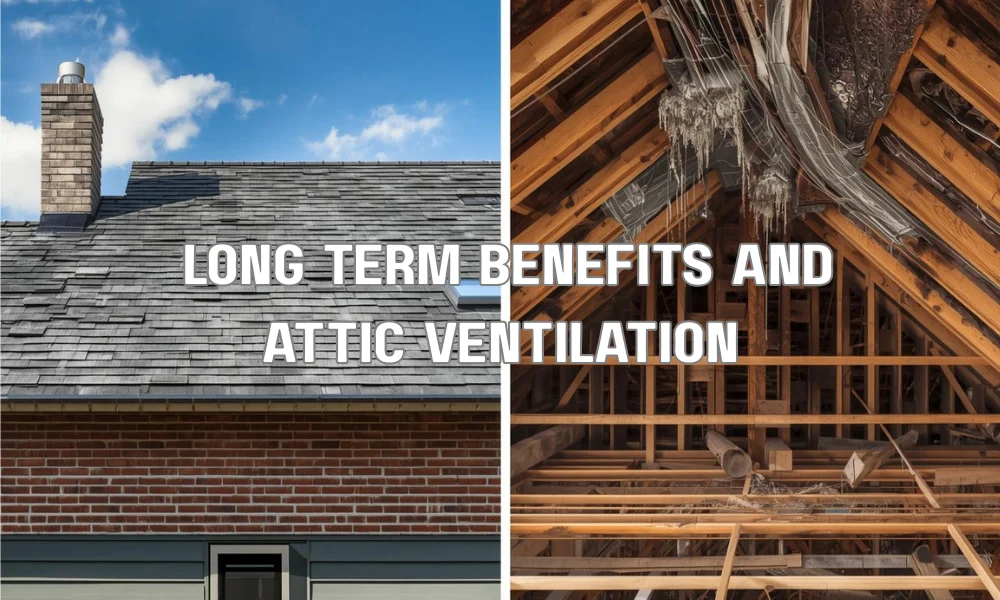
The long-term benefits of maintaining roof vents extend beyond immediate energy savings, encompassing the longevity and health of your entire home. A well-ventilated attic prevents premature aging of roofing materials like shingles, extending their lifespan by reducing heat-induced deterioration and preventing warping. It also mitigates moisture buildup, which is crucial for preventing wood rot, mold, and mildew growth in the attic, protecting insulation, rafters, and drywall. This comprehensive protection safeguards your home’s structural integrity, preserves indoor air quality, and maintains property value.
Critical Fact 3: In Florida, inadequate attic ventilation is a leading contributor to premature roof deterioration, often voiding shingle warranties and requiring costly replacements years ahead of schedule.
Frequently Asked Questions
What is the ideal temperature for a Florida attic with proper ventilation?
A well-ventilated attic in Florida should ideally remain within 10-20 degrees Fahrenheit of the outside ambient temperature. While it won’t be as cool as your conditioned living space, this temperature range indicates effective heat expulsion and reduced thermal transfer into your home.
Can improper roof ventilation cause mold in my home?
Yes, absolutely. Improper roof ventilation allows hot, humid air to become trapped in the attic, leading to condensation. This constant moisture, combined with warmth, creates a perfect environment for mold and mildew to grow on wood, insulation, and even migrate into living spaces.
How do I know if my existing roof vents are sufficient for my Florida home?
Signs of insufficient ventilation include consistently high attic temperatures, higher-than-normal energy bills, premature shingle curling or cracking, and visible moisture or mold in the attic. A professional inspection using thermal imaging can accurately assess your ventilation system’s efficiency.
Are powered attic ventilators more effective than passive vents in Florida?
Powered attic ventilators can be more effective at expelling hot air quickly, especially on still days with no wind. However, they consume electricity and can sometimes create a negative pressure that pulls conditioned air from the living space. A balanced system with sufficient passive intake (like soffit vents) is often the most energy-efficient solution.
How do hurricanes and tropical storms affect roof ventilation systems?
High winds during hurricanes and tropical storms can damage or rip off vent covers, dislodge ridge vents, or clog soffit vents with debris. Post-storm inspection is critical to ensure vents are intact and functioning to prevent moisture intrusion and maintain attic health.
Should I cover my roof vents during winter in Florida?
No, you should generally not cover roof vents in Florida, even during cooler months. While Florida winters are mild, some level of heat and humidity can still accumulate in the attic. Continuous airflow is essential year-round to prevent moisture buildup and maintain a healthy attic environment.
What role does attic insulation play with roof ventilation?
Attic insulation and roof ventilation work together. Insulation acts as a barrier to heat transfer, while ventilation removes the heat that penetrates. If insulation blocks soffit vents, it impedes proper airflow, making the ventilation system less effective regardless of insulation R-value.
Is cleaning roof vents a task I can do myself?
Many basic cleaning tasks, like clearing leaves or debris from soffit vents, can be done by a homeowner with proper safety precautions. However, cleaning or repairing vents on the roof itself should typically be left to professionals due to the inherent dangers of working at heights and potential roof damage.
