
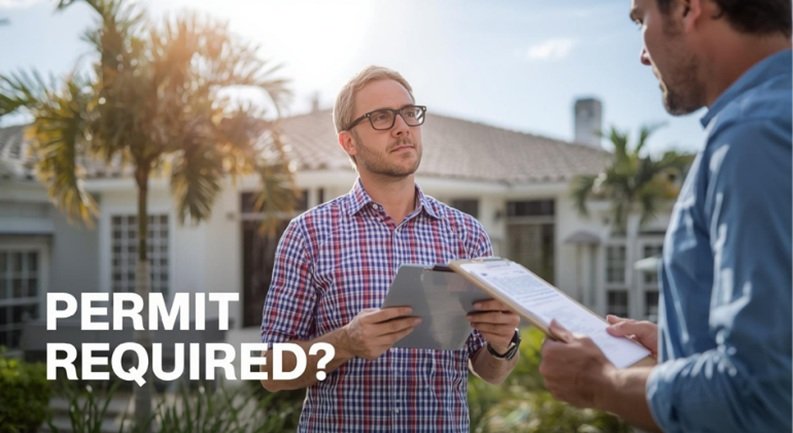
Do I Need a Permit to Replace My Roof in Fort Lauderdale?
As a homeowner or business owner in Fort Lauderdale, Hollywood, or anywhere across South Florida, navigating property maintenance and upgrades can feel complex. When it comes to your roof – your property’s first line of defense against our intense sun and formidable hurricane seasons – one question looms large: “Do I need a permit to replace my roof?”
At Shieldline Roofing, we can give you the short answer right away: Yes, almost certainly.
But beyond a simple yes, understanding why permits are mandatory, the critical protections they offer, and how to properly obtain one is essential. As your trusted, licensed roofing contractor and technical expert in South Florida, Shieldline Roofing is here to demystify the process, ensuring your project is not just completed, but completed safely, legally, and to the highest standards of the **Florida Building Code (FBC)**.
Key Takeaways
- Yes, Almost Always: A permit from the City of Fort Lauderdale is mandatory for most roof replacements.
- Safety & Compliance: Permits ensure your new roof meets Florida Building Code standards for safety, structural integrity, and hurricane resistance.
- Avoid Penalties: Skipping a permit can lead to fines, stop-work orders, difficulty selling your home, and potential insurance issues.
- Contractor’s Role: A licensed roofing contractor typically handles the permit application process on your behalf.
- Minor Repairs Differ: Small repairs might not require a permit, but full replacements almost certainly do.
[STAT] In 2023, roofing permits accounted for over 15% of all residential construction permits issued in Fort Lauderdale. This highlights the sheer volume of roofing work requiring official oversight.
[STAT] The average processing time for a residential roof replacement permit in Fort Lauderdale is 5-10 business days, assuming all documentation is complete. Planning ahead is crucial!
[STAT] Homes with unpermitted roof replacements can face up to a 20% decrease in appraised value until permits and inspections are retroactively completed. A significant financial risk to avoid.
Why Roof Replacement Permits are Non-Negotiable in South Florida
In a region prone to severe weather events, particularly hurricanes, the integrity of your roof isn’t just a matter of curb appeal; it’s a matter of safety, structural soundness, and compliance with stringent regulations. The City of Fort Lauderdale, like other municipalities in our **High-Velocity Hurricane Zone (HVHZ)**, requires permits for most roof replacements for very good reasons.
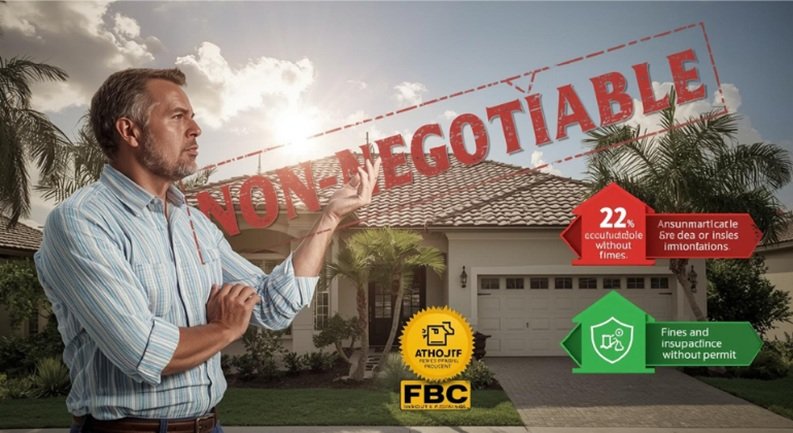
Ensuring Structural Integrity and Safety Against Hurricane Forces
A new roof isn’t just shingles; it’s a complex system designed to withstand incredible forces. A permit ensures that the materials used, the installation methods, and the underlying structure all meet rigorous standards set to protect your property and its occupants. In Fort Lauderdale, where even a tropical storm can cause significant damage, knowing your roof is built to code is paramount. This includes proper fastening, adherence to wind uplift requirements, and a robust **Secondary Water Barrier (SWB)** system.
Adherence to Florida Building Code (**FBC 2023**) and Wind Mitigation Standards
The **Florida Building Code (FBC)** is regularly updated, with the current iteration (**FBC 2023**) imposing strict requirements for roofing in hurricane-prone areas. A permit acts as an official declaration that your roofing project will comply with these codes, including specific wind-load requirements, material specifications, and installation techniques designed to enhance your roof’s resistance to high winds. Shieldline Roofing stays meticulously updated on all FBC changes to ensure every roof we install in Fort Lauderdale and Hollywood is 100% compliant.
Protecting Property Value and Future Resale in Fort Lauderdale
An unpermitted roof can be a significant liability when it comes time to sell your home. Potential buyers, appraisers, and home inspectors will scrutinize property records for proper permits and final inspections. A missing permit can lead to delays, negotiations, demands for retroactive permitting (which can be costly and complicated), or even a lost sale. By obtaining a permit, you protect your investment and maintain your property’s market value, signaling to future owners that your home is safe, compliant, and well-maintained.
The Substantial Risks of Skipping a Permit in Fort Lauderdale
While the permit process might seem like an extra step, bypassing it for a roof replacement in Fort Lauderdale or Hollywood carries substantial risks that far outweigh any perceived convenience. Shieldline Roofing strongly advises against this shortcut, as the consequences can be severe and long-lasting.
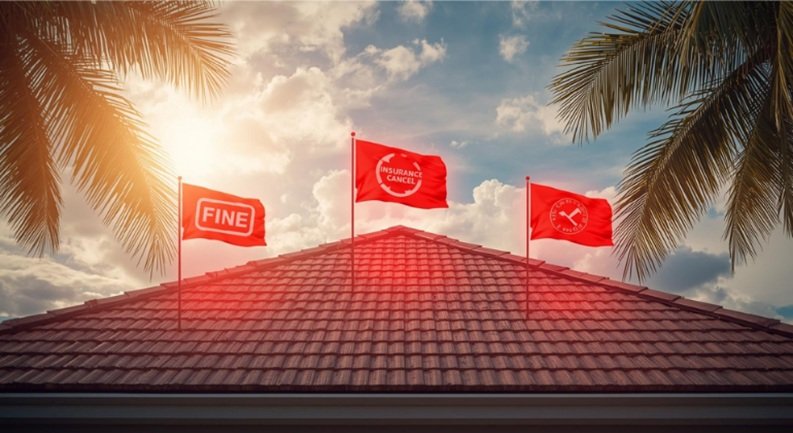
Hefty Fines, Stop-Work Orders, and Legal Ramifications
If the City of Fort Lauderdale Building Services Department discovers unpermitted work, you will likely face immediate fines, which can escalate daily. A **Stop-Work Order** will be issued, halting your project until permits are obtained, potentially leaving your home exposed to the elements. In addition to financial penalties, you may be required to uncover portions of the new roof for inspection or even entirely remove and replace it, incurring significant additional costs and legal headaches.
Jeopardizing Homeowner’s Insurance Claims and Coverage
One of the most critical risks in South Florida is the potential impact on your homeowner’s insurance. If your roof suffers storm damage (a common occurrence here) and it’s discovered that the previous replacement was unpermitted, your insurance provider can deny your claim. They may argue that the unpermitted work did not meet code, thus voiding coverage for damages. This can leave you personally liable for thousands, or even tens of thousands, of dollars in repairs or a full replacement.
[STAT] Over 70% of homeowner’s insurance claims related to roof damage in Florida require proof of proper permitting for replacement work. Don’t leave your protection to chance.
Significant Problems During Property Sale, Appraisal, and Refinancing
As mentioned, an unpermitted roof is a major red flag during real estate transactions. When selling, you may be forced to disclose the lack of a permit, potentially scaring off buyers or leading to significant price reductions. Appraisers will factor in the liability of unpermitted work, decreasing your home’s value. Even when refinancing, lenders will often require proof of permitted renovations, potentially delaying or denying your loan until the issue is resolved.
Navigating the Fort Lauderdale Roof Permit Application Process
While the idea of paperwork and municipal departments might seem daunting, Shieldline Roofing takes the lead in managing the permit application process for our clients. We streamline this critical step to ensure your Fort Lauderdale roof replacement project proceeds smoothly and compliantly.

Essential Documentation and Plans for Submission
To secure a roof replacement permit in Fort Lauderdale, specific documentation is required. This typically includes a detailed application form, a signed contract with a licensed roofing contractor, proof of contractor’s licensing and insurance, and sometimes a Notice of Commencement. Depending on the scope, detailed plans might be needed, outlining materials, wind mitigation strategies, and structural considerations. Our team at Shieldline Roofing prepares all necessary documents accurately, saving you time and stress.
Working with the Fort Lauderdale Building Services Department
The Fort Lauderdale Building Services Department is the primary authority for issuing permits. They review applications to ensure all proposed work meets local ordinances and the **Florida Building Code**. While their processes are thorough, an experienced contractor like Shieldline Roofing understands their requirements, submission protocols, and how to effectively communicate with permit technicians, expediting the review process.
Understanding Typical Review Timelines and Mandatory Inspections
Once submitted, your permit application will undergo a review. While timelines can vary, typical residential roof replacement permits in Fort Lauderdale can be processed within **5-10 business days**, provided all documentation is complete and accurate. Critically, after the permit is issued, a series of mandatory inspections will occur at different stages of the project (e.g., dry-in inspection, final inspection). These inspections verify that the work is being performed according to the approved plans and the **FBC**, ensuring quality and safety.
Repair vs. Replacement: When Does a Permit Become Necessary?
Not all roofing work requires a permit. Understanding the distinction between a minor repair and a full replacement is key to determining if you need to involve the City of Fort Lauderdale Building Services Department.
Distinguishing Between Minor Roofing Repairs and Full Replacements
A “repair” typically involves addressing a localized problem, such as replacing a few missing shingles, fixing a small leak, or mending a damaged section of flashing, without affecting a significant portion of the roof area or its underlying structure. A “replacement,” on the other hand, involves removing and replacing the existing roof covering over a substantial area, often the entire roof, or making structural changes to the roof system. The **Florida Building Code** and local Fort Lauderdale ordinances have specific definitions and thresholds for what constitutes a repair versus a replacement.
Understanding Permit Thresholds for Smaller-Scale Roofing Work
While specific thresholds can vary slightly by municipality, generally, if more than 25% of a roof section is being removed and replaced, or if any structural components are altered, a permit is required. Minor repairs that address less than 25% of a roof plane, especially those that don’t involve structural changes or a change in roofing material type, often do not require a permit. However, even for repairs, it’s crucial that the work adheres to FBC standards.
When in Doubt: Always Confirm with the City of Fort Lauderdale
The safest approach is always to err on the side of caution. If you’re unsure whether your roofing project – whether in Fort Lauderdale, Hollywood, or a surrounding South Florida community – requires a permit, contact the City of Fort Lauderdale Building Services Department directly or, better yet, consult with a reputable, licensed contractor like Shieldline Roofing. We can quickly assess your project and provide accurate guidance based on the latest local ordinances and **FBC** requirements.
Your Trusted Permit Partner: Choosing a Licensed Fort Lauderdale Roofing Contractor
For a project as critical as a roof replacement in our hurricane-prone region, the choice of your contractor is paramount. A licensed and insured professional is not just a roofer; they are your guide through the permit process and your assurance of a compliant, durable roof.

Why Proper Licensing and Insurance are Crucial for Florida Roofers
In Florida, a state license (**License #CBC1264879** for Shieldline Roofing) signifies that a contractor has met strict criteria for experience, knowledge of the **Florida Building Code**, and financial stability. Insurance (general liability and workers’ compensation) protects you from financial responsibility if an accident occurs on your property. Hiring an unlicensed contractor, a common issue in South Florida, puts you at extreme risk for substandard work, no recourse for issues, and personal liability for injuries. Always demand proof of current licensing and insurance.
How a Professional Contractor Streamlines the Permit Process
An experienced Fort Lauderdale roofing contractor like Shieldline Roofing understands the intricacies of the permit application process. We know exactly what documentation is required, how to fill it out correctly, and how to navigate the local building department. We handle all aspects of permit submission, follow-up, and scheduling of inspections, allowing you to focus on your daily life with peace of mind, knowing your project is in expert hands.
Verifying Your Contractor’s Credentials for Peace of Mind
Before entrusting your roofing project to anyone, always verify their credentials. You can check a contractor’s state license through the Florida Department of Business and Professional Regulation (DBPR) website. For Shieldline Roofing, you can easily find our **License #CBC1264879** on our website and through the DBPR. Don’t hesitate to ask for proof of insurance, references, and examples of their work in Fort Lauderdale and Hollywood. Your peace of mind is worth the due diligence.
FAQs About Roof Permits in Fort Lauderdale
How long is a roof permit valid in Fort Lauderdale?Typically, a roof permit in Fort Lauderdale is valid for 180 days from the date of issuance or from the last approved inspection, whichever is later. If no work or inspections occur within 180 days, the permit may become void, requiring reapplication or an extension.
Can I get the permit myself, or does my contractor have to?While a homeowner can technically pull a permit for their own primary residence (owner-builder exemption), it’s highly advisable to have a licensed roofing contractor do it. Contractors are familiar with the **Florida Building Code (FBC)**, local Fort Lauderdale ordinances, required documentation, and inspection processes. Shieldline Roofing always handles the permit process for our clients to ensure accuracy and compliance.
What is the estimated cost of a roof permit in Fort Lauderdale?Permit fees in Fort Lauderdale vary based on the scope and estimated value of the project. They typically include a base fee plus additional charges based on the square footage or declared value of the roofing work. These fees are usually a small percentage of the total project cost and are often included in your contractor’s proposal. Shieldline Roofing will provide a transparent breakdown of all costs, including permit fees.
What happens if I started my roof replacement without a permit?Starting a roof replacement without a permit in Fort Lauderdale can lead to a **Stop-Work Order**, significant fines, and potential requirements to uncover or even remove portions of the new roof for inspection. You may also face difficulty selling your home and issues with insurance claims. It is strongly recommended to halt work immediately and consult with a licensed contractor like Shieldline Roofing to guide you through the process of obtaining retroactive permits and inspections.
How often are roof inspections required during the permit process?For a full roof replacement in Fort Lauderdale, at least two inspections are typically required: a “dry-in” inspection after the old roof is removed and the underlayment and flashings are installed (before the final roof covering), and a “final” inspection after all work is completed. Additional inspections might be necessary depending on the complexity of the project or specific code requirements.
Will a permitted roof replacement impact my home insurance rates?A permitted and properly installed roof replacement, especially one that incorporates current **Florida Building Code** and wind mitigation standards, can often lead to lower homeowners insurance premiums. Many insurers offer discounts for features like a **Secondary Water Barrier (SWB)**, proper roof-to-wall attachments, and roofs installed to current **HVHZ** standards, as these reduce the risk of damage during storms. Ensure your contractor provides documentation for your insurer.
Don’t let permit complexities delay your essential roof replacement in Fort Lauderdale.
Shieldline Roofing is your expert partner, ensuring every step of your project, from permit application to final inspection, is handled with precision and in full compliance with the **Florida Building Code**.
