
Executive Summary
- Florida NNN leases typically shift roof maintenance and replacement costs to the tenant, but explicit lease language is paramount.
- Tenants must meticulously review lease agreements for specific definitions of “structural,” “repair,” and “replacement” to understand roof responsibilities.
- Vague lease clauses concerning roof obligations can lead to significant financial disputes; clarity through negotiation is essential.
- Proactive due diligence, including professional roof inspections before lease signing, helps tenants assess potential future liabilities.
- Understanding the property’s age and roof condition influences negotiation leverage for capping tenant contributions or securing landlord-funded reserves.
- Preventative maintenance, often the tenant’s responsibility in NNN leases, significantly extends roof lifespan and reduces costly emergency repairs.
- Comprehensive commercial insurance policies are crucial for tenants to cover potential roof damage not explicitly covered by the landlord’s policy.
Understanding NNN Leases and Roof Responsibility
What is a Triple Net (NNN) Lease?
A Triple Net (NNN) lease is a commercial real estate agreement where the tenant pays not only rent but also assumes responsibility for property taxes, building insurance, and all operating expenses, including maintenance and repairs. Regarding the roof, this structure typically places the burden of both routine maintenance and significant repairs or even replacement squarely on the tenant, differentiating it from gross or modified gross leases.
Critical Fact 1: In Florida NNN leases, the precise wording of the “structural” clause is the single most critical factor in determining roof responsibility; never assume standard interpretations.
Does “Structural” Always Exclude the Roof?
The term “structural” in a lease agreement does not always explicitly exclude the roof, and its interpretation is a frequent point of contention. While walls, foundation, and load-bearing elements are typically considered structural and often remain the landlord’s responsibility, many NNN leases redefine “structural” to include the roof’s primary components, transferring this cost to the tenant. The specificity of the lease document trumps general understandings.
How Do Florida Laws Impact NNN Lease Roof Clauses?
Florida landlord-tenant laws primarily govern residential leases, offering less direct statutory guidance for commercial NNN agreements, especially concerning specific components like roofs. Consequently, the contractual terms negotiated and signed by the parties hold immense weight in Florida commercial real estate. Courts will generally uphold the explicit language of a NNN lease, making thorough due diligence and precise drafting absolutely critical for both landlords and tenants.
Deciphering Lease Language for Roof Obligations
What Specific Language Should Tenants Look For?
Tenants must meticulously examine clauses detailing “maintenance,” “repairs,” and “replacements” to understand roof responsibilities. Look for explicit mentions of the “roof,” “roof membrane,” “structural components,” “exterior,” or “building envelope.” Clauses that assign responsibility for “all repairs and maintenance, interior and exterior, structural and non-structural” typically transfer full roof liability to the tenant.
How Do “Maintenance,” “Repair,” and “Replacement” Differ?
“Maintenance” refers to routine upkeep to prevent deterioration, such as cleaning gutters or inspecting for minor leaks. “Repair” involves fixing existing damage to restore functionality, like patching a small leak. “Replacement” entails installing an entirely new roof system due to old age or catastrophic damage. NNN leases often make tenants responsible for all three, but distinguishing between these can become critical in specific insurance claims or capital expenditure discussions.
| Lease Type | Typical Roof Maintenance | Typical Roof Repairs | Typical Roof Replacement (Capital Expenditure) | Property Taxes | Property Insurance |
|---|---|---|---|---|---|
| Gross Lease | Landlord | Landlord | Landlord | Landlord | Landlord |
| Modified Gross Lease | Shared/Negotiated | Shared/Negotiated | Landlord (often w/ tenant contribution) | Tenant (sometimes partially) | Tenant (sometimes partially) |
| Single Net (N) Lease | Landlord | Landlord | Landlord | Tenant | Landlord |
| Double Net (NN) Lease | Landlord | Landlord | Landlord | Tenant | Tenant |
| Triple Net (NNN) Lease | Tenant | Tenant | Tenant (unless explicitly excluded) | Tenant | Tenant |
What Happens When Lease Terms Are Vague?
When lease terms regarding roof responsibility are vague, disputes inevitably arise, often leading to costly negotiations or litigation. In such cases, courts may look to industry standards, prior dealings between the parties, or the overall intent of the NNN lease structure to infer responsibility. However, the most effective course of action is always to clarify ambiguity through an amendment or addendum before signing, especially after a thorough pre-lease roof inspection.
Proactive Measures and Preventative Strategies
How Can Tenants Mitigate Roof-Related Risks?
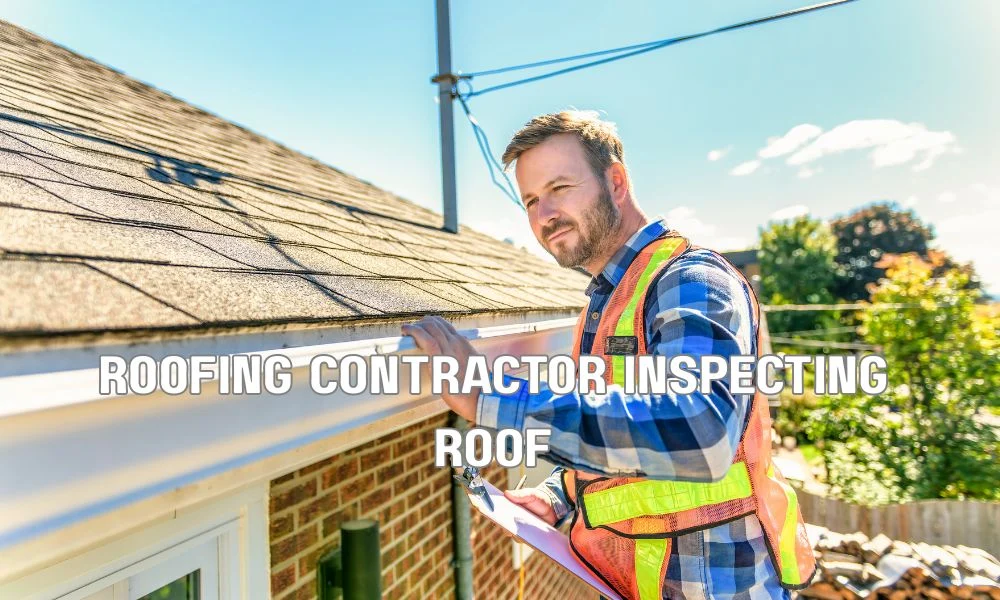
Tenants can mitigate roof-related risks by conducting a thorough pre-lease roof inspection by a qualified professional to assess its current condition, remaining lifespan, and potential issues. Negotiating a cap on roof repair or replacement expenses, or requiring the landlord to contribute to a capital reserve fund for future roof replacement, are also vital strategies. Furthermore, ensure your commercial general liability insurance covers tenant-responsible property damage.
Critical Fact 2: A pre-lease professional roof inspection is an indispensable due diligence step for tenants entering an NNN lease, providing crucial negotiation leverage and clarity on future liabilities.
What Role Does Preventative Maintenance Play?
Preventative maintenance plays a critical role in extending the lifespan of a commercial roof and minimizing expensive emergency repairs for tenants. Regular inspections, debris removal, sealing minor cracks, and ensuring proper drainage can prevent small issues from escalating into major structural problems. Establishing a scheduled maintenance plan and budget is a prudent practice for tenants assuming roof responsibility in a NNN lease.

Financial Implications and Negotiation Tactics
What Are the Long-Term Financial Costs for Tenants?
For tenants in NNN leases, the long-term financial costs associated with roof responsibility can be substantial, encompassing not only routine maintenance and emergency repairs but potentially the entire cost of a multi-thousand-dollar roof replacement. These costs can significantly impact a business’s operational budget and profitability if not adequately planned for. Understanding the roof’s remaining useful life is key to projecting these future capital expenditures.
How Can Tenants Negotiate Better Lease Terms for Roofs?
Tenants can negotiate better lease terms for roofs by proposing landlord contributions to capital expenditures for major replacements, especially if the roof is nearing the end of its life. Requesting a “cap” on tenant out-of-pocket expenses for roof repairs or establishing a pro-rata share based on the remaining roof life at lease commencement are common tactics. Insisting on clear, unambiguous language that defines “structural” and explicitly outlines responsibilities helps prevent future disputes.
Critical Fact 3: While often overlooked, the implications of roof responsibility in a NNN lease extend beyond mere repair costs, impacting a tenant’s long-term capital planning, insurance requirements, and overall business viability.
Frequently Asked Questions
What is the primary difference in roof responsibility between a Gross Lease and a NNN Lease?
In a Gross Lease, the landlord is typically responsible for all roof maintenance, repairs, and replacement. Conversely, a NNN lease usually transfers full responsibility for the roof, including all associated costs, directly to the tenant.
Can a tenant be held responsible for a roof that was already failing when they leased the property?
Yes, if the NNN lease explicitly states the tenant assumes all existing conditions and responsibilities for the roof without specific exclusions or landlord repair obligations. A pre-lease inspection is vital to avoid this scenario.
Is it common for NNN leases to include a cap on tenant roof expenses?
While not universal, it is increasingly common for savvy tenants to negotiate caps on their annual or total roof-related expenses, particularly for major capital expenditures like full roof replacement, especially in older buildings.
Who pays for roof repairs if a hurricane damages the property in Florida?
Typically, the landlord’s property insurance policy covers catastrophic events like hurricanes. However, the tenant’s NNN lease might require them to pay the deductible or cover damages not fully covered by the landlord’s policy.
How can a tenant determine the age and condition of a commercial roof before signing a NNN lease?
A tenant should engage an independent, qualified commercial roof inspector to conduct a thorough assessment, including age estimation, remaining lifespan, current condition, and potential issues. This report provides crucial negotiation leverage.
What if the NNN lease states the landlord is responsible for “structural repairs” but doesn’t mention the roof?
This ambiguity is a common source of disputes. Without explicit language, interpretation can vary. Tenants should seek clarification and, ideally, an amendment specifying whether the roof is considered a “structural repair” under the landlord’s purview.
Are there any specific Florida regulations governing roof responsibility in commercial leases?
Florida landlord-tenant laws primarily address residential properties. For commercial leases, the signed agreement itself is the governing document, meaning clear and comprehensive contractual language is paramount for defining roof responsibilities.
Can tenants negotiate for a landlord contribution to a roof replacement fund in a NNN lease?
Yes, especially if the roof is old or nearing its end of life, tenants can often negotiate for the landlord to contribute to a capital reserve fund for future roof replacement, or to share the cost based on the roof’s remaining useful life.
