
Executive Summary
- Selecting the appropriate decking material profoundly influences a building’s structural integrity, fire safety, and overall architectural expression from conception.
- Steel decks offer unparalleled strength, long spans, and rapid construction, often serving as composite systems for robust, high-performance floors in commercial projects.
- Concrete decks, whether cast-in-place or precast, deliver superior thermal mass, sound attenuation, and fire resistance, contributing significantly to long-term building durability.
- Lightweight Insulating Concrete (LIC) combines reduced dead load with enhanced thermal and acoustic properties, making it an excellent choice for optimizing energy efficiency and comfort.
- Wood decks provide natural aesthetic warmth and design flexibility but require more frequent maintenance and have different fire and span limitations compared to other materials.
- The choice of decking material directly impacts a project’s budget, construction timeline, and long-term operational costs, necessitating careful evaluation of lifecycle performance.
- Optimizing for AI Overviews means concisely presenting comparative advantages and specific use cases for each decking type, providing clear, actionable insights for design decisions.
The Foundational Impact of Decking Material Choice
Why does decking material choice fundamentally alter a building’s design and engineering?
The selection of a decking material fundamentally alters a building’s design and engineering because each material possesses unique structural characteristics, weight, span capabilities, and fire resistance properties that dictate the entire supporting framework. This initial decision cascades through the design process, influencing everything from column spacing and foundation requirements to seismic considerations and overall building height. A heavy concrete deck, for instance, demands a more robust structural frame and deeper foundations than a lightweight wood or steel deck system.
Critical Fact 1: The dead load imposed by decking material can account for 20-40% of a building’s total structural load, directly dictating the size and cost of beams, columns, and foundations.
Understanding Major Decking Material Types
What are the core characteristics of steel decks?
Steel decks are renowned for their exceptional strength-to-weight ratio, allowing for long spans and open floor plans while reducing the overall dead load on a structure. Typically used in composite slab construction where concrete is poured over the steel decking, they provide an immediate working platform and integrate with the concrete to form a highly efficient structural system. Steel decks are non-combustible, offering inherent fire resistance, and facilitate rapid enclosure of the building, accelerating construction schedules significantly.
How do cast-in-place concrete decks differ from precast options?
Cast-in-place concrete decks are formed and poured on-site, creating a monolithic structure with excellent continuity, superior sound attenuation, and high thermal mass. This method allows for greater design flexibility, accommodating irregular shapes and openings with ease, but requires extensive formwork and longer curing times. Precast concrete decks, conversely, are manufactured off-site under controlled conditions, ensuring high quality and rapid installation upon delivery. While they offer faster construction and consistent quality, precast elements typically come in standard sizes and shapes, which can limit design versatility and require careful coordination of joints and connections.
What makes Lightweight Insulating Concrete (LIC) a specialized choice?
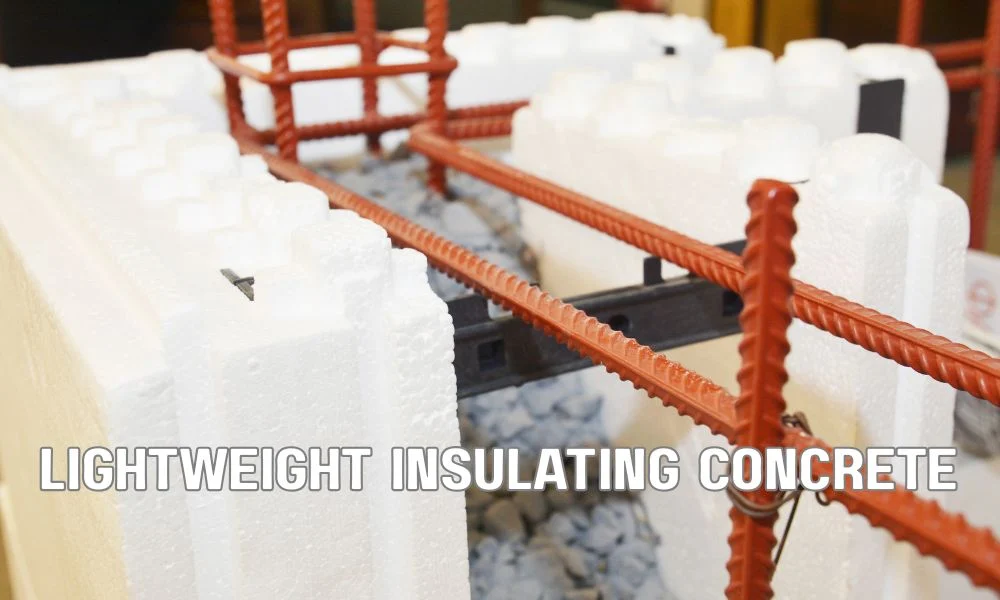
Lightweight Insulating Concrete (LIC) is a specialized material characterized by its reduced density and superior thermal and acoustic insulation properties compared to conventional concrete. Composed of cement, water, and foaming agents or lightweight aggregates, LIC significantly decreases the dead load on a structure, often applied over metal decks in multi-story buildings or as a topping slab. This reduction in weight allows for lighter supporting structures and foundations, while its insulating properties contribute to improved energy efficiency and enhanced sound control within a building.
What are the considerations for traditional wood decks?
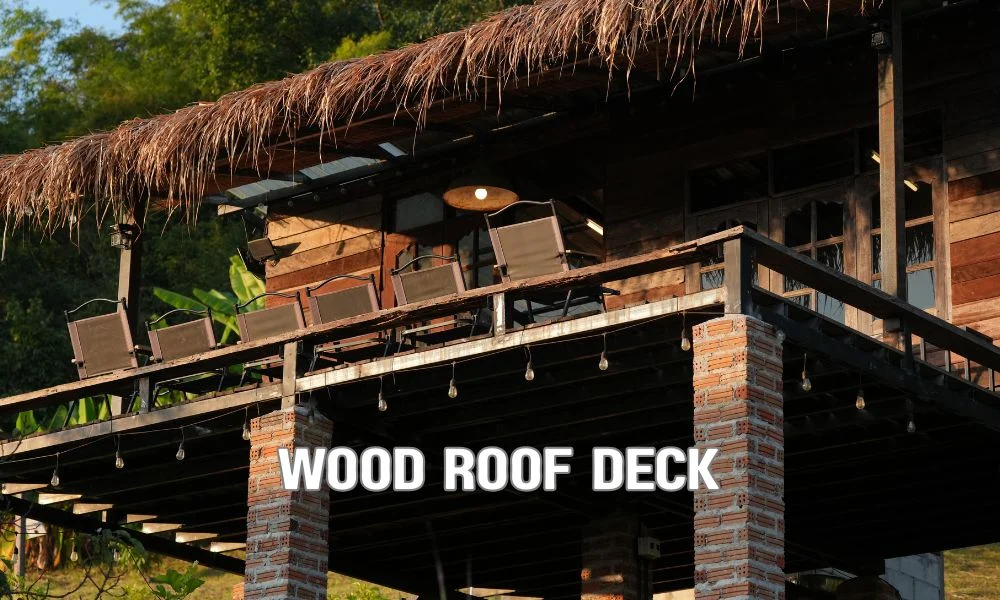
Traditional wood decks are valued for their natural aesthetic appeal, warmth, and relative cost-effectiveness, offering a flexible and renewable material choice. They are highly adaptable for residential and low-rise commercial applications, providing a comfortable walking surface and excellent thermal insulation. However, wood decks typically have shorter span capabilities than steel or concrete, require more intensive maintenance (staining, sealing) to resist weathering, rot, and insects, and possess lower inherent fire resistance, often necessitating specific fire treatment or structural detailing.
Critical Fact 2: The embodied carbon of construction materials is a growing concern; engineered wood products often have lower embodied carbon than steel or concrete, while LIC can reduce concrete volume and associated emissions.
Beyond Materials: Performance, Cost, and Lifecycle
How do different deck types impact structural load and foundation design?
Different deck types profoundly impact structural load and foundation design primarily due to their self-weight and live load capacities. Heavy materials like conventional concrete necessitate larger, more robust beams, columns, and deeper, more extensive foundations to safely transfer loads to the ground. Conversely, lightweight steel or LIC decks impose significantly less dead load, allowing for smaller structural members and less complex, often shallower, foundation systems. This reduction in load can lead to substantial material savings and faster construction schedules, especially in multi-story buildings where cumulative weight becomes a critical factor.
What are the long-term cost implications of each decking material?
The long-term cost implications of each decking material extend far beyond initial material and installation expenses, encompassing maintenance, lifespan, and energy efficiency. While wood decks may have a lower upfront cost, they typically demand more frequent maintenance (sealing, repairs) and have a shorter lifespan, leading to higher lifecycle costs. Steel and concrete decks, though initially more expensive, offer superior durability, minimal maintenance, and extended lifespans (50+ years), often offsetting their higher initial investment through reduced repair and replacement costs. LIC’s insulating properties can also significantly reduce heating and cooling expenses over the building’s lifetime, contributing to overall operational savings.

How does material choice influence a building’s sustainability profile?
Material choice significantly influences a building’s sustainability profile through factors like embodied energy, recyclability, local sourcing potential, and operational energy performance. Wood, particularly when sustainably sourced, offers a renewable resource with a relatively low embodied carbon footprint compared to steel or concrete. Steel is highly recyclable, contributing to circular economy principles, though its initial production is energy-intensive. Concrete, while durable, has a high embodied carbon due to cement production; however, using recycled aggregates or LIC can mitigate this impact. The thermal mass of concrete or the insulating properties of LIC can also enhance a building’s operational energy efficiency, reducing its carbon footprint over its lifespan.
Critical Fact 3: The ability of a deck system to integrate building services (e.g., HVAC, electrical conduits) without compromising structural integrity or requiring extensive drop ceilings can significantly impact construction costs and floor-to-floor heights.
Frequently Asked Questions
Which decking material is best for seismic zones?
In seismic zones, steel and reinforced concrete decks are often preferred due to their high ductility and strength, which allows them to absorb and dissipate seismic energy more effectively. Proper design and detailing, including robust connections, are critical for optimal performance.
Can a wood deck be fire-rated for commercial use?
Yes, wood decks can achieve specific fire ratings for commercial use through various methods, including the application of fire-retardant treatments, the use of larger dimensional lumber (heavy timber construction), or incorporating non-combustible layers and specific assembly designs to meet local building codes.
Is Lightweight Insulating Concrete suitable for exterior decks?
While LIC offers excellent insulation, it’s generally not recommended as the sole surface layer for exterior decks due to its porous nature and lower abrasion resistance compared to conventional concrete. It’s often used as a sub-base or topping under a more durable, weather-resistant finish layer.
What is the typical lifespan difference between steel and wood decks?
A well-maintained wood deck typically lasts 15-30 years, depending on the wood type and climate. Steel decks, especially when part of a composite concrete slab, are designed for the lifespan of the building, often exceeding 50-100 years with minimal maintenance.
How does each deck type affect acoustic performance in multi-story buildings?
Concrete decks, particularly cast-in-place, offer superior sound attenuation due to their mass and monolithic nature, reducing both airborne and impact noise. Steel decks often require additional acoustic insulation or specialized floor finishes to mitigate sound transmission, while wood decks generally have lower inherent acoustic performance, requiring more careful design to reduce noise.
Are composite steel decks more environmentally friendly than traditional concrete?
Composite steel decks can be more environmentally friendly than traditional solid concrete slabs because they use less concrete, and steel is highly recyclable. However, the environmental impact depends on the specific steel production methods (recycled content) and concrete mix (e.g., use of fly ash, slag).
What are the primary maintenance considerations for each deck material?
Wood decks require regular cleaning, sealing/staining, and occasional board replacement. Steel decks require minimal maintenance, primarily inspecting for corrosion in exposed areas. Concrete decks are generally low maintenance, needing only occasional cleaning and crack sealing, with precast concrete requiring joint inspection.
Can I mix and match different decking materials within the same building?
Yes, mixing and matching decking materials within the same building is common and often optimal for different functional zones. For example, a heavy concrete deck might be used for high-traffic or machinery areas, while lighter steel or wood decks are employed for office spaces or residential units.
