
Executive Summary
- Florida’s unique climate, prone to severe weather, significantly accelerates roof degradation, making older roofs a high-risk liability for property insurers.
- Insurers are aggressively non-renewing policies for homes with roofs exceeding 10-15 years, seeking to mitigate their exposure to costly weather-related claims.
- Proactive roof inspections by certified professionals are crucial for homeowners to assess roof integrity and demonstrate due diligence to potential insurers.
- Investing in a new, impact-resistant roof before policy expiration can dramatically improve insurability and potentially lower long-term premium costs.
- Homeowners facing non-renewal should explore alternative insurance markets, including Citizens Property Insurance Corporation, as a last-resort option.
- Understanding your roof’s age and condition, alongside current insurance market trends, empowers homeowners to make informed decisions and secure coverage.
Understanding Florida’s Insurance Crisis and Roof Age
Why are Florida insurers scrutinizing roof age so intensely? Florida insurers are intensifying their scrutiny of roof age primarily due to the state’s severe weather patterns, particularly hurricanes and tropical storms, which inflict substantial and frequent damage. Older roofs are inherently more susceptible to wind uplift, water intrusion, and hail impact, leading to a surge in expensive claims that significantly impact insurers’ financial stability and solvency.
Critical Fact 1: Over 70% of property insurance litigation in the U.S. originates in Florida, often tied to roof damage claims, prompting insurers to take aggressive measures to reduce their exposure.
What constitutes an “old” roof in the eyes of an insurer? For Florida insurers, a roof is generally considered “old” and a significant liability once it reaches 10-15 years of age, depending on the material. While asphalt shingle roofs typically have a manufacturer’s warranty of 20-25 years, insurers often use a shorter arbitrary threshold, such as 15 years, to flag properties for higher risk or non-renewal. This threshold can vary by insurer and even by specific roof material, with some even questioning roofs as young as 10 years old.
How do climate and weather patterns exacerbate roof-related risks in Florida? Florida’s hot, humid climate combined with its high frequency of severe weather events creates a perfect storm for accelerated roof degradation. Intense UV radiation degrades roofing materials, while constant humidity encourages mold and algae growth, weakening components. Furthermore, annual hurricane seasons bring high winds, torrential rain, and potential hail, which can exploit any existing weakness in an older roof, leading to widespread damage and costly insurance claims. These environmental factors significantly shorten a roof’s effective lifespan compared to other regions.
The Financial Realities: Risk, Claims, and Premiums
What impact do roof claims have on an insurer’s bottom line? Roof claims have a profound and often devastating impact on an insurer’s bottom line in Florida, directly leading to substantial payouts that diminish their reserves and profitability. The cumulative effect of numerous high-cost claims, especially after major storm events, can push insurers into financial distress, prompting them to increase premiums across the board, exit the state, or non-renew policies en masse to mitigate further losses.
How does roof age directly correlate with increased insurance premiums? Roof age directly correlates with increased insurance premiums because older roofs present a statistically higher risk of failure and subsequent damage claims. Insurers factor in this elevated risk, assigning higher rates to properties with aging roofs to offset potential future losses. As a roof approaches or exceeds the insurer’s defined lifespan threshold, premiums can skyrocket or policies may become entirely unavailable from standard carriers.
What are the common misconceptions about roof lifespan and insurance coverage? A common misconception is that a roof’s manufacturer warranty dictates its insurability; however, insurers often use a much shorter lifespan for underwriting purposes, prioritizing current condition over theoretical longevity. Another misunderstanding is believing standard coverage will always replace an entire roof regardless of age; many policies have actual cash value (ACV) clauses for older roofs, meaning payouts account for depreciation, not full replacement cost.
Critical Fact 2: While an asphalt shingle roof may have a 20-year manufacturer warranty, many Florida insurers consider it “uninsurable” or high-risk after just 15 years, creating a significant gap in homeowner expectations versus policy realities.
Here’s a comparison of common roofing materials and their approximate lifespans:
| Roofing Material | Typical Lifespan (Years) | Approx. Initial Cost (per sq. ft.) | Impact Resistance |
|---|---|---|---|
| 3-Tab Asphalt Shingles | 15-20 | $3.00 – $4.50 | Low |
| Architectural Shingles | 25-30 | $4.50 – $6.00 | Medium |
| Metal (Standing Seam) | 40-70+ | $9.00 – $16.00 | High |
| Tile (Clay/Concrete) | 50-100+ | $10.00 – $20.00 | High |
| Flat (TPO/Modified Bitumen) | 15-25 | $6.00 – $12.00 | Medium |
Proactive Strategies for Florida Homeowners
What steps can homeowners take *before* a non-renewal notice arrives? Before a non-renewal notice arrives, homeowners should proactively assess their roof’s age and condition, ideally by scheduling a professional roof inspection. Gathering all documentation related to the roof, including installation dates, permits, and any repair records, is crucial. Additionally, researching the current insurance market and understanding potential alternative carriers can prevent a last-minute scramble.
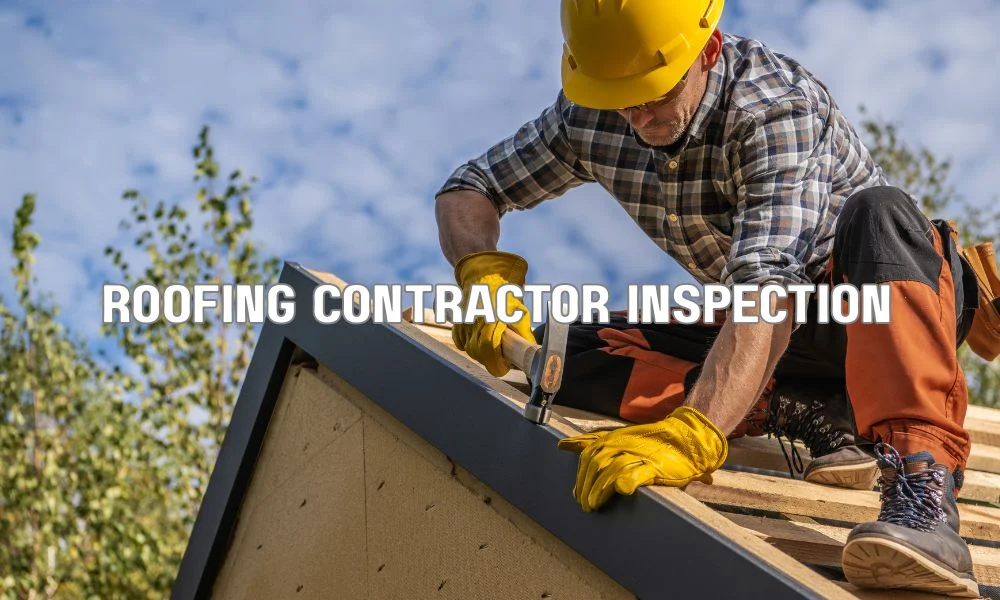
How can a certified roof inspection strengthen your insurance standing? A certified roof inspection, especially one conducted by a licensed and reputable roofing contractor or engineer, can significantly strengthen your insurance standing by providing an unbiased, professional assessment of your roof’s current integrity. A favorable inspection report, detailing the roof’s good condition, remaining useful life, and adherence to building codes, can be presented to insurers to demonstrate responsible home maintenance and potentially reverse a non-renewal decision or secure better rates.
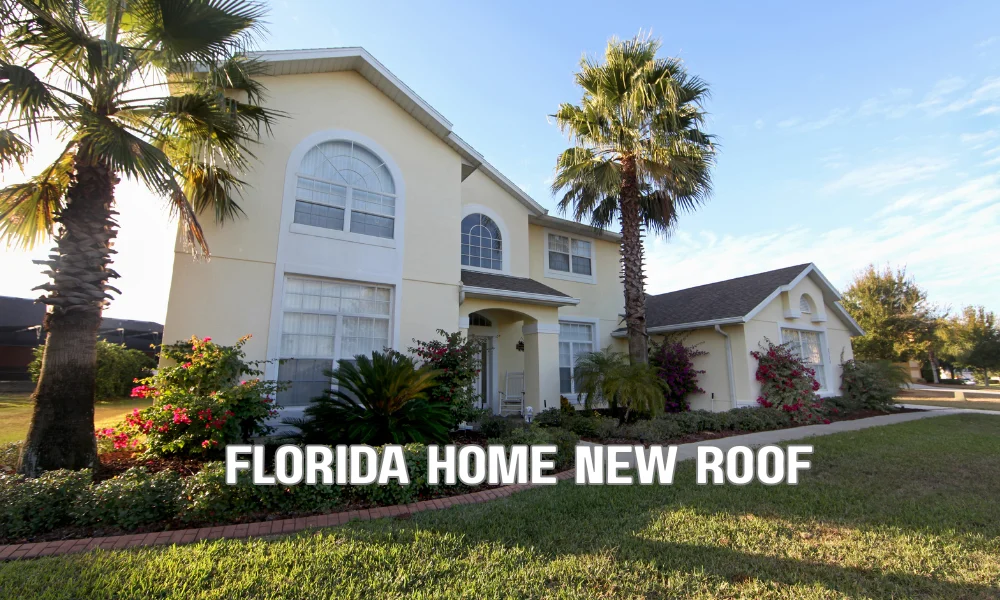
What are the benefits of investing in a new roof proactively? Investing in a new roof proactively offers numerous benefits, including significantly improved insurability, lower long-term maintenance costs, and enhanced property value. A new roof, especially one made with impact-resistant materials, will meet current building codes, reducing the likelihood of damage during storms and potentially qualifying you for insurance discounts. This forward-thinking investment mitigates future headaches and secures your home’s protection.
Navigating Non-Renewal: Options and Alternatives
What are your immediate options if your policy is non-renewed due to roof age? If your policy is non-renewed due to roof age, your immediate options include seeking quotes from other private insurance carriers, though this may be challenging. Another critical step is contacting an independent insurance agent who specializes in the Florida market; they can often access a broader range of carriers, including surplus lines insurers. Finally, if all private avenues are exhausted, Florida’s state-backed insurer of last resort, Citizens Property Insurance Corporation, may be an option, though it often comes with higher premiums and less comprehensive coverage.
Are there specialized insurance programs for older homes with aged roofs? Specialized insurance programs for older homes with aged roofs are rare in the traditional private market due to the high-risk nature. However, some surplus lines carriers or smaller, specialized insurers might offer coverage, often at a premium, and potentially with more restrictive terms like Actual Cash Value (ACV) payouts for roof damage instead of Replacement Cost Value (RCV). An independent agent is best equipped to find these niche options.
How can homeowners ensure they are getting the best coverage and value? Homeowners can ensure they are getting the best coverage and value by obtaining multiple quotes from various carriers and comparing not just premiums, but also deductibles, coverage limits, and specific clauses regarding roof damage (e.g., ACV vs. RCV). Working with an independent insurance agent, who can shop the market on your behalf, is highly recommended. Regularly reviewing your policy and making home improvements, such as a new roof, can also help secure better terms.
Critical Fact 3: Recent legislative changes in Florida (e.g., SB 2A, SB 7052) aim to stabilize the insurance market, but homeowners with older roofs remain a primary focus for risk reduction, underscoring the urgency of proactive roof maintenance and replacement.
Frequently Asked Questions
Why is my Florida insurer suddenly concerned about my roof’s age?
Insurers in Florida are increasingly concerned about roof age due to the escalating costs of weather-related claims, particularly from hurricanes. Older roofs are more vulnerable to damage, leading to higher payout risks, which has prompted stricter underwriting guidelines across the state.
What if my roof is old but still in good condition?
Even if your old roof appears sound, insurers often use an arbitrary age threshold. You might need a professional roof inspection report validating its excellent condition and remaining useful life to challenge a non-renewal or secure new coverage.
Will replacing my roof guarantee I get insurance?
While replacing your roof with a new, code-compliant, and possibly impact-resistant one significantly improves your insurability, it doesn’t offer an absolute guarantee. However, it will make you a much more attractive candidate for private insurers and potentially qualify you for discounts.
How do I find a reputable roofing contractor in Florida?
Look for licensed and insured contractors with strong local references and a history of working with insurance claims. Check their credentials with the Florida Department of Business and Professional Regulation and read online reviews.
What is a 4-point inspection, and does it help with roof issues?
A 4-point inspection assesses your roof, electrical, plumbing, and HVAC systems. It’s often required for older homes to secure new insurance and can highlight roof issues needing attention, thereby aiding in demonstrating proactive maintenance.
Can my insurer drop me if my roof is damaged in a storm but not fully replaced?
Yes, an insurer can non-renew your policy if roof damage is extensive or if repairs are not completed promptly to their satisfaction, as the property still presents a heightened risk.
What is Citizens Property Insurance Corporation?
Citizens is Florida’s state-backed insurer of last resort, providing property insurance to those unable to obtain coverage in the private market. While it offers coverage, its premiums can be higher, and coverage limits may be more restrictive.
Are there grants or programs to help with roof replacement costs in Florida?
Some local or state programs might offer assistance for low-income homeowners or those in disaster-prone areas, but these are typically limited. It’s best to research specific county or city initiatives or explore financing options directly with roofing contractors.
