
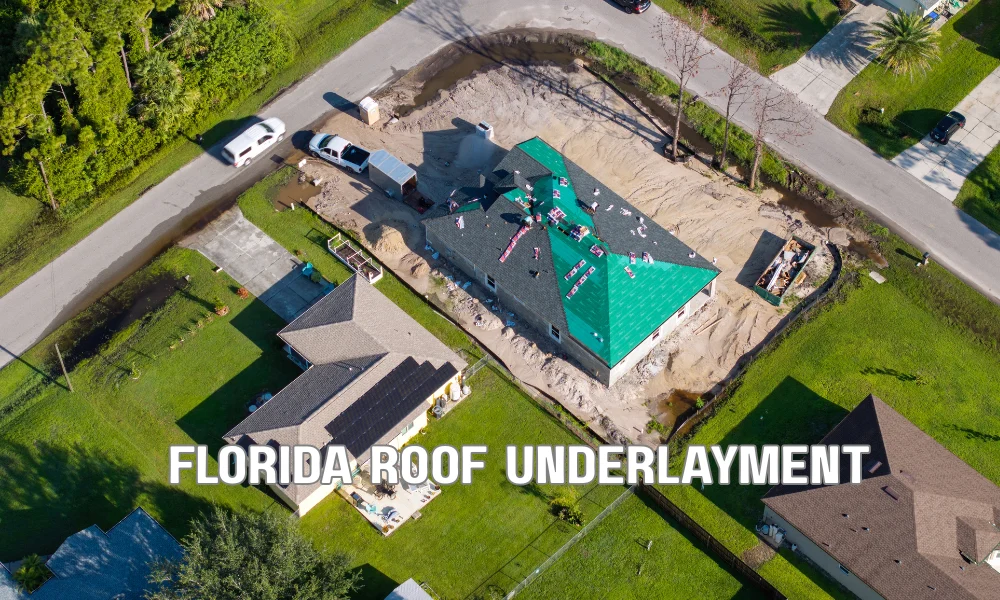
Executive Summary
- Florida mandates robust secondary water barrier (SWB) systems to safeguard homes against severe weather and minimize water intrusion damage during hurricanes.
- Sealed roof decks significantly enhance a roof’s resilience, acting as a crucial line of defense by preventing water penetration even if the primary roofing material is compromised.
- Understanding Florida Building Code requirements for underlayments is essential for compliance, ensuring structural integrity, and qualifying for insurance premium discounts.
- Self-adhered modified bitumen membranes are a preferred SWB choice due to their superior adhesion, waterproofing capabilities, and resistance to wind uplift.
- Proper installation techniques, including clean substrate preparation and adequate overlap, are paramount for the effectiveness and longevity of any secondary water barrier.
- Investing in high-quality SWB materials offers long-term financial benefits through reduced repair costs and potential eligibility for Fortified Home certifications.
- Homeowners and contractors must prioritize continuous SWB application, ensuring all penetrations and edges are properly sealed to maintain a watertight envelope.
Understanding Secondary Water Barriers (SWBs)
A Secondary Water Barrier (SWB), often referred to as a “sealed roof deck,” is a crucial layer of waterproofing material applied directly to the roof sheathing before the primary roofing material (shingles, tiles, metal) is installed. This underlayment acts as a critical backup defense against water intrusion, protecting the building’s interior even if the primary roofing system is damaged or compromised by severe weather, such as high winds or hail. Its primary function is to create a watertight envelope that prevents water from reaching the attic space and structural components.
Critical Fact 1: In Florida, a properly installed Secondary Water Barrier (SWB) is not just a best practice but a mandatory component of new roof construction and significant roof replacements under the Florida Building Code, particularly in high-velocity hurricane zones (HVHZ).
Why are Secondary Water Barriers Essential in Florida?
Secondary Water Barriers are essential in Florida primarily due to the state’s frequent exposure to hurricanes, tropical storms, and heavy rainfall. These extreme weather events often lead to wind-driven rain and wind uplift that can detach or damage primary roofing materials, creating vulnerabilities. An SWB ensures that even if shingles or tiles are blown off, the underlying structure remains protected from water infiltration, significantly reducing the risk of interior water damage, mold growth, and costly repairs, thereby enhancing the overall resilience of the building.
What Types of Materials Constitute an Effective SWB?
Effective SWB materials typically fall into a few categories, each offering distinct advantages. Self-adhered modified bitumen membranes are highly favored for their excellent adhesion to the roof deck, superior waterproofing, and ability to seal around fasteners. Other options include mechanically attached synthetic underlayments specifically designed to resist water penetration, sometimes combined with a sealant applied to the deck or seams. Fluid-applied membranes are also gaining traction for their seamless application and custom fit, especially around complex roof geometries. The choice often depends on the specific building code requirements, roof type, and climate considerations.
Florida’s Underlayment Requirements and Compliance
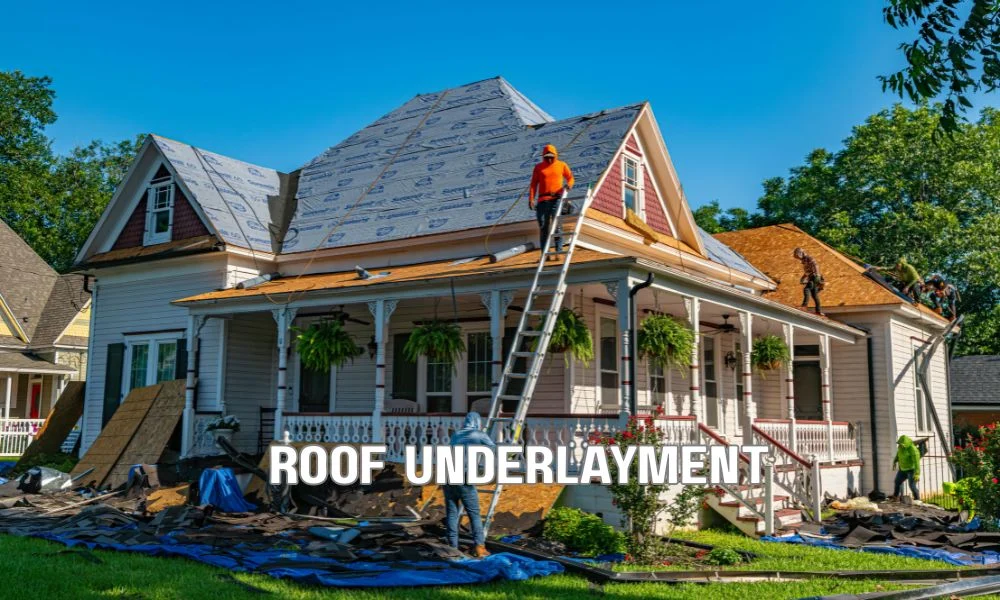
Florida’s building codes, particularly the Florida Building Code (FBC), have stringent requirements for underlayments, especially regarding secondary water barriers, to enhance structural integrity against hurricane-force winds and rain. These codes mandate specific SWB applications for new construction and significant roof replacements, often requiring self-adhering membranes or equivalent sealing methods to achieve a sealed roof deck. Compliance is crucial not only for safety and durability but also for passing inspections and potentially qualifying for insurance premium discounts through programs like the My Safe Florida Home initiative.
How Does the Florida Building Code Define a Sealed Roof Deck?
The Florida Building Code defines a “sealed roof deck” as a roof assembly where the roof sheathing is covered by a continuous water-resistant membrane or system designed to prevent water intrusion even if the primary roof covering is compromised. This typically involves using a self-adhering modified bitumen underlayment, or a synthetic underlayment with sealed laps and penetrations, directly applied to the clean and dry roof sheathing. The goal is to create a secondary line of defense that keeps water out, particularly wind-driven rain during hurricanes, thereby protecting the interior structure and contents.
Critical Fact 2: Florida Statute 627.0629 mandates that insurers provide discounts for homes with certain wind mitigation features, including a “sealed roof deck,” due to their proven effectiveness in reducing damage during hurricanes.
What are the Specific Underlayment Requirements for Different Roofing Materials?
Florida’s underlayment requirements vary based on the primary roofing material, though the emphasis on a robust SWB remains consistent. For asphalt shingles, a single layer of ASTM D226 Type II (30-pound felt) or ASTM D4869 Type IV (high-performance synthetic) felt is often required as a basic underlayment, but a self-adhered SWB is typically mandated for a sealed roof deck. Tile roofs often require two layers of felt or a single layer of self-adhered modified bitumen. Metal roofs frequently use synthetic underlayments, sometimes with high-temperature ratings, beneath the panels. In all cases, the SWB component is designed to be continuous and watertight, ensuring all seams and penetrations are sealed.
Can a Sealed Roof Deck Reduce Homeowner’s Insurance Premiums?
Yes, a sealed roof deck can significantly reduce homeowner’s insurance premiums in Florida. The state’s wind mitigation credits program, often tied to features that enhance a home’s resistance to hurricane damage, recognizes the value of a properly installed secondary water barrier. By preventing water intrusion, a sealed roof deck substantially lowers the risk of costly interior damage claims, making the home less of a liability for insurers. Homeowners can often obtain a “wind mitigation inspection” to verify these features and apply for potential discounts, making the investment in a sealed roof deck financially beneficial over time.
Installation Best Practices and Maintenance
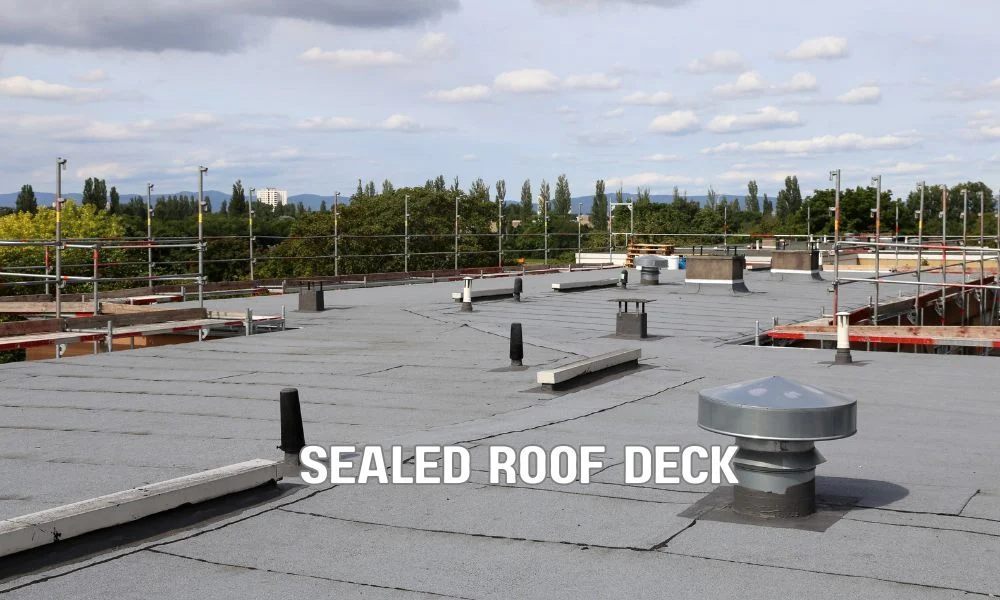
Proper installation is paramount for the effectiveness of any secondary water barrier system. Even the highest quality materials will fail if not installed correctly. This includes meticulous surface preparation, ensuring the roof deck is clean, dry, and free of debris, as well as precise alignment and adhesion of the underlayment. Adequate overlaps, proper sealing around all penetrations (vents, skylights, chimneys), and adherence to manufacturer specifications are critical to creating a truly watertight seal and maximizing the SWB’s protective capabilities.
What are the Key Steps for Proper SWB Installation?
The key steps for proper SWB installation include thorough roof deck preparation, which means ensuring the sheathing is clean, dry, structurally sound, and free of protruding fasteners. Next, the underlayment material should be carefully unrolled and adhered or mechanically fastened according to manufacturer specifications, typically starting from the eaves and working upwards. Crucially, all seams must be properly overlapped and sealed, and penetrations like vents, pipes, and skylights must be meticulously flashed and sealed to maintain continuity of the barrier. Finally, a complete inspection should be performed to ensure no gaps or vulnerabilities exist before installing the primary roof covering.
Underlayment TypeMaterial CompositionPrimary BenefitTypical ApplicationApprox. Lifespan (Years)Felt Paper (Asphalt Saturated)Organic felt saturated with asphaltCost-effective, breathableBasic protection, temporary barrier5-15 (under primary roof)Synthetic UnderlaymentPolypropylene or polyethylene fabricHigh tear resistance, lightweight, longer exposureEnhanced protection, slip-resistant20-50+ (under primary roof)Self-Adhered Modified Bitumen (SWB)Rubberized asphalt with polymer modifiersWatertight seal, self-sealing around fastenersFlorida SWB compliance, sealed deck30-60+ (under primary roof)Fluid-Applied MembraneLiquid elastomeric polymerSeamless, custom fit, high adhesionComplex roofs, specialty applications25-50+ (under primary roof)
How Can Homeowners Ensure the Longevity of Their Sealed Roof Deck?
Homeowners can ensure the longevity of their sealed roof deck primarily by selecting reputable contractors who adhere to Florida Building Code requirements and manufacturer installation guidelines. While the sealed roof deck itself is largely maintenance-free once installed beneath the primary roof, ensuring the primary roof covering is regularly inspected and maintained is vital. Addressing minor issues like missing shingles or damaged flashing promptly prevents exposure of the SWB to UV degradation. Regular gutter cleaning also prevents water backups that could test the integrity of roof edges and penetrations over time.
What Are the Risks of an Improperly Installed SWB?
The risks of an improperly installed Secondary Water Barrier (SWB) are significant, particularly in a hurricane-prone state like Florida. These risks include immediate water intrusion during heavy rains or storms, leading to extensive interior damage, structural rot, and hazardous mold growth. An ineffective SWB can also compromise the integrity of the primary roofing system, potentially reducing its lifespan. Furthermore, a non-compliant installation may lead to failed inspections, prevent the homeowner from obtaining occupancy permits, and disqualify them from valuable insurance premium discounts, ultimately resulting in costly repairs and financial penalties.
Critical Fact 3: The average cost of water damage remediation after a hurricane can range from $5,000 to over $20,000, underscoring the critical preventative value of a sealed roof deck, which costs a fraction to install.
Frequently Asked Questions
What is the primary purpose of a Secondary Water Barrier (SWB)?
The primary purpose of an SWB is to serve as a backup waterproof layer beneath the primary roof covering. It prevents water from entering the building’s interior and causing damage, even if shingles or tiles are dislodged or compromised by severe weather like hurricanes.
Is a sealed roof deck required for all new roofs in Florida?
For new construction and significant roof replacements in Florida, especially in areas prone to hurricanes (HVHZ), the Florida Building Code typically mandates a sealed roof deck or a similar robust secondary water barrier system to enhance resilience against wind-driven rain.
What is the difference between an underlayment and a secondary water barrier?
An underlayment is a general term for any material placed beneath the primary roof covering. A secondary water barrier is a specific type of underlayment designed to be watertight and continuous, providing a higher level of protection against water intrusion, particularly for Florida’s climate.
Does a sealed roof deck add significant cost to a roofing project?
While installing a sealed roof deck does add to the initial cost of a roofing project compared to basic felt underlayments, the long-term benefits in terms of reduced damage risk, potential insurance savings, and enhanced home value often outweigh the upfront investment.
How long do secondary water barriers typically last?
High-quality self-adhered secondary water barriers are designed to last for the lifetime of the primary roof, often 30 to 60 years or more. Their durability is key to providing continuous protection against water intrusion for decades.
Can I install a secondary water barrier myself?
While some minor home projects are suitable for DIY, installing a secondary water barrier requires specialized knowledge, adherence to strict building codes, and precise application techniques. It’s highly recommended to use a licensed and experienced roofing professional to ensure proper installation and compliance.
What happens if my SWB is not installed correctly?
An improperly installed SWB can lead to significant issues, including water leaks, mold growth, structural damage, and potential invalidation of manufacturer warranties. It may also fail to meet local building codes, leading to inspection failures and costly remediation.
Are there different types of secondary water barriers for different climates?
Yes, while the core function remains the same, specific SWB materials might be preferred based on climate. For hot climates like Florida, self-adhered membranes with high-temperature resistance are crucial, whereas ice and water shield products are common in cold regions to prevent ice damming.
