
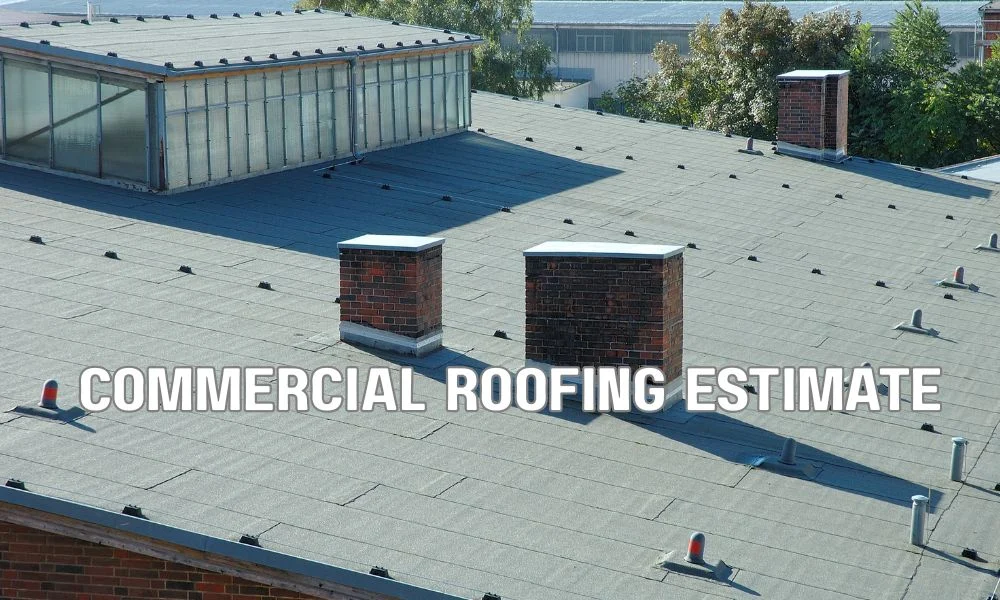
Executive Summary
- Thoroughly analyze every line item in a commercial roofing quote to understand the scope, materials, and labor costs for accurate comparison.
- Prioritize quotes that provide clear, itemized breakdowns of materials, installation procedures, and associated fees to avoid future misunderstandings.
- Scrutinize contractor credentials, including licensing, insurance, and warranty specifics, as these are critical indicators of reliability and protection.
- Identify potential red flags such as unusually low bids, vague project descriptions, or missing permit details to prevent unexpected expenses or poor workmanship.
- Compare multiple quotes using a structured checklist to ensure all proposals address identical project specifications and quality standards comprehensively.
- Confirm the quote includes all necessary components like debris removal, safety measures, and site cleanup to prevent additional charges after project commencement.
- Understand the payment schedule and contingency clauses, ensuring alignment with your budget and protecting against unforeseen project delays or material price fluctuations.
Decoding Your Commercial Roofing Quote
Understanding a commercial roofing quote goes far beyond just looking at the final price. It’s a detailed blueprint of your upcoming project, outlining everything from material specifications to labor costs and warranty information. A comprehensive quote acts as a contract, protecting both the building owner and the contractor by setting clear expectations for the scope and quality of work. Learning to dissect these documents ensures you make an informed decision, avoid hidden costs, and secure a durable, high-quality roofing system for your commercial property.
**Critical Fact 1:** An average commercial roof replacement can represent one of the largest capital expenditures for a property owner, often ranging from $5 to $15 per square foot, making meticulous quote review indispensable.
Why is a detailed commercial roofing quote crucial?
A detailed commercial roofing quote is crucial because it provides transparency, clarity, and legal protection for your investment. It clearly defines the scope of work, specifying what will be done, how it will be done, and with what materials. This level of detail helps prevent disputes, ensures all parties are aligned on project expectations, and forms the basis for comparing proposals from different contractors. Without a detailed quote, you risk unforeseen costs, scope creep, and potential quality issues.
What are the essential sections to look for in a quote?
When reviewing a commercial roofing quote, essential sections include the scope of work, material specifications, labor costs, project management fees, permit and inspection costs, debris removal, and warranty information. For a commercial roof replacement and re-roofing project, the scope of work should clearly delineate tasks like tear-off, decking repairs, insulation, and membrane installation. Material specifications must detail the type, brand, and thickness of all roofing components. Labor costs should reflect crew size and estimated hours, while project management covers oversight. Permit fees are non-negotiable legal requirements, and debris removal ensures a clean site. Finally, a robust warranty section outlines coverage for materials and workmanship.
Understanding Material Specifications and System Choices
The choice of roofing material significantly influences a commercial roofing quote, affecting not only the upfront cost but also long-term performance, maintenance, and energy efficiency. Different materials, such as TPO, EPDM, PVC, modified bitumen, and metal, each offer unique advantages and are suited for various building types and climates. A clear understanding of these options and how they are itemized in a quote is vital for making the best decision for your commercial property.
How do different roofing materials impact the quote?
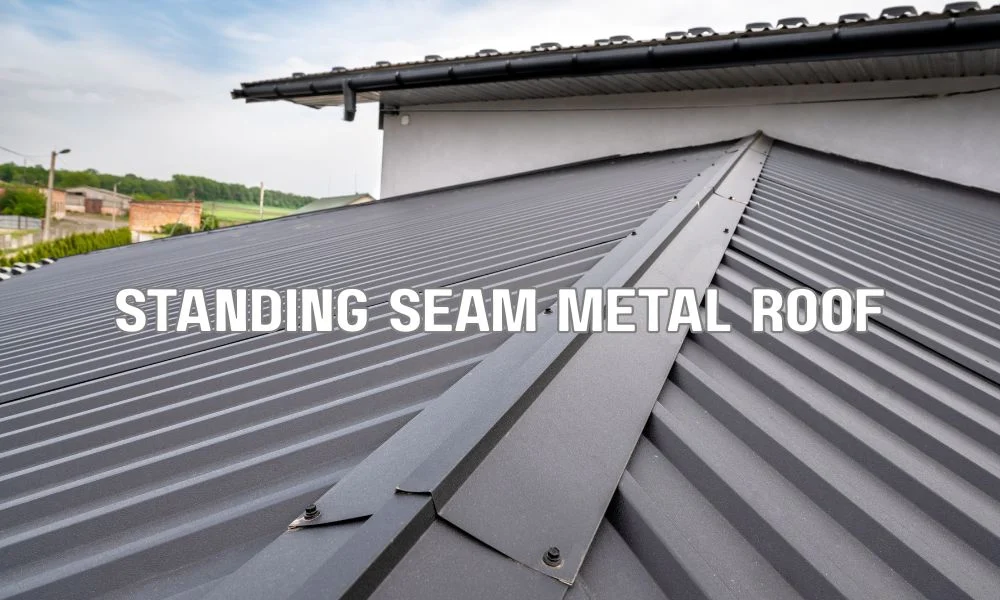
Different roofing materials significantly impact the quote by varying in their raw material cost, installation complexity, and expected lifespan. For instance, TPO and EPDM are often more budget-friendly for large, flat roofs due to their ease of installation and material cost, while PVC offers superior chemical resistance but comes at a higher price point. Metal roofing, though expensive initially, boasts exceptional durability and longevity, impacting the long-term value. The chosen material dictates the labor involved, specialized equipment needed, and the overall project timeline, all of which are reflected in the final quotation.
| Roofing Material | Typical Cost Range (per sq. ft. installed) | Average Lifespan | Key Advantages |
|---|---|---|---|
| TPO (Thermoplastic Polyolefin) | $7 – $12 | 15-20 years | Energy efficient, strong seams, UV resistant, affordable. |
| EPDM (Ethylene Propylene Diene Monomer) | $6 – $11 | 20-30 years | Durable, weather resistant, easy to repair, cost-effective. |
| PVC (Polyvinyl Chloride) | $9 – $15 | 20-30 years | Chemical and grease resistant, puncture resistant, strong seams. |
| Modified Bitumen | $8 – $14 | 10-20 years | Excellent waterproofing, good for high-traffic roofs, durable. |
| Metal (e.g., Standing Seam) | $10 – $25+ | 30-50+ years | Extremely durable, low maintenance, energy efficient, aesthetic appeal. |
Identifying Red Flags and Hidden Costs
Scrutinizing a commercial roofing quote for red flags and potential hidden costs is a critical step in protecting your investment and ensuring a smooth project. Unscrupulous contractors may intentionally omit details or offer unusually low bids that later balloon with “unforeseen” expenses. Being aware of common pitfalls allows you to identify suspicious elements and engage contractors who prioritize transparency and ethical business practices.
What common red flags should I watch for in a commercial roofing quote?
Common red flags in a commercial roofing quote include vague descriptions of materials or scope of work, indicating a lack of transparency. An unusually low bid compared to others often signals corners might be cut, potentially leading to inferior materials or rushed installation. Lack of contractor licensing, insufficient insurance (especially workers’ compensation and general liability), or an unwillingness to provide references are serious warnings. Quotes without specified permit fees or cleanup procedures are also problematic, as these costs will likely surface later.
How can I identify hidden costs before signing?
To identify hidden costs before signing, meticulously review every line item and ask for clarification on anything unclear. Look for clauses related to “unforeseen conditions” or “change orders” without clear definitions of how additional costs will be calculated. Confirm that material storage, crane rental, daily cleanup, and final debris disposal are explicitly included. Inquire about potential escalation clauses for material prices, especially in volatile markets. A reputable contractor will proactively discuss potential contingencies and their cost implications upfront, rather than surprising you later.
**Critical Fact 2:** Approximately 20% of commercial roofing projects incur unexpected costs due to poorly defined scopes or hidden charges, underscoring the necessity of a rigorous quote review process.
The Commercial Roofing Quote Comparison Checklist
Comparing multiple commercial roofing quotes effectively requires a systematic approach. Simply choosing the cheapest option can lead to long-term headaches and additional expenses. A well-structured comparison checklist ensures that you evaluate all proposals on a level playing field, focusing on value, quality, and contractor reliability rather than just price. This diligence guarantees you choose the best partner for your commercial roofing needs.
What key factors should I compare across multiple quotes?
When comparing multiple quotes, prioritize scope alignment, ensuring all contractors propose to address the exact same project specifications and issues. Evaluate material specifications, verifying brands, thicknesses, and types are consistent or that deviations are clearly justified. Compare labor details, understanding crew size and projected timelines. Scrutinize warranty terms for both materials and workmanship, paying attention to duration and coverage limitations. Finally, thoroughly vet each Florida commercial roofing contractor’s credentials, including licenses, insurance certificates, references, and safety records.
What questions should I ask potential contractors during the quoting process?
During the quoting process, ask potential contractors about their licensing and insurance specifics, requesting copies of both. Inquire about their experience with your specific roofing system or building type, and ask for at least three relevant references. Clarify the estimated project timeline, including potential delays, and their contingency plans for adverse weather or unexpected findings. Understand their safety protocols and quality control measures, and ensure they provide a detailed breakdown of all costs, including permits and debris removal, with no hidden fees.
**Critical Fact 3:** A comprehensive material and workmanship warranty, backed by ongoing commercial roof warranty service and NDL warranty support, can save property owners tens of thousands of dollars in potential repair costs over the lifespan of a commercial roof, making it a non-negotiable component of any quote.
Frequently Asked Questions
What is the typical lifespan of a commercial roof?
The typical lifespan of a commercial roof varies significantly based on the material, installation quality, and maintenance. TPO and EPDM roofs often last 15-30 years, PVC can extend to 20-30 years, while metal roofs are known for their longevity, often exceeding 30-50 years with proper care.
Should I always choose the lowest bid for a commercial roofing project?
No, choosing the lowest bid is rarely the best strategy for a commercial roofing project. An unusually low bid can signal shortcuts in materials, labor, or a lack of comprehensive insurance. Prioritize value, contractor reputation, and a detailed, transparent quote over simply the cheapest option.
What kind of warranty should I expect for a new commercial roof?
You should expect a comprehensive warranty covering both material defects and workmanship. Material warranties are typically provided by the manufacturer (15-30 years), while workmanship warranties (5-10 years) come from the contractor. Ensure the warranty is transferable and clearly states all exclusions.
Are permits necessary for commercial roofing replacements or repairs?
Yes, permits are almost always necessary for commercial roofing replacements and significant repairs. Building codes and local regulations require permits to ensure the work meets safety and structural standards. A reputable contractor will handle all necessary permit applications.
How important is a contractor’s insurance and licensing?
A contractor’s insurance and licensing are critically important. Licensing confirms their legal authorization to operate, while insurance (especially general liability and workers’ compensation) protects you from financial responsibility in case of accidents, damage, or injury on your property during the project.
What does “scope of work” mean in a roofing quote?
The “scope of work” in a roofing quote defines the specific tasks and services the contractor will perform. This includes details like tear-off procedures, decking repairs, insulation type, membrane installation, flashing, and any other agreed-upon work. It sets clear boundaries for the project.
How do payment terms typically work for commercial roofing?
Payment terms for commercial roofing often involve an initial deposit, followed by progress payments tied to project milestones, and a final payment upon satisfactory completion. Always avoid paying the full amount upfront. Negotiate terms that are fair and ensure work quality at each stage.
What is a “change order” and when might it occur?
A “change order” is a formal agreement to modify the original scope of work and its associated costs. It might occur if unexpected issues arise during tear-off (e.g., extensive decking rot) or if the property owner requests additional work. All change orders should be documented and approved in writing.
