
Executive Summary
- Evaluating roof life-cycle cost involves assessing long-term value, not just upfront expenses, to prevent future financial strain.
- High-quality materials often present a higher initial cost but deliver superior durability, extended lifespan, and reduced maintenance, significantly lowering total ownership costs.
- Energy-efficient roofing systems are a critical investment, contributing to substantial savings on heating and cooling bills over the roof’s entire operational duration.
- Proactive maintenance and timely repairs are paramount; neglecting these aspects can drastically shorten roof life and inflate unforeseen repair or replacement expenditures.
- Understanding the total cost of ownership (TCO) empowers informed decision-making, ensuring your roofing choice aligns with your budget and long-term property value goals.
- Material warranties and installer guarantees play a vital role in mitigating risks and protecting your investment against premature failure or installation defects.
- Disposal costs at end-of-life should be factored into TCO analysis, as certain materials are more expensive to remove and dispose of sustainably.
Understanding Roof Life-Cycle Cost Analysis
What is Roof Life-Cycle Cost Analysis (LCCA)?
Roof Life-Cycle Cost Analysis (LCCA) is a comprehensive evaluation method that considers all costs associated with a roofing system over its entire expected lifespan, not just the initial purchase and installation price. This holistic approach includes installation, maintenance, energy consumption, financing, disposal, and potential replacement costs, providing a true economic picture of a roofing investment. LCCA helps property owners make financially sound decisions by comparing different roofing options based on their long-term monetary impact rather than short-term savings.
Critical Fact 1: The initial installation cost typically represents only 10-20% of a roof’s total life-cycle cost, with maintenance, energy, and future repairs comprising the majority.
Why is Initial Cost Deceptive for Roofing Decisions?
Initial cost is deceptive for roofing decisions because it fails to account for the crucial long-term expenses and benefits that accumulate over decades. While a “cheaper” roof might save money upfront, it often comes with a shorter lifespan, higher maintenance demands, inferior energy efficiency, and a greater likelihood of needing premature repairs or replacement. This results in a significantly higher total cost of ownership (TCO) compared to a roof with a higher initial price tag but superior durability and performance. Focusing solely on the lowest bid without considering LCCA can lead to repeated expenditures and unforeseen financial burdens.
Key Factors Influencing Roof Total Cost of Ownership (TCO)
How do Material Costs Impact TCO Beyond Installation?
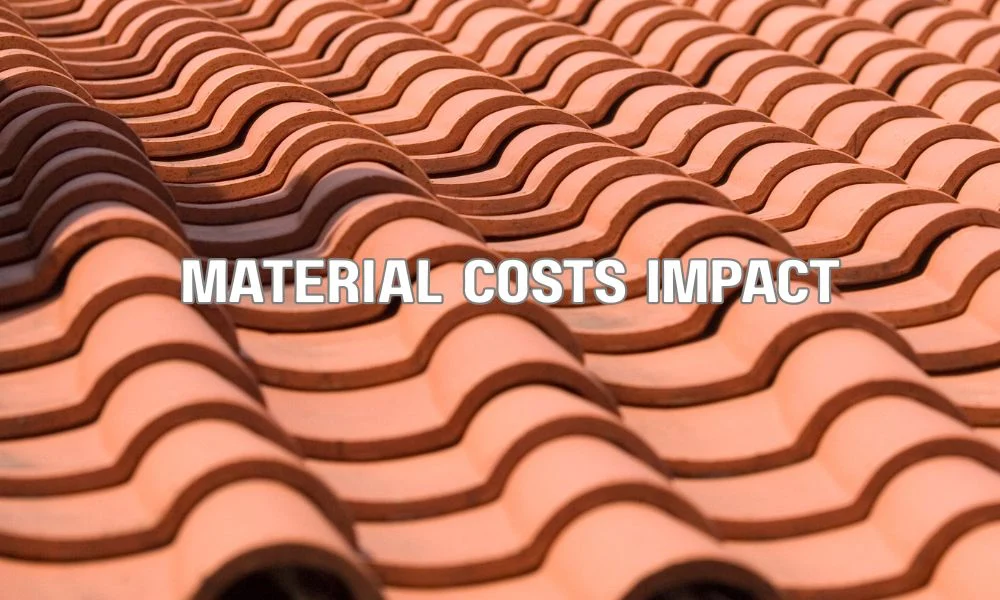
Material costs significantly impact TCO far beyond the initial installation by influencing durability, maintenance needs, and energy efficiency over decades. Higher-quality materials, while more expensive initially, typically boast longer lifespans and greater resistance to weather, reducing the frequency and cost of repairs and replacements. Conversely, cheaper materials may require more frequent maintenance, earlier replacement, and could suffer damage more easily, leading to recurring costs that quickly surpass initial savings. The inherent properties of the material directly correlate to its long-term performance and the financial demands it places on the owner.
What Role Does Maintenance Play in Long-Term Roofing Expenses?
Maintenance plays a critical role in long-term roofing expenses by directly influencing a roof’s longevity and performance. Regular, proactive maintenance, such as inspections, cleaning, and minor repairs, can prevent small issues from escalating into costly major damages, extending the roof’s lifespan significantly. Neglecting maintenance, however, often leads to accelerated deterioration, voided warranties, and expensive emergency repairs or premature replacement, drastically increasing the overall TCO. Investing in structured commercial roof maintenance and preventative maintenance programs for a quality roof often proves more economical than continuous reactive fixes on a cheaper, less durable alternative.
How Does Energy Efficiency Affect Your Roof’s TCO?
Energy efficiency profoundly affects your roof’s TCO by directly impacting your building’s heating and cooling costs over many years. A roof with good insulating properties and reflective surfaces can significantly reduce the amount of heat absorbed or lost through the roof, leading to lower energy consumption and substantial utility bill savings. Conversely, a poorly insulated or dark-colored roof in a hot climate can increase internal temperatures, forcing HVAC systems to work harder and consume more power, thereby inflating the TCO through higher operational costs. Choosing an energy-efficient roof is a strategic investment that generates ongoing financial returns.
Critical Fact 2: Reflective or “cool” roofs can reduce peak cooling demand by 10-15% and lower surface temperatures by up to 50 degrees Fahrenheit, translating into significant energy savings.
| Material Type | Avg. Initial Cost/Sq. Ft. (Installed) | Avg. Lifespan (Years) | Maintenance Level | Energy Efficiency (Avg.) | Estimated TCO Factor (Relative) |
|---|---|---|---|---|---|
| Asphalt Shingles | $3.00 – $6.00 | 15 – 30 | Moderate | Low to Moderate | High (due to shorter lifespan/replacement) |
| Metal Roofing (Steel/Aluminum) | $7.00 – $14.00 | 40 – 70 | Low | High (reflective) | Moderate to Low |
| Clay/Concrete Tile | $8.00 – $18.00 | 50 – 100+ | Low to Moderate | High (thermal mass) | Low |
| EPDM/TPO (Commercial) | $4.00 – $10.00 | 20 – 30 | Low | Moderate to High (TPO often reflective) | Moderate |
| Slate | $15.00 – $40.00+ | 100 – 200+ | Very Low | Moderate to High | Very Low (despite high initial cost) |
Comparing Roofing Material Lifespans and Durability
Which Roofing Materials Offer the Longest Lifespan?
Materials such as slate, clay or concrete tile, and certain metal roofing systems typically offer the longest lifespans, often exceeding 50 years and potentially lasting over a century with proper care. Slate roofs are renowned for their incredible durability, routinely performing for 100-200 years. Tile roofs also offer exceptional longevity, frequently lasting 50-100 years. High-quality metal roofs can last 40-70 years, significantly outperforming asphalt shingles. These materials justify their higher initial investment through decades of reliable service and minimal replacement cycles.
How Do Environmental Factors Influence Roof Longevity and TCO?
Environmental factors profoundly influence roof longevity and TCO by subjecting materials to varying degrees of stress and degradation. Extreme temperatures, intense UV radiation, heavy precipitation, high winds, and hail can accelerate wear and tear, necessitating more frequent repairs or premature replacement. For instance, a roof in a hail-prone region will benefit from impact-resistant materials, while a sunny climate demands UV-resistant and reflective surfaces. Choosing a material engineered to withstand specific local environmental challenges significantly extends its lifespan, reduces maintenance costs, and ultimately lowers the TCO.
Making the Smart Investment: TCO-Driven Roofing Decisions
What Are the Hidden Costs of a “Cheap” Roof?
The hidden costs of a “cheap” roof extend far beyond its low initial price, manifesting as increased expenses throughout its shorter lifespan. These include more frequent and expensive repairs due to inferior material quality or poor installation, higher utility bills from inadequate insulation and energy inefficiency, and the significant cost of premature replacement. Mid-life interventions such as commercial roof coatings and restoration can offset some of this on a sound substrate, but a cheap roof might also carry a weaker warranty, fail to protect your building adequately, or even decrease your property’s resale value, leading to cumulative financial burdens that far outweigh the initial savings.
How Can You Calculate the True Total Cost of Ownership for Your Roof?
To calculate the true Total Cost of Ownership (TCO) for your roof, you must sum all projected expenses over its expected lifespan and factor in potential savings. Start with the initial installation cost, then add estimated costs for routine maintenance, anticipated repairs, and the financial impact of its energy efficiency (or inefficiency) on utility bills. Don’t forget to include the cost of financing, potential end-of-life disposal, and the projected cost of commercial roof replacement and re-roofing at the end of its functional life. Comparing these comprehensive figures for different roofing options reveals which truly offers the best long-term value.
Critical Fact 3: The “cheapest” roofing material choice often leads to a TCO that is 2-3 times higher than that of a more durable, initially expensive alternative over a 50-year period.
Frequently Asked Questions
Is a more expensive roof always a better investment?
Not always, but often. A higher upfront cost typically indicates superior material quality, durability, and a longer lifespan. These factors usually lead to lower maintenance needs and fewer replacements over time, resulting in a lower total cost of ownership, making it a better long-term investment.
How often should I budget for roof maintenance?
You should budget for annual professional roof inspections and minor maintenance. Depending on the material and local climate, more intensive maintenance or cleaning might be needed every 3-5 years. Proactive care significantly extends your roof’s lifespan and prevents costly emergencies.
Do “cool roofs” really save money on energy bills?
Yes, “cool roofs” can significantly save money on energy bills, especially in hot climates. By reflecting more sunlight and absorbing less heat than traditional dark roofs, they keep your attic and home cooler, reducing air conditioning demand and associated electricity costs.
What factors affect the lifespan of a roofing material?
Many factors affect lifespan, including material quality, installation expertise, local climate conditions (UV exposure, hail, high winds), proper ventilation, and consistent maintenance. Even the best materials can fail prematurely without good installation and care.
Should I consider resale value when choosing a roof?
Absolutely. A high-quality, durable, and aesthetically pleasing roof can significantly enhance your property’s curb appeal and increase its resale value. It signals to potential buyers that the home is well-maintained and won’t require immediate major expenditures.
Are roof warranties worth the extra cost?
Yes, comprehensive roof warranties are generally worth the extra cost. They provide crucial protection against manufacturing defects and installation errors, safeguarding your investment. Always understand what a warranty covers, its duration, and any conditions for validity.
What’s the environmental impact difference between cheap and expensive roofs?
Expensive, durable roofs often have a lower environmental impact over their lifespan because they require fewer replacements and material production. Some materials like metal or tile are recyclable, reducing landfill waste. Cheap roofs contribute more to landfills due to frequent replacements.
Can I finance a roof replacement, and how does that affect TCO?
Yes, roof replacement can be financed through loans, lines of credit, or specific home improvement programs. Financing adds interest costs to the TCO. Consider options with favorable rates and terms to minimize the financial burden and ensure it aligns with your long-term budget.
