
Executive Summary
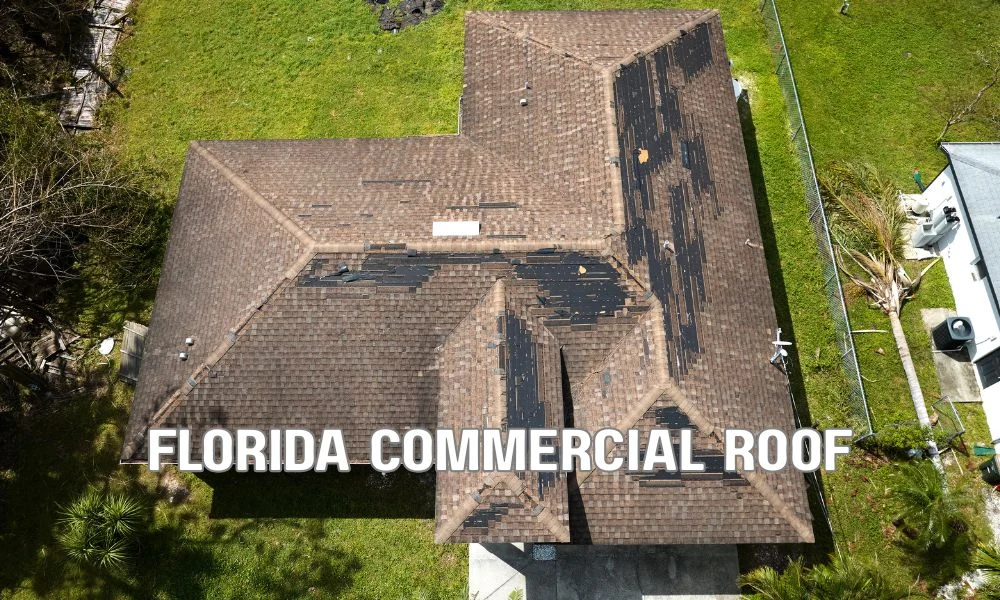
- Selecting a commercial roofing contractor in Florida requires meticulous due diligence due to unique weather challenges and stringent building codes.
- Verify state licensing (Certified General Contractor or Certified Roofing Contractor) and local registrations to ensure legal and compliant operation.
- Always confirm the contractor holds adequate general liability and workers’ compensation insurance to protect your business from unforeseen liabilities.
- Prioritize contractors who understand and specify materials with Florida Product Approval (Notice of Acceptance – NOA), essential for hurricane resilience.
- Request manufacturer-specific certifications, as these often qualify your project for enhanced material warranties and skilled installation.
- Thoroughly check references, review past project portfolios, and scrutinize online reviews to assess a contractor’s reliability and quality of work.
- Insist on a detailed, written contract outlining scope, materials, timelines, payment schedules, and comprehensive warranty information for both labor and materials.
Navigating Florida’s Commercial Roofing Landscape
Why is choosing a commercial roofing contractor in Florida uniquely challenging?
Choosing a commercial roofing contractor in Florida is uniquely challenging due to the state’s severe weather conditions, including hurricanes, intense UV exposure, and heavy rainfall, coupled with some of the nation’s most stringent building codes. These factors demand specialized knowledge, durable materials, and adherence to specific installation practices designed to withstand extreme environmental stresses. Contractors must be well-versed in local regulations, product approvals, and insurance requirements that go beyond those in many other states.
Critical Fact 1: Florida’s unique climate, characterized by high humidity, intense UV radiation, and severe hurricane risks, necessitates roofing systems and installation methods specifically engineered for extreme durability and code compliance.
What specific licenses and registrations are required for Florida commercial roofing contractors?
In Florida, a commercial roofing contractor must primarily hold one of two state-level licenses: a Certified General Contractor (CGC) license or a Certified Roofing Contractor (CCC) license, issued by the Florida Department of Business and Professional Regulation (DBPR). A CGC can perform any type of construction, including roofing, while a CCC is specialized in roofing work. Beyond state licensing, contractors must also register with local county or municipal building departments where the project is located, fulfilling any additional local permitting and registration requirements. Verify these licenses through the DBPR’s online portal.
Essential Credentials: Licenses, Insurance & NOAs
What is a Notice of Acceptance (NOA) and why is it crucial for commercial roofing in Florida?
A Notice of Acceptance (NOA) is a document issued by the Miami-Dade County Building Code Compliance Office, signifying that a roofing product or system has undergone rigorous testing and meets specific high-velocity hurricane zone (HVHZ) requirements. While originating in Miami-Dade, NOA approval is often recognized statewide as a benchmark for hurricane resistance and quality, making it crucial for commercial roofing in Florida. Specifying NOA-approved materials ensures that your roofing system is designed to withstand extreme wind uplift and adverse weather conditions, providing superior protection and compliance with stringent Florida building codes.
How do contractor certifications benefit a commercial roofing project?
Contractor certifications, often awarded by specific roofing material manufacturers (e.g., GAF Master Elite, Carlisle SynTec Authorized Applicator), benefit a commercial roofing project significantly by ensuring that the installation team is factory-trained and proficient in applying a particular product system. These certifications often qualify your project for extended manufacturer warranties that cover both materials and installation defects, offering superior long-term protection compared to standard warranties. They also indicate a contractor’s commitment to ongoing training, quality workmanship, and adherence to manufacturer specifications, which is paramount for system integrity.
Critical Fact 2: Utilizing roofing materials with a Florida Product Approval (NOA) is not just a regulatory formality; it’s a critical assurance that the system can withstand the state’s extreme weather, significantly reducing the risk of catastrophic failure during a hurricane.
What insurance coverage must a commercial roofing contractor possess?
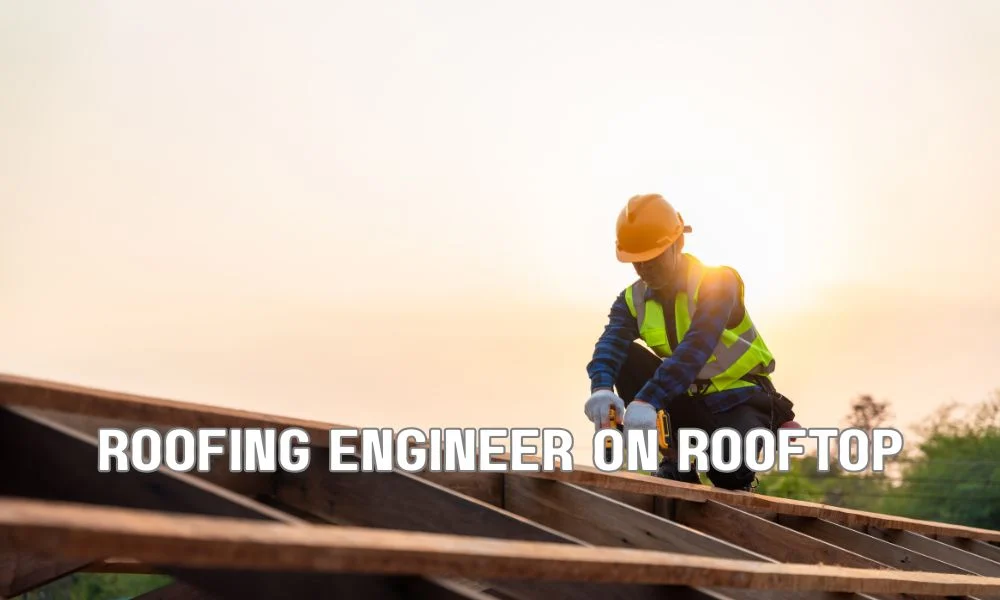
A commercial roofing contractor must possess comprehensive insurance coverage to protect both their business and your property during a project. This typically includes General Liability (GL) insurance, which covers property damage or bodily injury to third parties caused by the contractor’s work. Additionally, Workers’ Compensation insurance is legally mandated in Florida for contractors with employees, covering medical expenses and lost wages for workers injured on the job. Automobile Liability insurance is also essential for vehicles used for business operations. Always request current certificates of insurance directly from the insurer and ensure adequate coverage limits.
Vetting and Due Diligence: Beyond the Basics
What questions should I ask potential commercial roofing contractors?
When interviewing potential commercial roofing contractors, ask about their specific experience with projects of your building’s size and type, ensuring they are familiar with the unique challenges of your roof system. Inquire about their safety protocols and training programs for their crew, as safety on a job site is paramount. Ask for proof of all required licenses and insurance, and verify the validity. Discuss their project management approach, expected timelines, material sourcing, and how they handle unforeseen issues or change orders. Finally, always ask about their warranty offerings for both labor and materials.
How can I verify a contractor’s reputation and past performance?
To verify a contractor’s reputation and past performance, begin by checking their standing with the Florida Department of Business and Professional Regulation (DBPR) for any disciplinary actions or complaints. Request a list of references, specifically for commercial projects similar to yours, and contact them to inquire about their experience, project completion, and satisfaction. Review online platforms like the Better Business Bureau (BBB), Google Reviews, and industry-specific forums for testimonials and ratings. Finally, ask to see a portfolio of completed commercial projects, ideally in your geographic area.
What role do warranties play in commercial roofing projects?
Warranties play a critical role in commercial roofing projects by providing long-term protection and peace of mind. There are typically two main types: material warranties, issued by the manufacturer, covering defects in the roofing products themselves, and contractor/labor warranties, which cover the quality of the installation. Manufacturer-backed system warranties, often tied to certified contractors offering dedicated commercial roof warranty service and NDL warranty support, are the most comprehensive, covering both material and labor for extended periods (e.g., 20-30 years). Always understand the terms, conditions, and coverage specifics of all warranties offered before signing a contract.
Securing Your Investment & Long-Term Performance
What should a comprehensive commercial roofing contract include?
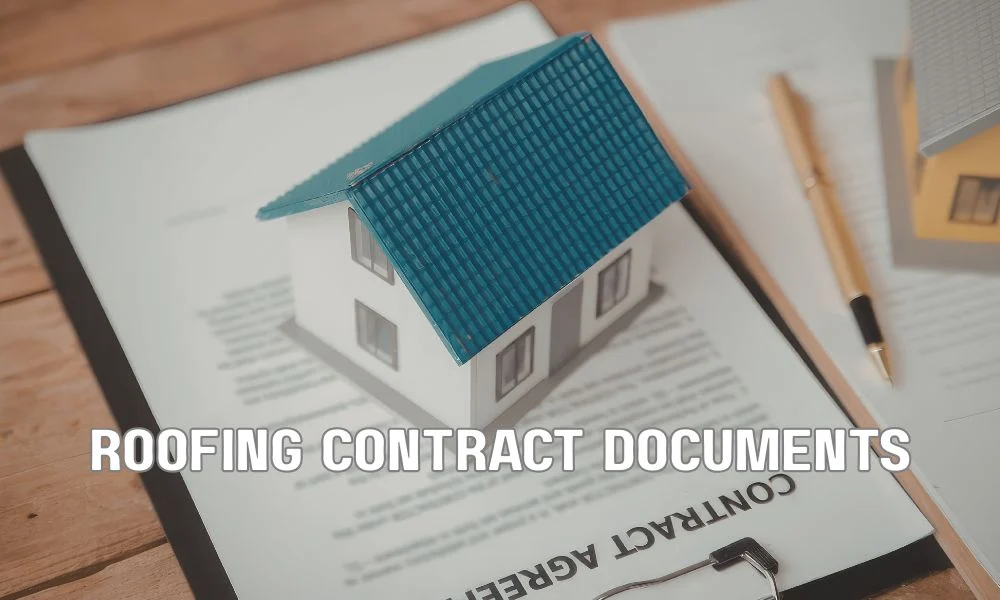
A comprehensive commercial roofing contract should meticulously detail the entire scope of work, including preparation, removal, installation, and cleanup procedures. It must clearly specify all materials to be used, including brand names, product numbers, and NOA approvals, along with the quantities. The contract should outline the project timeline, including start and completion dates, and a clear payment schedule tied to specific project milestones. Important clauses should cover insurance requirements, warranty information (both material and labor), safety protocols, provisions for change orders, and dispute resolution mechanisms to protect all parties.
How can proper maintenance extend the life of a commercial roof?
Proper maintenance is crucial for extending the life of a commercial roof, protecting your initial investment, and preventing premature failure. Regular inspections, ideally biannually and after severe weather events, can identify minor issues like punctures, clogged drains, or compromised flashing before they escalate. Promptly addressing minor repairs, clearing debris, ensuring proper drainage, and reinforcing vulnerable areas like penetrations can significantly mitigate wear and tear. Structured commercial roof maintenance and preventative maintenance programs, often offered by the roofing contractor, help sustain the roof’s integrity and the validity of its warranty.
Critical Fact 3: Comprehensive insurance policies – General Liability, Workers’ Compensation, and Auto Liability – are non-negotiable; they protect your business from costly litigation and liabilities stemming from accidents or damage during the roofing project.
Frequently Asked Questions
What is the typical lifespan of a commercial roof in Florida?
The typical lifespan of a commercial roof in Florida varies significantly based on the material, installation quality, and maintenance. TPO and EPDM roofs often last 20-30 years, while modified bitumen might last 15-20. Proper installation and consistent maintenance are key to achieving the maximum expected lifespan in Florida’s challenging climate.
Do I need a permit for commercial roof repair in Florida?
Yes, most commercial roof repair or replacement projects in Florida require a building permit from your local county or municipal building department. This ensures the work complies with the Florida Building Code, especially regarding hurricane resistance. Your chosen contractor should be responsible for obtaining all necessary permits.
How do I know if a commercial roofing contractor is reputable?
To verify a contractor’s reputation, check their Florida DBPR license status, ask for at least three commercial references, and review their online presence on sites like the BBB, Google Reviews, and industry forums. Look for consistent positive feedback and transparent business practices.
Should I prioritize cost or quality when choosing a contractor?
While cost is a factor, prioritizing quality is paramount for commercial roofing in Florida. A lower-cost bid might indicate shortcuts in materials, labor, or insurance, leading to costly repairs or premature roof failure, especially with Florida’s weather. Invest in a reputable contractor for long-term value.
What should I look for in a roofing warranty?
Look for comprehensive warranties that cover both material defects (from the manufacturer) and labor/installation errors (from the contractor). Manufacturer-backed system warranties are often the strongest, covering both for extended periods (e.g., 20+ years). Understand all terms and conditions.
What if my commercial roof leaks after installation?
If your commercial roof leaks after installation, immediately contact your contractor and refer to your warranty documentation. A reputable contractor should address warranted issues promptly. If the contractor is unresponsive, refer to your contract’s dispute resolution clause or contact the DBPR.
Can a commercial roofing contractor help with insurance claims?
Some commercial roofing contractors can assist building owners with navigating insurance claims processes, helping document damage and communicate with adjusters. However, be wary of contractors who offer to handle the entire claim as a public adjuster, as this can be a conflict of interest and may be illegal.
What is the benefit of a proactive roof maintenance plan?
A proactive roof maintenance plan extends the roof’s lifespan, prevents costly emergency repairs, and helps maintain warranty validity. Regular inspections catch minor issues early, clear debris, and ensure proper drainage, protecting your investment against Florida’s harsh environmental conditions.
