
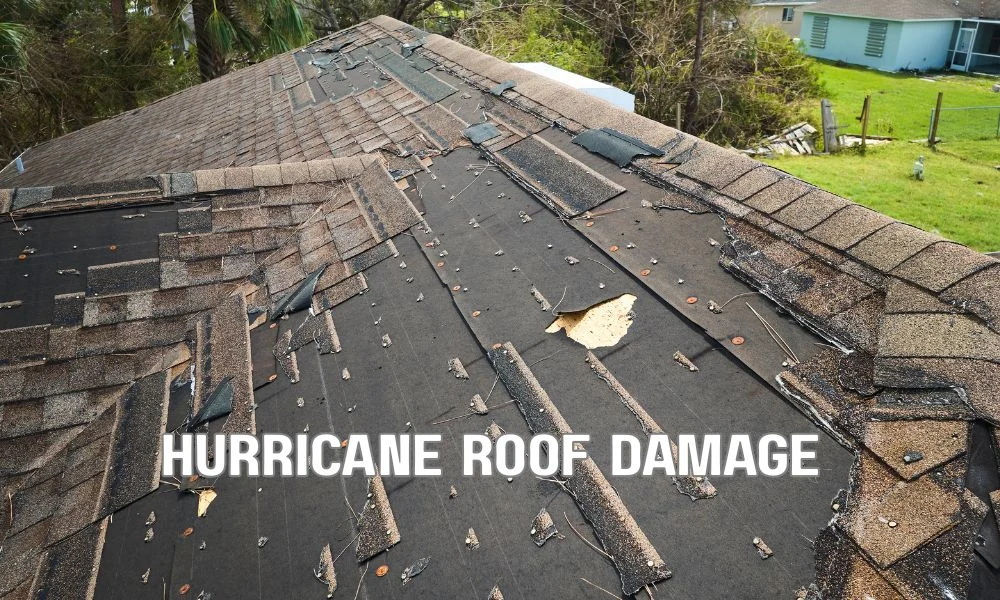
Executive Summary
* Proactive verification of commercial roofing contractors is crucial to avoid post-hurricane scams in Florida.
* Understanding common red flags like high-pressure sales or upfront cash demands helps building owners identify fraudulent “storm chasers.”
* Thoroughly reviewing all contract terms, especially Assignment of Benefits (AOB), safeguards your property rights and insurance claims.
* Maintaining detailed documentation of roof condition and any repairs provides a strong defense against potential fraud.
* Engaging local, reputable contractors with established licenses and insurance ensures quality work and recourse if issues arise.
* Educating staff on scam tactics and establishing clear internal protocols can prevent unauthorized agreements with dubious contractors.
What exactly is a “storm chaser” in commercial roofing?
A “storm chaser” in commercial roofing refers to an often out-of-state, transient contractor who converges on disaster-stricken areas after a hurricane, typically preying on urgent repair needs. These individuals or companies prioritize quick profits over quality work, often disappearing before issues arise or insurance claims are settled, leaving commercial building owners vulnerable. They frequently lack proper local licensing, insurance, or a physical presence in the community.
Critical Fact 1: Florida ranks among the top states for insurance fraud, with commercial roofing scams accounting for a significant portion, particularly after major weather events.
How do storm chasers typically operate after a hurricane?
Storm chasers typically operate by canvassing damaged neighborhoods, offering unsolicited “free” roof inspections and high-pressure sales tactics. They often arrive unannounced, sometimes claiming to work with your insurance company or promising to handle the entire claim process for you, often coercing property owners into signing an Assignment of Benefits (AOB) contract. Their primary goal is to secure a contract quickly, often without a detailed scope of work or fair pricing, and then move on to the next victim.
What are the common red flags of a roofing scam?
Common red flags of a roofing scam include contractors appearing immediately after a storm without prior contact, using high-pressure sales tactics to secure an immediate signature, or demanding significant upfront payment in cash. Other warning signs include out-of-state license plates, lack of verifiable local references, refusal to provide proof of insurance or licensing, vague contracts with incomplete details, and offers that seem too good to be true, like promising to cover your deductible.
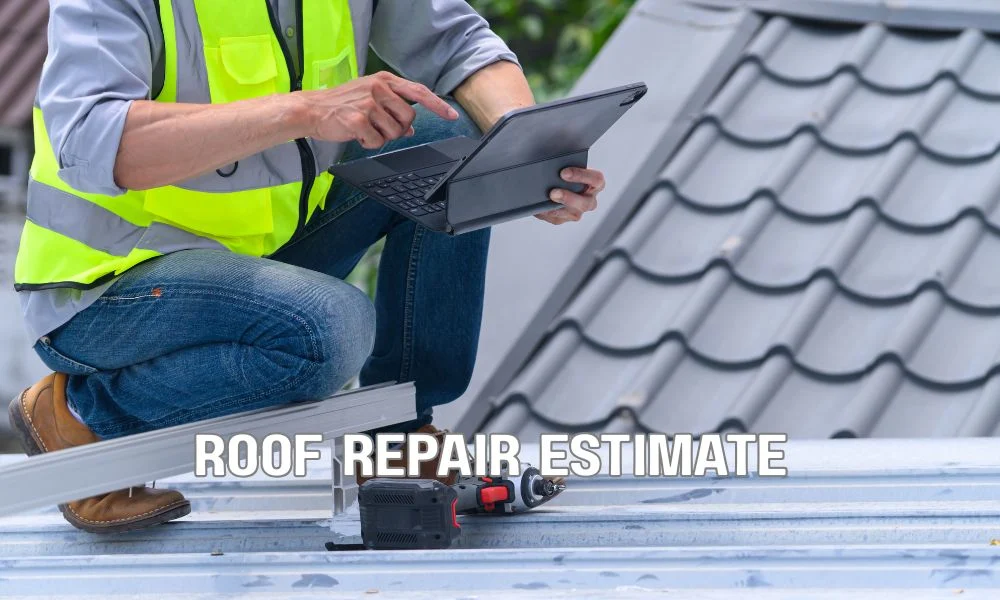
Protecting Your Investment: Proactive Measures and Due Diligence
How can building owners verify a legitimate commercial roofing contractor?
Building owners can verify a legitimate Florida commercial roofing contractor by first checking their license with the Florida Department of Business and Professional Regulation (DBPR) and confirming they hold appropriate general contractor or roofing contractor licenses. Additionally, demand proof of comprehensive liability and workers’ compensation insurance, check local business registrations, and always seek multiple local references with physical addresses and phone numbers. Verify their track record through online reviews and associations with reputable industry organizations.
| Characteristic | Legitimate Commercial Roofing Contractor | “Storm Chaser” / Scam Contractor |
|---|---|---|
| Local Presence | Established local office, recognizable local fleet, active community engagement. | Transient operation, out-of-state plates, P.O. Box only, no local history. |
| Licensing & Insurance | Properly licensed (DBPR), carries full liability & worker’s comp insurance, provides certificates. | May have revoked/fake license, no/minimal insurance, reluctant to show proof, uses another’s license. |
| Contract & Payment | Detailed written contract, transparent pricing, reasonable deposit, staged payments tied to project milestones. | Vague contract, high-pressure “sign now,” demands large upfront cash payment, promises to “waive deductible.” |
| References & Reviews | Provides multiple local commercial references, positive online reviews, A+ BBB rating. | Few or no verifiable references, negative/no online presence, generic testimonials. |
| Sales Tactics | Professional consultation, thorough inspection, no pressure, educates client on options. | Aggressive, urgent, fear-mongering, “limited-time offer,” pushes for immediate AOB signing. |
What key questions should be asked before signing any commercial roofing contract?
Before signing any commercial roofing contract, key questions to ask include: “Can you provide proof of your state license and insurance, and verify workers’ compensation coverage?” “What is the detailed scope of work, including materials, brands, and specific repair methods?” “What is the exact payment schedule, and what warranty covers both materials and labor?” “Will you obtain all necessary permits, and what is the estimated project timeline?” “Are you using subcontractors, and if so, are they also licensed and insured?”
Why is reviewing the contract thoroughly crucial, especially regarding Assignment of Benefits (AOB)?
Reviewing the contract thoroughly is crucial, especially regarding Assignment of Benefits (AOB), because signing an AOB typically transfers your insurance policy rights to the contractor, granting them direct control over your claim and potentially cutting you out of negotiations. This can lead to inflated claims, diminished control over repairs, and even legal disputes between the contractor and your insurer, leaving the building owner with inadequate repairs or unexpected liabilities. Understanding this clause can save you from significant financial and legal headaches.
Critical Fact 2: A 2019 legislative reform in Florida (HB 7065) aimed to curb AOB abuse, making it critical for building owners to understand revised rights and limitations before signing.
Post-Scam Remediation: What to Do If You’ve Been Burned
What immediate steps should a building owner take if they suspect a scam?
If a building owner suspects a scam, immediate steps include ceasing all work on the property, gathering and documenting every piece of evidence like contracts, communications, photos of shoddy work, and payment records. Promptly consult with an attorney specializing in construction law and insurance claims to understand your legal options. Additionally, file a complaint with the Florida Department of Business and Professional Regulation (DBPR) and consider reporting the incident to your local law enforcement or the Florida Attorney General’s office.
What legal avenues are available for victims of commercial roofing fraud?
Legal avenues available for victims of commercial roofing fraud include pursuing civil lawsuits for breach of contract, fraud, or negligence against the contractor. Depending on the severity and nature of the scam, victims might also have recourse through consumer protection laws. Reporting the fraud to state regulatory bodies like the DBPR can lead to investigations and potential disciplinary action against the contractor’s license, and in some cases, criminal charges might be filed by law enforcement.
Building Resilience: Long-Term Strategies for Florida Property Owners
How can proactive roof maintenance mitigate post-hurricane vulnerabilities?
Structured commercial roof maintenance and preventative maintenance programs significantly mitigate post-hurricane vulnerabilities by ensuring your commercial roof is in optimal condition *before* a storm hits, making it more resilient to wind and water damage. Regular inspections identify and address minor issues like loose flashing or clogged drains, preventing them from becoming catastrophic failures during a hurricane. A well-maintained roof is less likely to suffer extensive damage, reducing the urgency that storm chasers exploit and potentially lowering repair costs.
What role does proper insurance coverage play in preventing scam vulnerability?
Proper insurance coverage plays a critical role in preventing scam vulnerability by providing a clear understanding of your policy limits, deductibles, and claims process *before* a hurricane occurs. Knowing your coverage details empowers you to confidently navigate legitimate repair options and resist contractors who pressure you into unnecessary or overpriced services. Consulting with your trusted insurance agent annually helps you understand your rights and avoids falling prey to promises of “free” roofs or deductible waivers from unscrupulous storm chasers.
Critical Fact 3: Documenting your roof’s condition with high-resolution photos and videos before a hurricane is an invaluable asset for legitimate insurance claims and protection against contractor fraud.
Frequently Asked Questions
Is it legal for a contractor to offer to waive my insurance deductible?
No, it is illegal in Florida for a contractor to offer to waive or absorb an insurance deductible. This practice is considered insurance fraud, as it involves misrepresenting the true cost of repairs to the insurance company. Building owners participating in such schemes can face legal penalties.
What is an Assignment of Benefits (AOB) and why should I be cautious?
An Assignment of Benefits (AOB) is a contract that transfers your insurance claim rights to a third party, typically a contractor. You should be cautious because signing an AOB often means you lose control over your insurance claim, including negotiations and settlement, and may be left without recourse if disputes arise or work is not completed satisfactorily.
How quickly should I act on roof repairs after a hurricane?
While it’s important to address damage promptly, avoid rushing into contracts with the first available contractor. Take time to assess damage, contact your insurance company, and thoroughly vet multiple reputable local contractors. Prioritize temporary commercial roof repair to prevent further damage, but don’t feel pressured into immediate, high-pressure decisions.
Should I get multiple estimates for commercial roof repairs?
Absolutely. Always obtain at least three detailed estimates from reputable, licensed, and insured commercial roofing contractors. This allows you to compare scopes of work, materials, pricing, and warranties, ensuring you get a fair and competitive bid while avoiding inflated costs from potential scammers.
What specific documentation should I keep related to my roof repair?
You should keep copies of all contracts, invoices, proof of contractor licensing and insurance, communication logs (emails, texts), detailed photos and videos of pre-existing and post-storm damage, material specifications, warranties, and all payment records. This comprehensive documentation is vital for insurance claims and legal protection.
Can I be charged if I cancel a contract with a storm chaser?
It depends on the terms of the contract you signed and Florida’s cancellation laws. Many legitimate contracts have a cancellation clause. However, if the “storm chaser” engages in fraudulent practices, the contract itself might be voidable. Consult an attorney immediately if you need to cancel a suspicious contract.
How do I report a suspected commercial roofing scam in Florida?
You can report a suspected commercial roofing scam to the Florida Department of Business and Professional Regulation (DBPR), the Florida Attorney General’s Office of Statewide Prosecution, and your local law enforcement agency. Providing all collected evidence will aid their investigation.
What if a contractor demands full payment upfront for my commercial roof repair?
A legitimate commercial roofing contractor will rarely demand full payment upfront. Reputable contractors typically require a reasonable down payment, followed by progress payments tied to completed milestones. Demanding full payment upfront is a significant red flag often associated with scams.
