
Executive Summary
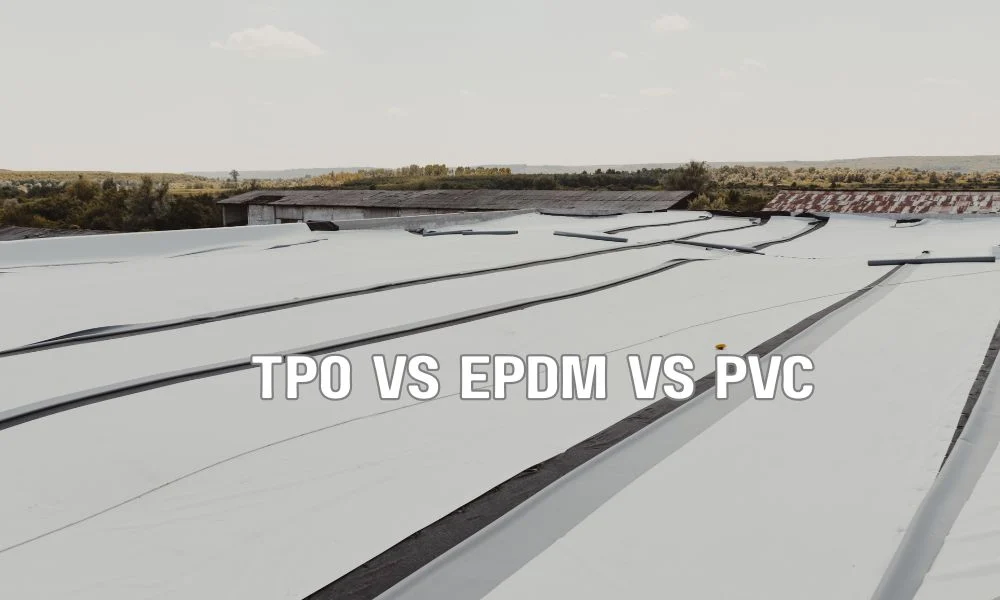
- TPO membrane offers superior solar reflectivity and energy efficiency, making it an excellent choice for reducing cooling costs in Florida’s intense heat.
- EPDM provides exceptional long-term durability and flexibility, resisting punctures and thermal cycling effectively, ideal for roofs with moderate foot traffic.
- PVC roofing delivers unmatched chemical and grease resistance, making it the preferred option for commercial kitchens, restaurants, and industrial facilities.
- Choosing the best membrane for a Florida commercial building requires evaluating specific factors like building use, budget, desired lifespan, and environmental exposure.
- Heat-welded seams found in TPO and PVC offer robust, waterproof seals that are highly advantageous against Florida’s heavy rainfall and hurricane conditions.
- While EPDM is often more cost-effective upfront, TPO and PVC can provide greater long-term value through energy savings and specialized performance benefits.
- Regular professional inspections and maintenance are crucial for all membrane types to ensure optimal performance and extend service life in Florida’s challenging climate.
Understanding Commercial Roofing Membranes for Florida’s Climate
Selecting the ideal roofing membrane for a commercial building in Florida is a critical decision influenced by the state’s unique environmental challenges: intense UV radiation, high humidity, frequent heavy rainfall, and the constant threat of hurricane-force winds. The three predominant single-ply roofing membranes—Thermoplastic Polyolefin (TPO), Ethylene Propylene Diene Monomer (EPDM), and Polyvinyl Chloride (PVC)—each offer distinct characteristics, making certain options more suitable than others depending on specific building requirements and long-term performance goals. Understanding their properties, advantages, and limitations is essential for ensuring a durable, energy-efficient, and cost-effective roofing system.
Critical Fact 1: Florida’s intense UV index can degrade roofing materials up to 50% faster than in more temperate climates, making UV resistance a paramount factor in membrane selection.
Exploring Thermoplastic Polyolefin (TPO)
What is TPO roofing, and why is it popular in Florida?
TPO roofing is a single-ply thermoplastic membrane known for its excellent heat reflectivity and energy efficiency, which is why it has become increasingly popular in Florida. This synthetic material is typically white, highly reflective, and designed to withstand the harsh UV rays and high temperatures characteristic of the Florida climate. Its composition allows for strong, heat-welded seams, creating a monolithic, watertight surface that is highly resistant to leaks.
What are the advantages and disadvantages of TPO in Florida?
The primary advantage of TPO in Florida is its outstanding energy efficiency, as its light color reflects sunlight, significantly reducing heat absorption and subsequent cooling costs for commercial buildings. TPO is also remarkably resistant to UV radiation, ozone, and chemical exposure, contributing to a long service life despite the challenging climate. Furthermore, its heat-welded seams provide superior strength and leak resistance compared to adhesive-based systems. However, some early generations of TPO experienced issues with material formulation leading to premature cracking, although modern TPO products have largely addressed these concerns. Its puncture resistance is generally good but can be less than EPDM in specific applications.
Evaluating Ethylene Propylene Diene Monomer (EPDM)
What defines EPDM roofing, and how does it perform in Florida’s humidity?
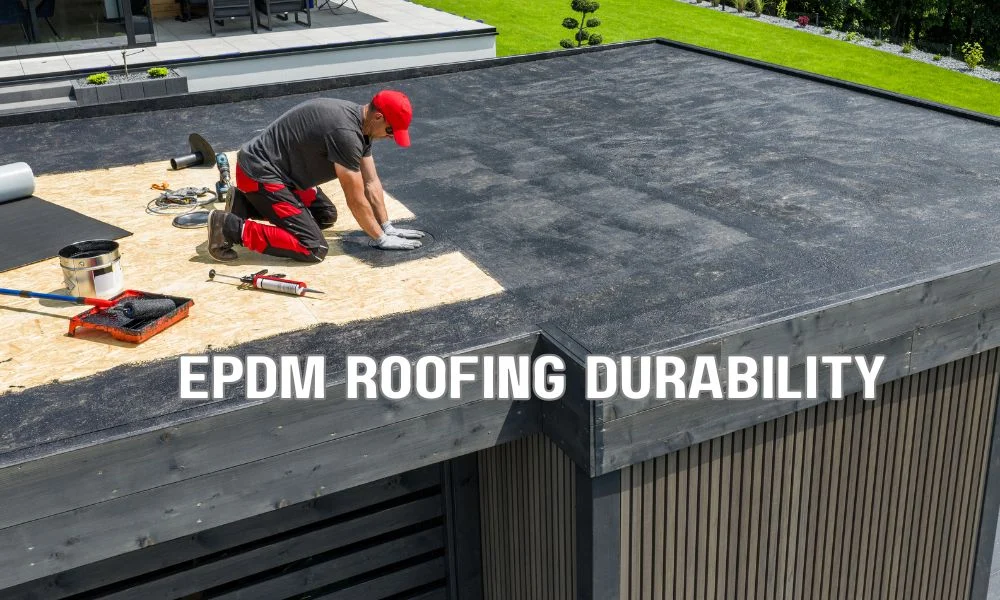
EPDM, a synthetic rubber roofing membrane, is defined by its exceptional durability, flexibility, and resistance to extreme weather conditions, performing reliably even in Florida’s high humidity. This robust material is often referred to as “rubber roofing” due to its elastic properties, which allow it to expand and contract with temperature fluctuations without cracking. EPDM performs well in humid environments as it is highly resistant to moisture absorption and microbial growth, making it a reliable choice against Florida’s frequent rains and damp conditions.
What are the key benefits and drawbacks of EPDM for Florida commercial properties?
Key benefits of EPDM for Florida properties include its remarkable longevity, often exceeding 30 years, and its excellent resistance to hailstones, punctures, and tears. Its flexibility also makes it ideal for accommodating structural movement without compromising the watertight seal. Furthermore, EPDM is generally one of the most cost-effective single-ply options for initial installation. The main drawback for Florida’s hot climate, however, is that traditional EPDM is dark-colored, absorbing significant heat and potentially increasing cooling costs. While white-on-black EPDM options are available to mitigate this, they are less common and may alter the cost-effectiveness. Additionally, EPDM seams are typically adhesive-based, which, while reliable, may require more rigorous maintenance over time compared to heat-welded alternatives.
Analyzing Polyvinyl Chloride (PVC)
What makes PVC roofing a strong contender for Florida commercial buildings?
PVC roofing is a strong contender for Florida commercial buildings due to its inherent strength, exceptional chemical resistance, and incredibly durable heat-welded seams, which offer superior protection. This robust thermoplastic membrane is reinforced with a polyester scrim, providing excellent dimensional stability and tear resistance. Its unique composition makes it highly resilient against grease, oils, and industrial chemicals, making it a prime choice for specific commercial applications.
Where does PVC excel, and what are its potential limitations in this climate?
PVC truly excels in environments where chemical exposure is a concern, such as restaurants, manufacturing facilities, or properties near industrial zones, providing a level of resistance that TPO and EPDM cannot match. Its heat-welded seams are extremely strong and durable, offering unparalleled watertight integrity against Florida’s torrential downpours and hurricane-force winds. PVC also boasts excellent fire resistance. However, PVC typically comes with a higher upfront cost compared to TPO and EPDM, which can be a limiting factor for some budgets. While its flexibility is good, it can become brittle in extreme cold (though this is rarely an issue in Florida), and its limited color options might not offer the same reflective performance as a bright white TPO if not chosen carefully.
Critical Fact 2: Commercial kitchens and restaurant buildings in Florida face specific challenges from grease and oil expelled onto rooftops; PVC’s chemical resistance is uniquely suited to prevent premature membrane degradation in these scenarios.
Comparative Analysis: TPO vs EPDM vs PVC for Florida
How do these membranes stack up against Florida’s unique environmental challenges?
When confronting Florida’s unique environmental challenges, each membrane offers distinct advantages. TPO stands out for its UV resistance and superior solar reflectivity, crucial for minimizing heat gain under intense sun and reducing energy costs. EPDM’s rubber elasticity and puncture resistance make it highly resilient against wind-borne debris and thermal cycling, ensuring long-term flexibility against expanding and contracting building materials. PVC offers unparalleled resistance to chemicals, grease, and fire, a vital attribute for buildings with specific operational demands like those housing commercial kitchens or industrial processes. While all three can withstand heavy rainfall, TPO and PVC’s heat-welded seams often provide a more robust, long-term watertight seal compared to EPDM’s adhesive-based seams.
| Feature | TPO (Thermoplastic Polyolefin) | EPDM (Ethylene Propylene Diene Monomer) | PVC (Polyvinyl Chloride) |
|---|---|---|---|
| Primary Benefit | Energy Efficiency (Reflectivity) | Durability & Flexibility | Chemical & Grease Resistance |
| Typical Lifespan | 15-20+ years | 25-30+ years | 20-30+ years |
| Seam Type | Heat-Welded | Adhesive-Applied (Taped) | Heat-Welded |
| UV Resistance | Excellent | Excellent | Very Good |
| Puncture Resistance | Good | Excellent | Very Good |
| Chemical/Grease Resist. | Good | Fair | Excellent |
| Typical Cost (Installed) | Mid-Range | Lower-End | Higher-End |
Making the Right Choice: Factors for Florida Buildings
What critical factors should guide your membrane selection in Florida?
The selection of the ideal roofing membrane for a Florida commercial building should be guided by several critical factors, starting with the building’s primary use and the specific environmental stressors it faces. Consider the budget for both upfront installation and long-term maintenance, as well as the desired lifespan of the roof. Energy efficiency goals are paramount in Florida’s heat, making reflective options highly appealing. Evaluate the expected roof traffic, potential for chemical or grease exposure, and the building’s structural capacity. Consulting with a local, experienced commercial roofing contractor who understands Florida building codes and climate challenges is invaluable for a tailored recommendation.
How do maintenance and lifespan expectations differ across these options?
Maintenance and lifespan expectations differ across TPO, EPDM, and PVC membranes, impacting long-term cost of ownership. TPO typically requires periodic cleaning to maintain its reflective properties and inspections of its heat-welded seams, with a lifespan generally ranging from 15-20+ years. EPDM, known for its longevity, often extends beyond 25-30 years with proper maintenance, primarily focusing on seam integrity and prompt repair of any punctures. PVC, offering similar lifespan expectations to EPDM (20-30+ years), benefits from its robust heat-welded seams and excellent resistance to ponding water and chemical degradation, though its higher initial cost factors into the overall investment. All three benefit from annual inspections to identify and address minor issues before they become costly repairs, especially in Florida’s challenging weather.
Critical Fact 3: While initial installation costs vary, the long-term return on investment for commercial roofing in Florida is significantly influenced by energy savings, durability against severe weather, and minimal repair needs, often favoring higher-performing membranes over their lifespan.
Frequently Asked Questions
What is the most energy-efficient roofing membrane for Florida?
TPO is generally considered the most energy-efficient roofing membrane for Florida due to its high solar reflectivity, especially in white or light colors. This helps to reduce heat absorption, significantly lowering indoor temperatures and decreasing cooling costs for commercial buildings.
Is EPDM suitable for buildings with heavy foot traffic in Florida?
Yes, EPDM’s inherent durability and excellent puncture resistance make it a highly suitable option for commercial buildings in Florida that experience heavy foot traffic or require frequent rooftop access for maintenance. Its robust rubber composition can withstand significant wear and tear.
When should PVC be chosen over TPO or EPDM in Florida?
PVC should be chosen when a commercial building requires superior resistance to chemicals, grease, or oils, such as for restaurants, food processing plants, or industrial facilities. Its heat-welded seams also provide exceptional watertight integrity against ponding water.
How do Florida’s hurricane seasons impact membrane choice?
Florida’s hurricane seasons highlight the importance of strong wind uplift resistance and watertight seams. TPO and PVC, with their robust heat-welded seams and secure mechanical fastening options, generally offer superior performance against high winds compared to some adhesive-based EPDM systems.
Are there color options for these membranes, and do they affect performance?
Yes, TPO is widely available in white and other light colors for reflectivity. EPDM is traditionally black but also comes in white-on-black options. PVC is typically offered in white, gray, and tan. Lighter colors significantly improve energy efficiency by reflecting sunlight and reducing heat absorption, especially in Florida.
What is the typical lifespan difference between TPO, EPDM, and PVC in Florida?
In Florida’s climate, TPO generally lasts 15-20+ years, while EPDM and PVC membranes often exceed 20-30+ years. Lifespan depends heavily on installation quality, ongoing maintenance, specific site conditions, and the severity of local weather events.
Can these membranes be repaired if damaged?
Yes, all three membrane types can be effectively repaired if damaged. TPO and PVC repairs typically involve heat-welding new material over the affected area, creating a strong bond. EPDM repairs usually involve specialized patches and adhesives designed for rubber membranes.
What is the cost difference among TPO, EPDM, and PVC for a Florida commercial roof?
EPDM is generally the most cost-effective upfront, followed by TPO in the mid-range, and PVC typically being the highest in initial material and installation costs. However, long-term costs like energy savings and maintenance can significantly impact the overall value proposition of each.
