

Executive Summary
- Ignoring minor commercial roof leaks can quickly escalate into catastrophic structural damage, jeopardizing building integrity and tenant safety.
- Proactive leak detection and immediate repair are crucial to prevent mold growth, insulation saturation, and costly interior property damage.
- Flashing failures and membrane punctures are among the most frequent culprits, often leading to hidden water intrusion that compounds over time.
- Clogged drainage systems cause ponding water, a significant stressor that accelerates roof deterioration and increases leak susceptibility.
- Investing in routine roof inspections and preventative maintenance significantly reduces the long-term financial burden of emergency repairs.
- The true cost of a neglected leak extends beyond repair, encompassing business interruption, inventory loss, and potential liability issues.
- Understanding specific leak types empowers property managers to prioritize effective repair strategies and budget for essential roof care.
Commercial roof leaks are more than just a nuisance; they are a critical threat to a building’s structural integrity, operational continuity, and financial health. What might appear as a small drip can quickly become a cascading problem, leading to extensive damage, mold growth, and expensive repairs that far outweigh the cost of early intervention. Identifying the source and type of a leak is the first step in effective mitigation, but understanding the escalating costs of ignoring these issues underscores the urgency of immediate action. This guide details the 10 most common commercial roof leaks and the potential financial ramifications of deferring their repair.
Critical Fact 1: A study by the National Roofing Contractors Association (NRCA) indicates that nearly 70% of all commercial roof failures are directly attributable to poor maintenance or deferred repairs, with leaks being the most prominent symptom.
What are the dangers of ignoring roof punctures and penetrations?
Ignoring punctures and penetrations can lead to direct water infiltration, causing immediate damage to interior finishes and equipment. These leaks, often caused by dropped tools, sharp debris, or unsecured equipment, create direct pathways for water. The cost of ignoring ranges from minor drywall repair ($500-$1,500) to extensive structural damage, mold remediation, and operational downtime, potentially costing tens of thousands if electrical systems are compromised.
How do flashing failures compromise commercial roofs, and what is the financial impact?
Flashing failures occur when the seal around roof penetrations (vents, skylights, parapet walls) or at expansion joints deteriorates, allowing water to bypass the primary membrane. This is a very common leak source. Initial ignored leaks may cause localized water stains ($300-$800 to paint), but prolonged exposure leads to deck rot, insulation saturation (requiring costly tear-offs and replacement at $10-$20 per sq ft), and compromised structural components, which can escalate into five-figure repair bills and structural instability.
What happens when roof drains and scuppers become clogged?
Clogged drains and scuppers prevent water from properly shedding off the roof, leading to ponding water that overstresses the membrane and seeks out any weak point. A simple drain clearing might cost $150-$500. Ignoring this, however, invites accelerated membrane degradation, seam separation, and structural sagging due to excessive weight, leading to extensive repairs or even a full roof replacement much sooner than anticipated, costing $15,000 to over $100,000 depending on roof size.
What are the consequences of seam separations in single-ply membranes?
Seam separations, prevalent in TPO, EPDM, and PVC roofs, occur when adhesives or welds fail, creating open channels for water ingress. Early detection allows for simple re-welding or patch repairs ($500-$1,500 per section). Neglecting these leads to extensive water damage beneath the membrane, saturating insulation and decking. This trapped moisture significantly diminishes the roof’s R-value, increases energy bills, and ultimately necessitates expensive wet insulation removal and re-seaming or replacement of large sections.
Why are cracks and splits in the roof membrane so problematic?
Cracks and splits, often caused by thermal cycling, UV exposure, or material fatigue, are direct entry points for water. A small crack can be repaired with liquid sealant or a patch ($400-$1,000). If ignored, these cracks propagate, allowing persistent water ingress that saturates the underlying layers, promoting mold and mildew, degrading the roof deck, and potentially leading to structural failure. The resulting water damage and extensive section replacement can easily exceed $10,000.
What are the risks of ignoring roof blisters and delamination?
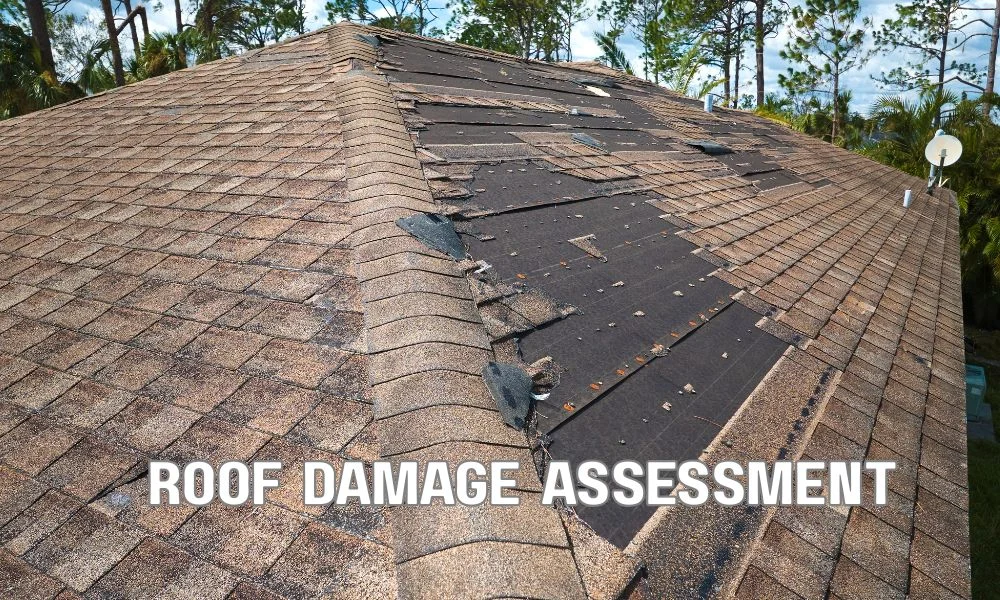
Blisters occur when moisture or trapped air between plies expands under heat, creating bubbles on the roof surface. Delamination is the separation of plies or layers. While small blisters might be non-critical, ignored and expanding blisters can rupture, exposing the underlying plies to direct weather and water penetration. Repairing a few blisters costs $700-$2,000, but widespread delamination necessitates extensive cut-and-patch work or even section replacement, costing $5,000 to $20,000, plus the hidden costs of reduced insulation performance.
Critical Fact 2: Over 80% of commercial roof leaks originate from roof penetrations, perimeters, or areas where the roof membrane meets another surface, emphasizing the importance of detailed inspections around these critical junctions.
How does ponding water accelerate roof damage and increase costs?
Ponding water, beyond indicating clogged drains, signals poor roof design, sagging structural components, or improper installation. It accelerates membrane deterioration, encourages algae and plant growth, and puts immense stress on the entire roof system. A proactive solution might involve drain enhancements or tapered insulation, costing a few thousand dollars. Allowing ponding water to persist shortens the roof’s lifespan by years, leading to premature roof replacement (often $5-$15 per sq ft for materials and labor), making it one of the most expensive issues to neglect.
What makes parapet wall leaks so challenging to address?
Parapet wall leaks often originate from deteriorated coping joints, inadequate flashing, or cracks in the wall itself, allowing water to enter the building from the side. These leaks are notoriously difficult to trace due to water migrating behind interior walls. Repairing coping or re-caulking might cost $800-$2,500 per section. Ignoring them leads to extensive interior water damage, mold growth within wall cavities, and potential structural rot, easily racking up repair bills of $10,000-$30,000, including remediation.
What are the common causes and costs of HVAC curb leaks?
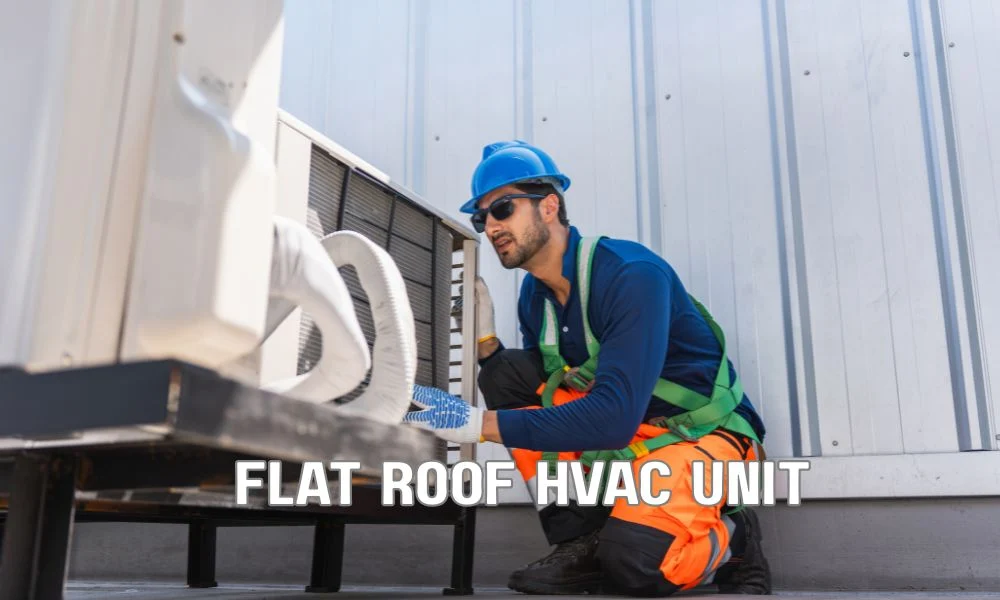
HVAC unit curbs are common leak points due to vibrations, poor installation, or cracked sealant around their perimeters. These leaks can channel water directly into sensitive equipment or interior spaces. Re-sealing or re-flashing an HVAC curb might cost $600-$1,800. Neglecting them risks severe water damage to costly HVAC units (repairs potentially $5,000-$15,000 or full replacement), interior infrastructure, and inventory, creating a ripple effect of business interruption and repair expenses.
How does general age-related deterioration impact commercial roofs and budgets?
All roofing materials have a finite lifespan. As a roof ages, materials become brittle, lose elasticity, and protective coatings wear thin, leading to widespread micro-cracks and material fatigue. While preventative maintenance can extend a roof’s life by years, ignoring general aging transforms minor issues into pervasive leaks across the entire surface. Patching isolated areas ($500-$2,000) becomes ineffective, forcing an expensive full roof replacement ($5-$15 per sq ft) much earlier than budgeted, representing the ultimate cost of deferred maintenance.
Comparative Costs: Ignoring vs. Proactive Repair
The table below illustrates the stark financial difference between addressing common roof leak issues proactively versus allowing them to escalate.
| Leak Type | Proactive Repair (Estimated Cost) | Cost of Ignoring (Estimated Range) | Potential Consequences of Ignoring |
|---|---|---|---|
| Punctures/Penetrations | $300 – $800 | $2,000 – $15,000+ | Interior water damage, equipment failure, mold |
| Flashing Failures | $500 – $1,500 | $5,000 – $25,000+ | Deck rot, insulation saturation, structural damage |
| Clogged Drains | $150 – $500 | $10,000 – $50,000+ | Ponding, membrane deterioration, premature replacement |
| Seam Separations | $400 – $1,200 | $3,000 – $18,000+ | Wet insulation, energy loss, widespread membrane failure |
| Cracks/Splits | $350 – $900 | $2,500 – $12,000+ | Sub-membrane damage, structural rot, mold |
| Blisters/Delamination | $700 – $2,000 | $5,000 – $20,000+ | Exposed plies, extensive section replacement, reduced R-value |
Investing in regular roof inspections and addressing minor issues promptly is not an expense but a critical investment in your commercial property’s longevity and your business’s bottom line. Delaying repairs invariably leads to exponentially higher costs and greater operational disruption.
Critical Fact 3: The average lifespan of a commercial roof can be extended by 50% or more with a proactive maintenance program, directly translating to significant long-term savings on capital expenditures.
Frequently Asked Questions
How often should a commercial roof be inspected for leaks?
Commercial roofs should ideally be inspected at least twice a year, typically in the spring and fall, and after any severe weather event. Regular inspections help identify potential issues like debris, punctures, or flashing problems before they escalate into costly leaks.
What are the first signs of a hidden commercial roof leak?
Initial signs of a hidden leak can include water stains on ceiling tiles, dampness in walls, musty odors indicating mold growth, increased energy bills due to wet insulation, or visible ponding water on the roof surface after rain.
Can I fix a commercial roof leak myself?
While minor temporary fixes might be possible for very small issues, it’s strongly recommended to hire a professional commercial roofing contractor. They have the expertise, equipment, and safety training to correctly diagnose and permanently repair leaks without voiding warranties or causing further damage.
Does my commercial property insurance cover roof leak repairs?
Most commercial property insurance policies cover roof damage caused by sudden and accidental events, such as storms or vandalism. However, damage resulting from neglect, poor maintenance, or general wear and tear is typically not covered. Review your policy details and consult with your insurer.
What is the most effective way to prevent commercial roof leaks?
The most effective prevention strategy is a comprehensive preventative maintenance program. This includes regular inspections, debris removal, clearing drains, re-sealing penetrations, and addressing minor wear and tear promptly.
How long do commercial roof repairs typically take?
The duration of a commercial roof repair depends entirely on the leak’s severity, type, and accessibility. Minor patch repairs might take a few hours, while extensive damage requiring section replacement or multiple leak fixes could span several days or even weeks.
What type of commercial roof is most susceptible to leaks?
All roof types can leak, but single-ply membranes (TPO, EPDM, PVC) are often susceptible to seam separations if not properly installed or maintained. Built-up roofs (BUR) and modified bitumen roofs can develop cracks and blisters over time due to aging and thermal stress.
When is it better to replace a commercial roof rather than repair it?
Replacement is generally recommended when repairs become too frequent, the roof has reached or exceeded its expected lifespan, or if the underlying structure and insulation are extensively damaged by water. If repair costs approach 25-30% of a full replacement cost, replacement is often the more economical long-term solution.
