
Executive Summary
- Infrared and drone technologies offer a non-destructive, highly accurate method for identifying hidden moisture in commercial roof systems.
- Proactive detection of trapped moisture prevents structural damage, extends roof lifespan, and significantly reduces costly emergency repairs and replacements.
- Drones provide safe, rapid, and comprehensive data collection from elevated areas, capturing high-resolution visual and thermal imagery efficiently.
- Infrared thermography precisely identifies temperature differentials caused by moisture’s higher thermal mass, pinpointing saturation zones within insulation.
- Combining these advanced inspection methods creates a detailed, actionable report, enabling targeted repairs and optimizing maintenance budgets effectively.
- Early intervention based on precise data mitigates mold growth, preserves energy efficiency, and safeguards the building’s structural integrity over time.
- Optimizing roof health through these inspections enhances property value and ensures compliance with insurance and warranty requirements seamlessly.
The Hidden Threat: Why Trapped Moisture is a Roof’s Worst Enemy
Trapped moisture beneath a commercial roof membrane is an insidious adversary, silently degrading materials and compromising structural integrity long before visible signs emerge. This hidden water originates from small leaks, condensation, or construction defects, and once present, it relentlessly attacks the insulation, decking, and underlying structure. The consequences range from diminished thermal performance and energy loss to extensive rot, mold growth, and eventual catastrophic roof failure, leading to astronomical repair or replacement costs.
Critical Fact 1: A single square foot of wet roof insulation can hold up to 10-15 pounds of water, significantly increasing the dead load on the structure and rapidly decreasing the roof’s R-value, leading to substantial energy waste.
What makes trapped moisture so destructive to roof decks?
Trapped moisture is destructive to roof decks primarily because it instigates a relentless cycle of material degradation and structural weakening. It saturates insulation, destroying its thermal resistance and causing the roof deck to bear an unnecessary weight load, which can lead to sagging or collapse. Furthermore, this persistent dampness fosters the perfect environment for mold and mildew proliferation, accelerating the decay of wood or metal decking, compromising fasteners, and creating costly health hazards within the building. Over time, repeated freeze-thaw cycles can exacerbate existing damage, causing materials to expand, contract, and delaminate, ultimately leading to widespread deck rot and premature roof system failure.
Revolutionizing Inspections: Infrared Thermography’s Role
Infrared thermography has revolutionized commercial roof inspections by providing a non-invasive, highly effective method for detecting hidden moisture. This technology works by identifying subtle temperature differences on the roof surface, which are indicative of underlying anomalies. During specific thermal windows, typically at night or during overcast conditions, areas of wet insulation retain heat differently than dry areas. The thermal camera captures these temperature variations, rendering them visible as distinct thermal patterns.
How does infrared technology precisely identify hidden water intrusion?
Infrared technology precisely identifies hidden water intrusion by capitalizing on the thermal properties of water and common roofing materials. Water has a higher thermal mass than dry insulation, meaning it absorbs and releases heat more slowly. As the roof cools down after sunset, dry areas radiate heat quickly, becoming cooler, while wet areas retain the day’s absorbed solar energy longer, appearing warmer on an infrared camera. This differential temperature (Delta-T) allows trained thermographers to pinpoint exact areas of saturated insulation, which manifest as warmer “hot spots” against cooler, dry surroundings on the thermal image, directly correlating to the presence of trapped moisture.
Elevating Efficiency: The Strategic Advantage of Drone Technology
Drone technology significantly elevates the efficiency and safety of commercial roof inspections by providing rapid, comprehensive aerial data capture without requiring personnel to physically access dangerous areas. Equipped with high-resolution visual and thermal cameras, drones can systematically scan vast roof expanses in a fraction of the time traditional methods demand. This not only speeds up the inspection process but also drastically reduces the risks associated with manual inspections, such as falls or exposure to hazardous conditions.
In what ways do drones enhance the accuracy and safety of roof inspections?
Drones enhance the accuracy and safety of roof inspections in multiple critical ways. Firstly, they eliminate the need for inspectors to walk on potentially compromised or unsafe roof surfaces, thereby removing fall risks and minimizing liability. Secondly, drones can access hard-to-reach areas, parapet walls, and steeply sloped sections that are often inaccessible or extremely dangerous for human inspectors, ensuring no critical areas are missed. Thirdly, the high-resolution imagery and video collected provide a comprehensive, detailed record that can be meticulously analyzed off-site, allowing for precise defect identification, consistent data comparison over time, and a level of detail that manual inspections often cannot achieve due to time constraints or perspective limitations.
Critical Fact 2: Drone inspections can cover commercial roof areas 5-10 times faster than traditional methods, typically completing a 100,000 sq ft roof inspection in under 2 hours, significantly reducing labor costs and operational disruption.
The Synergy of Technologies: IR + Drone for Unparalleled Detection
The combination of infrared thermography and drone technology offers an unparalleled solution for detecting trapped moisture, moving beyond the limitations of individual methods. By integrating thermal cameras onto drones, inspectors can conduct broad, elevated thermal scans, quickly identifying suspect areas from a safe distance. This synergy allows for the efficient capture of both visual context and crucial thermal data, enabling a holistic understanding of the roof’s condition and precise localization of moisture issues. The data collected from these integrated systems provides a robust foundation for accurate diagnosis and targeted repair strategies.
What are the combined benefits of using both infrared and drone technologies?
The combined benefits of using both infrared and drone technologies are manifold, leading to superior roof assessment outcomes. This integrated approach offers unparalleled accuracy in identifying moisture issues by pairing the thermal sensitivity of IR with the comprehensive, aerial perspective of drones, ensuring no saturated zones are overlooked. It significantly enhances safety by minimizing the need for human personnel on dangerous roof surfaces and provides a rapid, cost-effective solution for large-scale properties. Moreover, the drone-captured high-resolution visual and thermal data facilitates more detailed analysis, clearer reporting, and more precise, non-destructive repair planning, extending the roof’s lifespan and optimizing maintenance budgets.
| Inspection Method | Accuracy in Moisture Detection | Safety for Personnel | Speed/Efficiency | Cost-Effectiveness | Data Deliverables |
|---|---|---|---|---|---|
| Traditional Visual Inspection | Low (surface level only) | High risk (manual access) | Slow (labor-intensive) | Moderate (repeated visits) | Photos, written notes |
| Infrared (Manual Handheld) | High (detects hidden moisture) | Moderate risk (manual access) | Moderate (weather dependent) | Good (targeted repairs) | Thermal images, reports |
| Drone Visual Inspection | Moderate (surface level, high-res) | Very High (remote operation) | High (rapid coverage) | Very Good (reduced labor) | High-res photos/video, 3D models |
| Drone + Infrared Inspection | Very High (precise, subsurface) | Very High (remote operation) | Very High (rapid & comprehensive) | Excellent (preventative) | Integrated thermal/visual maps, detailed reports, 3D models |
Implementing Advanced Inspections: From Scan to Solution
Implementing advanced infrared and drone roof inspections involves a structured process that ensures comprehensive data collection and actionable insights. This typically begins with careful planning, considering environmental factors such as temperature differentials, wind speed, and optimal scanning times to achieve the clearest thermal signatures. Following the data acquisition phase, specialized software and expert analysis are crucial to interpret the raw thermal and visual data accurately. The ultimate goal is to translate these findings into a detailed report that outlines the extent and location of moisture intrusion, allowing for precise, targeted repairs rather than costly, full-scale roof replacements.
What is the typical process for conducting a combined IR and drone roof inspection?
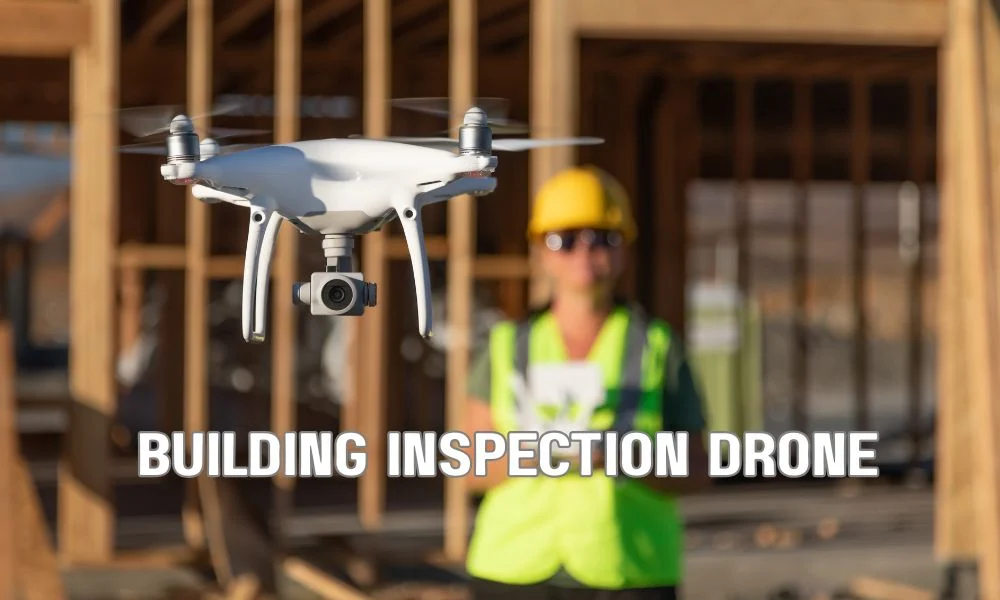
The typical process for conducting a combined IR and drone roof inspection begins with pre-inspection planning, including site assessment, flight path mapping, and checking weather conditions for optimal thermal contrast (e.g., clear night sky after a sunny day). Next, a skilled drone pilot deploys the UAV equipped with both high-resolution visual and thermal cameras to systematically capture imagery of the entire roof surface. The collected data is then downloaded and processed using specialized software, which stitches together images, identifies temperature anomalies, and generates detailed maps of moisture ingress. Finally, a comprehensive report is compiled, featuring annotated thermal and visual images, an analysis of moisture extent, and actionable recommendations for targeted repairs, providing a clear path to resolution.
Long-Term Value: Protecting Your Investment
Advanced roof inspections using infrared and drone technologies offer significant long-term value, transforming reactive maintenance into a proactive asset management strategy. By accurately identifying and addressing trapped moisture early, these inspections prevent widespread damage, significantly extend the service life of the roof system, and avoid the much higher costs associated with emergency repairs or premature replacements. This proactive approach safeguards the building’s structural integrity, maintains energy efficiency, and ensures continuous operational performance, thereby protecting a critical component of any commercial property investment.
How do advanced roof inspections contribute to significant long-term cost savings?
Advanced roof inspections contribute to significant long-term cost savings by shifting from reactive, expensive repairs to preventative, targeted maintenance. Early detection of moisture with IR and drones allows for minor, localized commercial roof repair, preventing the spread of damage that would otherwise necessitate full roof replacement, saving hundreds of thousands of dollars. These inspections preserve insulation integrity, maintaining the roof’s energy efficiency and reducing heating and cooling costs. Furthermore, extending the roof’s lifespan through proactive management avoids the massive capital expenditure of a new roof installation, while also ensuring compliance with warranty terms and preventing potential business interruptions caused by roof failures, all of which represent substantial financial benefits over time.
Critical Fact 3: Investing in annual advanced IR and drone roof inspections typically costs less than 1% of the total roof replacement cost, yet it can extend a roof’s life by 30-50% and reduce emergency repair expenses by up to 70%.
Frequently Asked Questions
What is trapped moisture in a roof, and why is it problematic?
Trapped moisture refers to water that has infiltrated the roof system and become absorbed within the insulation layers, hidden beneath the membrane. It is problematic because it degrades insulation’s thermal properties, promotes mold and rot in the deck, increases structural load, and eventually leads to costly leaks and premature roof system failure.
How often should a commercial roof be inspected with infrared and drone technology?
Commercial roofs should ideally be inspected with infrared and drone technology annually, or biennially at a minimum, to proactively detect moisture intrusion. Inspections are also recommended after major weather events or if there are any signs of roof performance issues, ensuring early intervention and sustained roof health.
Are infrared and drone roof inspections safe for the building and environment?
Yes, infrared and drone roof inspections are highly safe for both the building and the environment. Drones operate remotely, eliminating the need for personnel on the roof, thus preventing potential damage from foot traffic. The infrared technology is non-destructive and emits no harmful radiation, making it an environmentally friendly assessment method.
Can these inspections identify the source of a leak, or just the presence of moisture?
These inspections are primarily designed to identify the presence and extent of trapped moisture within the roof system. While they precisely map the areas of saturation, identifying the exact source of a leak (e.g., a small puncture or faulty flashing) often requires dedicated commercial roof leak detection and repair once the general wet areas are identified.
What kind of report can I expect after an IR and drone inspection?
After an IR and drone inspection, you can expect a comprehensive report including high-resolution visual and thermal imagery, often presented as annotated maps or 3D models of your roof. The report will detail the precise location and estimated extent of moisture intrusion, along with expert analysis and actionable recommendations for repair.
Is an IR and drone inspection suitable for all types of commercial roofs?
Yes, IR and drone inspections are suitable for most types of commercial flat or low-slope roofs, including single-ply (TPO, EPDM, PVC), modified bitumen, and built-up roofs. The effectiveness relies on sufficient thermal contrast and the ability of the drone to safely navigate the roof structure.
How do weather conditions affect an infrared roof inspection?
Weather conditions significantly affect infrared roof inspections. The most effective scans occur after a sunny day that allows the roof to absorb heat, followed by clear, calm night when the roof cools. Overcast skies, rain, high winds, or heavy humidity can obscure thermal differences, reducing the accuracy of the readings.
What is the typical cost comparison between an advanced inspection and traditional methods?
While initial costs for advanced IR and drone inspections might seem higher than a basic visual check, they are far more cost-effective long-term. Advanced inspections prevent expensive, widespread damage by enabling targeted repairs, whereas traditional methods often miss hidden issues, leading to far greater repair or replacement expenses down the line.
