
Executive Summary
- Proactive commercial roof preventative maintenance significantly extends roof lifespan, preventing premature system failure and maximizing asset utility.
- Implementing a structured maintenance program can reduce overall roofing costs by 30-50% compared to a reactive repair-only approach, ensuring fiscal responsibility.
- Regular inspections and minor repairs prevent small issues from escalating into expensive structural damage, protecting the building’s interior and operational continuity.
- Documented maintenance history aids in warranty compliance and enhances property resale value by demonstrating responsible asset management to potential buyers.
- Investing in preventative care optimizes energy efficiency by maintaining insulation integrity and preventing leaks, leading to measurable utility savings over time.
- Data-driven maintenance schedules, informed by inspection reports and historical trends, allow for precise resource allocation and budget forecasting.
- A comprehensive program mitigates safety risks associated with roof deterioration, ensuring a secure environment for occupants and maintenance personnel.
The Imperative of Commercial Roof Preventative Maintenance
Why is preventative maintenance crucial for commercial roofs?
Preventative maintenance is crucial for commercial roofs because it proactively addresses minor issues before they escalate into major, costly repairs or premature roof system failure. This foresight safeguards the building’s structural integrity, protects interior assets from water damage, and ensures the continuous operation of business activities without disruptive emergencies. Well-executed commercial roof maintenance and preventative maintenance programs extend the roof’s functional life far beyond its typical warranty period, maximizing the initial investment.
Critical Fact 1: A study by the National Roofing Contractors Association (NRCA) indicates that a proactive preventative maintenance program can extend a commercial roof’s lifespan by 25-50%, often allowing a 20-year roof to last 25-30 years.
Beyond immediate repairs, regular maintenance also helps maintain the roof’s energy efficiency. Damage to the roof membrane or insulation can lead to significant thermal loss, driving up heating and cooling costs. Identifying and rectifying these issues early ensures the building envelope remains sealed and insulated, contributing to a lower operational carbon footprint and reduced utility bills. Moreover, a documented maintenance history is often a prerequisite for maintaining manufacturer warranties, protecting property owners from costly out-of-pocket expenses should a defect arise. This systematic approach transforms roof management from a reactive headache into a predictable, cost-controlled asset management strategy.
Developing a Robust Preventative Maintenance Program
What are the core components of an effective PM program?
An effective preventative maintenance (PM) program for commercial roofs typically comprises regular inspections, minor repairs, detailed documentation, and budget forecasting. These components work in synergy to identify potential problems early, address them efficiently, and provide a clear historical record of the roof’s condition and maintenance activities. The program should be tailored to the specific roof type, local climate, and building usage.
Core components include:
Scheduled Inspections: Biannual (spring and fall) or quarterly visual inspections by qualified personnel to identify signs of wear, damage, debris accumulation, and potential vulnerabilities.
Debris Removal: Clearing gutters, drains, and the roof surface of leaves, branches, and other foreign objects that can impede drainage and retain moisture, leading to membrane degradation.
Minor Repairs: Promptly addressing small cracks, punctures, open seams, failing sealants, and deteriorated flashing before they become significant leaks. This includes re-caulking, patching, and fastener tightening.
Drainage System Maintenance: Ensuring all roof drains, scuppers, and downspouts are clear and functioning correctly to prevent water pooling (ponding water), which can severely stress the roof membrane.
Detailed Documentation: Maintaining comprehensive records of every inspection, repair, material used, and associated costs. This creates a historical baseline for performance analysis and warranty compliance.
Budget Planning: Developing a multi-year budget that accounts for planned maintenance tasks, anticipated minor repairs, and eventual roof replacement, avoiding financial surprises.
How do seasonal inspections impact roof longevity?
Seasonal commercial roof inspections significantly impact roof longevity by identifying and mitigating damage caused by varying weather conditions before they become critical. Spring inspections focus on assessing winter damage like freeze-thaw cycle effects, ice damming, and heavy snow load stress, while fall inspections prepare the roof for the harsh winter months by clearing debris and reinforcing vulnerable areas. This proactive seasonal review prevents minor wear from escalating into systemic failures.
For example, a spring inspection might uncover hairline cracks in the membrane caused by extreme temperature fluctuations, or displaced flashing due to high winds. Addressing these promptly prevents water infiltration during spring rains. Similarly, a fall inspection ensures drains are clear before heavy leaf fall and winter precipitation, preventing ponding water and potential ice formation that can exert immense pressure on the roof structure. These targeted checks throughout the year ensure the roof continuously operates at optimal performance, extending its useful life and deferring the need for costly full replacements.
What documentation is essential for a comprehensive PM program?
Essential documentation for a comprehensive PM program includes a detailed roof asset inventory, inspection reports, repair logs, material specifications, warranty information, and photographic evidence. This meticulous record-keeping provides a transparent history of the roof’s condition and all interventions. The roof asset inventory should detail specifications for each roof section, including type, age, installed components, and previous contractors. Inspection reports, complete with dates, findings, and recommendations, form the backbone of the program, tracking wear patterns and identifying recurring issues.
Repair logs document every fix, detailing the problem, solution, materials used, cost, and the technician’s name, crucial for understanding repair frequency and effectiveness. Material specifications ensure consistency in repairs and adherence to warranty terms. Comprehensive warranty information, including contact details and coverage specifics, is vital for claims. Finally, before-and-after photographic evidence provides undeniable proof of conditions and completed work, invaluable for justifying expenditures, claims, and demonstrating ROI. This systematic approach ensures accountability, informs future decision-making, and significantly enhances property valuation.
Understanding Commercial Roof Maintenance Costs
How much does a typical commercial roof PM program cost?
A typical commercial roof preventative maintenance (PM) program generally costs between $0.03 to $0.15 per square foot annually, depending on the roof type, age, condition, and the specific services included. This range represents a broad average, with older, more complex roofs or those requiring specialized materials often falling on the higher end. The investment covers routine inspections, cleaning of drains, minor sealant applications, and small patch repairs that prevent larger issues.
For a 50,000 sq ft commercial building, this could translate to an annual expense of $1,500 to $7,500. This cost is significantly lower than the reactive approach of waiting for leaks to occur, which often necessitates emergency repairs costing $5.00 to $15.00 per square foot or more for extensive damage. The upfront investment in PM is a strategic allocation of resources designed to avoid far greater expenditures and operational disruptions down the line, essentially preserving a critical asset.
What factors influence the overall cost of roof maintenance?
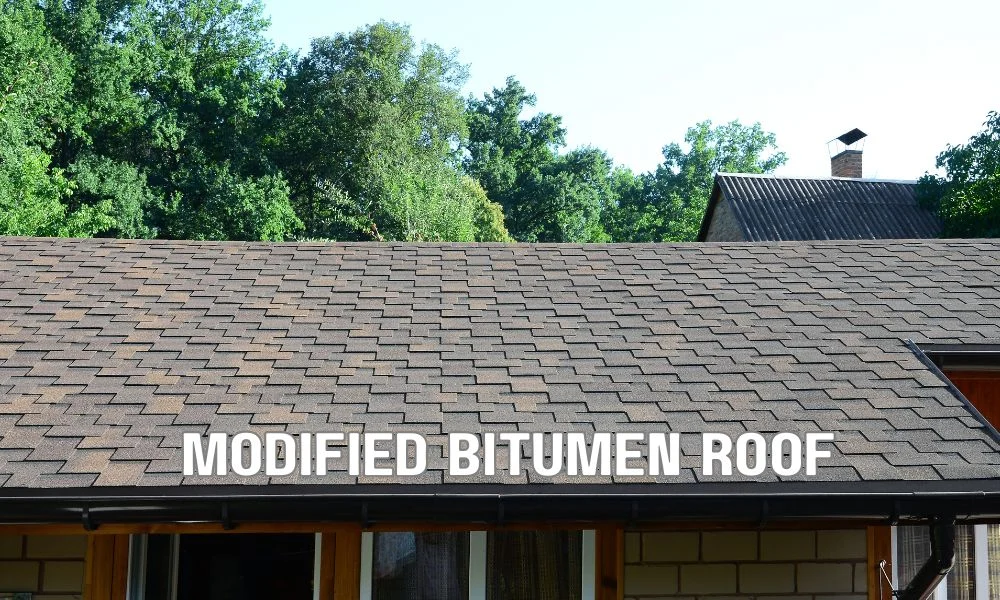
Several key factors influence the overall cost of commercial roof maintenance, primarily including the roof’s size, type, age, accessibility, and the local climate. Larger roofs naturally require more materials and labor, driving up costs. The type of roofing material—such as TPO, EPDM, PVC, built-up, or modified bitumen—dictates specific maintenance needs, repair techniques, and material costs. For instance, maintaining a metal roof often differs significantly from a single-ply membrane.
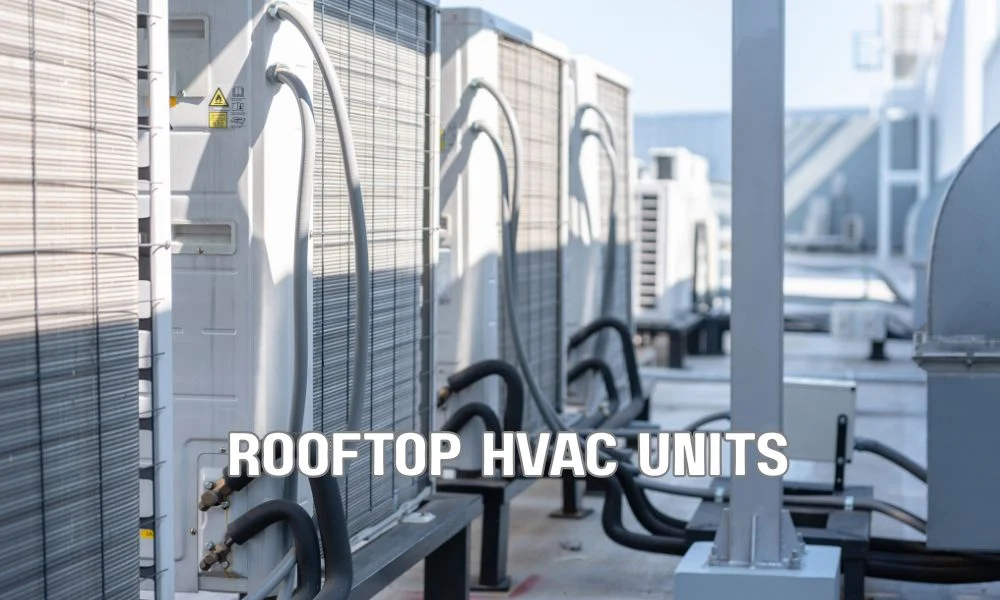
The age and current condition of the roof play a crucial role; older roofs with existing damage or extensive wear will demand more intensive and frequent interventions. Accessibility also impacts cost, as roofs with numerous obstructions (HVAC units, skylights, complex geometries) or those requiring specialized access equipment will incur higher labor expenses. Finally, local climate conditions, including exposure to extreme temperatures, heavy precipitation, high winds, or airborne pollutants, can accelerate wear and necessitate more robust and frequent maintenance schedules, directly affecting the annual budget.
| Maintenance Task | Frequency | Typical Cost Range (per square foot, annual) | Benefit |
|---|---|---|---|
| Seasonal Inspections (2x-4x per year) | Biannual/Quarterly | $0.01 – $0.03 | Early detection of issues, warranty compliance |
| Drain & Gutter Cleaning | Biannual/Quarterly | Included in inspection/Minor repairs | Prevents water pooling, extends membrane life |
| Minor Sealant/Caulk Repair | As needed (during inspections) | $0.01 – $0.02 | Seals small penetrations, prevents leaks |
| Small Patch Repairs (up to 10 sq ft) | As needed | $0.02 – $0.05 | Stops leaks from escalating, preserves insulation |
| Membrane Cleaning/Treatment | Every 3-5 years | $0.03 – $0.08 (when performed) | Maintains reflectivity, prevents biological growth |
| Total Preventative Maintenance (Annual Estimate) | $0.03 – $0.15 | Significantly extends roof life, reduces emergency costs | |
| Emergency Repair (Reactive, per incident) | $5.00 – $15.00+ | Temporary fix, often leads to interior damage, high cost |
Quantifying the Return on Investment (ROI)
What is the documented ROI of preventative roof maintenance?
The documented ROI of preventative roof maintenance is substantial, often yielding a return of 200-300% or more over the roof’s lifespan, primarily through extended roof life and avoided emergency repairs. By investing a small annual percentage of the roof’s replacement cost into maintenance, building owners can defer a full replacement by 5 to 10 years or even longer. For instance, an initial roof investment of $250,000 for a 20-year roof can be stretched to 25-30 years with proper PM, saving the full replacement cost for an additional decade.
Consider a roof with an annual PM cost of $5,000 (for a $250,000 roof, 2% of replacement cost). Over 10 years, this is $50,000. If this extends the roof’s life by 10 years, it avoids a $250,000 replacement. The net savings are $200,000 ($250,000 avoided cost – $50,000 PM cost), representing a 400% ROI. Furthermore, PM programs significantly reduce the frequency and severity of leaks, which can cause internal damage to inventory, equipment, and structural components. These avoided damages often represent an unquantifiable but significant saving, protecting business continuity and reputation.
How does PM reduce emergency repair expenses?
Preventative maintenance drastically reduces emergency repair expenses by identifying and rectifying small, manageable issues before they escalate into urgent, costly crises. Routine inspections catch minor defects like hairline cracks, loose flashing, or clogged drains early, allowing for simple, inexpensive commercial roof repair during scheduled maintenance. These minor repairs prevent the conditions that lead to severe leaks, extensive water damage, or structural compromise, which are the primary drivers of emergency costs.
Emergency repairs are inherently more expensive due to their unpredictable nature, requiring rapid response, after-hours labor rates, and often temporary fixes that may not fully resolve the underlying problem. A proactive approach means avoiding the premium pricing associated with urgent call-outs, specialized equipment for major water extraction, and interior reconstruction. By investing consistently in PM, property owners shift from a reactive, unpredictable expense model to a planned, budgeted expenditure, leading to substantial long-term savings and greater financial stability.
What are the long-term benefits beyond cost savings?
Beyond direct cost savings, the long-term benefits of preventative maintenance extend to enhanced property value, improved tenant satisfaction, energy efficiency, and minimized operational disruptions. A meticulously maintained roof signals responsible asset management, making a property more attractive to potential buyers and commanding a higher resale value. Tenants appreciate a well-maintained building that provides a comfortable and secure environment, reducing complaints related to leaks or temperature inconsistencies and fostering stronger lease relationships.
Energy efficiency gains are significant, as an intact roof system with properly sealed insulation prevents heat loss in winter and heat gain in summer, leading to lower utility bills and a reduced carbon footprint. Perhaps most critically, minimizing operational disruptions safeguards business continuity. Avoiding unexpected leaks or roof failures means no downtime for repairs, no damaged inventory, and no interruption to daily operations, which can have profound positive impacts on productivity and profitability. The peace of mind that comes with a reliable roof is an invaluable long-term benefit.
Critical Fact 2: According to FEMA, nearly 40% of small businesses do not reopen after a disaster, with water damage being a leading cause. Preventative roof maintenance significantly reduces the risk of such business-crippling incidents.
Leveraging Technology for Enhanced Maintenance
How can technology optimize roof inspection and data management?
Technology significantly optimizes roof inspection and data management through the use of drones, thermal imaging, moisture meters, and specialized roof management software platforms. Drones equipped with high-resolution cameras can rapidly and safely inspect large roof areas, identifying anomalies like cracks, ponding water, or debris without putting personnel at risk. Thermal imaging cameras can detect hidden moisture intrusion or insulation deficiencies that are invisible to the naked eye, pinpointing exact problem areas for targeted repairs.
Moisture meters provide precise data on water content within the roof system, quantifying the extent of damage. All this data is then seamlessly integrated into advanced roof management software. These platforms store inspection reports, repair histories, warranty information, and photographic evidence in a centralized, easily accessible database. This digital repository allows for trend analysis, predictive maintenance scheduling, automated alerts for recurring issues, and streamlined communication between facility managers and contractors. By leveraging technology, PM programs become more efficient, accurate, and data-driven, enabling proactive decision-making and better long-term asset performance.
Critical Fact 3: The National Institute of Building Sciences estimates that every dollar invested in hazard mitigation, including preventative maintenance for building envelopes, saves an average of six dollars in future disaster costs.
Frequently Asked Questions
What is the ideal frequency for commercial roof inspections?
The ideal frequency for commercial roof inspections is typically twice a year (biannually), usually in the spring and fall, to assess and mitigate seasonal damage. However, roofs in harsh climates, older roofs, or those subjected to heavy traffic or frequent penetrations may benefit from quarterly inspections.
Is preventative maintenance a requirement for roof warranties?
Yes, most commercial roof manufacturer warranties explicitly state that a regular preventative maintenance program is required to keep the warranty valid. Failure to adhere to these maintenance stipulations can void the warranty, leaving the building owner responsible for the full cost of repairs or replacement.
Can preventative maintenance improve a building’s energy efficiency?
Absolutely. Preventative maintenance identifies and repairs issues like compromised insulation, air leaks, and ponding water that degrade the roof’s thermal performance. Maintaining a sealed and intact roof system significantly reduces heat transfer, leading to improved energy efficiency and lower utility costs.
How do I choose the right contractor for my PM program?
Choose a contractor with a proven track record in commercial roofing, specific experience with your roof type, and a strong emphasis on preventative programs. Look for certifications, excellent references, comprehensive insurance, and a commitment to detailed documentation and communication.
What types of commercial roofs benefit most from PM?
All commercial roof types benefit significantly from PM, but flat or low-slope roofs (TPO, EPDM, PVC, modified bitumen, built-up) often show the most dramatic ROI due to their susceptibility to ponding water and debris accumulation. Metal roofs also benefit from rust prevention and sealant checks.
What is the difference between reactive and preventative maintenance?
Reactive maintenance addresses problems only after they occur (e.g., fixing a leak), typically involving higher emergency costs and potential interior damage. Preventative maintenance proactively identifies and resolves minor issues before they become problems, saving money and extending roof life.
Can PM help with roof insurance claims?
Yes, a well-documented preventative maintenance program provides a clear history of the roof’s condition and maintenance efforts. This documentation can be invaluable in substantiating claims for weather-related damage, demonstrating that the damage was not due to neglect.
How can PM contribute to sustainable building practices?
PM contributes to sustainable building practices by extending the roof’s lifespan, thereby reducing waste from premature roof replacements. It also optimizes energy efficiency, lowers operational carbon footprints, and ensures the longevity of building materials, aligning with green building principles.
