
Executive Summary
- Swift action after commercial roof storm damage is paramount to prevent escalating secondary issues like water intrusion and structural degradation.
- Emergency tarping creates a vital temporary waterproof barrier, immediately protecting interior assets and minimizing business disruption post-storm.
- Selecting professional, certified contractors ensures safe, effective repairs and proper documentation crucial for successful insurance claims processing.
- High-quality materials, such as reinforced polyethylene tarps and durable adhesives, are essential for robust temporary repairs that withstand further adverse weather.
- Understanding the specific damage and potential for hidden issues requires a thorough assessment by experts before any permanent repair decisions are made.
- Properly executed temporary repairs provide a critical window for detailed damage assessment, insurance claim negotiation, and planning for permanent solutions.
- Timely communication with your commercial property insurer is crucial, as they can guide you through the process and cover eligible emergency repair costs.
Understanding the Urgency of Post-Storm Commercial Roof Damage
When a severe storm batters a commercial building, the roof often takes the brunt of the impact, leading to immediate and potentially catastrophic damage. From ripped-off shingles and membrane punctures to compromised flashing and structural weaknesses, the integrity of your building’s primary defense can be severely compromised. The clock starts ticking the moment the storm passes, as even a minor breach can quickly escalate into extensive interior damage, operational downtime, and significant financial loss if not addressed with extreme urgency. Proactive assessment and immediate temporary repairs are not just recommended; they are an essential business continuity strategy.
Critical Fact 1: Up to 90% of commercial building water damage originates from roof leaks, and even a small leak can cause an average of $5,000-$10,000 in interior damage within 24 hours if not contained.
What are the immediate risks of storm damage to a commercial roof?
The immediate risks of storm damage to a commercial roof are multifaceted and severe, primarily revolving around water intrusion, structural compromise, and business interruption. Water infiltration can rapidly damage interior walls, ceilings, electrical systems, inventory, and sensitive equipment, leading to mold growth within 24-48 hours. Beyond water, high winds can loosen or tear off roofing materials, exposing the underlying structure to further weather elements and potentially compromising the entire roof system’s stability. Such damage necessitates immediate action to secure the building envelope and mitigate progressive harm, which can otherwise lead to lengthy repairs and significant financial setbacks from lost productivity and extensive restoration costs.
How does emergency roof tarping prevent further damage?
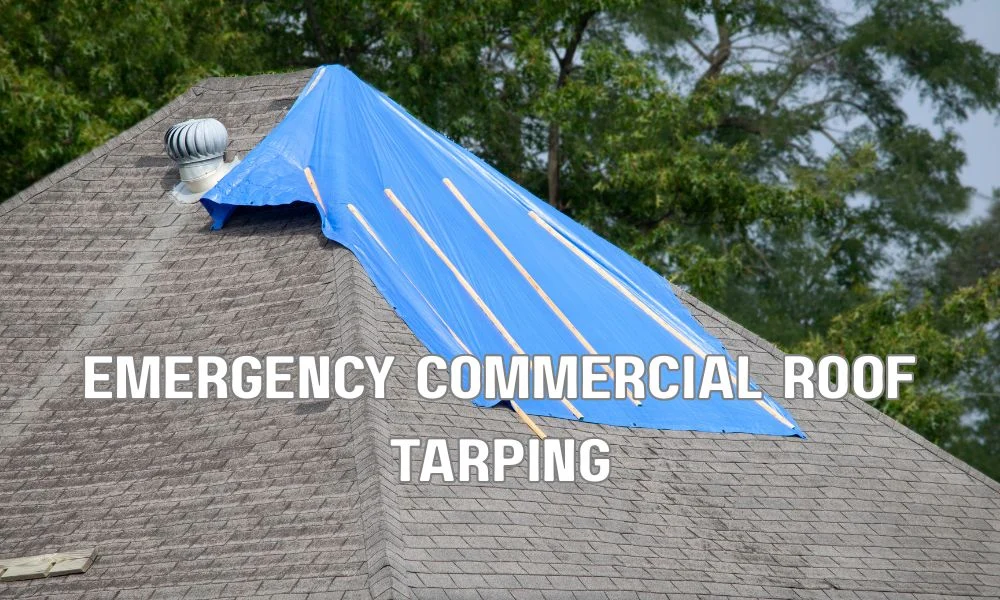
Emergency roof tarping prevents further damage by creating an immediate, temporary waterproof barrier over compromised sections of a commercial roof. This rapid deployment acts as a shield against ongoing precipitation, wind, and debris, effectively halting water intrusion into the building’s interior. By sealing off exposed areas, tarping protects valuable assets, prevents mold growth, and preserves the structural integrity of the roof and building components that would otherwise be subjected to continuous weathering. This crucial stop-gap measure buys property owners valuable time to conduct comprehensive damage assessments, navigate insurance claims, and plan for permanent, long-term repairs without the immediate threat of escalating secondary damage.
The Process of Effective Emergency Tarping
Effective emergency tarping isn’t simply throwing a sheet over a hole; it’s a strategic, safety-conscious operation that requires specific materials and a methodical approach. The goal is to provide a robust, temporary seal that can withstand additional weather events until permanent repairs can be scheduled and completed. This process often begins with a thorough assessment of the damage, identifying all areas of compromise, followed by meticulous preparation of the roof surface. Proper execution ensures the tarp remains secure, preventing further uplift or dislodgement, which is critical for maintaining its protective function and preventing new damage from the temporary fix itself.
What materials are best for temporary roof repairs?
The best materials for temporary roof repairs prioritize durability, waterproofing, and ease of application in urgent situations. Heavy-duty, reinforced polyethylene tarps are a primary choice due to their resistance to tearing, UV degradation, and water penetration. These come in various mil thicknesses, with thicker options offering superior protection. Alongside tarps, specialized roofing adhesives and sealants are crucial for creating watertight seams and securing edges, especially around penetrations or tricky architectural features. Wooden boards, such as 2x4s, are often used as “weighted runners” to secure tarps against high winds, along with industrial-strength screws or nails for anchoring without causing further damage to the roof’s substrate.
| Material Type | Key Features | Typical Application | Durability (Temporary) | Cost Indication |
|---|---|---|---|---|
| Reinforced Polyethylene Tarps | UV resistant, tear-proof, waterproof, various mil thicknesses | Primary cover for large roof sections, punctures, skylight damage | High (several weeks to months) | Moderate |
| Waterproof Adhesive/Sealant | Flexible, fast-curing, adheres to multiple surfaces (metal, membrane) | Sealing tarp edges, small cracks, flashing around vents/pipes | High (weeks) | Low to Moderate |
| Wood Boards (2x4s) | Structural support, weight, anchor for tarps | Securing tarp edges and seams against wind uplift | High (physical integrity) | Low |
| Specialty Fasteners | Roofing screws, specialized clips, non-damaging anchors | Attaching tarps to secure roof elements without causing new leaks | High | Low |
What are the key steps in professional emergency roof tarping?
Professional emergency roof tarping involves a systematic approach to ensure safety and effectiveness. Firstly, a thorough safety assessment is conducted, securing the site and ensuring fall protection. Next, the affected area is cleared of debris, such as tree branches or loose roofing materials, to create a clean surface. A detailed damage inspection follows, identifying all entry points and assessing the extent of underlying damage. The chosen tarp is then precisely positioned to extend beyond all damaged areas, ensuring ample overlap. Finally, the tarp is securely fastened using weighted runners, specialized fasteners, and appropriate sealants, ensuring it can withstand further wind and rain without causing additional damage to the roof or structure.
Choosing the Right Professional for Temporary Roof Repairs
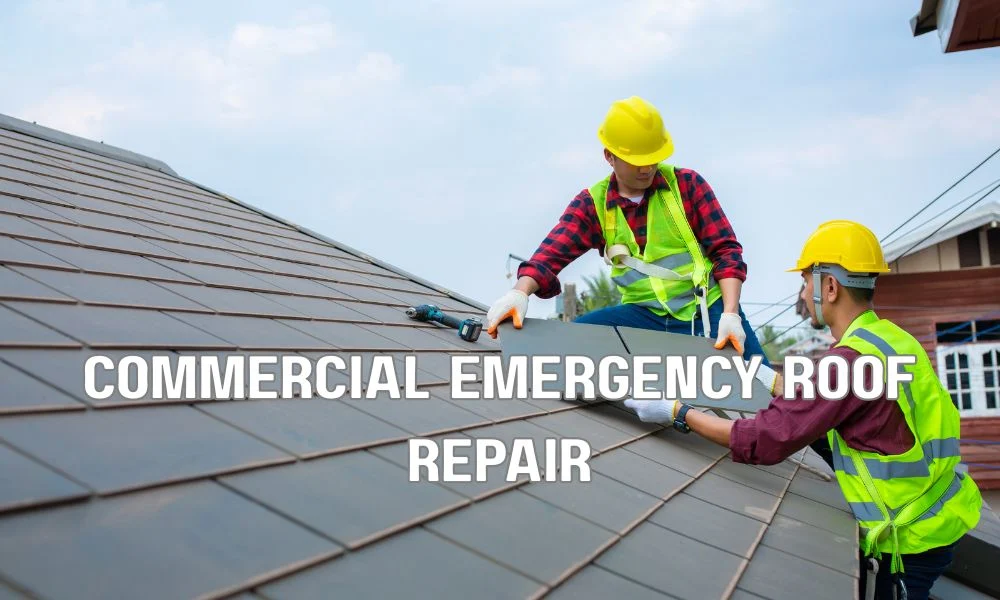
When your commercial roof suffers storm damage, the decision to hire a professional for emergency tarping and temporary repairs is not merely a convenience; it’s a critical investment in your property’s immediate and long-term well-being. The complexities of commercial roofing systems, coupled with the inherent dangers of working at height, demand expertise that only certified and experienced contractors can provide. Attempting DIY repairs can void warranties, lead to further damage, and expose your business to significant liability risks. A professional team ensures the job is done safely, effectively, and in compliance with all relevant building codes and insurance requirements.
Why is certified professional help crucial for commercial properties?
Certified professional help is crucial for commercial properties due to the intricate nature of commercial roofing systems, stringent safety regulations, and the significant financial implications of improper repairs. Commercial roofs often involve complex materials, unique drainage systems, and specialized installation techniques that require specific expertise. Professionals possess the necessary training, equipment, and insurance to safely access damaged areas, assess the full extent of the problem (including hidden damage), and execute repairs that comply with local building codes. Furthermore, their documentation and expertise are invaluable when navigating complex insurance claims, helping ensure maximum coverage and avoiding delays or denials often associated with amateur fixes.
What should you look for in an emergency roofing contractor?
When selecting an emergency roofing contractor, prioritize those who demonstrate a proven track record of rapid response and commercial expertise. Look for contractors who are fully licensed, bonded, and insured, providing protection against accidents and property damage. Their experience with commercial roofing systems is paramount, as it differs significantly from residential. Ensure they offer a 24/7 emergency response service with a clear communication protocol. Review their reputation through client testimonials and industry affiliations. Finally, verify their safety protocols and their ability to provide comprehensive documentation for insurance purposes, including before-and-after photos and detailed reports of the temporary repairs performed.
Critical Fact 2: An improperly installed emergency tarp can exacerbate damage, cause new leaks, or become a dangerous projectile in high winds, leading to additional repair costs and potential liability.
Long-Term Implications and Next Steps
While emergency roof tarping provides immediate relief and protection, it is, by definition, a temporary solution. The true goal is to mitigate immediate threats and create a stable environment for thorough assessment and strategic planning towards a permanent repair or replacement. Overlooking the transition from temporary to permanent solutions can lead to chronic issues, ongoing maintenance costs, and potential failures that compromise your building’s longevity and operational efficiency. The next steps involve a detailed evaluation, navigating the insurance process, and making informed decisions about the future of your commercial roof.
How do temporary repairs pave the way for permanent solutions?
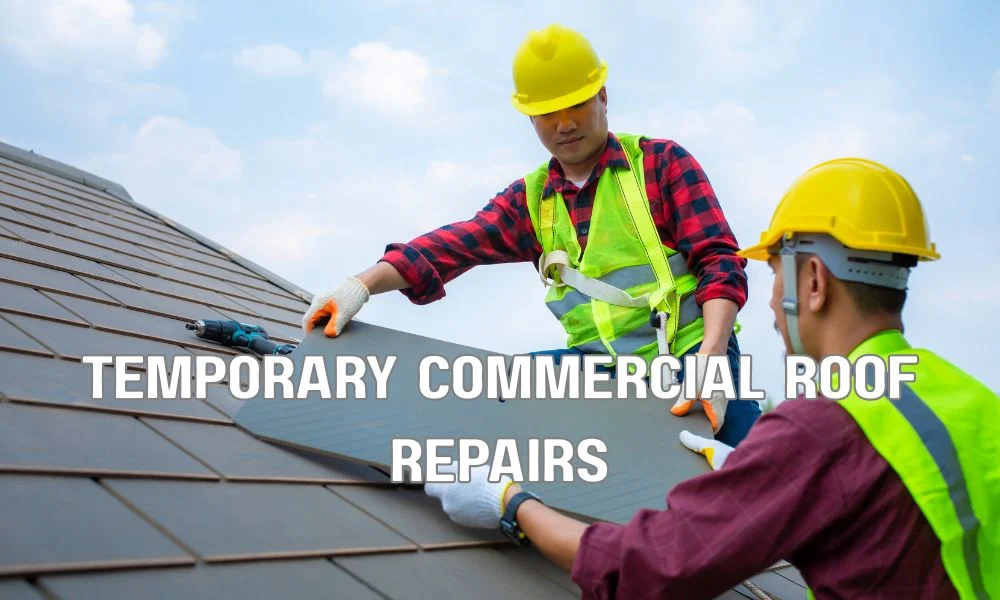
Temporary repairs pave the way for permanent solutions by first stabilizing the immediate crisis and preventing further deterioration. This crucial step creates a protected environment, allowing building owners and contractors to conduct a thorough, unhurried assessment of the full extent of storm damage without the urgency of impending leaks. This detailed evaluation informs the scope of work for permanent repairs, ensuring all issues, visible and hidden, are addressed comprehensively. Moreover, temporary fixes buy valuable time for securing necessary permits, procuring materials, and scheduling certified contractors, facilitating a planned and strategic approach to long-term roof restoration or replacement, rather than a reactive one.
What is the role of insurance in emergency roof repairs?
Insurance plays a pivotal role in emergency roof repairs by providing financial coverage for eligible storm damage and the associated temporary fixes. Property owners must promptly notify their insurer of the damage, documenting everything with photos and videos. The insurance company will typically send an adjuster to assess the damage and verify the claim. Understanding your policy’s specifics, including deductibles and coverage limits for temporary repairs (often classified as “loss mitigation”), is crucial. Working collaboratively with your adjuster and providing thorough documentation from your chosen contractor can expedite the claims process, ensuring you receive the maximum eligible reimbursement for both emergency tarping and subsequent permanent repairs.
When should you transition from temporary to permanent roof repairs?
You should transition from temporary to permanent roof repairs as soon as practically possible, ideally once the immediate threat of further severe weather has passed and a comprehensive plan is in place. This transition period typically begins after the insurance claim has been approved, detailed damage assessments are complete, and a qualified commercial roofing contractor has been selected. While temporary tarps offer crucial protection, they are not designed for long-term exposure and can degrade or fail over time, potentially leading to new leaks. Proactive scheduling ensures the permanent repair or replacement is executed efficiently, restoring your building’s full protection and extending its lifespan without undue delay.
Conclusion
Protecting a commercial building after storm damage demands an immediate, strategic response, with emergency roof tarping serving as the critical first line of defense. Swift action not only prevents widespread interior destruction and operational paralysis but also preserves the structural integrity of your valuable asset. Engaging certified professionals ensures that temporary repairs are executed safely and effectively, providing the essential time needed for comprehensive damage assessment and seamless navigation of the insurance claim process. This proactive approach lays the groundwork for informed decisions regarding permanent solutions, safeguarding your investment and ensuring the long-term resilience of your commercial property against future climatic challenges.
Critical Fact 3: Proactive emergency roof tarping immediately after storm damage can reduce overall repair costs by 20-40% by preventing secondary damage like extensive water damage, mold remediation, and structural repairs.
Frequently Asked Questions
How quickly should emergency roof tarping be performed after storm damage?
Emergency roof tarping should be performed as quickly as possible, ideally within 24-48 hours of the storm, to prevent further water intrusion and secondary damage to the building’s interior and contents. Delays significantly increase the risk of mold growth and structural issues.
Does my commercial property insurance cover emergency roof tarping?
Most commercial property insurance policies cover emergency roof tarping as part of “loss mitigation” or “reasonable repairs” to prevent further damage. It’s crucial to document the damage and contact your insurer immediately after the storm to confirm coverage and procedures.
What types of commercial roofs can be temporarily tarped?
Virtually all types of commercial roofs can be temporarily tarped, including flat roofs (TPO, EPDM, PVC), low-slope roofs, and pitched roofs (metal, shingles). The method of securing the tarp will vary depending on the roof’s specific material and structure.
How long do temporary roof tarps typically last?
Temporary roof tarps are generally designed to last from a few weeks to several months, depending on the quality of the tarp, the method of installation, and subsequent weather conditions. They are not a permanent solution and should be replaced with permanent repairs as soon as feasible.
Can I perform emergency roof tarping myself to save costs?
While possible, it is not recommended for commercial properties due to safety risks, the complexity of commercial roofing systems, and potential issues with insurance claims if not done professionally. Improper installation can also cause further damage.
What documentation do I need for my insurance claim regarding temporary repairs?
You should gather photos and videos of the damage before and after tarping, invoices from the contractor for materials and labor, and detailed reports outlining the scope of temporary repairs. Keep all communication with the contractor and insurer.
Will emergency tarping interfere with permanent roof repairs?
No, a professionally installed emergency tarp should not interfere with permanent roof repairs. In fact, it protects the roof until permanent repairs can be scheduled, often providing the necessary time for detailed assessments and material procurement without further damage.
How do I choose a reputable contractor for emergency tarping?
Look for a contractor who is licensed, bonded, and insured, has specific experience with commercial roofing, offers 24/7 emergency service, and provides clear references. Ensure they can also assist with documentation for your insurance claim.
