
Executive Summary
- Prioritizing optimal roof insulation with high R-values is crucial for commercial buildings to significantly reduce energy costs and enhance internal comfort.
- Polyisocyanurate (Polyiso) offers superior thermal resistance and fire performance, making it a leading choice for new commercial roofing and re-roofing projects.
- Tapered insulation systems are essential for effective roof drainage, preventing ponding water that compromises roof integrity and shortens membrane lifespan.
- Adhering to specific climate zone R-value requirements ensures compliance with building codes and maximizes energy efficiency for sustainable building operations.
- Strategic insulation selection, balancing initial investment with long-term energy savings and maintenance reduction, is key to overall building profitability.
- Proper insulation installation, including seamless layering and secure fastening, is vital to achieving the intended R-value and preventing thermal bridging.
Understanding Commercial Roof Insulation
Effective roof insulation is paramount for commercial buildings, serving as a critical barrier against heat transfer, directly impacting energy consumption and operational costs. It dictates a building’s energy footprint and contributes significantly to indoor environmental quality, making it a pivotal component in modern construction.
Critical Fact 1: Commercial buildings typically lose up to 25-35% of their heat through an inadequately insulated roof, underscoring the critical need for optimal thermal barriers.
Why is proper commercial roof insulation crucial?
Proper commercial roof insulation is crucial because it directly influences a building’s energy efficiency, internal climate control, and structural durability. By minimizing heat gain in summer and heat loss in winter, it significantly reduces HVAC demands, leading to substantial operational cost savings and a lower carbon footprint. Furthermore, it prevents condensation within the roof assembly, protecting structural components from moisture damage and extending the lifespan of the entire roofing system.
What are R-values and why are they important for commercial roofs?
R-values quantify a material’s thermal resistance, indicating its ability to resist heat flow; a higher R-value denotes better insulating properties. For commercial roofs, R-values are critically important as they determine the effectiveness of the insulation in maintaining stable indoor temperatures and minimizing energy consumption. Meeting or exceeding recommended R-values ensures compliance with energy codes, optimizes HVAC performance, and provides a comfortable interior environment regardless of external weather conditions.
How do climate zones influence R-value requirements?
Climate zones significantly influence R-value requirements by mandating specific insulation levels tailored to regional temperature extremes and energy conservation goals. Building codes, such as those from ASHRAE 90.1 or IECC, divide North America into different zones, each with prescribed minimum R-values for roofs to ensure optimal energy performance. These localized standards ensure buildings are adequately insulated to combat the predominant heating or cooling demands of their specific geographic location, preventing excessive energy waste.
[INTERNAL_IMAGE: A sophisticated commercial building roof showcasing multiple layers of high-performance insulation, including rigid polyisocyanurate boards and a tapered system leading to drainage, under a clear blue sky, with modern HVAC units discreetly integrated.]
Polyisocyanurate (Polyiso) Insulation: A Deep Dive
Polyisocyanurate (Polyiso) is a rigid foam board insulation recognized for its superior thermal performance and versatility in commercial roofing. Its closed-cell technology offers excellent R-value per inch, making it efficient for high thermal resistance within compact roof assemblies. Its robust composition and inherent fire resistance properties further solidify its position as a leading insulation material for flat and low-slope commercial roofs.
What makes Polyiso a preferred choice for commercial roofing?
Polyiso is a preferred choice for commercial roofing due to its exceptional R-value per inch, which minimizes the required insulation thickness while maximizing thermal efficiency. Its closed-cell structure resists moisture absorption, maintaining insulating properties even in humid conditions. Additionally, Polyiso offers good dimensional stability, compatibility with various roofing membranes (TPO, EPDM, PVC), and favorable fire performance characteristics, meeting stringent building code requirements.
What are the different types of Polyiso and their applications?
Polyiso insulation comes in several types, primarily differentiated by facer materials and application. Standard Polyiso boards typically feature fiberglass-reinforced felt or coated fiberglass facers for single-ply membrane compatibility. High-density Polyiso is designed for enhanced compressive strength, suitable for areas with heavy foot traffic or equipment. Cover boards, often part of the Polyiso family, provide an additional layer of protection, improving impact resistance and fire ratings for the roof assembly.
How does Polyiso perform in terms of R-value and fire resistance?
Polyiso performs exceptionally well in terms of R-value, typically offering R-5.6 to R-6.0 per inch, which is among the highest for common commercial roofing insulations, ensuring excellent thermal efficiency. Regarding fire resistance, Polyiso has inherent charring properties that contribute to its classification as a fire-resistant material, often achieving high ratings in various fire tests (e.g., Class A roof systems) without the need for additional fire-retardant additives, enhancing building safety.
Critical Fact 2: Polyiso’s R-value can be slightly affected by temperature, a phenomenon known as “thermal drift,” where its R-value may stabilize at a slightly lower but still high level over its service life.
The Power of Tapered Insulation Systems
Tapered insulation systems introduce a slight slope to a flat roof, guiding water toward drainage points. This proactive water management is vital for commercial buildings, as standing water can severely degrade roofing membranes and add structural load. Implementing a tapered system enhances roof longevity and prevents costly moisture issues.
What is a tapered insulation system and how does it prevent ponding water?
A tapered insulation system is a specialized roof insulation assembly featuring boards cut to varying thicknesses to create a predetermined slope across a flat roof deck. It prevents ponding water by actively directing rainwater and meltwater towards roof drains, scuppers, or eaves, ensuring efficient drainage. This systematic slope eliminates areas where water can accumulate, thus protecting the roofing membrane from prolonged exposure to moisture and associated deterioration.
What are the components of a typical tapered Polyiso system?
A typical tapered Polyiso system consists of several integrated components: flat Polyiso insulation boards laid directly on the roof deck to achieve the baseline R-value, followed by tapered Polyiso panels with slopes varying from 1/8″ to 1/2″ per foot. These panels are often complemented by cricket systems (miniature tapered valleys) to direct water around penetrations and sumps at drain locations. Cover boards might be added on top for protection and membrane adhesion.
How do tapered systems contribute to long-term roof durability?
Tapered systems contribute significantly to long-term roof durability by eliminating ponding water, which is a primary cause of premature roof failure. By ensuring efficient drainage, they prevent membrane degradation from hydrostatic pressure, UV exposure intensified by water magnification, and freeze-thaw cycles. This proactive water management mitigates leaks, reduces maintenance requirements, and extends the effective service life of the entire commercial roofing system, safeguarding the building’s assets.
Selecting the Right Insulation System
Choosing the appropriate roof insulation system for a commercial building involves evaluating R-value requirements, climate conditions, budget constraints, and long-term performance goals. A comprehensive approach considers the insulation material, its compatibility with the roofing membrane, and the building’s structural design.
How does cost-benefit analysis apply to commercial roof insulation?
Cost-benefit analysis for commercial roof insulation involves weighing the initial material and installation costs against the projected long-term savings in energy consumption and reduced maintenance. Higher-R-value insulations like Polyiso may have a greater upfront cost but typically yield substantial energy bill reductions, offering a quicker payback period and enhanced asset value. This analysis ensures the chosen insulation provides the best return on investment over the building’s lifespan.
What role do building codes and energy efficiency standards play?
Building codes and energy efficiency standards play a paramount role by setting minimum R-value requirements and performance criteria for commercial roof insulation, ensuring compliance and promoting sustainable building practices. Codes like ASHRAE 90.1 and the International Energy Conservation Code (IECC) mandate specific insulation levels based on climate zones, driving the selection of materials that meet or exceed these thresholds. Adhering to these standards is legally required and ensures optimal building performance.
Comparison: Polyiso vs. Other Commercial Roof Insulation Types
Understanding the distinctions between various commercial roof insulation types is critical for informed decision-making. While Polyiso excels in R-value and fire resistance, other materials offer different benefits, balancing cost, performance, and application suitability.
| Insulation Type | Typical R-Value (per inch) | Pros | Cons | Primary Application |
|---|---|---|---|---|
| Polyisocyanurate (Polyiso) | R-5.6 to R-6.0 | High R-value, fire resistance, moisture resistant, lightweight | Higher cost than EPS/XPS, R-value can fluctuate with temp | Flat/low-slope commercial roofs, new construction/re-roofs |
| Expanded Polystyrene (EPS) | R-3.8 to R-4.2 | Cost-effective, good compressive strength, stable R-value | Lower R-value than Polyiso, susceptible to moisture absorption | Built-up roofs, tapered systems (often as base layer) |
| Extruded Polystyrene (XPS) | R-5.0 | Excellent moisture resistance, good compressive strength | Higher cost, limited compatibility with some membranes | Protected membrane roofs (PMR), plaza decks |
| Mineral Wool (Stone Wool) | R-3.0 to R-4.0 | Non-combustible, excellent sound absorption, vapor permeable | Lower R-value, heavier, can absorb water if unprotected | Acoustic isolation, fire protection, high-temperature applications |
Installation and Longevity
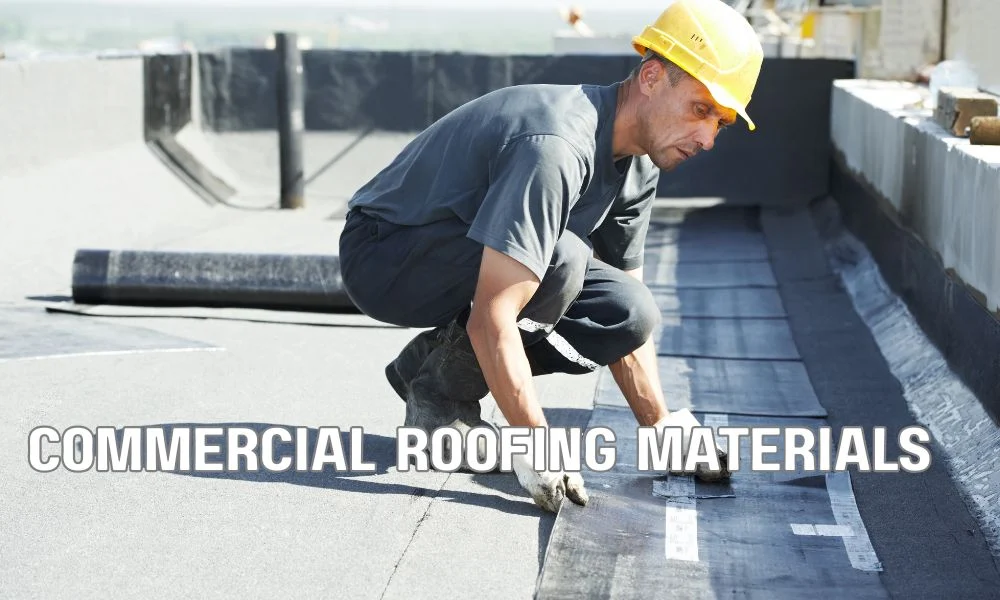
The efficacy of any commercial roof insulation system depends profoundly on meticulous installation practices. Poor installation can lead to thermal bridging and moisture ingress, compromising the roof assembly’s performance and lifespan. Adhering to manufacturer guidelines and industry best practices is crucial.
What are best practices for installing commercial roof insulation?
Best practices for installing commercial roof insulation include ensuring a clean, dry, and level substrate, precisely cutting and fitting insulation boards to minimize gaps, and employing proper fastening methods (mechanical attachment or adhesive) according to wind uplift requirements. Staggering joints between layers to prevent thermal bridging, protecting insulation from moisture during installation, and integrating effective vapor barriers are also critical for long-term performance.
How does insulation impact the lifespan and performance of a commercial roof?
Insulation significantly impacts the lifespan and performance of a commercial roof by providing thermal protection that mitigates temperature fluctuations, reducing stress on the roofing membrane. It helps maintain a stable substrate temperature, preventing premature aging and cracking of the membrane. Effective insulation also prevents moisture-related issues, such as mold and rot, thereby extending the roof’s structural integrity and overall service life, leading to fewer repairs and replacements.
Critical Fact 3: The lifecycle cost of commercial roof insulation often reveals that higher upfront investments in superior R-values and tapered systems result in significant savings over the building’s operational life, primarily through reduced energy consumption and deferred maintenance.
Frequently Asked Questions
What is the ideal R-value for commercial roof insulation?
The ideal R-value varies significantly based on your building’s climate zone, local building codes (e.g., ASHRAE 90.1, IECC), and specific energy efficiency goals. Consult a roofing professional to determine the optimal R-value to meet both regulatory requirements and desired performance for your commercial property.
Can existing commercial roofs be insulated or re-insulated?
Yes, many existing commercial roofs can be insulated or re-insulated. This often involves adding insulation layers over the existing deck or during a re-roofing project. A thorough assessment by a roofing contractor is necessary to determine structural capacity and the most effective insulation strategy.
Is Polyiso insulation recyclable?
While Polyiso insulation is technically recyclable, the infrastructure for its commercial recycling is still developing and not widely available. However, manufacturers are increasingly offering take-back programs and opportunities for factory scrap recycling, aiming for more sustainable practices.
How does a tapered insulation system affect roof installation time?
A tapered insulation system typically adds a marginal amount of time to the overall roof installation process due to the need for precise layout and cutting of varying board thicknesses. However, this small investment in time significantly reduces future maintenance and water-related issues.
What is thermal bridging in commercial roof insulation?
Thermal bridging occurs when heat bypasses the insulation layer through materials with lower thermal resistance, such as fasteners or structural elements. Proper insulation installation, including staggered joints and thermal break solutions, is crucial to minimize thermal bridging and maintain R-value integrity.
How often should commercial roof insulation be inspected?
Commercial roof insulation should be inspected annually as part of a comprehensive roof maintenance program. Infrared thermography can be particularly effective in identifying moisture infiltration within the insulation layer without destructive testing, helping to proactively address potential issues.
What is the payback period for investing in high R-value insulation?
The payback period for investing in high R-value insulation varies depending on energy costs, climate, and the specific R-value increase. However, many commercial buildings see a payback within 3-7 years through reduced energy bills, making it a sound long-term investment.
Can insulation improve a commercial building’s LEED certification?
Yes, specifying high-performance roof insulation, particularly materials with recycled content or those contributing to energy efficiency, can significantly contribute towards achieving LEED certification points. It aligns with credits for energy performance, materials and resources, and sustainable site categories.
