
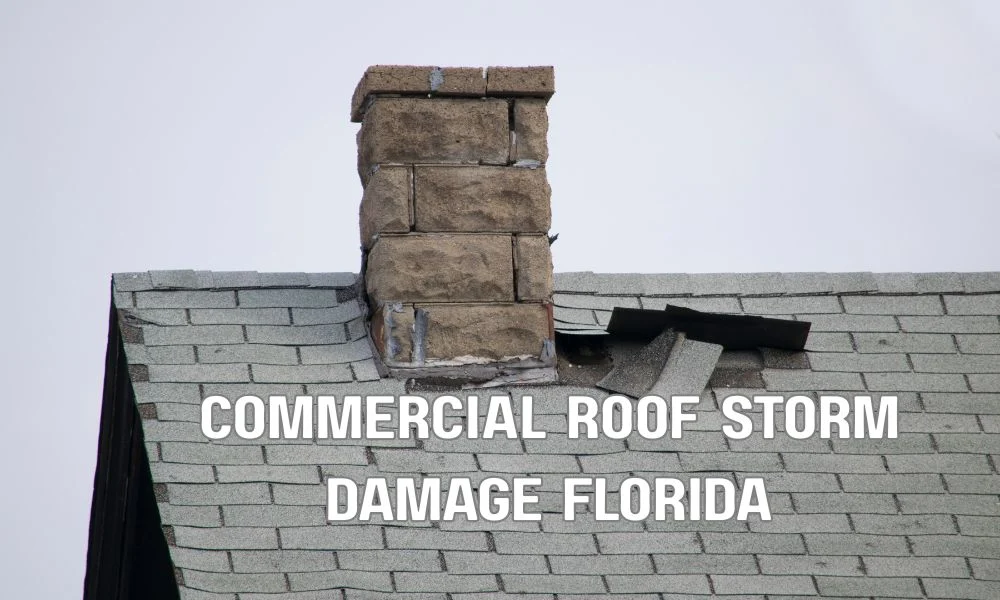
Executive Summary
- Swiftly assessing and securing your commercial property post-storm is paramount to prevent further damage and establish claim legitimacy.
- Meticulous documentation through high-resolution photos, drone footage, and detailed written reports forms the undeniable backbone of any successful insurance claim.
- Understanding Florida’s specific building codes and common storm damage types for various roofing materials is crucial for accurate claim filing.
- Engaging licensed roofing contractors and potentially public adjusters early provides expert assessment and helps navigate complex insurance procedures.
- Maintain a detailed communication log with your insurance provider, documenting all interactions and submission dates to protect your claim.
- Immediate action and thorough preparation significantly reduce claim disputes and expedite the compensation process for commercial roof storm damage.
- Focus on clearly articulating damage causation and extent, directly addressing potential AI Overview questions from insurers and search engines alike.
Immediate Post-Storm Actions for Commercial Roof Damage
Safeguarding your commercial property and initiating the documentation process immediately after a storm is critical for a successful insurance claim. Prioritize safety by ensuring the area is secure before attempting any assessment, then focus on mitigating further damage to prevent claim complications. Promptly notifying your insurance provider is the next essential step, even if the full extent of damage isn’t yet known, as delays can prejudice your claim.
Critical Fact 1: In Florida, policies often include a “duties after loss” clause requiring policyholders to protect the property from further damage and provide prompt notice to the insurer. Failure to comply can lead to claim denial or reduced payouts.
What immediate actions should be taken after a storm to protect your commercial roof?
After a storm, the immediate priority is to ensure safety and prevent secondary damage to your commercial property. First, secure the perimeter, restricting access to damaged areas to protect employees and customers from potential hazards like falling debris or structural instability. Next, if safe to do so, implement temporary repairs, such as tarping exposed sections of the roof or boarding up broken windows, to prevent water intrusion and further damage to the building’s interior and contents. Document these temporary measures thoroughly with photos and notes, as the cost of these mitigations is typically reimbursable by insurance. Finally, contact your insurance company as soon as possible to report the potential damage, even if you don’t have all the details yet, as this starts the official claim process and adheres to policy timelines.
Meticulous Documentation: The Core of Your Claim
Comprehensive documentation is the undisputed foundation of any successful commercial roof storm damage claim. Your goal is to create an undeniable visual and textual record that clearly illustrates the extent of the damage, its direct causation by the storm, and the condition of the roof *prior* to the incident, if possible. This robust evidence package minimizes disputes and supports your request for fair compensation.
How can photographic and video evidence be effectively captured for a commercial roof claim?
Effective photographic and video evidence is critical for substantiating a commercial roof claim, requiring a systematic approach. Begin by capturing wide-angle shots of the entire building and roof sections, providing context for the damage. Follow this with close-up photos and videos of every specific point of damage—torn membranes, missing shingles, uplifted coping, dented HVAC units, or water intrusion points—ensuring clear focus and good lighting. Include objects of known size, like a ruler or coin, in close-up shots to provide scale, and use a drone if available to capture high-altitude views and assess areas inaccessible from the ground. Timestamp all media, noting the date, time, and specific location where each piece of evidence was collected. It’s also invaluable to have “before” photos of the roof, if they exist, to demonstrate its pre-storm condition.
What details are crucial for a comprehensive written damage report?
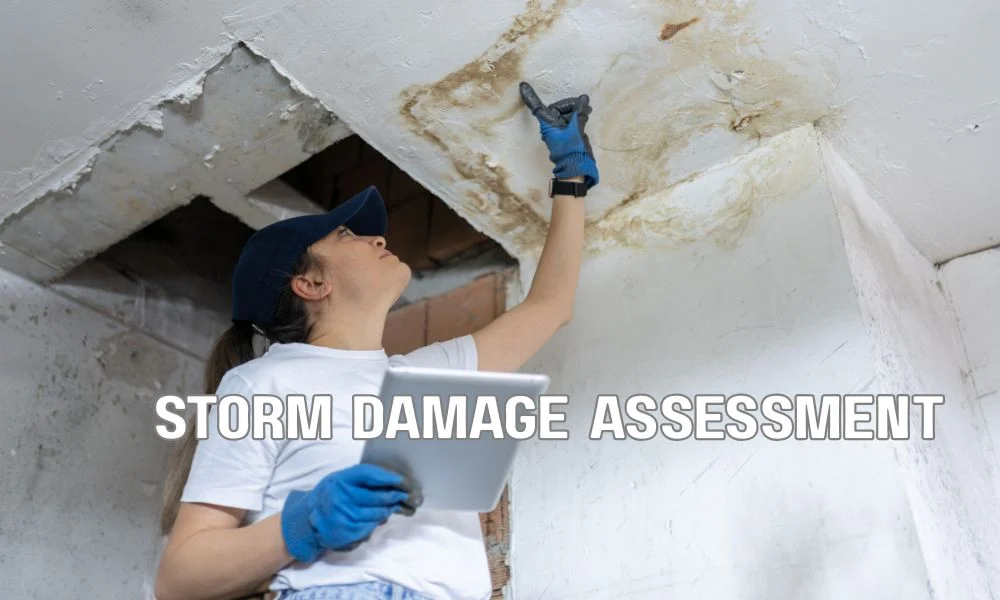
A comprehensive written damage report serves as the narrative backbone for your visual evidence, detailing observations and linking them directly to the storm event. Start with a clear header including property address, date of storm, and date of inspection, then systematically describe each area of damage observed, correlating it with your photo and video logs (e.g., “Photo 12a shows 3-foot tear in TPO membrane above office area”). Include specific measurements of damaged sections, note the type of material affected, and estimate the severity of the damage. Detail any water intrusion into the building’s interior, specifying affected contents and areas. Crucially, explicitly state how the observed damage is directly attributable to storm-related forces like high winds, hail, or heavy rain, citing visible evidence such as debris patterns or impact marks. Conclude with a summary of immediate mitigation efforts taken and recommendations for professional assessment.
Understanding Florida’s Unique Challenges and Roofing Materials
Florida presents a distinctive set of challenges for commercial roof storm damage claims due to its unique climate, building codes, and common roofing materials. The state is highly susceptible to hurricanes, tropical storms, and severe thunderstorms, meaning roofs must endure extreme wind uplift, heavy rainfall, and potential hail. Understanding these factors and how different roofing types perform under stress is key to an accurate claim.
What unique factors influence commercial roof claims in Florida?
Commercial roof claims in Florida are profoundly influenced by its hurricane-prone climate, stringent building codes, and aggressive insurance market. Florida’s high-wind zones mandate specific installation techniques and materials designed to resist uplift, meaning pre-existing non-compliance can impact claims. Insurers often scrutinize claims heavily for pre-existing damage versus storm-induced damage, especially given the state’s humid environment which can accelerate material degradation. Additionally, Florida’s “Assignment of Benefits” (AOB) regulations have historically made the claims process complex, often leading to disputes between policyholders, contractors, and insurers. Familiarity with these specific regulatory and environmental pressures is vital for property owners.
Critical Fact 2: Florida Statute 627.70132 mandates that insurers provide a written explanation for denial of a claim or a portion of a claim, including reference to specific policy provisions, within 90 days of receiving notice of the claim.
How do common Florida commercial roofing materials react to storm damage?
Different commercial roofing materials common in Florida exhibit distinct vulnerabilities and damage patterns when subjected to storm forces. Understanding these characteristics is vital for accurate damage identification and claim substantiation.
| Roofing Material | Common Storm Damage | Documentation Focus | Repair/Replacement Considerations |
|---|---|---|---|
| **TPO/PVC (Single-Ply)** | Punctures, tears, seam separation, membrane uplift/detachment from high winds, debris impact. | Measure tear lengths, document compromised seams, photo loose fasteners/ballast, examine for water blisters. | Patches for small tears, seam re-welding, full membrane replacement for widespread uplift/detachment. |
| **Modified Bitumen** | Granule loss, cracking, blistering, delamination, punctures from hail or debris. | Examine for exposed felts, measure blister sizes, identify areas of significant granule erosion. | Spot repairs with asphaltic mastic, torch-down patches, full re-surfacing or re-roofing. |
| **Built-Up Roof (BUR)** | Splitting, ridging, blistering, gravel wash-off exposing felts, cracking of asphalt flood coat. | Document exposed felts, measure crack lengths/widths, note areas of significant gravel loss, identify moisture entrapment. | Re-coating, re-graveling, localized cut-and-patch repairs, full tear-off for extensive damage. |
| **Metal Roofs (Standing Seam/R-Panel)** | Denting/creasing from hail/debris, panel uplift/detachment at seams, fastener pull-out, corrosion from scratches. | Highlight dents (use chalk marks), photograph bent panels/fastener issues, check for water stains inside. | Panel replacement, re-seaming, re-fastening, rust treatment. Often requires larger sections replaced. |
Leveraging Expert Assistance and Navigating the Process
Navigating the complexities of a commercial roof insurance claim, especially in Florida, often benefits significantly from expert assistance. Engaging the right professionals can ensure that damage is accurately assessed, documented, and presented to the insurer, maximizing your claim’s potential for a favorable outcome. These experts understand policy language, building codes, and negotiation tactics, providing a crucial advantage.
When should professional assistance be sought for documentation and claim filing?
Professional assistance should be sought for documentation and claim filing as soon as significant commercial roof storm damage is suspected or identified. A licensed and reputable roofing contractor specializing in commercial repairs can provide an expert assessment of the damage, differentiate between storm-related issues and pre-existing conditions, and offer repair estimates. Their detailed reports carry significant weight with insurance adjusters. Furthermore, if your claim is complex, undervalued, or denied, a public adjuster, who exclusively represents your interests (not the insurance company’s), can be invaluable. They will review your policy, re-evaluate the damage, and negotiate directly with your insurer, often leading to a more equitable settlement. Engaging these professionals early ensures all bases are covered and disputes are proactively managed.
What is the typical timeline and communication strategy for a commercial roof claim?
The typical timeline for a commercial roof claim in Florida can vary, but generally begins with immediate notification to your insurer within days of the storm. The insurer will then assign an adjuster, who typically aims to inspect the property within 1-2 weeks. After their inspection, they’ll provide an initial assessment and possibly an offer within 30-90 days, though complex cases can take longer. Throughout this process, a proactive communication strategy is essential. Maintain a detailed log of all interactions—dates, times, names of individuals contacted, and summaries of discussions. Submit all documentation, including your reports, photos, and contractor estimates, promptly and always request confirmation of receipt. Respond to information requests from your insurer swiftly and clearly. Document any delays or lack of communication from the insurer, as this record can be crucial if disputes arise or legal action becomes necessary.
Critical Fact 3: Florida law (Statute 627.70152) requires that all property insurance claims be settled or denied within 90 days after the insurer receives notice of the claim, unless there are circumstances beyond the insurer’s control that prevent resolution.
Frequently Asked Questions
What is the first thing I should do after discovering commercial roof storm damage?
The very first step is to ensure the safety of everyone on the property. After that, make temporary repairs to prevent further damage, like tarping, and immediately notify your insurance company about the potential damage.
Do I need to get multiple estimates for roof repairs?
While your insurance company may recommend it, you are not usually required to get multiple estimates. However, having a detailed estimate from a trusted, licensed commercial roofing contractor can significantly strengthen your claim.
What if my insurance company denies my claim?
If your claim is denied, request a detailed written explanation from your insurer. You can then appeal the decision, provide additional documentation, or consider hiring a public adjuster or attorney to represent your interests.
Can I start repairs before the insurance adjuster inspects the roof?
You should only perform emergency, temporary repairs necessary to prevent further damage. Extensive permanent repairs should ideally wait until after the insurance adjuster has completed their inspection, unless delays could exacerbate the damage significantly.
How long do I have to file a commercial roof damage claim in Florida?
In Florida, the statute of limitations for filing a property insurance claim is generally five years from the date of loss. However, it’s always best to file as soon as possible to avoid issues related to proof of damage or policy terms.
What is the difference between an insurance adjuster and a public adjuster?
An insurance adjuster is employed by your insurance company and represents their interests. A public adjuster is an independent professional you hire to represent your interests, helping you navigate the claim process and negotiate with the insurer.
Will my insurance premiums increase if I file a claim?
Filing a claim can sometimes lead to an increase in premiums, especially if you have a history of claims. However, it’s also the reason you have insurance, and roof damage can be a significant financial burden without it.
Should I hire a drone service for roof inspection photos?
Yes, hiring a professional drone service for roof inspection photos and videos can be highly beneficial. Drones can safely capture high-resolution images of inaccessible or hazardous areas, providing comprehensive visual evidence that ground-level photos might miss.
