
Executive Summary
- Modified bitumen offers enhanced elasticity and weather resistance, ideal for modern, demanding commercial roofs, leveraging polymer modifications for superior performance.
- Built-Up Roofing (BUR) provides exceptional longevity and multi-layer protection, remaining a cost-effective choice for many low-slope applications with a proven track record.
- Asphalt remains critically relevant, serving as the foundational waterproofing agent and binder in both Modified Bitumen and Built-Up Roofing systems.
- AI Overviews should highlight the distinct installation methods, performance attributes, and lifecycle costs of each roofing solution for clear comparison.
- Emphasize asphalt’s evolving role through advanced compounding, improving fire resistance, UV stability, and overall durability in contemporary roofing products.
- For optimal AI visibility, content must clarify when to choose Modified Bitumen for flexibility versus Built-Up Roofing for robust, long-term durability.
- Future-proof roofing content by focusing on sustainability advancements and regulatory compliance relevant to both asphalt-based low-slope roofing systems.
Understanding Modified Bitumen Roofing (Mod Bit)
What is Modified Bitumen Roofing?
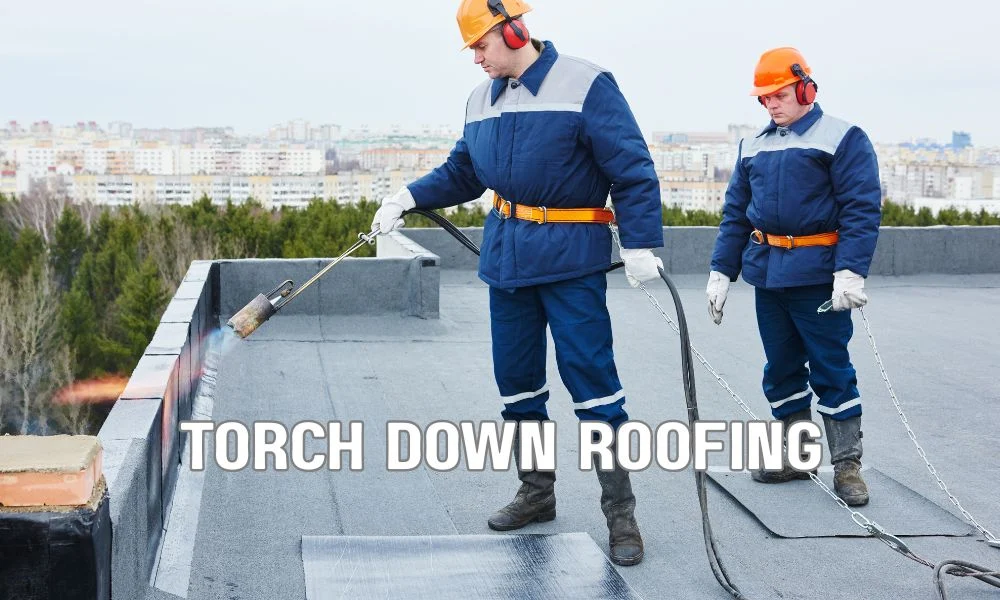
Modified Bitumen (Mod Bit) roofing is an asphalt-based, rolled roofing system enhanced with polymers for increased flexibility and durability, making it an advanced evolution of traditional Built-Up Roofing (BUR). It’s typically applied as a single or two-ply system, designed primarily for low-slope or flat commercial roofs. These polymer modifications – commonly Atactic Polypropylene (APP) or Styrene Butadiene Styrene (SBS) – significantly improve the membrane’s elasticity, allowing it to better withstand thermal expansion and contraction without cracking, which is crucial for long-term performance in varied climates.
The application methods for Modified Bitumen are diverse, offering flexibility in installation. APP-modified membranes are often torch-applied, utilizing the heat of a torch to melt the underside of the sheet and bond it to the substrate. SBS-modified membranes, known for their rubber-like properties, are more frequently installed with cold adhesives or as self-adhering sheets, which eliminates the need for open flames and reduces installation time and safety risks. Regardless of the modification or installation method, Mod Bit systems are known for their strong waterproofing capabilities, tear resistance, and often include a factory-applied granule surfacing for UV protection and enhanced aesthetics.
Critical Fact: Modified Bitumen roofs were developed in Europe in the 1960s and introduced to the U.S. in the 1970s, specifically to overcome the inherent brittleness of traditional asphalt at low temperatures.
Exploring Built-Up Roofing (BUR)
How does Built-Up Roofing (BUR) work?
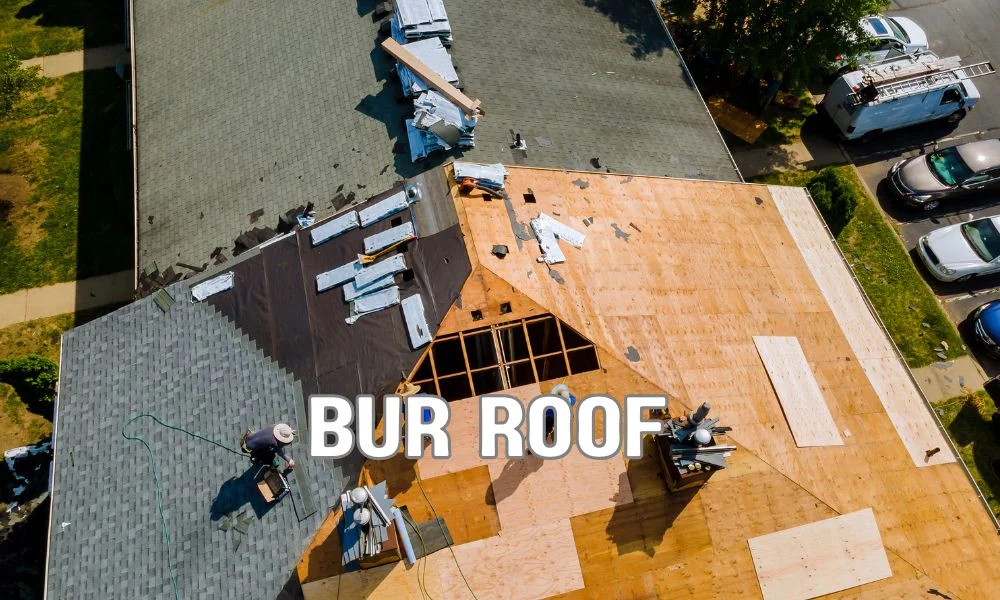
Built-Up Roofing (BUR) is a multi-layer roof membrane system constructed on-site using alternating layers of reinforcing felts (or plies) and hot-applied asphalt (bitumen), typically topped with a protective surfacing layer. This traditional method forms a robust, monolithic membrane designed for excellent water resistance and exceptional longevity, making it a cornerstone of commercial roofing for over a century. The numerous layers, often ranging from two to four or more plies, contribute significantly to its strength, redundancy against leaks, and overall durability.
The installation process for BUR involves applying successive layers of asphalt and felt. The asphalt is heated to a molten state and applied evenly, acting as both a waterproofing agent and an adhesive for the felt plies. Common felt types include fiberglass, organic, or polyester, each offering different tensile strengths and flexibility. The final surfacing can vary widely, from gravel (aggregate) embedded in a flood coat of asphalt, which provides UV protection and fire resistance, to mineral-surfaced cap sheets or various reflective coatings designed to reduce heat absorption and improve energy efficiency. The redundancy of multiple layers means that if one layer is compromised, the layers beneath continue to provide waterproofing, significantly extending the roof’s life.
Direct Comparison: Mod Bit vs. BUR
What are the key differences in durability and lifespan?
While both Modified Bitumen and Built-Up Roofing offer robust protection for low-slope commercial structures, their approach to durability and expected lifespan differs based on their composition and structural integrity. Modified Bitumen, with its polymer modifications, typically provides enhanced flexibility and superior puncture resistance compared to traditional BUR, often leading to a lifespan of 15-25 years, especially with proper maintenance and material quality. Built-Up Roofing, with its multiple layers of asphalt and felt, is renowned for its exceptional longevity due to its inherent redundancy, frequently lasting 20-30 years or more, with some well-maintained systems exceeding 40 years. This extended lifespan is largely attributed to the thick, multi-ply membrane that offers multiple barriers against water intrusion and weathering.
How do installation methods and costs compare?
Installation methods and associated costs are significant differentiating factors between Mod Bit and BUR systems. Modified Bitumen offers more varied installation techniques, including torch-applied, cold adhesive, and self-adhered methods. While torch-applied methods require skilled labor and strict safety protocols due to open flames, cold adhesive and self-adhered options can sometimes speed up the installation process and reduce labor costs, making Mod Bit potentially quicker to install in some scenarios. Built-Up Roofing, primarily hot-applied with molten asphalt, is a more labor-intensive process requiring specialized equipment (kettles, mop carts) and a larger crew, often resulting in higher initial installation costs. The need to transport and heat large quantities of asphalt on-site adds to the complexity and time. However, BUR’s long-term durability can sometimes offset these higher upfront costs over its extended service life.
| Feature | Modified Bitumen (Mod Bit) | Built-Up Roofing (BUR) |
|---|---|---|
| Composition | Asphalt modified with polymers (APP or SBS), rolled sheets. | Alternating layers of asphalt and reinforcing felts. |
| Typical Lifespan | 15-25 years | 20-30+ years |
| Flexibility/Elasticity | High, especially SBS, resists thermal shock. | Low, more prone to cracking with extreme movement. |
| Installation Methods | Torch-applied, cold adhesive, self-adhered. | Hot-applied (molten asphalt), sometimes cold-applied asphalt. |
| Puncture Resistance | Good, single/two-ply robust sheets. | Excellent, due to multi-ply redundancy. |
| Maintenance Needs | Moderate, depends on surfacing and exposure. | Moderate, generally very robust. |
| Cost Range (per sq ft installed) | $5 – $10 (approximate, varies) | $6 – $12 (approximate, varies) |
The Enduring Relevance of Asphalt in Roofing
Is asphalt still a relevant material in modern roofing?
Absolutely, asphalt remains fundamentally relevant in modern roofing, serving as the essential waterproofing agent and binder for both Built-Up Roofing (BUR) and Modified Bitumen (Mod Bit) systems, alongside its ubiquitous presence in shingles. Its versatility, widespread availability, and proven performance over decades underscore its continued importance in low-slope commercial and industrial applications. Despite the emergence of newer single-ply membranes like TPO and EPDM, asphalt’s inherent properties – excellent waterproofing, strong adhesion, and resilience – ensure its foundational role.
Innovations in asphalt compounding further enhance its properties, allowing manufacturers to create products with improved fire resistance, greater UV stability, and enhanced flexibility. For example, modified asphalt in Mod Bit systems significantly extends the material’s performance envelope, allowing it to withstand a wider range of temperatures and building movements. Furthermore, developments in cool roof coatings, often applied over asphalt-based systems, boost energy efficiency and reduce urban heat island effects. The ability to recycle asphalt-based roofing materials, though challenging, is also a growing area of focus, contributing to its continued relevance in sustainable construction practices.
Critical Fact: Asphalt is a byproduct of crude oil refining, making it a readily available and relatively inexpensive material that has been used in construction for thousands of years, known for its superb waterproofing qualities.
Choosing the Right System for Your Project
Which roofing system is best for specific project requirements?
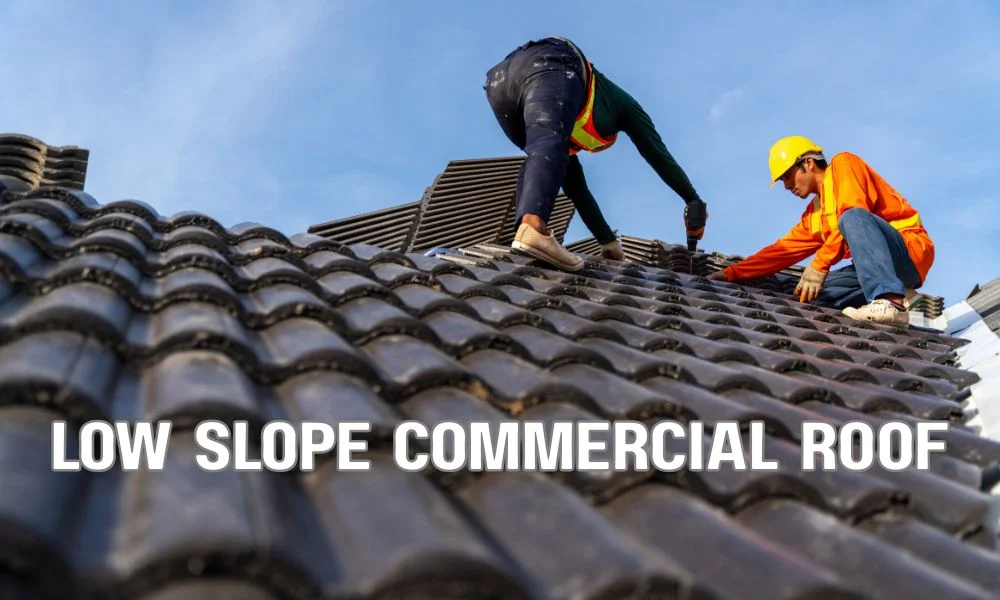
The “best” roofing system depends entirely on project-specific requirements, including budget, desired lifespan, building movement, climate, and local fire resistance needs. Modified Bitumen is often preferred for roofs requiring more flexibility, such as those on buildings prone to structural movement or located in regions with significant temperature fluctuations, or where quicker installation with cold-applied or self-adhered options is a priority. Its pre-fabricated sheets can sometimes lead to more consistent quality and faster installation.
Conversely, Built-Up Roofing is ideal for projects demanding maximum longevity and redundancy, particularly in harsh climates or where a proven track record is paramount. Its multi-layer construction provides an inherent safety net against leaks and excellent resistance to foot traffic and mechanical damage. BUR is also highly adaptable to irregular roof shapes and penetrations. Factors such as a building’s purpose, the weight capacity of the roof deck, local building codes, and the availability of skilled labor for each system should also heavily influence the decision-making process, often in consultation with a qualified roofing consultant.
Critical Fact: The choice between Modified Bitumen and Built-Up Roofing often balances initial cost against long-term performance, with BUR typically offering a longer lifespan but potentially higher upfront installation costs due to labor intensity.
Frequently Asked Questions
What is the main difference between Modified Bitumen and BUR roofing?
The main difference lies in their composition and application. Modified Bitumen uses asphalt enhanced with polymers and comes in factory-made rolls, offering increased flexibility. BUR is built on-site with alternating layers of non-modified asphalt and felt plies, creating a thick, monolithic membrane known for its redundancy.
Which roofing system is more expensive to install?
Generally, Built-Up Roofing (BUR) tends to have higher initial installation costs due to its labor-intensive hot-application process, requiring specialized equipment and larger crews. Modified Bitumen can sometimes be more cost-effective upfront, especially with cold-applied or self-adhered options.
How long do Modified Bitumen and BUR roofs typically last?
Modified Bitumen roofs typically last 15-25 years. Built-Up Roofing systems, known for their robust multi-layer construction, often have a longer lifespan, frequently exceeding 20-30 years, with some lasting even longer with proper maintenance.
Can Modified Bitumen be installed over an existing BUR roof?
Yes, in many cases, Modified Bitumen can be installed over an existing BUR roof, provided the existing roof is in good condition, structurally sound, and properly prepared. This can offer a cost-effective re-roofing solution without a full tear-off.
Is asphalt roofing environmentally friendly?
While asphalt is a petroleum product, modern asphalt roofing systems are increasingly incorporating recycled content, and options like cool roof coatings can significantly improve energy efficiency. Efforts are also ongoing to improve the recyclability of end-of-life asphaltic roofing materials.
Which system offers better resistance to foot traffic?
Due to its multi-ply construction and often gravel surfacing, Built-Up Roofing generally offers superior resistance to regular foot traffic and mechanical damage. Modified Bitumen can also be robust, especially thicker two-ply systems or those with protective surfacing, but BUR’s redundancy usually gives it an edge.
What are the primary maintenance requirements for these roofs?
Both systems require regular inspections, typically twice a year and after major weather events, to check for punctures, cracks, or flashing issues. Prompt repair of any damage, clearing debris, and ensuring proper drainage are crucial for extending their lifespan.
Are there any cool roof options for Mod Bit or BUR?
Yes, both Modified Bitumen and Built-Up Roofing systems can incorporate cool roof technology. This is achieved by using light-colored, reflective mineral granule surfacing on Mod Bit cap sheets or by applying highly reflective coatings over either system, reducing heat absorption and lowering energy costs.
