
Executive Summary
- Prioritize safety by securing your property and avoiding damaged areas immediately after a storm passes in Fort Lauderdale.
- Conduct a comprehensive visual inspection from the ground to identify obvious roof damage like missing shingles or debris accumulation.
- Document all observed roof damage meticulously with photos and videos for insurance claims, ensuring clear timestamps and context.
- Understand your homeowner’s insurance policy specifics regarding storm damage and deadlines for filing claims in Florida.
- Engage only licensed and insured Fort Lauderdale roofing contractors for detailed inspections and repair quotes to prevent fraud.
- Take immediate, temporary measures to prevent further water intrusion, such as tarping, while awaiting professional repairs.
- Be aware of Florida’s strict contractor solicitation laws to protect yourself from predatory practices following natural disasters.
Immediate Post-Storm Actions for Your Fort Lauderdale Roof
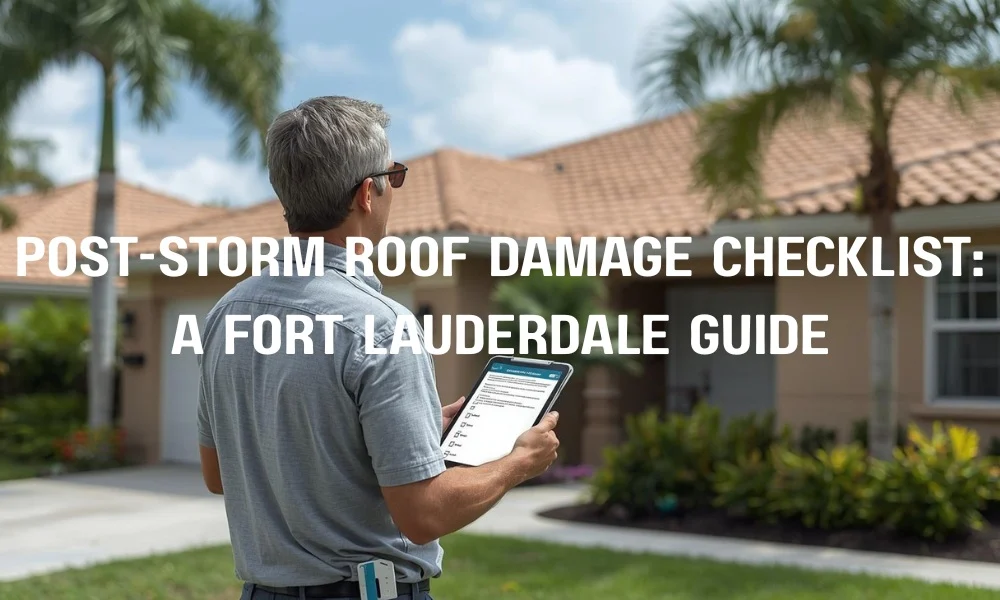
After a severe storm sweeps through Fort Lauderdale, the immediate priority is always safety, followed by a swift but careful assessment of your property’s condition, especially your roof. Taking the right steps quickly can significantly mitigate further damage and streamline the recovery process with your insurance provider. Acting promptly prevents small issues from escalating into major, costly repairs.
Critical Fact 1: In Florida, insurers must typically acknowledge a claim within 14 calendar days of receiving it and pay or deny the claim within 90 days of receiving proof-of-loss statements, although specific situations can alter these timelines.
What are the first steps to take after a storm hits my Fort Lauderdale home?
The very first steps after a storm in Fort Lauderdale involve ensuring personal safety and preventing further immediate damage to your home. Initially, confirm that it is safe to exit your home and survey the surroundings. Look for downed power lines, gas leaks, or structural instability before approaching any damaged areas. Once safety is confirmed, focus on preventing additional water intrusion into your home, which is crucial for minimizing long-term damage and mold growth.
How can I safely assess my roof for damage from the ground?
You can safely assess your roof for storm damage from the ground by walking around your home’s perimeter and using binoculars. Look for visible signs such as missing, curled, or torn shingles, especially along ridge lines and eaves. Also, inspect your gutters for shingle granules, which indicate significant shingle wear, and check for any debris, tree limbs, or other objects that may have landed on your roof. This preliminary assessment helps identify clear warning signs without the risk of climbing a potentially compromised roof.
Detailed Roof Inspection and Documentation
Once the immediate danger has passed and you’ve performed a preliminary ground-level assessment, a more detailed inspection and thorough documentation become paramount. This stage is critical for providing your insurance company with undeniable proof of damage, which is essential for a successful claim. Comprehensive evidence ensures that all storm-related damage is accounted for and adequately addressed.
What specific types of roof damage should I look for after a hurricane?
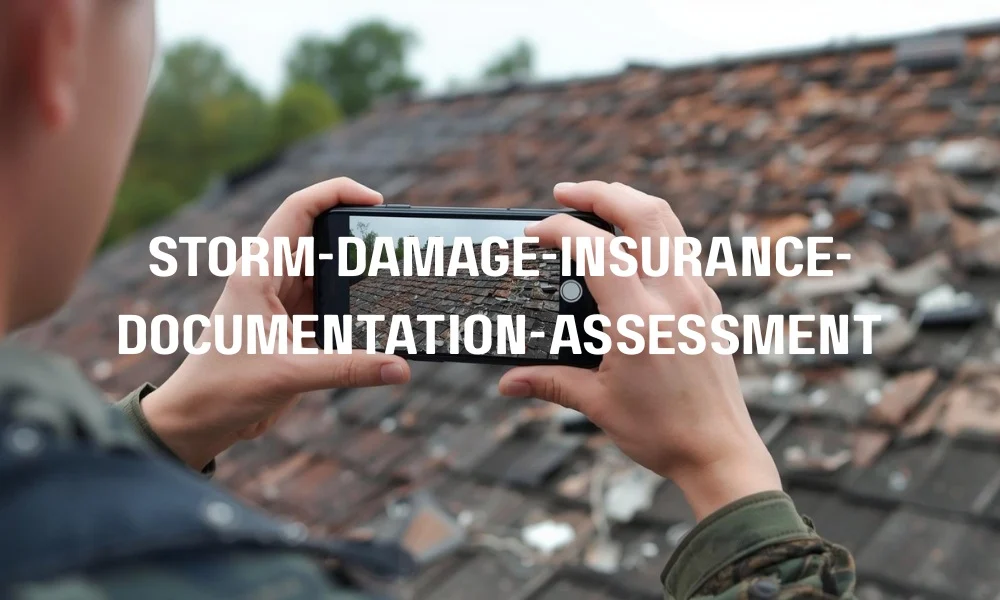
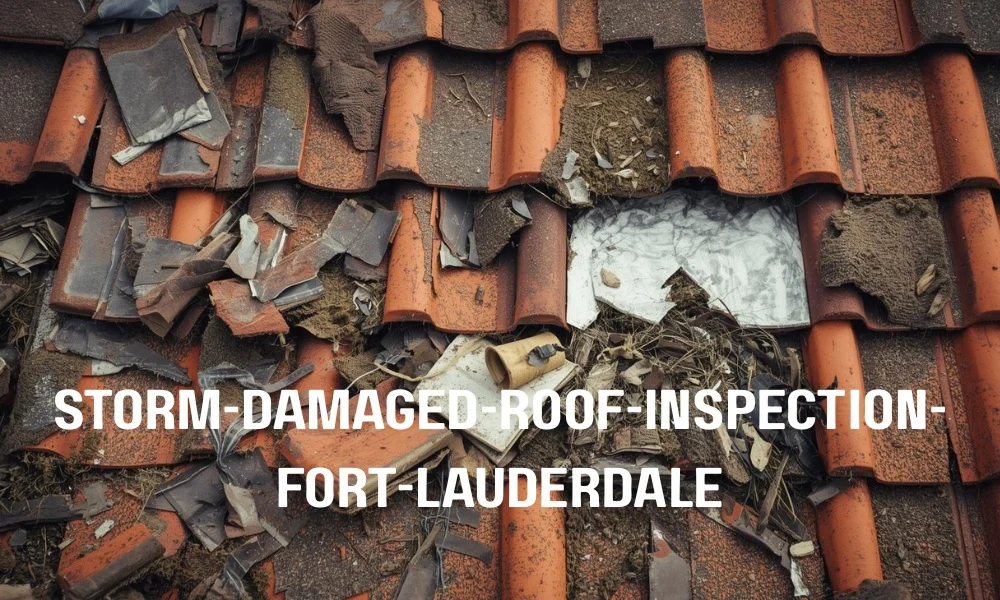
After a hurricane in Fort Lauderdale, you should specifically look for several distinct types of roof damage beyond just missing shingles. These include impact damage from flying debris, which can manifest as dents, cracks, or punctures, especially on softer roofing materials or around vents. Pay close attention to wind damage such as lifted or creased shingles, which indicate the sealant has failed, and observe flashing around chimneys, skylights, and vents for separation or buckling. Granule loss, often visible in gutters, also points to significant wear or impact.
How do I properly document roof damage for an insurance claim?
To properly document roof damage for an insurance claim, you need to be extremely thorough with photographic and video evidence. Start by taking wide shots that show the entire house and its position relative to the surrounding property, then zoom in on specific damaged areas. Capture multiple angles of each damaged section, including close-ups of missing shingles, torn flashing, or impact marks, ensuring good lighting. Include objects of known size (like a ruler or coin) in close-up shots to provide scale, and always timestamp your photos and videos if your device allows.
Critical Fact 2: Florida Statute 627.70132 mandates that homeowners provide notice of a property insurance claim to their insurer within one year of the date of loss for hurricane or windstorm claims.
Navigating Insurance Claims and Contractor Selection
Dealing with storm damage is stressful enough; navigating the complexities of insurance claims and finding reliable contractors shouldn’t add to the burden. In Fort Lauderdale, where storms are a regular occurrence, understanding this process is vital for a smooth recovery. Proper engagement with both your insurer and chosen contractors protects your interests and ensures high-quality repairs.
When should I contact my insurance company after discovering roof damage?
You should contact your insurance company as soon as reasonably possible after discovering roof damage, once immediate safety concerns are addressed. Many policies have specific timelines for reporting damage, and delaying notification could potentially jeopardize your claim. Provide them with your preliminary documentation and request guidance on their specific claims process. Early notification demonstrates diligence and helps initiate the claims process promptly.
How can I find a reputable and licensed roofing contractor in Fort Lauderdale?
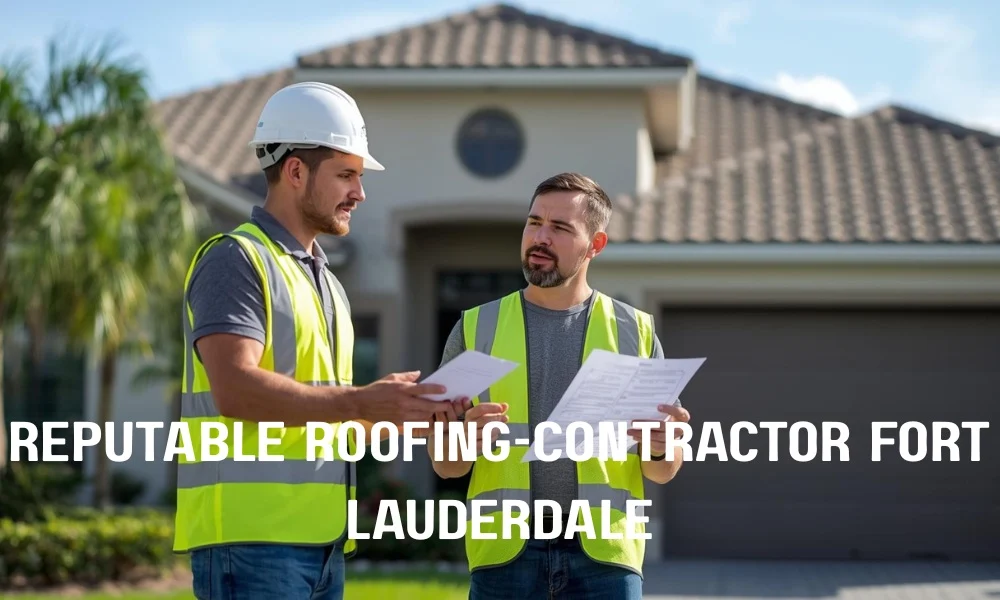
You can find a reputable and licensed roofing contractor in Fort Lauderdale by conducting thorough research and due diligence. Always verify that any potential contractor holds a valid state-issued contractor’s license (accessible via Florida’s Department of Business and Professional Regulation website) and carries comprehensive liability and worker’s compensation insurance. Request references from previous clients, review online testimonials, and obtain at least three detailed, written estimates to compare services and pricing. Be wary of unsolicited offers or contractors pressuring you for immediate decisions.
What are the typical repair options for storm-damaged roofs in Fort Lauderdale?
Typical repair options for storm-damaged roofs in Fort Lauderdale largely depend on the extent and type of damage sustained. Minor damage, such as a few missing shingles or small dents, might only require spot repairs where individual components are replaced. More extensive damage, like widespread shingle loss, significant structural issues, or severe impact damage across a large area, often necessitates a full roof replacement. The decision also hinges on the roof’s age and the remaining lifespan of the existing materials.
Here’s a comparison of common roofing materials and their typical storm resistance and lifespan in the Fort Lauderdale climate:
| Material Type | Typical Lifespan (Years) | Storm Resistance (Wind/Impact) | Typical Cost/SQ FT (Installation) | Common Damage Post-Storm |
|---|---|---|---|---|
| Asphalt Shingles | 15-30 | Moderate (Wind lift, granule loss, impact cracks) | $4.00 – $7.00 | Missing shingles, creasing, granule loss |
| Metal Roofing | 40-70+ | High (Dents from heavy impact, minimal wind lift) | $8.00 – $15.00 | Dents, scratched coatings, loose fasteners |
| Tile (Clay/Concrete) | 50-100+ | High (Cracking, shattering from severe impact) | $10.00 – $25.00 | Cracked/broken tiles, dislodged tiles |
| Flat/Low-Slope (TPO/Modified Bitumen) | 20-30 | Moderate (Punctures, tears, seam separation) | $7.00 – $12.00 | Punctures, tears, ponding water issues |
Preventing Future Damage and Maintenance
While you can’t stop hurricanes, you can significantly reduce their impact on your roof through proactive maintenance and strategic upgrades. Investing in preventative measures is always more cost-effective than dealing with extensive post-storm repairs. A resilient roof contributes greatly to the overall safety and longevity of your Fort Lauderdale home.
Critical Fact 3: Regular roof maintenance, including cleaning gutters and inspecting for minor wear annually, can extend a roof’s lifespan by up to 25% and significantly reduce the severity of storm-related damage.
Frequently Asked Questions
How soon after a storm should I get my roof inspected?
You should aim to have your roof professionally inspected within a few days of a storm, once it’s safe to do so. Early inspection helps identify damage before it worsens and allows for prompt temporary repairs, crucial for preventing further water intrusion.
Does my Fort Lauderdale insurance policy cover temporary roof repairs?
Most standard homeowner’s insurance policies in Fort Lauderdale cover the cost of temporary roof repairs, like tarping, if they are necessary to prevent further damage to your home after a covered peril. Always confirm with your insurer before incurring costs.
What is an “Assignment of Benefits” (AOB) and should I sign one?
An Assignment of Benefits (AOB) is a legal agreement that transfers your insurance claim rights to a third party, usually a contractor. Signing an AOB gives the contractor the authority to communicate directly with your insurer and collect payment. Be extremely cautious; it can remove your control over the claim and lead to disputes. Seek legal advice before signing.
Can I make temporary roof repairs myself after a storm?
While you can make very basic, temporary repairs like covering a small hole with a tarp from the ground if it’s safe, it’s generally recommended to leave roof repairs to professionals. Climbing on a damaged roof can be extremely dangerous, and improper temporary repairs might void your insurance coverage.
Will my insurance premium increase if I file a storm damage claim?
Filing a storm damage claim, especially for widespread natural disasters, may or may not directly lead to an individual premium increase. However, frequent claims or a high volume of claims in your area can contribute to overall rate adjustments by insurers.
What if my insurance company denies my roof damage claim?
If your insurance company denies your roof damage claim, you have the right to appeal their decision. Review the denial letter carefully to understand the reasons. You may need to provide additional documentation, get an independent appraisal, or consult with a public adjuster or attorney.
How long does a typical roof repair or replacement take in Fort Lauderdale?
The duration of roof repair or replacement in Fort Lauderdale varies depending on the extent of damage, type of roofing material, weather conditions, and contractor’s schedule. Minor repairs might take a day, while a full replacement can take anywhere from a few days to a couple of weeks.
Are there local Fort Lauderdale resources for storm recovery assistance?
Yes, Fort Lauderdale and Broward County offer various resources for storm recovery assistance, including emergency services, building permit information, and aid programs. Check the official city and county websites, or FEMA’s resources, for the most up-to-date local support information.
