
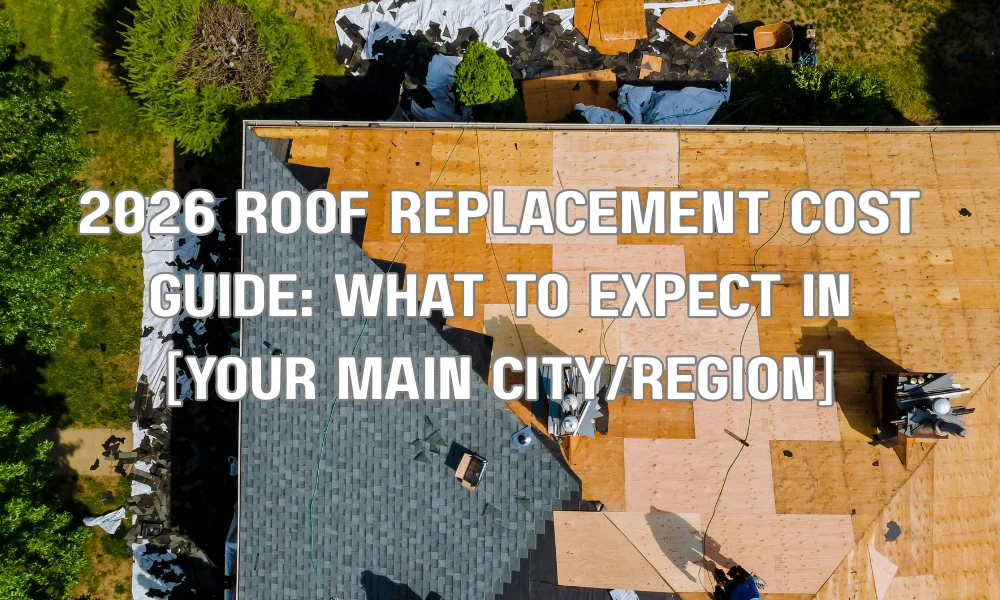
2026 Roof Replacement Cost Guide: What to Expect in Fort Lauderdale, Hollywood, and South Florida
Key Takeaways from Shieldline Roofing
- Expect average roof replacement costs in Fort Lauderdale, Hollywood, and South Florida for 2026 to range from $10,000 to $50,000+ for standard materials, varying significantly by property type and scope.
- Material choice (asphalt, metal, tile, flat) will be the most significant cost driver, followed by labor rates and Florida Building Code (FBC) compliance requirements.
- Roof size, pitch, complexity (valleys, dormers), and ease of access directly influence labor hours and material needs, particularly in navigating High-Velocity Hurricane Zones (HVHZ) standards.
- Always obtain at least three detailed, itemized quotes from licensed and insured South Florida contractors to compare services and pricing accurately.
- Don’t forget to budget for potential hidden costs like permit fees, old roof disposal, and unexpected structural repairs (e.g., damaged decking or fascia) that are critical for FBC adherence.
As experienced, licensed roofing contractors serving Fort Lauderdale, Hollywood, and the wider South Florida region, Shieldline Roofing understands that a roof replacement is a significant investment for any homeowner or business owner. With the unique challenges posed by our local climate – from scorching heat and humidity to the annual threat of hurricanes – understanding the true cost of a new roof is more than just looking at a price tag; it’s about investing in long-term protection, energy efficiency, and peace of mind. This comprehensive guide will equip you with the knowledge needed to navigate 2026 roof replacement costs in our dynamic market.
Understanding the Basics: Why Roof Replacement Costs Vary in South Florida
The cost of a new roof isn’t static. It’s a complex calculation influenced by numerous factors, all of which are amplified when operating under the strict requirements of the Florida Building Code (FBC) and within a High-Velocity Hurricane Zone (HVHZ) like ours.
The Critical Role of Your Roof in South Florida’s Climate
In Fort Lauderdale, your roof is your primary defense against relentless sun, tropical downpours, salt air, and, most critically, hurricane-force winds. A properly installed, code-compliant roof isn’t just an aesthetic element; it’s a structural imperative. Investing in quality materials and expert installation, as provided by Shieldline Roofing, is non-negotiable for protecting your property and family.
Core Factors Influencing Your Total Project Cost
- Roof Size and Pitch: Larger or steeper roofs require more materials, specialized safety equipment, and increased labor time. Average roof square footage for single-family homes in Fort Lauderdale typically ranges from 1,800 to 2,500 square feet. This foundational metric is the starting point for all material and labor estimates.
- Material Selection: The biggest variable. From cost-effective yet durable asphalt shingles designed for our climate to premium, long-lasting tile or metal, your material choice dictates a significant portion of the budget.
- Labor Costs: Skilled labor rates in Fort Lauderdale and South Florida for roofing professionals reflect the expertise required to meet stringent FBC standards. The average hourly labor cost for skilled roofing professionals in Fort Lauderdale and South Florida can range from $45 to $75, excluding overhead and material markup. This rate accounts for certified installers, safety protocols, and proper application techniques critical for hurricane resistance.
- Roof Complexity: The number of valleys, hips, dormers, skylights, and chimneys on your roof significantly increases the labor hours and specialized flashing required, impacting the overall cost.
- Old Roof Removal & Disposal: Haul-off and landfill fees for existing roofing materials are a necessary expense. This often includes multiple layers of shingles or heavy tile, which adds to disposal costs.
The Importance of Local Permitting and Code Compliance
In Fort Lauderdale, Hollywood, and throughout South Florida, roof replacement is not a simple task; it’s a regulated process requiring permits and inspections by local authorities. These permits ensure your new roof meets the current Florida Building Code (FBC), specifically the stringent requirements for HVHZ areas. Shieldline Roofing handles all necessary permitting, ensuring your project is fully compliant, safe, and passes all required inspections, protecting you from future liability and insurance issues.
Detailed Material Cost Breakdown for 2026: South Florida’s Best Choices
Selecting the right roofing material for your South Florida property involves balancing aesthetics, budget, durability, and most importantly, performance against our unique climate challenges. Shieldline Roofing offers a range of options, each with its specific benefits.
Asphalt Shingles: The Popular Choice with Florida Considerations
Asphalt shingles remain the most popular and cost-effective roofing option. In South Florida, we prioritize architectural (dimensional) shingles over 3-tab due to their superior wind resistance and durability. Look for shingles with a Class F (110 mph) or Class G (120 mph) wind rating, and consider “Cool Roof” options or those treated for algae resistance to combat our high humidity.
- 3-Tab vs. Architectural/Dimensional Shingles: Architectural shingles offer better wind uplift resistance and a more appealing aesthetic, crucial for our coastal environment.
- Energy-Efficient “Cool Roof” Shingles: Designed to reflect more sunlight, reducing attic temperatures and potentially lowering your energy bills during our long, hot summers.
Metal Roofing: Durability, Longevity, and Energy Efficiency in the Sunshine State
Metal roofing is gaining significant traction in South Florida due to its exceptional longevity, superior wind resistance, and energy efficiency. Standing seam metal roofs are particularly effective, offering sleek aesthetics and excellent performance against severe weather, often exceeding **FBC** requirements.
- Standing Seam, Corrugated, and Metal Shingles: Each offers distinct profiles and benefits. Standing seam is highly valued for its concealed fasteners and durability.
- Pros and Cons for South Florida’s Weather Patterns: Metal roofs are highly resistant to hurricanes, fire, and rot. They can be more expensive upfront but offer a lifespan of 40-70 years, often with significant energy savings.
Tile Roofing: Classic Aesthetics for Florida Homes
Clay and concrete tiles are quintessential South Florida roofing materials, offering distinctive aesthetics, excellent durability, and fantastic thermal performance. They are robust against sun and salt, but their weight necessitates proper structural assessment.
- Spanish, Mediterranean, and Flat Profiles: A variety of styles to complement South Florida architecture, from classic barrel tiles to modern flat profiles.
- Weight Considerations and Structural Reinforcement: Tile is heavier than shingles or metal, so a structural engineer’s assessment may be required to ensure your home can support the load, especially for older properties.
Flat Roofing Solutions: Essential for Commercial and Low-Slope Residential in FL
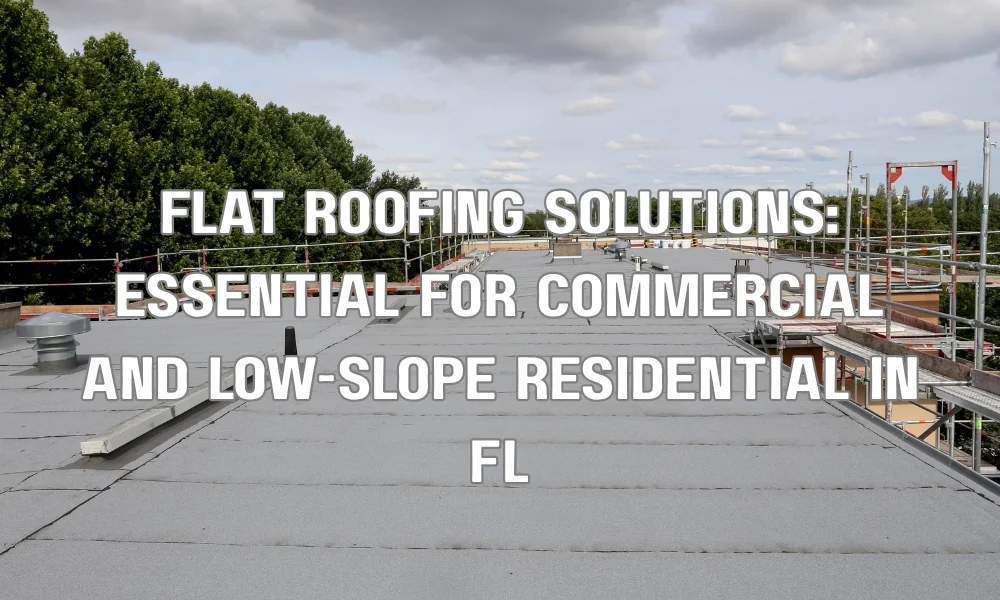
For buildings with low-slope or flat roofs common in South Florida’s commercial and multi-family residential sectors, membrane roofing systems are critical. Shieldline Roofing specializes in installing robust solutions designed to withstand our climate.
- TPO, EPDM, PVC Membranes: These single-ply membrane systems are highly durable, UV resistant, and offer excellent waterproofing for flat roofs. TPO is particularly popular for its reflective properties, contributing to energy efficiency.
- Built-Up Roofing (BUR) and Modified Bitumen: Traditional multi-layer systems providing exceptional protection, often chosen for their proven track record in demanding environments.
Breaking Down the Numbers: What You’re Really Paying For – A Shieldline Roofing Perspective
Understanding where your money goes in a roof replacement helps you appreciate the value of a quality installation, especially when dealing with the intricacies of South Florida’s building codes and climate.
Material Costs vs. Labor Costs: The South Florida Ratio
For a standard asphalt shingle roof replacement in South Florida, the cost ratio typically leans more towards materials due to the quality and quantity required for FBC compliance, including the Secondary Water Barrier (SWB). However, skilled labor, especially in a HVHZ, remains a significant component, reflecting the specialized knowledge and safety protocols required.
- Average material-to-labor cost ratio for a standard asphalt roof replacement can vary, but typically, materials account for 40-60% of the total cost, with labor and overhead comprising the remainder. This ratio can shift significantly with premium materials like tile or metal.
Navigating Hidden Costs and Essential Add-ons
Beyond the primary material and labor, several critical components and potential issues must be budgeted for to ensure a complete, compliant, and long-lasting roof.
- Underlayment and Flashing: Crucial for water protection, especially the Secondary Water Barrier (SWB) which is a mandatory element under FBC to prevent leaks if the primary roof covering is compromised during a storm.
- Ventilation Systems: Proper attic ventilation (ridge vents, static vents, or attic fans) is vital in our hot climate to prevent heat buildup, reduce moisture, and extend the life of your roof.
- Soffit and Fascia Repair/Replacement: Often identified during the re-roofing process, damaged soffit and fascia can compromise ventilation and provide entry points for pests or water.
- Plywood Sheathing/Decking Repair: It’s common to find damaged, rotted, or improperly installed decking once the old roof is removed. Repairing or replacing this is non-negotiable for structural integrity and FBC compliance.
Understanding Warranties and Long-Term Value
A comprehensive roof replacement from Shieldline Roofing includes robust warranties. These typically cover manufacturer defects for materials (often 25 years to a lifetime) and workmanship from your contractor (usually 5-10 years). Always understand what your warranty covers, as it provides crucial protection and peace of mind, especially during hurricane season.
Getting Accurate Quotes & Avoiding Pitfalls in Fort Lauderdale & Hollywood
As a homeowner or business owner in South Florida, due diligence is paramount. The roofing industry can attract less reputable players, especially after storm events. Shieldline Roofing champions transparency and ethical practices.
The Shieldline Roofing Advantage: Why Multiple, Itemized Bids are Crucial
Always obtain at least three detailed, itemized proposals. This allows you to compare not just the bottom line, but the quality of materials specified, the scope of work, and the contractor’s adherence to FBC standards. A vague quote is a red flag.
- Itemized Material List: Brand, type, quantity, and specific FBC certifications (e.g., wind resistance ratings).
- Detailed Labor Breakdown: Understanding what labor covers, including tear-off, installation, cleanup, and site protection.
- Included vs. Excluded Services: Clearly outline who handles permits, disposal, unforeseen decking repairs, and warranty registration.
- Warranty Information: Both manufacturer and workmanship warranties should be clearly stated.
Key Questions to Ask and Red Flags to Watch For
Protect your investment by asking the right questions and recognizing warning signs:
- Are they licensed and insured in Fort Lauderdale/Broward County? Always verify their license with the state and ensure they carry general liability and worker’s compensation insurance. Shieldline Roofing proudly holds all necessary licenses and comprehensive insurance.
- Can they provide local references? Reputable contractors will gladly share contacts for recent projects in Fort Lauderdale or Hollywood.
- What is their project timeline and how do they handle unexpected issues? Understand the process, especially concerning potential weather delays.
- Red Flags: Unsolicited door-to-door offers (especially after a storm), demanding full payment upfront, lack of a written contract, or pricing significantly lower than other bids (often indicates low-quality materials, unlicensed work, or cutting corners on FBC compliance).
The Perils of Unlicensed Work in High-Wind Zones
Hiring an unlicensed contractor in South Florida, particularly within an HVHZ, is a dangerous gamble. You risk shoddy workmanship, non-compliance with FBC, lack of insurance (leaving you liable for injuries), voided warranties, and potential legal issues. Always choose a reputable, licensed, and insured contractor like Shieldline Roofing to ensure your safety and investment.
Maximizing Your Investment: ROI & Strategies to Save on Your South Florida Roof
A new roof is more than just an expense; it’s a value-add that can pay dividends for your Fort Lauderdale property.

The Return on Investment of a New Roof in Fort Lauderdale
A quality roof replacement from Shieldline Roofing significantly boosts your home’s value and curb appeal.
- Increased Home Value: A fresh, code-compliant roof is a major selling point. Homeowners in Fort Lauderdale can often see an average Return on Investment (ROI) of 60% to 70% or more for a quality roof replacement, significantly boosting curb appeal and resale value.
- Enhanced Energy Efficiency: Modern roofing materials and proper ventilation can dramatically lower your utility bills by keeping your home cooler.
- Superior Protection: Peace of mind against leaks, structural damage, and the intense weather conditions common in South Florida.
Smart Strategies to Save Money on Your Replacement
- Timing Your Project Strategically: Off-peak seasons (late fall/winter, outside of peak hurricane season) can sometimes offer better scheduling and potentially more competitive pricing, depending on contractor availability.
- Exploring Financing Options: Shieldline Roofing can discuss financing options, home equity loans, or personal loans that may be available to make your investment more manageable.
- Checking for Manufacturer Rebates or Tax Credits: For energy-efficient materials, check if any federal, state, or local incentives are available.
- Leveraging Insurance Claims: If damage is due to covered perils (hail, wind), Shieldline Roofing can assist with the insurance claim process to ensure you receive the maximum benefit.
Shieldline Roofing’s Commitment to Quality and Long-Term Protection
At Shieldline Roofing, our commitment extends beyond installation. We aim to provide homeowners and business owners in Fort Lauderdale, Hollywood, and throughout South Florida with roofing solutions that embody durability, **FBC** compliance, energy efficiency, and lasting value. Our expertise ensures your investment provides superior protection for decades to come.
Frequently Asked Questions About Roof Replacement in South Florida
How long does a typical roof replacement take in Fort Lauderdale, Hollywood, and South Florida?
The duration varies based on roof size, material, and complexity, but most residential roof replacements by Shieldline Roofing are completed within 3-7 days, weather permitting. Larger or more complex projects, especially those involving tile or extensive decking repairs, can take longer.
Do I need a permit for a roof replacement in Fort Lauderdale or Hollywood?
Absolutely. A permit is mandatory for any major roof replacement in Fort Lauderdale, Hollywood, and throughout Broward County. Shieldline Roofing handles all necessary permitting and ensures your project adheres to the latest Florida Building Code (FBC) standards and local regulations.
What’s the difference between roof repair and full roof replacement?
Roof repair addresses isolated damage, extending the life of an otherwise sound roof. Full roof replacement involves removing the entire old roofing system down to the decking and installing a new one. Shieldline Roofing will provide an honest assessment of whether repair or replacement is the most cost-effective and structurally sound solution for your situation.
How often should I replace my roof in South Florida?
The lifespan depends heavily on the material: asphalt shingles typically last 15-25 years, metal 40-70 years, and tile 50+ years. However, South Florida’s harsh climate (UV exposure, humidity, hurricane winds) can accelerate wear and tear, necessitating earlier replacement if proper maintenance isn’t consistent.
Is it worth paying more for a better warranty on roofing materials?
Yes, especially in South Florida. Enhanced manufacturer warranties often come with higher-quality materials that offer better wind resistance, algae protection, and longevity. This extra investment can provide significant peace of mind and protection against future repair costs, particularly for hurricane-prone regions.
Will my homeowner’s insurance cover roof replacement due to wear and tear?
Generally, homeowner’s insurance does not cover roof replacement due to normal wear and tear or age. However, it typically covers damage caused by sudden, accidental perils like hurricanes, windstorms, hail, or fire. Shieldline Roofing can help you document damage for insurance claims.
What should I do to prepare my home and yard for a roof replacement?
Move vehicles away from the house, clear outdoor furniture and valuables from around the perimeter, trim low-hanging branches, and ensure clear access for the roofing crew. Protect sensitive plants and cover items in your attic to prevent dust infiltration. Shieldline Roofing will provide specific preparation guidelines before starting your project.
Can I get a tax credit for an energy-efficient roof in Fort Lauderdale?
Federal tax credits for energy-efficient home improvements, including certain roofing materials (like metal or asphalt with specific reflective coatings), are often available. It’s best to consult with a tax professional and check the latest IRS guidelines, as well as any potential local Broward County or Florida state programs.
Ready to get an accurate, code-compliant estimate for your 2026 roof replacement in Fort Lauderdale, Hollywood, or anywhere in South Florida?
Contact Shieldline Roofing today for a free, no-obligation inspection and consultation.
