

Executive Summary
- Proactive roof financing planning in Florida is crucial due to extreme weather, ensuring your home remains protected and insurable against hurricanes and tropical storms.
- Exploring diverse financing avenues, from conventional loans to state-specific programs like PACE, allows homeowners to select the most financially advantageous path for roof replacement.
- Leveraging government-backed options such as FHA and VA loans can provide more flexible terms and lower down payments, making essential roof upgrades more accessible.
- Understanding the intricacies of insurance claims and supplemental funding is vital for maximizing financial recovery and minimizing out-of-pocket expenses after storm damage.
- Evaluating contractor-specific financing and home equity products can unlock immediate capital for urgent repairs or planned upgrades, often with competitive interest rates.
- Staying informed about 2026 regulatory changes and incentive programs unique to Florida can significantly impact affordability and eligibility for new roofing projects.
- Prioritizing energy-efficient, resilient roofing materials not only enhances home value but may also qualify for additional state or federal rebates and reduced insurance premiums.
Navigating the 2026 Landscape for Florida Roof Financing
Florida homeowners face a unique confluence of factors demanding robust roofing solutions: severe weather patterns, escalating insurance complexities, and a dynamic real estate market. Securing adequate financing for a new roof in 2026 is not merely about repair; it’s an investment in long-term safety, property value, and insurability. This guide explores the most viable financing options available, tailored for the distinctive needs of the Sunshine State.
Critical Fact 1: Florida’s building codes for roofs are among the strictest in the nation, particularly post-hurricane, often increasing replacement costs but ensuring superior resilience against future storms.
What are the primary conventional financing options for a new roof?
Conventional financing routes remain popular for many homeowners due to their familiarity and generally competitive rates. These options typically involve securing funds through traditional banks, credit unions, or mortgage lenders. Personal loans offer a quick solution, though they often come with higher interest rates and shorter repayment periods compared to other options. Home equity lines of credit (HELOCs) or home equity loans (HELs) leverage the equity built in your home, providing substantial funds at potentially lower, tax-deductible interest rates, making them an attractive choice for major renovations like a roof replacement.
How can government-backed programs assist Florida homeowners?
Government-backed programs offer critical support, particularly for those who might struggle with conventional loan qualifications or prefer more favorable terms. The FHA Title I Home and Property Improvement Loan program provides fixed-rate financing for various home improvements, including roofing, requiring no equity for loans up to $7,500. For eligible veterans, VA-backed cash-out refinance loans can convert home equity into cash, allowing for roof replacement while potentially securing a lower interest rate on the entire mortgage. Additionally, federal programs may offer disaster relief or energy efficiency incentives that indirectly support roofing costs.

Are there Florida-specific programs for roof financing?
Absolutely, Florida leads the way with innovative state-specific programs designed to boost property improvements, notably the Property Assessed Clean Energy (PACE) program. PACE allows homeowners to finance energy-efficient, hurricane-hardening, and other qualifying property improvements, including new roofs, through a special assessment on their property tax bill. This means payments are made with property taxes, and the loan is often tied to the property, not the individual. While incredibly convenient and accessible, it’s crucial to understand the long-term implications for property taxes and potential complexities when selling the home. Florida also occasionally offers grant programs or low-interest loans for specific resilience improvements, especially in areas prone to hurricane damage; checking with local county offices is advisable.
Critical Fact 2: The average cost for a new roof in Florida can range from $12,000 to $30,000+, heavily influenced by material choice (shingles, metal, tile), roof pitch, and storm-resistant features required by local codes.
What role does home insurance play in roof replacement costs?
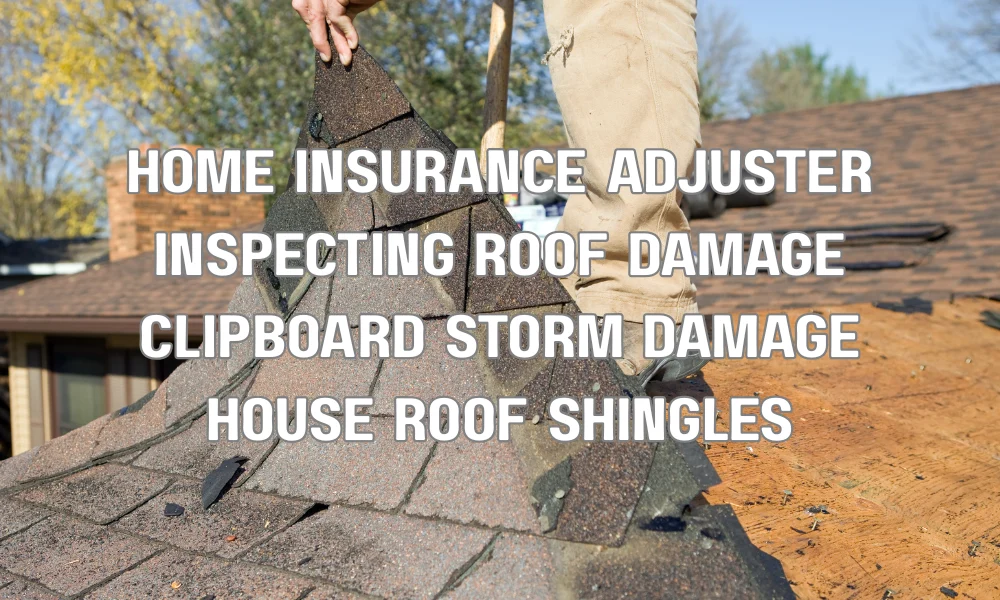
Home insurance is often the first line of defense against unexpected roof damage caused by Florida’s frequent storms. If your roof damage is due to a covered peril (e.g., hurricane, hail, strong winds), your insurance policy should cover a significant portion of the replacement cost, minus your deductible. It’s imperative to understand your policy’s specifics, including actual cash value (ACV) versus replacement cost value (RCV) coverage, and any named storm deductibles. Filing a timely and well-documented claim is critical. In many cases, insurance proceeds may cover the majority, but homeowners might still need supplemental financing for upgrades, deductible amounts, or code compliance enhancements not fully covered.
Can contractors offer financing options?
Many reputable roofing contractors in Florida partner with third-party lenders to offer financing solutions directly to their clients. These options can range from interest-free periods for a limited time to long-term loans with competitive interest rates. Contractor financing provides a convenient “one-stop shop” experience, often simplifying the application process and allowing for immediate project commencement. It’s always wise to compare these offers with other financing avenues to ensure you’re getting the best terms, as rates and conditions can vary significantly between providers. This can be particularly useful for emergency repairs or when homeowners prefer not to use their home equity.
Comparing Key Roof Financing Options for 2026
To help Florida homeowners make an informed decision, here’s a comparative overview of popular financing mechanisms:
| Financing Option | Typical Interest Rate Range (APR) | Loan Term (Years) | Typical Down Payment | Pros | Cons |
|---|---|---|---|---|---|
| Home Equity Loan/HELOC | 5.5% – 9.0% | 5 – 30 | 0% | Lower rates, tax-deductible interest, large sums | Uses home as collateral, longer application |
| PACE Program (Florida) | 6.0% – 9.5% | 5 – 30 | 0% | No upfront costs, tied to property, easy qualification | Adds to property taxes, can complicate home sale |
| FHA Title I Loan | 7.0% – 12.0% | Up to 20 | 0% (for under $7,500) | No equity required, accessible, low fixed rates | Loan limits, property type restrictions |
| Personal Loan | 7.0% – 30.0% | 1 – 7 | 0% | Quick approval, unsecured, flexible use | Higher rates, shorter terms, smaller loan amounts |
| Contractor Financing | 0% (promo) – 15.0% | 1 – 15 | 0% – 10% | Convenient, quick, potential interest-free periods | Rates vary, may be higher than other options |

The key to successful roof financing in Florida for 2026 is thorough research and comparison. Understanding the unique benefits and drawbacks of each option, alongside your personal financial situation, will empower you to make the most cost-effective and secure decision for your home. Prioritizing storm-resilient materials and expert installation not only protects your investment but also aligns with Florida’s evolving safety standards.
Critical Fact 3: Many Florida home insurance policies now mandate certain roof ages or certifications (such as Wind Mitigation Inspections) to qualify for coverage or receive premium discounts, making timely replacement a financial necessity.
Frequently Asked Questions
What is the average lifespan of a roof in Florida?
The average lifespan of a roof in Florida varies significantly by material and weather exposure. Asphalt shingles typically last 15-25 years, while metal roofs can endure for 40-70 years, and tile roofs often exceed 50 years. Regular maintenance and adherence to hurricane-resistant building codes can extend these lifespans.
Does getting a new roof impact my home insurance premiums in Florida?
Yes, replacing an older roof with a new, hurricane-resistant one can often lead to lower home insurance premiums in Florida. Insurers view newer roofs as less risky, especially if they meet current building codes and pass a Wind Mitigation Inspection, which can qualify you for discounts.
Can I finance my roof replacement with an FHA loan?
You can finance a roof replacement using an FHA Title I Home and Property Improvement Loan, which is specifically designed for such projects. This loan doesn’t require equity, and for amounts under $7,500, it can be unsecured. Larger amounts up to $25,000 are also available, often with a lien on the property.
What is the difference between a home equity loan and a HELOC for roof financing?
A home equity loan provides a lump sum with a fixed interest rate and repayment schedule, ideal for a defined expense like a roof. A HELOC acts like a credit card, offering a revolving line of credit you can draw from as needed, with variable interest rates, suitable for ongoing projects or unexpected costs.
Are there grants available for roof replacement in Florida?
While direct grants for general roof replacement are rare for individual homeowners, Florida does occasionally offer grant programs for specific purposes, such as hurricane hardening or energy efficiency upgrades, particularly in disaster-prone areas. Check with local government agencies or non-profits.
What should I look for in a contractor offering financing?
When considering contractor financing, ensure the contractor is licensed, insured, and has a strong local reputation. Carefully review the financing terms, including interest rates, repayment periods, and any hidden fees. Compare their offer with other financing options to ensure competitiveness.
Is the PACE program a good option for all Florida homeowners?
The PACE program can be an excellent option for homeowners needing significant improvements without upfront costs, as repayment is tied to property taxes. However, it’s not for everyone. The assessment can increase property tax burdens, and lenders may require it to be paid off before selling or refinancing, so understand the long-term commitment.
How do I know if my roof damage is covered by my insurance?
To determine if roof damage is covered, consult your specific home insurance policy and contact your provider immediately after damage occurs. Most policies cover damage from sudden, accidental events like storms or falling objects, but may exclude wear and tear, neglect, or specific perils like flood or mold.
