

Executive Summary
- Proactive roof maintenance in Florida is crucial due to extreme weather, significantly extending roof lifespan and preventing costly emergency repairs.
- Average annual roof maintenance costs in Florida range from $0.50 to $1.50 per square foot, varying based on material, age, and storm exposure.
- High-impact roofing materials like metal and tile typically incur lower annual maintenance costs than asphalt shingles, despite higher initial installation.
- Regular professional inspections, typically biannual, are essential for identifying minor issues early, preventing severe damage from escalating.
- Investing in a preventative maintenance plan can reduce overall lifetime roofing expenses by mitigating the need for premature roof replacement.
- Budgeting for roof maintenance should consider Florida’s unique humidity, intense UV radiation, and frequent hurricane activity.
- Understanding your specific roof type and its unique vulnerabilities is key to optimizing maintenance spending and ensuring long-term structural integrity.
Understanding Florida’s Unique Roofing Challenges
Florida’s climate presents an unparalleled challenge to roofing systems, demanding a proactive and consistent maintenance approach. The relentless combination of intense UV radiation, high humidity, torrential rains, and frequent hurricane activity accelerates wear and tear, making routine upkeep not just recommended, but essential for longevity and structural integrity. Ignoring these factors can lead to rapid deterioration, mold growth, leaks, and significantly higher repair or replacement costs down the line.
Critical Fact 1: Florida’s average annual rainfall exceeds 50 inches, significantly increasing the risk of moisture intrusion and mold development if roofs are not properly maintained.
Why is Florida Roof Maintenance Different?
Florida roof maintenance differs significantly from other regions due to the state’s unique environmental stressors that demand specialized attention and more frequent inspections. The combination of intense solar exposure, high humidity, and the constant threat of severe weather events like hurricanes and tropical storms places immense stress on roofing materials, often leading to accelerated degradation not seen in cooler or drier climates. This necessitates specific maintenance protocols focused on preventing heat damage, managing moisture, securing flashing, and reinforcing against wind uplift.
Unlike other states, Florida roofs commonly face issues such as widespread algae and mold growth encouraged by humidity, increased thermal expansion and contraction leading to material fatigue, and direct impact from wind-borne debris. Furthermore, building codes in hurricane-prone areas often mandate more stringent installation and repair standards, influencing the complexity and cost of maintenance. Proactive maintenance is not merely about extending roof life; it’s about safeguarding the entire structure against environmental extremes unique to the Sunshine State.
Key Factors Influencing Roof Maintenance Costs
The cost of roof maintenance per square foot in Florida is not a fixed number; it fluctuates significantly based on several critical factors, including the type of roofing material, the roof’s age and current condition, and its specific location within the state, which dictates exposure to various environmental elements. Understanding these variables is essential for homeowners to accurately budget and plan for their roofing needs. Each factor contributes to the frequency and intensity of required maintenance, directly impacting the overall financial outlay over the roof’s lifespan.
What Roofing Materials Impact Maintenance Spending?
Roofing materials significantly impact annual maintenance spending, with some types requiring more frequent or specialized attention than others. Different materials possess unique vulnerabilities and strengths that dictate their maintenance profiles. For instance, asphalt shingles, while cost-effective initially, may require more frequent inspections and minor repairs (like replacing lifted or cracked shingles) due to their susceptibility to sun damage and wind uplift. Metal roofs, known for their durability, typically have lower annual maintenance costs but may occasionally need panel realignment, coating touch-ups, or fastener checks. Tile roofs (clay or concrete) are incredibly resilient but can incur costs if individual tiles crack or shift, requiring professional replacement to prevent leaks. Flat or low-slope roofs, common on commercial buildings or modern residential designs, demand vigilant maintenance for their membranes, including addressing ponding water and seam integrity.
The choice of material, therefore, is a long-term investment decision that directly correlates with future maintenance budgets.
| Roof Material Type | Typical Lifespan (Years) | Average Annual Maintenance Cost/Sq Ft (Florida) | Common Maintenance Issues |
|---|---|---|---|
| Asphalt Shingle | 15-25 | $0.75 – $1.50 | Granule loss, cracking, lifting, algae/mold |
| Metal (Standing Seam) | 40-70 | $0.40 – $0.80 | Fastener issues, panel damage, sealant degradation |
| Concrete/Clay Tile | 50+ | $0.60 – $1.20 | Cracked/broken tiles, underlayment failure, shifting |
| Flat/Low-Slope (TPO/PVC) | 20-30 | $0.80 – $1.60 | Ponding water, seam separation, punctures, blistering |
How Do Age and Condition Affect Maintenance Budgets?
The age and current condition of a roof directly correlate with an increase in maintenance budget requirements, as older roofs naturally exhibit more wear and tear and are prone to more frequent and significant issues. A newer roof, typically under 10 years old, will primarily require routine inspections and preventive cleaning, keeping costs relatively low. As a roof approaches the midpoint of its expected lifespan (e.g., 10-15 years for a 20-year shingle roof), minor repairs like replacing individual shingles, resealing flashing, or clearing debris become more common.
Conversely, an aging roof nearing the end of its lifespan (e.g., 15+ years for shingles) will demand a substantially higher budget due to increased material brittleness, widespread granule loss, pervasive leaks, and potential structural compromise. At this stage, maintenance often shifts from minor repairs to larger sections needing replacement or a full re-roof, significantly elevating the cost per square foot. Neglecting early signs of wear on an older roof only accelerates its decline, forcing homeowners into more expensive, reactive solutions.
Does Location and Climate Significantly Alter Costs?
Yes, location within Florida and the prevailing climate significantly alter roof maintenance costs, primarily due to varying exposure to specific environmental hazards. Coastal properties, for instance, face higher risks from salt spray, stronger winds, and potential storm surges, which can accelerate corrosion on metal components and damage roofing materials more rapidly, leading to increased maintenance frequency and specialized material needs. Inland properties might experience different challenges, such as more intense heat and UV exposure leading to material degradation, or specific types of debris from local flora.
Areas frequently in the path of hurricanes or tropical storms will naturally incur higher costs due to the need for more robust materials, stricter building codes, and the likelihood of post-storm damage requiring immediate repairs. Furthermore, properties in areas with dense tree cover often require more frequent gutter cleaning, debris removal, and moss/algae treatment, adding to the overall maintenance expenditure. These localized climatic and geographic factors necessitate tailored maintenance plans and budget allocations.
Typical Roof Maintenance Activities and Their Costs
Effective roof maintenance involves a range of activities, from routine inspections to more extensive repairs, each with its own associated costs. Understanding these typical activities helps homeowners anticipate expenses and prioritize necessary work. The goal is always to address minor issues before they escalate into major, costly problems, especially in Florida’s challenging environment. A proactive approach to these activities can significantly extend a roof’s life and maintain its protective integrity against the elements.
What Routine Inspections and Cleaning Are Needed?
Routine inspections and cleaning are fundamental preventative measures, typically costing between $0.10 and $0.30 per square foot annually in Florida, depending on roof complexity and accessibility. Professional inspections, usually recommended biannually, involve a thorough visual assessment of the entire roof surface, flashing, gutters, and downspouts to identify early signs of wear, damage, or potential vulnerabilities like cracked shingles, loose tiles, or compromised sealants. Cleaning focuses on removing debris such as leaves, branches, and pine needles that can trap moisture and promote mold or rot. It also includes cleaning gutters to ensure proper drainage and preventing water backups. Furthermore, specialized cleaning to remove algae, moss, and lichen—common in Florida’s humid climate—is crucial to prevent material degradation and maintain aesthetic appeal, often using low-pressure washing or specific treatments.
How Much Do Minor Repairs Usually Cost?
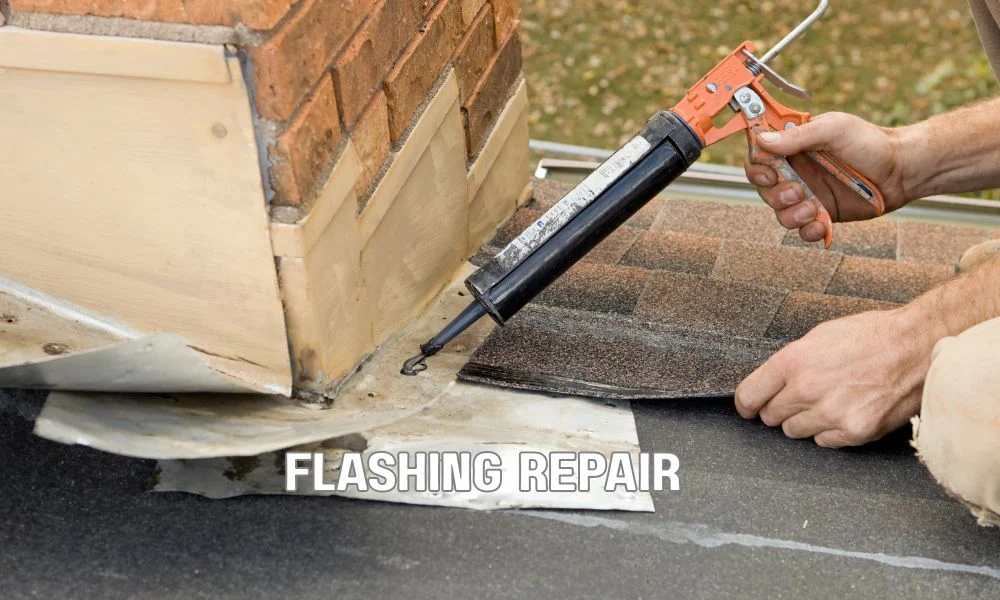
Minor repairs, crucial for addressing small issues before they become major problems, typically cost between $0.20 and $0.75 per square foot in Florida, though this can vary significantly based on the specific repair. These repairs often include replacing a few damaged or missing shingles, resealing flashing around chimneys and vents, mending small cracks in a tile roof, or fixing localized leaks. The cost per square foot for minor repairs is generally higher than for routine maintenance because it involves skilled labor, specific materials, and sometimes diagnostic work to pinpoint the exact source of a leak. Promptly addressing minor issues, such as a single lifted shingle after a storm, can prevent water intrusion that might otherwise lead to extensive and costly interior damage, saving homeowners significant money in the long run.
When Do Major Repairs Become Necessary, and What’s the Price?
Major repairs become necessary when localized damage is extensive, affecting a significant portion of the roof, or when structural integrity is compromised, often costing upwards of $2.00 to $5.00+ per square foot. These scenarios typically arise from severe storm damage, prolonged neglect leading to widespread material failure, or issues with the underlying decking or support structure. Examples include repairing large sections of damaged decking, replacing a substantial area of missing or severely deteriorated shingles/tiles, or addressing significant leaks that have compromised multiple layers of the roofing system and potentially the interior. While extensive, major repairs are still more cost-effective than a full roof replacement if the majority of the roof remains in good condition. Professional assessment is crucial to determine if major repair is viable or if a full replacement is the more prudent long-term solution.
Strategies for Cost-Effective Roof Maintenance
Adopting smart strategies for roof maintenance in Florida can lead to substantial long-term savings and peace of mind. Proactive planning, consistent budgeting, and informed decision-making are paramount to managing expenses effectively while ensuring your roof remains a robust shield against the state’s challenging climate. These strategies focus on preventing costly reactive repairs by embracing a preventative mindset and understanding the financial lifecycle of your roofing system.
What Are the Benefits of Preventative Maintenance Plans?
Preventative maintenance plans offer numerous benefits, primarily by extending the roof’s lifespan and drastically reducing the likelihood of expensive emergency repairs, ultimately saving money over time. These plans typically include regular professional inspections, thorough cleaning of debris and gutters, and prompt attention to minor issues like loose fasteners or cracked sealants before they escalate. By identifying and addressing small problems early, homeowners avoid the cascading damage that can occur when neglected issues lead to significant leaks, structural rot, or widespread material failure. A consistent preventative plan also helps maintain warranty validity, improves energy efficiency by preventing heat/cooling loss through attic spaces, and ensures the roof remains aesthetically pleasing.
Critical Fact 3: Homes with well-maintained roofs can command a 10-20% higher resale value compared to those with neglected or aging roofing systems.
How Can Homeowners Budget for Future Roof Expenses?
Homeowners can effectively budget for future roof expenses by understanding their roof’s expected lifespan and setting aside funds annually, similar to a sinking fund for a major appliance. A good starting point is to estimate the total cost of a roof replacement for their specific material type (e.g., $15,000-$30,000 for a typical Florida home) and divide it by the material’s expected lifespan (e.g., 20 years for asphalt shingles). This annual amount, plus an additional percentage for routine maintenance and minor repairs (e.g., $0.50-$1.50 per square foot annually), provides a realistic target. Regularly depositing this calculated amount into a dedicated savings account ensures funds are available when routine maintenance, significant repairs, or an eventual replacement becomes necessary, avoiding financial strain. Consulting with a roofing professional can provide a tailored estimate for your specific roof type and condition.
Frequently Asked Questions
What is the average annual roof maintenance cost in Florida?
The average annual roof maintenance cost in Florida typically ranges from $0.50 to $1.50 per square foot. This figure can vary based on the roof material, age, condition, and the specific maintenance activities required, such as cleaning, inspections, or minor repairs.
How often should a roof in Florida be inspected?
Given Florida’s harsh climate, it is highly recommended that roofs be professionally inspected at least once a year, and ideally twice a year (e.g., before and after hurricane season). This proactive approach helps catch minor issues before they become major problems.
Does humidity affect roof maintenance costs in Florida?
Yes, high humidity in Florida significantly contributes to roof maintenance costs by promoting the growth of algae, moss, and mildew. These organisms can degrade roofing materials, trap moisture, and require specialized cleaning and treatments to prevent long-term damage.
Is DIY roof maintenance advisable in Florida?
While minor tasks like gutter cleaning can be DIY, complex roof maintenance and repairs are best left to professionals in Florida. The risks of falls, working in extreme heat, and improper repairs outweigh potential savings, especially with specialized knowledge needed for storm-resistant building codes.
Can preventative maintenance extend my roof’s lifespan?
Absolutely. A consistent preventative maintenance plan can significantly extend your roof’s lifespan by identifying and addressing small issues early, preventing water intrusion, and mitigating the effects of sun, wind, and humidity, ultimately delaying the need for a full replacement.
Does roof material choice impact long-term maintenance costs?
Yes, the choice of roofing material profoundly impacts long-term maintenance costs. Materials like metal and tile typically have lower annual maintenance expenses due to their durability, while asphalt shingles may require more frequent, smaller repairs over their lifespan.
Are roof maintenance costs tax-deductible in Florida?
For homeowners, standard roof maintenance costs are generally not tax-deductible. However, if the roof is part of a rental property or a home office, certain maintenance expenses might be deductible. Always consult a tax professional for personalized advice.
How do hurricanes affect roof maintenance budgeting?
Hurricanes necessitate a larger budget for roof maintenance in Florida due to increased risk of damage. Homeowners should allocate funds for post-storm inspections, potential emergency repairs, and consider insurance deductibles, often factoring in a contingency for severe weather.
