
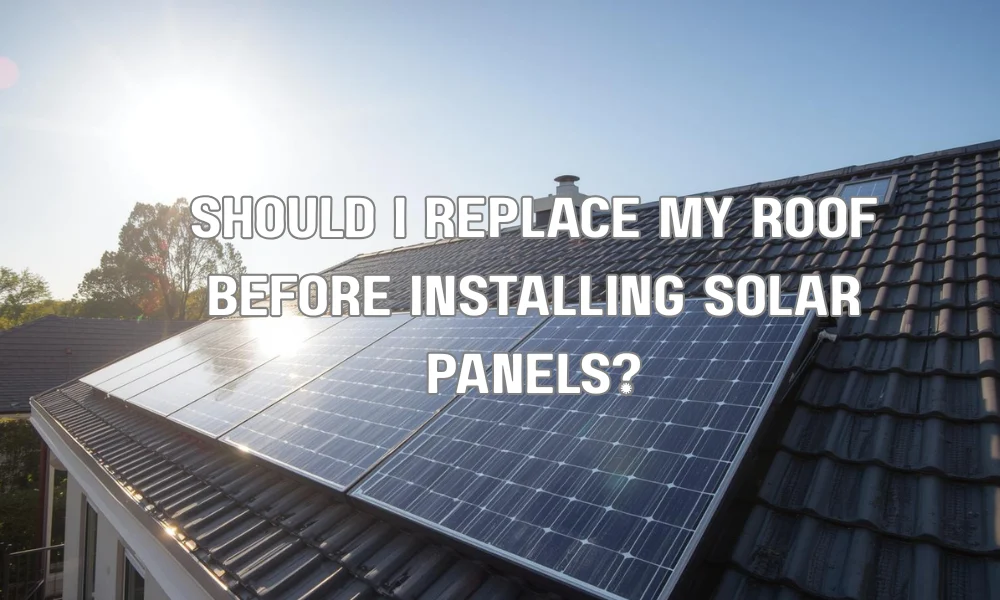
Executive Summary
- Evaluating your roof’s remaining lifespan is crucial; if it has less than 10-15 years, replacement before solar installation is generally recommended to avoid future complications.
- Installing solar panels on an aging or damaged roof can void warranties, lead to costly panel removal and reinstallation during roof repairs, and compromise energy production.
- New roofing materials are often more resilient and specifically designed to integrate seamlessly with solar systems, enhancing overall home energy efficiency and aesthetics.
- An early roof replacement prior to solar installation can qualify for federal tax credits, bundling costs and maximizing long-term financial benefits.
- Proactive roof replacement ensures the structural integrity required to support solar panel weight and withstand local weather conditions for the entire solar system lifespan.
- Delaying necessary roof repairs or replacement until after solar installation introduces significant logistical challenges, increased labor costs, and potential downtime for your energy system.
- Consulting a qualified roofing contractor and a solar specialist simultaneously provides a comprehensive assessment, guiding a cost-effective and durable solution for your home.
Why Your Roof’s Condition Matters for Solar Efficiency and Longevity
The condition of your roof is paramount when considering solar panel installation because it serves as the foundation for your entire solar energy system. A sound, structurally intact roof ensures the safety, efficiency, and longevity of your solar investment, preventing future costly issues. Overlooking existing roof problems before going solar can lead to significant financial and logistical headaches down the line.
Critical Fact 1: The average lifespan of a solar panel system is 25-30 years, significantly longer than many residential roofs. Installing panels on a roof with less than 15 years of life remaining almost guarantees premature panel removal and reinstallation costs.
What is the primary concern when combining solar with an older roof?
The primary concern when combining solar panels with an older roof is the potential for the roof to fail or require significant repairs before the solar system reaches its expected lifespan. This forces homeowners into the expensive and disruptive process of having their solar panels professionally removed and then reinstalled to facilitate roof work, dramatically increasing the overall cost of ownership. Additionally, an unsound roof can compromise the structural integrity needed to safely support the panels.
Assessing Your Current Roof: Age, Material, and Condition
A thorough assessment of your existing roof’s age, material, and overall condition is the foundational step in deciding whether to replace it before installing solar panels. This evaluation helps predict its remaining lifespan and identify any pre-existing issues that could be exacerbated by a solar installation. Understanding these factors will inform a smart, long-term decision.
How do I evaluate my roof’s remaining lifespan?
To evaluate your roof’s remaining lifespan, begin by determining its age and the type of material it’s made from. Asphalt shingles typically last 20-30 years, metal roofs 40-70 years, and tile roofs 50-100 years. Next, visually inspect for signs of wear such as missing, curled, cracked, or brittle shingles, significant granule loss, sagging, or water stains on your ceiling, which indicate underlying issues. A professional roofing inspection will provide the most accurate assessment of its current condition and projected remaining years.
What roofing materials are best suited for solar panel installation?
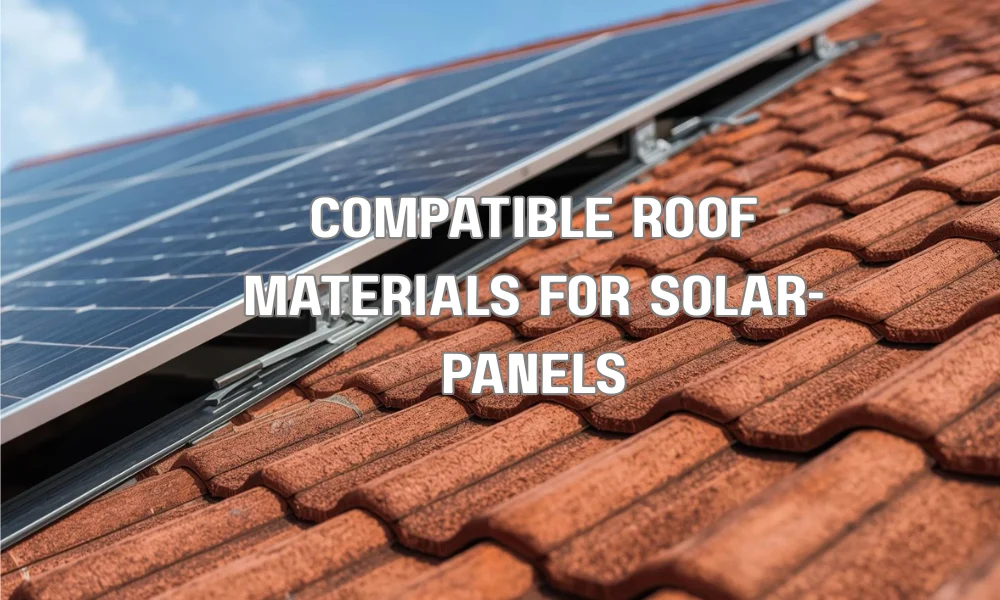
Durable, long-lasting roofing materials like asphalt shingles (high-quality architectural grade), metal, and tile are generally best suited for solar panel installation due to their inherent longevity and structural integrity. These materials can withstand the additional weight of solar panels and accommodate mounting hardware without compromising the roof’s waterproof barrier. They provide a stable, enduring platform that matches or exceeds the 25-30 year lifespan of most solar systems.
The Financial Implications of Early Roof Replacement
Considering the financial implications of replacing your roof early is essential for maximizing the return on investment for your entire home energy system. While an upfront cost, replacing a roof nearing its end-of-life before solar installation can prevent far more expensive repairs and reinstallation fees in the future, ultimately saving you money over the decades. Strategic timing can also bundle costs and potentially leverage tax incentives.
Is it more cost-effective to replace my roof now or later?
It is generally more cost-effective to replace your roof now if it has less than 10-15 years of life remaining, especially before solar panel installation. The initial cost of a roof replacement is almost always less than the combined future costs of roof replacement, solar panel removal, and solar panel reinstallation, which can add thousands of dollars to the total project. Proactive replacement avoids these significant future expenses and downtime.
What are the hidden costs of installing solar on a deteriorating roof?
Installing solar panels on a deteriorating roof incurs several hidden costs, primarily the future expenses associated with solar panel removal and reinstallation when the inevitable roof replacement becomes necessary. This process involves labor for uninstalling and reinstalling panels, potential damage to existing panels during removal, and delays in energy production. Additionally, an old roof might not qualify for new warranties, or the solar installer’s warranty might be voided if the underlying roof fails, leaving the homeowner responsible for costly repairs.
Critical Fact 2: Many federal and state incentives, like the Investment Tax Credit (ITC), allow you to include the cost of a new roof as part of the total eligible solar system expenses if the new roof is essential for the solar installation (e.g., strengthening for solar weight or extending lifespan to match panels). Consult a tax professional for specific eligibility.
Warranty, Maintenance, and Future-Proofing Your Investment
Proper consideration of warranties, ongoing maintenance, and future-proofing strategies is vital to protect your combined roof and solar investment. Understanding how roof condition impacts solar warranties and planning for long-term care ensures your system remains efficient, reliable, and free from unexpected expenditures. A well-maintained and warrantied system offers true peace of mind.
How does roof condition impact solar panel warranties?
The condition of your roof significantly impacts solar panel warranties, as most solar installers will not warranty their work if the underlying roof is in poor or failing condition. Manufacturers’ warranties for the panels themselves typically cover product defects, but the installer’s workmanship warranty, which protects against leaks or installation errors, often relies on a sound roof. Installing on a compromised roof can void these crucial installation warranties, leaving homeowners liable for any related issues.
What are the long-term maintenance considerations for a combined roof and solar system?
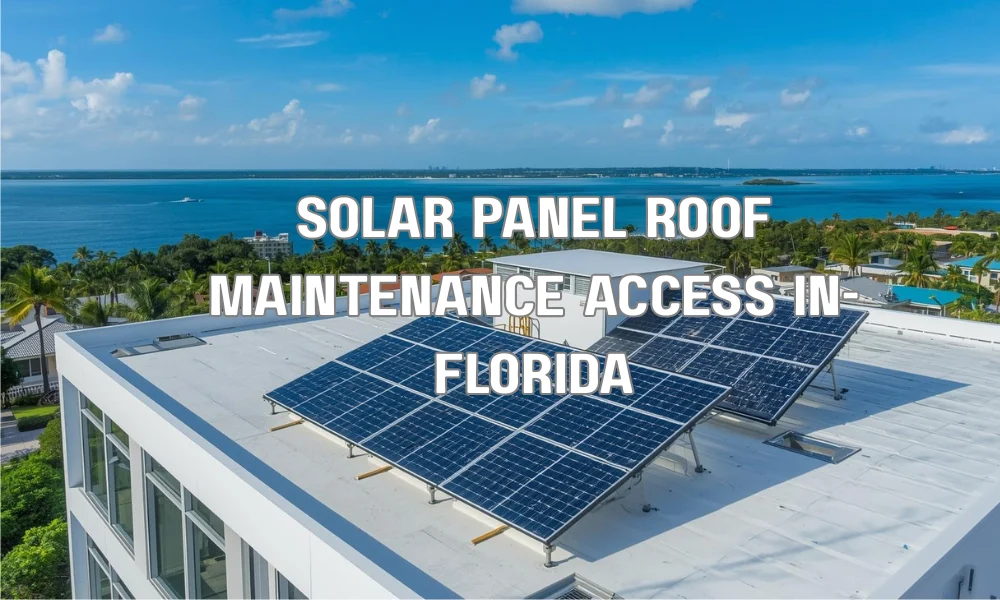
Long-term maintenance for a combined roof and solar system primarily involves periodic cleaning of solar panels to maintain efficiency and regular inspections of the roof for any potential issues. It’s crucial to ensure that roof access for cleaning or repairs can be safely achieved without damaging panels or wiring. Any major roof repair or replacement will necessitate professional solar panel removal and reinstallation, adding complexity and cost to the process.
Making the Right Decision: A Step-by-Step Approach
Making the right decision about replacing your roof before installing solar panels involves a systematic approach that considers multiple factors. By methodically evaluating your specific circumstances, consulting experts, and understanding the financial and practical implications, you can arrive at a conclusion that maximizes your long-term benefits and avoids costly mistakes.
What steps should I take to decide on roof replacement?
To decide on roof replacement, first, obtain a professional roofing inspection to assess your roof’s age, condition, and estimated remaining lifespan. Simultaneously, get multiple quotes for solar panel installation, including an assessment of the current roof’s suitability. Compare the cost of installing solar on your existing roof versus the bundled cost of a new roof and solar, factoring in potential future solar panel removal/reinstallation expenses. Finally, consider financing options and any available tax incentives to make an informed, cost-effective decision that aligns with your home improvement goals.
The following table provides a comparison of common roofing materials, their approximate lifespans, and general suitability for solar panel installation, helping homeowners gauge the long-term compatibility of their roof with a solar energy system.
| Roofing Material | Average Lifespan (Years) | Initial Cost (per sq ft) | Solar Compatibility | Considerations for Solar |
|---|---|---|---|---|
| Asphalt Shingles (3-tab) | 15-20 | $3.00 – $5.00 | Good (if new) | Shorter lifespan may require early replacement. Granule loss can reduce solar panel efficiency over time if excessive. |
| Asphalt Shingles (Architectural) | 25-30 | $4.50 – $7.00 | Excellent | Good match for solar panel lifespan. Stronger and more durable. |
| Metal Roofing (Standing Seam) | 40-70 | $9.00 – $16.00 | Excellent | Longest lifespan, often outlasts solar panels. “Clamp-on” mounting options prevent roof penetration, reducing leak risk. |
| Tile (Clay/Concrete) | 50-100 | $10.00 – $25.00 | Good (complex install) | Very long lifespan. Requires specialized mounting systems (standoffs) that can be more complex and costly to install. |
| TPO/PVC (Flat Roofs) | 20-30 | $7.00 – $14.00 | Excellent (ballasted/mounted) | Suitable for low-slope roofs. Ballasted systems avoid penetrations, direct-mounted systems require careful sealing. |
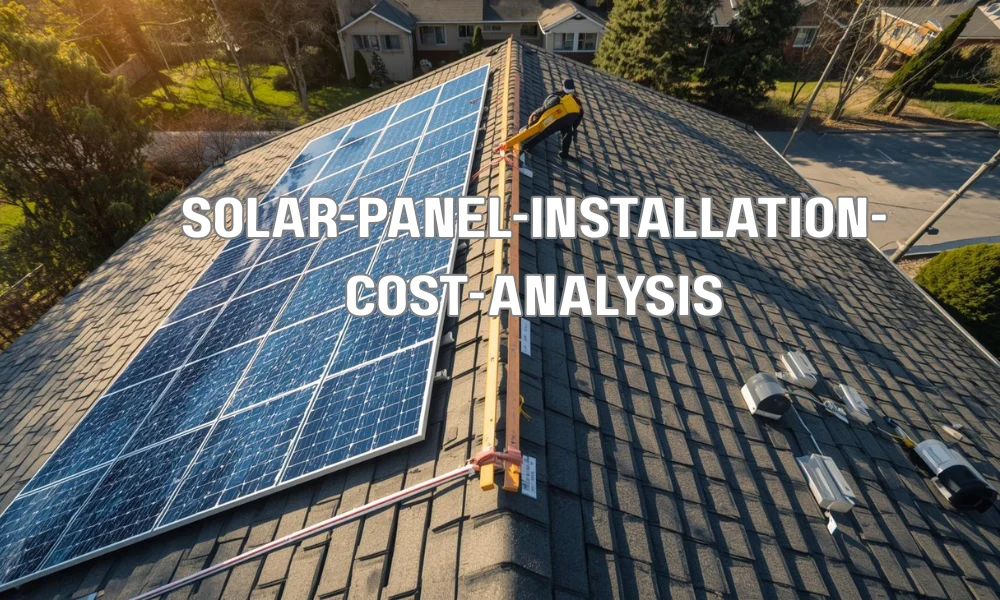
Critical Fact 3: The Investment Tax Credit (ITC) can reduce the cost of installing a new roof if it is an integral structural component or a condition of installing solar panels, potentially saving homeowners 30% on combined eligible expenses. This makes bundling the projects financially attractive.
Frequently Asked Questions
Should I always replace my roof if it’s over 10 years old before solar?
Not always, but it’s highly recommended if it’s an asphalt shingle roof. For other materials with longer lifespans like metal or tile, a professional inspection might confirm sufficient remaining life. However, if any significant repair is anticipated within the next 15 years, replacement is typically the wiser financial choice.
Will installing solar panels damage my roof?
When installed correctly by certified professionals, solar panels should not damage your roof. Mounts are designed to distribute weight evenly and penetrations are carefully sealed. Poor installation, however, can lead to leaks or structural issues, underscoring the importance of choosing a reputable installer.
Can I get a new roof and solar panels financed together?
Yes, many solar financing companies and home improvement lenders offer options to bundle the cost of a new roof with your solar panel installation. This can simplify the process, often resulting in a single monthly payment for both improvements and potentially lower overall interest rates.
How long does a roof replacement and solar installation typically take?
A standard residential roof replacement usually takes 1-3 days, depending on complexity. Solar panel installation typically takes another 1-3 days after the roof is ready. The entire process, from initial assessment to system activation, can range from 4-8 weeks, including permitting and inspections.
What if my roof needs repair shortly after solar installation?
If your roof requires repair shortly after solar installation, you will likely incur significant additional costs. These include the fees to have the solar panels safely removed by qualified technicians, the cost of the roof repair itself, and then the fees to have the panels reinstalled. This scenario is precisely what proactive roof replacement aims to avoid.
Do solar panels protect my roof from weather?
Solar panels can offer a degree of protection to the sections of your roof they cover, shielding them from direct sunlight, hail, and heavy rain. This can potentially slow down the aging process of the covered areas. However, the edges and exposed sections of the roof still bear the brunt of weather exposure.
Will my home insurance cover solar panels and a new roof?
Most standard homeowner’s insurance policies extend coverage to solar panels as part of your dwelling, but it’s crucial to confirm this with your provider. A new roof, especially if replacing an old one, might even qualify you for lower insurance premiums due to improved structural integrity and reduced risk.
How do I find a reputable contractor for both roof and solar work?
Look for contractors who are licensed, insured, and have strong references or positive reviews for both roofing and solar work. Consider companies that specialize in both, or work with a solar installer who partners with trusted roofing contractors. Always get multiple quotes and verify credentials before committing.
