
Executive Summary
- Proactive roof management is crucial for self-storage and light industrial facilities to prevent costly structural damage and operational disruptions from leaks.
- Recoating existing metal roofs offers a cost-effective, non-invasive solution for extending lifespan by 10-20 years, provided the substrate is in good condition.
- Metal roof retrofit systems provide a robust, long-term solution, installing a new roof over the old one to significantly enhance insulation and structural integrity without full demolition.
- Complete roof replacement is necessary for extensively deteriorated or structurally compromised metal roofs, ensuring full code compliance and maximum longevity.
- Selecting the optimal strategy—recoat, retrofit, or replace—depends on current roof condition, budget, desired lifespan, and energy efficiency goals for each facility.
- Implementing the correct strategy minimizes downtime, preserves asset value, and enhances tenant satisfaction by ensuring a dry, secure storage environment.
- Considering long-term ROI, energy savings, and warranty provisions is paramount when deciding on the most sustainable and economically sound roofing solution.
Understanding Metal Roof Deterioration
Metal roofs on self-storage and light industrial buildings are renowned for their durability, yet they are not immune to wear and tear. Over time, exposure to harsh weather, UV radiation, thermal cycling, and physical damage leads to common issues like seam separation, fastener back-out, corrosion, and coating degradation. These issues compromise the roof’s integrity, leading to leaks that can damage stored goods and operational equipment, ultimately devaluing the property.
Critical Fact 1: A single square foot of roof leak can cause thousands of dollars in property damage, business interruption, and mold remediation costs for self-storage and light industrial facilities.
Why do self-storage and light industrial metal roofs fail?
Self-storage and light industrial metal roofs primarily fail due to a combination of environmental stressors, material fatigue, and inadequate maintenance. UV radiation breaks down protective coatings, leading to chalking and fading, while thermal expansion and contraction cycles stress fasteners and seams, causing them to loosen or crack. Furthermore, poor drainage, standing water, and chemical exposure can accelerate corrosion, particularly in areas where the original coating has worn away. Neglecting minor issues allows them to escalate into significant structural problems, compromising the entire roofing system.
The Recoat Option: Extending Life with Coatings
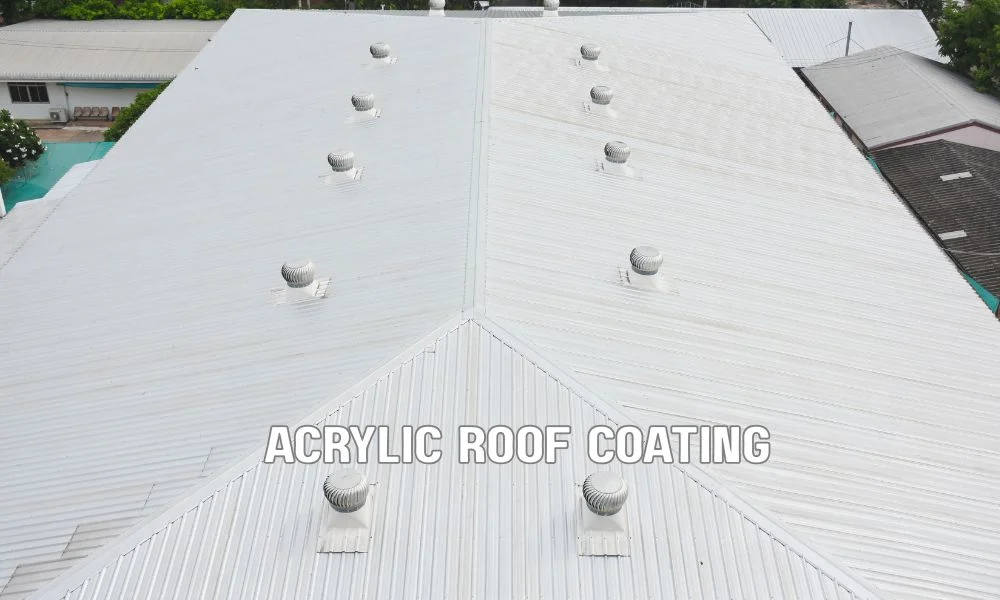
Recoating involves applying a new, protective layer over an existing metal roof, offering a cost-effective way to extend its service life. This option is ideal for roofs that are structurally sound but exhibit surface-level deterioration such as minor corrosion, chalking, or fading. Recoating not only waterproofs the roof but also enhances its reflectivity, potentially reducing cooling costs by reflecting solar energy. The process typically involves thorough cleaning, rust treatment, seam reinforcement, and then applying a high-performance elastomeric or silicone coating.
When is recoating a viable solution for existing metal roofs?
Recoating is a viable solution when the existing metal roof substrate is still in good structural condition, free from extensive rust, significant panel damage, or widespread fastener failures. This option is best suited for roofs showing early signs of aging, such as minor leaks, chalking, or general surface degradation, but where the underlying metal panels are largely intact. A professional inspection is crucial to determine if the roof’s structural integrity can support a recoat system effectively. If the roof has widespread delamination, significant rust penetration, or a compromised deck, recoating will likely be a temporary fix at best.
What are the benefits and limitations of metal roof recoating?
The primary benefits of metal roof recoating include significantly lower upfront costs compared to replacement, minimal disruption to operations, and improved energy efficiency due to reflective coatings. Recoating can extend a roof’s life by 10-20 years, offering a strong return on investment for well-maintained structures. However, limitations exist: recoating is not a structural repair and cannot fix severely damaged or compromised panels. Its effectiveness is entirely dependent on the existing roof’s condition; if the substrate is too deteriorated, the new coating will eventually fail prematurely.
The Retrofit Option: A New Roof Over the Old
A metal roof retrofit involves installing a new metal roofing system directly over the existing one, rather than tearing off the old roof. This method is particularly effective for roofs with moderate to severe deterioration, including widespread leaks, damaged panels, or insufficient insulation, but where the structural framing is still sound. The retrofit process often includes adding a sub-framing system to create a level plane, improving drainage, and incorporating additional insulation, which dramatically boosts thermal performance.
How does a metal roof retrofit extend the lifespan of an existing structure?
A metal roof retrofit extends the lifespan of an existing structure by providing a completely new, robust weather barrier that protects the original roof from further degradation, effectively giving the building a second roof. By encapsulating the old system, a retrofit eliminates existing leak points and prevents future water ingress. The addition of new insulation within the sub-framing system significantly improves the building’s thermal envelope, reducing energy consumption and prolonging the life of HVAC systems. This comprehensive approach addresses both performance and longevity, often with a 20-40 year lifespan for the new system.
Critical Fact 2: Retrofitting a metal roof can improve its energy efficiency by up to 30%, leading to substantial long-term savings on heating and cooling costs for large commercial properties.
What are the advantages of retrofitting versus full replacement?
Retrofitting offers several distinct advantages over full replacement, primarily reducing costs associated with demolition, waste disposal, and potential business interruption. Since the old roof isn’t removed, there’s less noise, dust, and disruption to ongoing operations, which is crucial for occupied self-storage units or active industrial sites. Additionally, retrofits typically allow for enhanced insulation to be added, improving energy performance, and can often be completed faster than a full tear-off and replacement. It’s also an environmentally friendlier option, as it diverts significant material from landfills.
The Replace Option: Starting Fresh
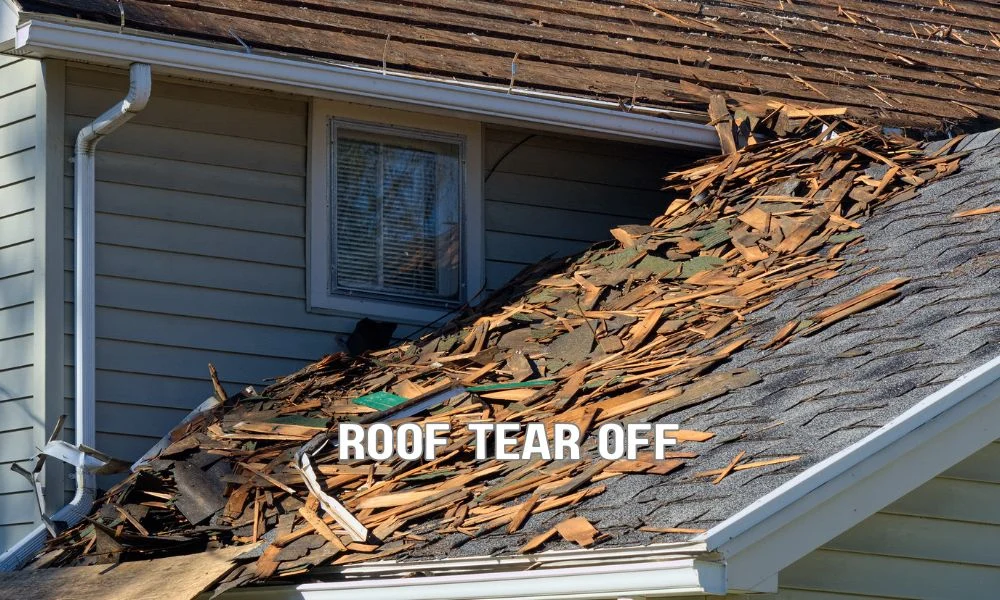
Complete metal roof replacement involves the full demolition and removal of the existing roofing system, down to the structural deck, and the installation of an entirely new roof. This is the most comprehensive and often the most expensive option, but it is necessary when a roof is severely damaged, structurally compromised, or at the end of its useful life. Replacement ensures that the entire roofing system, including fasteners, decking, and insulation, meets current building codes and performs optimally, offering the longest lifespan and best warranty coverage.
When is a complete metal roof replacement absolutely necessary?
A complete metal roof replacement becomes absolutely necessary when the existing roof exhibits extensive structural damage, severe corrosion that has compromised the metal panels, or widespread fatigue that makes repairs or retrofits impractical. If the roof deck is deteriorated, there’s significant deflection, or the building’s structural integrity is at risk due to persistent leaks or wind damage, replacement is the only safe and effective long-term solution. Additionally, if current building codes necessitate significant upgrades that cannot be achieved through less invasive methods, replacement is the logical choice.
What factors determine the best approach for roof restoration?
The best approach for metal roof restoration—recoat, retrofit, or replace—is determined by several critical factors: the current condition of the roof (structural integrity, extent of rust, panel damage), the owner’s budget, the desired lifespan extension, and energy efficiency goals. Operational impact and desired warranty also play significant roles. A comprehensive professional roof assessment is paramount to accurately diagnose issues and recommend the most cost-effective and sustainable solution that aligns with the facility’s long-term objectives.
Comparative Analysis of Roofing Strategies
Choosing between recoating, retrofitting, or replacing a metal roof requires a clear understanding of the implications for each strategy. This table outlines key differences to help property owners and facility managers make informed decisions tailored to their specific needs and budget constraints.
| Feature | Recoating | Retrofit | Replacement |
|---|---|---|---|
| Initial Cost (per sq ft) | Low ($1-$3) | Medium ($4-$8) | High ($8-$15+) |
| Expected Lifespan Extension | 10-20 years | 20-40 years | 30-50+ years |
| Disruption to Operations | Minimal | Low to Moderate | Moderate to High |
| Energy Efficiency Improvement | Moderate (reflective coatings) | High (new insulation) | High (new insulation, optimal design) |
| Structural Integrity Impact | None (surface repair) | Enhances (new structural components) | Complete overhaul |
| Best Use Case | Sound roofs with surface issues | Moderate damage, desire for insulation | Extensive damage, end-of-life, code compliance |
| Warranty Coverage | Material & Workmanship (shorter) | System & Workmanship (longer) | Full system (longest) |
Long-Term Maintenance & ROI
Regardless of the chosen strategy, long-term maintenance is critical to maximizing the return on investment (ROI) for any metal roofing system. Regular inspections, proactive leak detection, and timely repairs can significantly extend the life of a recoated, retrofitted, or replaced roof. For recoated roofs, reapplication might be needed after its lifespan. Retrofitted and replaced roofs benefit from routine cleaning and fastener checks. The ROI isn’t just about cost savings; it includes preserving asset value, ensuring tenant satisfaction, and maintaining a safe operating environment. Energy savings, particularly with reflective coatings or added insulation, also contribute significantly to the overall financial benefit over the roof’s lifespan.
Critical Fact 3: Investing in proactive metal roof maintenance can extend its lifespan by up to 50%, deferring capital expenditures and maximizing asset value.
Frequently Asked Questions
What is the typical lifespan of a metal roof in a self-storage facility?
The typical lifespan of a metal roof for self-storage or light industrial facilities ranges from 30 to 50 years, often longer, depending on the material, climate, quality of installation, and maintenance. High-quality standing seam roofs can easily exceed 50 years with proper care.
Can a severely rusted metal roof be recoated?
A severely rusted metal roof generally cannot be effectively recoated. While surface rust can be treated, widespread structural rust indicates compromised integrity. Recoating over such damage would be temporary and prone to premature failure, making retrofit or replacement more appropriate.
What are the environmental benefits of retrofitting a metal roof?
Retrofitting a metal roof offers significant environmental benefits by diverting old roofing materials from landfills, as the existing roof is often left in place. It also improves energy efficiency through added insulation, reducing the building’s carbon footprint and energy consumption.
How do reflective coatings improve energy efficiency?
Reflective coatings improve energy efficiency by bouncing a significant portion of the sun’s infrared and UV radiation away from the roof surface. This reduces heat absorption, lowering the interior temperature of the building and decreasing the load on HVAC systems, leading to energy savings.
Is a new metal roof quieter than an old one during rain?
A new metal roof, especially one installed as part of a retrofit with added insulation or a new full replacement, is generally quieter during rain than an old, uninsulated, or damaged metal roof. The new layers and insulation provide better sound dampening.
What kind of warranty can I expect for each option?
Recoating typically offers material and workmanship warranties of 5-15 years. Retrofit systems often come with 20-30 year warranties covering the new system. Full replacement offers the most comprehensive warranties, ranging from 20-50 years, often covering materials and labor for the entire system.
How long does each roofing process typically take?
Recoating is the fastest, usually completed in days to a couple of weeks for most facilities. Retrofits take longer, often 2-4 weeks, depending on complexity. Full replacement is the most time-consuming, potentially taking 4-8 weeks or more due to demolition and full reinstallation.
Will a new roof require changes to my insurance policy?
A new or significantly upgraded roof, especially one with improved hurricane resistance or fire ratings, may impact your insurance policy. It’s advisable to inform your insurer about any major roofing project as it could lead to reduced premiums or better coverage terms.
