

Executive Summary
- Secondary Water Barriers (SWBs) are critical unseen layers safeguarding homes from water intrusion and moisture-related damage, significantly extending structural longevity.
- They act as a crucial second line of defense, preventing leaks that bypass primary roofing or siding from reaching interior building components effectively.
- Effective SWB implementation drastically reduces long-term maintenance costs and mitigates risks of mold, structural rot, and compromised indoor air quality.
- Understanding different SWB types, such as synthetic underlayments and self-adhering membranes, is paramount for tailoring optimal home protection strategies.
- Proper installation of these barriers is non-negotiable; even the most advanced materials fail without meticulous attention to flashing and seal details.
- Investing in high-quality SWBs enhances a home’s resilience against extreme weather, improving future insurance outcomes and potentially boosting resale value.
- Proactive integration of SWBs into construction or renovation projects is a smart, forward-thinking strategy for comprehensive property defense.
The Unseen Guardian: What Are Secondary Water Barriers?
Secondary Water Barriers (SWBs) are a hidden, yet profoundly critical, component in modern building envelopes, forming an indispensable layer of defense against water infiltration. These specialized materials are installed beneath primary exterior coverings like roofing shingles, siding, or stucco, acting as a crucial backup system. Their primary purpose is to intercept and redirect any water that manages to penetrate the first line of defense, safeguarding the structural integrity and interior environment of a home from moisture damage. Ignoring this protective layer is akin to having an umbrella with holes – it works until it truly matters.
Critical Fact 1: Over 70% of residential water damage originates from exterior envelope failures, making robust secondary water barriers a non-negotiable safeguard against pervasive and costly issues like mold, rot, and structural decay.
Why are SWBs essential for long-term home integrity?
SWBs are essential for long-term home integrity because they provide continuous protection against water damage, which is a leading cause of premature structural deterioration, costly repairs, and health hazards like mold growth. While roofing and siding are designed to shed water, they are not infallible; high winds, ice dams, torrential rain, or simple wear and tear can compromise their effectiveness. When the primary barrier fails, even minutely, water can seep into wall cavities, attics, or basements, leading to insidious problems that often go unnoticed until significant damage has occurred. An SWB acts as an insurance policy, preventing this ingress and ensuring the building’s framework remains dry and sound for decades.
Types of Secondary Water Barriers: Choosing Your Home’s Best Defense
The market offers a diverse range of Secondary Water Barriers, each engineered with specific properties to suit different applications, climates, and budget considerations. Understanding these variations is key to selecting the most effective protection for your home. These barriers generally fall into categories based on their material composition and application method, with advancements continually improving their performance and ease of installation.
What are the common types of secondary water barriers available today?
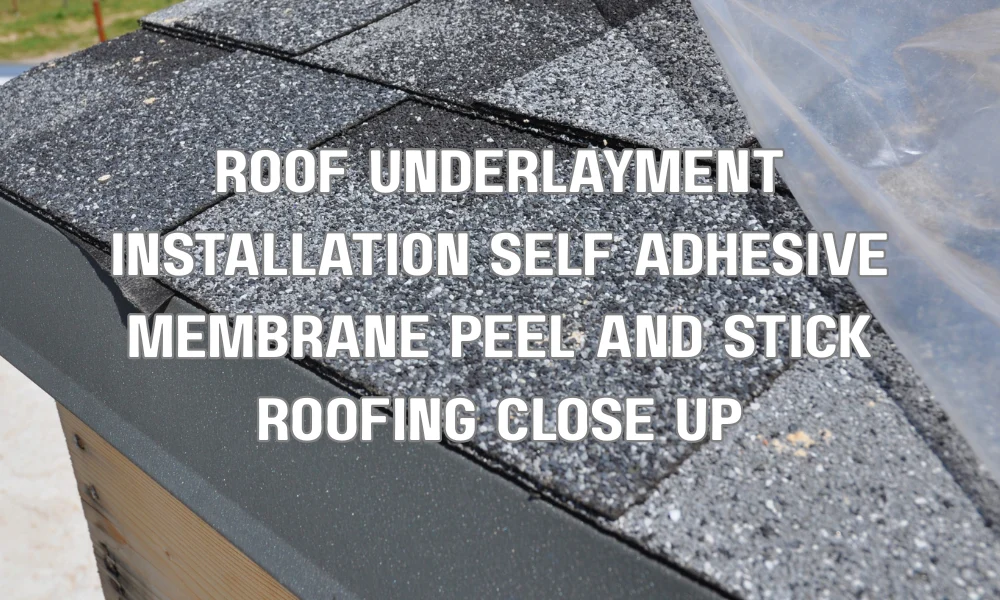
The common types of secondary water barriers available today primarily include synthetic underlayments, asphalt-saturated felts (tar paper), and self-adhering membranes (ice-and-water shield). Synthetic underlayments, often made from polypropylene or polyethylene, are lightweight, durable, and resistant to tearing and moisture, offering superior performance compared to traditional felt. Asphalt-saturated felts are a more traditional, cost-effective option, providing decent water resistance but with less tear strength and flexibility. Self-adhering membranes, typically composed of a rubberized asphalt or butyl adhesive laminated to a polymer film, create a watertight seal when applied, excelling in critical areas like eaves, valleys, and around penetrations where water pooling or ice dams are prevalent.
How do self-adhering membranes differ from synthetic underlayments?
Self-adhering membranes differ significantly from synthetic underlayments in their application and sealing capabilities. Synthetic underlayments are mechanically fastened to the roof deck or sheathing, relying on their water-resistant material and overlapping seams to shed water, similar to a separate layer of protective fabric. In contrast, self-adhering membranes feature an adhesive backing that forms a continuous, watertight bond directly to the substrate, effectively sealing around fasteners (like nails or screws) to prevent water penetration at those critical points. This self-sealing characteristic makes them exceptionally effective in high-risk areas, offering a superior level of watertight integrity where it’s most needed.
Critical Fact 2: While traditional roofing felt provides a basic moisture barrier, modern synthetic underlayments and self-adhering membranes offer up to five times greater tear strength and significantly superior water resistance, providing robust protection even in extreme weather conditions.
The Science of Protection: How SWBs Prevent Damage
The effectiveness of Secondary Water Barriers lies in their sophisticated design, engineered to leverage principles of material science and hydrostatic pressure to repel and redirect water. They don’t just act as a simple sheet; rather, they form an impervious or highly resistant layer that creates an escape route for any moisture that breaches the primary defense. This scientific approach ensures that even persistent water intrusion is managed without compromising the building’s structure.
How do SWBs prevent moisture intrusion even after primary defense failure?
SWBs prevent moisture intrusion even after primary defense failure by creating a continuous, water-resistant plane that shunts any penetrating water downwards and outwards, away from the interior structure. In the case of self-adhering membranes, their adhesive backing seals around fasteners, preventing water from wicking through nail holes. For synthetic underlayments, their hydrophobic properties and overlapping installation create a sloped surface that guides water away, ensuring that moisture cannot accumulate within the building envelope and cause damage to sheathing, insulation, or framing.
What role do SWBs play in mitigating mold and structural rot?
SWBs play a crucial role in mitigating mold and structural rot by keeping the building’s internal components dry, thereby eliminating the moisture necessary for fungal growth and wood decomposition. Mold thrives in damp environments, and once established, it can spread rapidly, causing respiratory issues and deteriorating materials. Similarly, persistent moisture leads to structural rot, weakening wood framing and sheathing, which compromises the entire building’s stability. By preventing water from reaching these vulnerable areas, SWBs act as a proactive defense, ensuring a healthier indoor environment and preserving the longevity of the home’s framework.
Installation Insights: Ensuring Your Barrier Performs
The performance of any Secondary Water Barrier hinges not just on the quality of the material but critically on its proper installation. Even the most advanced SWB can fail if installed incorrectly, underscoring the importance of adherence to manufacturer specifications and best industry practices. This often involves precise overlapping, diligent sealing of penetrations, and careful integration with other building envelope components.
What are the critical steps for proper SWB installation?
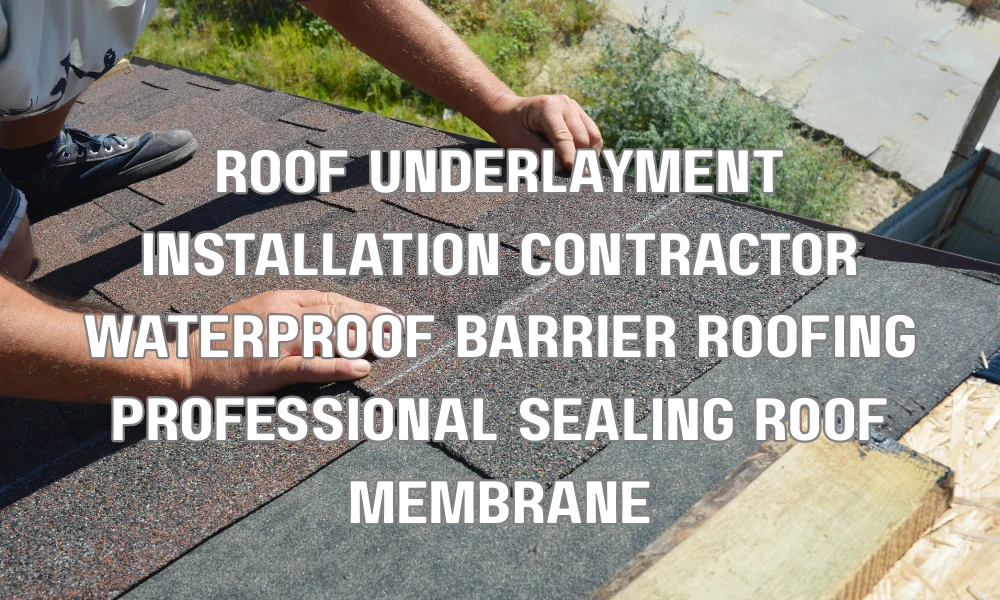
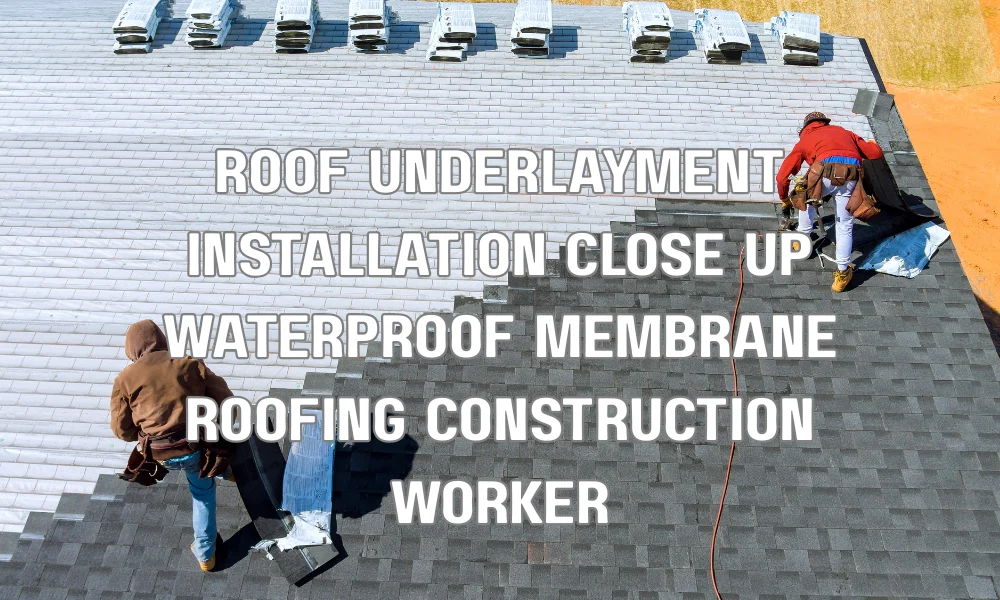
Critical steps for proper SWB installation include preparing a clean, dry, and smooth substrate, ensuring correct shingle or panel overlap patterns, meticulously sealing all penetrations and transitions, and fastening the material securely without compromising its integrity. For self-adhering membranes, this also involves proper surface priming and consistent pressure application to ensure a complete bond. Flashing details around windows, doors, vents, and other wall or roof protrusions are particularly vital, requiring careful integration of the SWB to create a continuous waterproof seal.
Why is professional installation crucial for maximizing SWB effectiveness?
Professional installation is crucial for maximizing SWB effectiveness because it ensures adherence to complex technical specifications, guarantees proper material integration, and accounts for potential on-site challenges. Experienced installers possess the knowledge to correctly prepare surfaces, manage intricate details around penetrations, and apply the materials uniformly to achieve a continuous, watertight seal. DIY attempts often lead to common errors such as insufficient overlaps, improper sealing, or damage to the barrier itself, which can compromise the entire system and negate the investment in high-quality materials, leading to expensive future repairs.
Beyond the Basics: Advanced Considerations for SWBs
While the fundamental purpose of Secondary Water Barriers remains consistent, the optimal choice and application can vary significantly based on specific environmental factors and regulatory requirements. Modern SWBs are not one-size-fits-all solutions; their selection should be a thoughtful process considering the unique demands placed upon a building.
How do climate and building codes influence SWB selection?
Climate and building codes significantly influence SWB selection by dictating the required level of protection and specific material properties. In regions prone to hurricanes or heavy snow and ice dams, building codes often mandate self-adhering membranes in critical areas like eaves and valleys to withstand extreme conditions and prevent water intrusion from wind-driven rain or prolonged ice accumulation. Arid climates might prioritize vapor permeability in wall SWBs to manage condensation, while humid climates may require less permeable options. Local codes frequently specify minimum performance standards (e.g., water resistance, tear strength) and installation methods that must be met, guiding the choice of SWB materials.
What are the long-term benefits of investing in superior SWB solutions?
Investing in superior SWB solutions offers numerous long-term benefits, including enhanced structural longevity, significantly reduced maintenance costs, improved indoor air quality, and increased property value. A high-quality SWB ensures the building envelope remains dry, preventing hidden damage that can lead to expensive repairs, mold remediation, and health issues. This proactive protection extends the lifespan of other building components like insulation and framing. Furthermore, a well-protected home offers peace of mind, potentially lowers insurance premiums, and serves as a strong selling point, demonstrating superior construction quality and resilience to prospective buyers.
Data Comparison: Common Secondary Water Barrier Types
To further illustrate the practical differences between various SWB options, the following table compares key technical specifications, typical applications, and estimated costs, aiding in informed decision-making for homeowners and builders alike.
| Feature | Asphalt-Saturated Felt (e.g., #15 or #30 Felt) | Synthetic Underlayment | Self-Adhering Membrane (Ice & Water Shield) |
|---|---|---|---|
| Material Composition | Organic felt saturated with asphalt | Polypropylene or Polyethylene fabrics | Rubberized asphalt or butyl adhesive with polymer film |
| Water Resistance | Good (can absorb water over time) | Excellent (hydrophobic, does not absorb water) | Superior (fully waterproof, self-sealing) |
| Tear Strength | Fair (can tear easily) | Excellent (highly resistant to tearing) | Very Good (strong, but can tear if not handled carefully during install) |
| Lifespan | 10-20 years (degrades with UV exposure) | 20-50+ years (UV stable options available) | 30-50+ years (excellent durability) |
| Application Area | Full roof deck (general underlayment) | Full roof deck, wall sheathing (general underlayment) | Eaves, valleys, penetrations, low-slope roofs (critical areas) |
| Installation Method | Mechanically fastened (nails, staples) | Mechanically fastened (cap nails, staples) | Peel-and-stick adhesive (no fasteners needed for waterproofing) |
| Typical Cost (per 100 sq ft) | $15 – $30 | $25 – $70 | $60 – $120+ |
| Self-Sealing Around Fasteners | No | Limited (depends on fastener type/size) | Yes (excellent sealing properties) |
Critical Fact 3: While initial material costs for advanced secondary water barriers might be higher, the long-term savings from preventing water damage, mold remediation, and structural repairs can result in a return on investment of over 300% within a decade, making them a wise preventative expenditure.
Frequently Asked Questions
What is the primary function of a secondary water barrier?
The primary function of a secondary water barrier is to provide a critical backup defense against water intrusion. It catches any water that penetrates the primary exterior covering (like shingles or siding) and redirects it away from the building’s interior structure, preventing moisture damage, mold growth, and structural rot.
Are secondary water barriers required by building codes?
Yes, in many regions, secondary water barriers, particularly self-adhering membranes (ice and water shields), are often required by building codes, especially in areas prone to high winds, heavy rain, or freezing temperatures where ice damming is a risk. Requirements vary by local jurisdiction and climate zone.
Can I install a secondary water barrier myself?
While some homeowners might attempt DIY installation, it’s generally recommended that secondary water barriers be installed by professionals. Proper installation, including meticulous sealing, correct overlaps, and handling of penetrations, is crucial for the barrier’s effectiveness and to avoid costly future repairs.
How long do secondary water barriers typically last?
The lifespan of a secondary water barrier varies by type. Traditional asphalt felts may last 10-20 years, while modern synthetic underlayments and self-adhering membranes can last 20-50 years or more, often outliving the primary roofing or siding material they protect.
Do secondary water barriers also prevent air leaks?
Some secondary water barriers, particularly certain types of house wraps and self-adhering membranes, are designed to act as both water resistive barriers and air barriers. This dual function contributes to improved energy efficiency by reducing uncontrolled air infiltration, enhancing thermal performance.
Is a secondary water barrier the same as a vapor barrier?
No, a secondary water barrier (WRB) is not the same as a vapor barrier. An SWB’s main role is to stop bulk liquid water. A vapor barrier, on the other hand, is designed to restrict the movement of water vapor to prevent condensation within wall cavities, and its placement depends on climate and building design.
Can SWBs prevent damage from a major flood?
Secondary water barriers are highly effective against water intrusion from rain, wind, and ice, but they are not designed to withstand or prevent damage from major flooding events where water pressures are extreme and prolonged. For flood protection, specialized flood-resistant construction and materials are required.
What is the cost-benefit of installing a superior SWB?
The cost-benefit of installing a superior SWB is substantial. While initial material and installation costs might be higher, they are far outweighed by the long-term savings from preventing expensive water damage repairs, mold remediation, structural deterioration, and potential increases in property value and peace of mind.
