
Executive Summary
- Verify Florida roofers hold valid state licenses and comprehensive insurance before hiring to protect against liability and ensure quality craftsmanship.
- Always insist on proper local permitting for all roofing projects; it ensures code compliance, structural integrity, and facilitates future insurance claims.
- Understand Florida’s multi-stage inspection process, from initial tear-off to final roof completion, to confirm work meets stringent safety and hurricane standards.
- Prioritize contractors experienced with Florida’s unique climate and building codes, which significantly impact material choice, installation techniques, and longevity.
- Secure a detailed contract outlining scope, materials, payment schedule, and warranties, including manufacturer and labor guarantees for peace of mind.
- Research contractor reputations via state licensing boards, online reviews, and local references to avoid scams and ensure professional, reliable service.
- Never work with a roofer who suggests the homeowner pulls permits; this is a red flag indicating a potentially unlicensed contractor and risks your financial security.
Navigating Florida’s Unique Roofing Landscape
Why is choosing a roofer in Florida uniquely challenging?
Choosing a roofer in Florida presents unique challenges primarily due to the state’s severe weather conditions, complex building codes, and significant insurance implications. The constant threat of hurricanes, tropical storms, and intense sun exposure means roofs endure extreme stress, necessitating specialized materials and installation techniques that comply with stringent local and state regulations. Furthermore, Florida’s property insurance market is particularly sensitive to roof age and condition, making proper permitting and installation critical for coverage and claims.
Critical Fact 1: Florida’s stringent building codes, particularly the Florida Building Code (FBC), are among the most robust in the nation, directly impacting roof design, materials, and installation methods to withstand hurricane-force winds.
What specific licenses and insurance should a Florida roofer possess?
A legitimate Florida roofer must possess a valid Certified Roofing Contractor license issued by the Florida Department of Business and Professional Regulation (DBPR). This statewide license ensures the contractor has met specific experience, examination, and financial stability requirements. Beyond the state license, they must also carry comprehensive General Liability Insurance to cover potential damages to your property or neighboring properties during the project, and Workers’ Compensation Insurance to protect their employees and shield you from liability if a worker is injured on your property. Always verify both the license and insurance are current and adequate.
Demystifying Florida’s Permit and Inspection Protocols
What permits are required for roofing projects in Florida?
For virtually all roofing projects in Florida, local building permits are required by your county or city’s building department. These permits ensure that the proposed work adheres to the Florida Building Code, local ordinances, and zoning regulations. Failing to obtain the necessary permits can lead to significant issues, including stop-work orders, fines, difficulty selling your home, and voided insurance coverage. A reputable contractor will handle the entire permitting process, submitting plans, paying fees, and scheduling inspections on your behalf.
How does the inspection process work for a new roof in Florida?
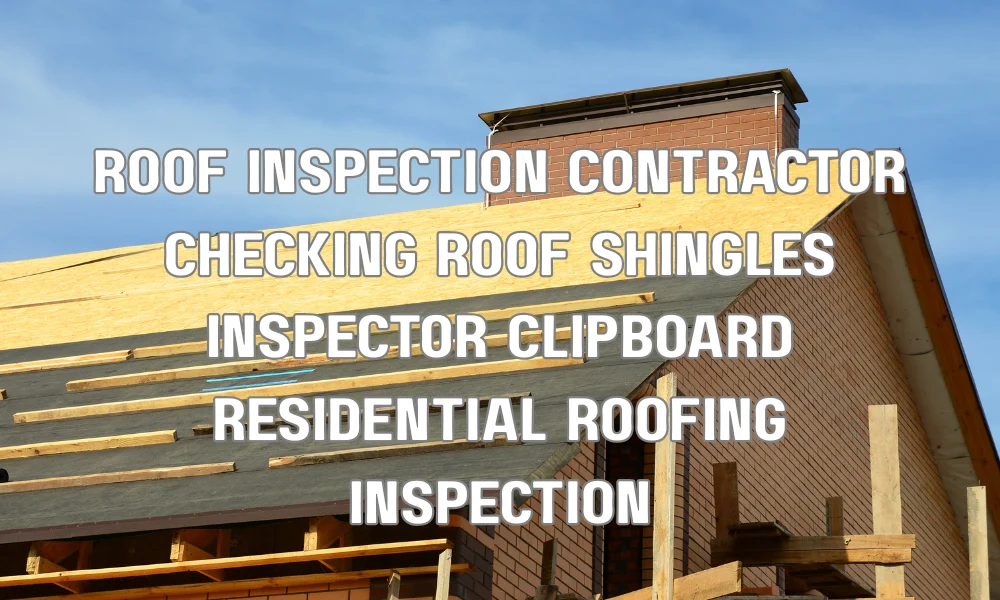
The inspection process for a new roof in Florida typically involves multiple stages, often including a “mid-roof” or “dry-in” inspection and a final inspection. The initial inspection usually occurs after the old roof has been removed down to the deck and before the new underlayment is applied. Inspectors will verify the decking’s integrity, proper nailing, and often the application of the secondary water barrier. The final inspection takes place after all roofing materials are installed, ensuring the entire system meets code, including flashing, ventilation, and perimeter securement. Passing these inspections is mandatory for project completion and often a prerequisite for insurance compliance.
Can an unlicensed contractor pull a permit in Florida?
No, an unlicensed contractor cannot legally pull a permit for roofing work in Florida. Permits must be pulled by a licensed contractor or, in some limited cases, by the homeowner (though this is highly discouraged for complex roofing projects). If a contractor asks you, the homeowner, to pull the permit, it is a significant red flag indicating they are likely unlicensed, uninsured, or both. Engaging such a contractor puts you at extreme financial and legal risk, as you would be responsible for any code violations, accidents, or shoddy workmanship, with little to no recourse.
Critical Fact 2: Florida Statute 489.103 explicitly states that homeowners who pull their own permits assume all responsibility for the work, including compliance with building codes and worker safety, negating protections afforded by hiring a licensed professional.
Strategic Selection: Hiring a Reputable Florida Roofer
What essential questions should I ask prospective Florida roofers?
When interviewing prospective Florida roofers, ask about their experience specifically with Florida building codes and hurricane-resistant installations. Inquire about their licensing and insurance details, requesting copies for verification. Ask for references from recent clients and photos of completed projects similar to yours. Crucially, ask about the types of materials they recommend for Florida’s climate and the warranties provided for both materials and labor. Understand their project timeline, payment schedule, and how they handle unforeseen issues or change orders.
How can I verify a Florida roofer’s credentials and track record?
Verifying a Florida roofer’s credentials is straightforward and critical. Start by checking their state license on the Florida DBPR website (MyFloridaLicense.com) to confirm it is active and free of disciplinary actions. Next, request proof of General Liability and Workers’ Compensation insurance directly from their insurance provider, not just from the contractor, to ensure policies are current. Consult the Better Business Bureau (BBB), Google Reviews, and other local review platforms for customer feedback and ratings. Also, ask for a list of recent projects you can drive by or contact for references.
What critical elements must a comprehensive roofing contract include?
A comprehensive roofing contract should clearly outline the full scope of work, including material specifications (manufacturer, type, color), tear-off and disposal procedures, underlayment details, and ventilation system components. It must specify the project timeline, payment schedule with clear milestones, and terms for final payment (often tied to successful final inspection). Crucially, the contract should detail all warranties (material and labor), including their duration and transferability. Include provisions for lien waivers, change orders, and dispute resolution. Never sign a contract with blank spaces or unclear terms.
| Material Type | Pros for Florida Climate | Cons for Florida Climate | Average Lifespan (Years) |
|---|---|---|---|
| Asphalt Shingles (Architectural) | Cost-effective, good wind resistance (certain ratings), wide color selection. | Can degrade faster in intense UV, less energy efficient than metal. | 20-30 |
| Metal Roofing (Galvalume/Aluminum) | Excellent hurricane resistance, highly durable, energy efficient (cool roof options), long lifespan. | Higher upfront cost, can be noisy during heavy rain, limited aesthetic options for some. | 40-70 |
| Concrete/Clay Tiles | Exceptional durability, excellent hurricane/fire resistance, great aesthetic appeal, energy efficient. | Very heavy (requires stronger support structure), high upfront cost, brittle (can crack). | 50+ |
| TPO/PVC (Flat Roofs) | Highly durable, reflective (energy efficient), excellent water resistance for low-slope roofs. | Not suitable for pitched roofs, specialized installation, aesthetic limitations. | 20-30 |
Securing Your Investment: Warranties and Long-Term Value
What types of warranties are standard for Florida roofing projects?
For Florida roofing projects, you should expect two primary types of warranties: manufacturer warranties and labor warranties. Manufacturer warranties cover the roofing materials themselves against defects, often ranging from 25 years to a lifetime for high-quality products. It’s crucial to understand what conditions might void this warranty. The labor warranty, provided by the roofing contractor, covers the quality of their workmanship and installation for a specified period, typically 5 to 10 years, though some premium contractors offer longer terms. Always ensure both warranties are in writing and clearly define coverage, exclusions, and the process for making a claim. A transferable warranty adds significant value if you decide to sell your home.
Critical Fact 3: Many manufacturer warranties require that roofing materials be installed by a certified or authorized contractor to remain valid, emphasizing the importance of hiring properly qualified professionals.
Frequently Asked Questions
Do I need to be present for the roof inspection in Florida?
While not strictly required, being present for critical inspections, especially the final one, allows you to ask questions, understand the inspector’s findings, and address any concerns directly with the contractor and inspector.
How long does a typical roof replacement take in Florida?
A typical roof replacement in Florida can take anywhere from 2-7 days for a standard residential home, depending on the roof’s size, complexity, material type, and weather conditions. Larger or more intricate roofs may take longer.
What should I do if my roofer asks for 100% payment upfront?
Never pay 100% upfront for a roofing project. Florida law limits upfront deposits for home improvement contracts to 10% or $1,000, whichever is less, unless specific conditions are met. A reputable contractor will have a reasonable payment schedule tied to project milestones.
Are “storm chaser” roofers common in Florida after hurricanes?
Yes, “storm chaser” roofers are unfortunately common in Florida after major weather events. These out-of-state contractors often solicit door-to-door, offer low prices, and may perform subpar work or disappear. Always choose local, licensed, and insured contractors with established reputations.
What is the secondary water barrier, and why is it important in Florida?
The secondary water barrier (SWB), often referred to as “peel and stick” underlayment, is a waterproof membrane applied directly to the roof deck. It is critical in Florida as it provides an extra layer of protection against water intrusion, even if the primary roofing material is damaged or blown off during a hurricane.
How often should I have my Florida roof inspected?
It’s advisable to have your Florida roof professionally inspected every 1-3 years, especially after severe weather events. Regular inspections can identify minor issues before they become costly problems and extend your roof’s lifespan.
Can I choose any roofing material for my Florida home?
While you have options, your choice of roofing material may be limited by local zoning, HOA covenants, and the structural capacity of your home. Always consult with your contractor and verify local regulations before deciding.
What if my homeowner’s insurance company denies coverage due to an unpermitted roof?
An unpermitted roof can lead to significant issues with insurance claims, potentially resulting in denial of coverage for roof damage. Insurers often require proof of proper permitting and inspections for major structural work to validate policies. This underscores the importance of proper process.
