
Executive Summary
- South Florida’s extreme humidity, coupled with heat and rain, significantly accelerates roofing material degradation, making proactive measures essential.
- Constant moisture exposure fosters rapid growth of mold, mildew, and algae, compromising roof aesthetics and structural integrity over time.
- Inadequate attic ventilation traps humid air, leading to condensation, wood rot, and reduced insulation efficiency, costing homeowners more in repairs and energy.
- Selecting humidity-resistant materials like certain metal, tile, and specialized shingles, alongside proper installation, extends roof lifespan dramatically.
- Regular professional inspections and diligent maintenance are critical for early detection and mitigation of humidity-induced damage, preventing costly future repairs.
- Implementing advanced waterproofing membranes and reflective coatings can significantly enhance a roof’s resilience against South Florida’s challenging climate.
- Understanding specific material vulnerabilities to moisture allows homeowners to make informed decisions for long-term roof health and property value protection.
Understanding South Florida’s Unique Climate
What makes South Florida’s climate uniquely challenging for roofs?
South Florida’s climate is defined by its relentless combination of high temperatures, torrential rainfall, and pervasive humidity, creating an almost ideal environment for roof degradation. Unlike drier regions, where roofs mainly contend with sun exposure and temperature fluctuations, South Florida’s roofs are in a constant battle against moisture, both from above and from the surrounding air. This constant dampness means materials rarely fully dry out, leading to a host of problems that significantly shorten a roof’s lifespan if not properly addressed.
Critical Fact 1: South Florida experiences average annual humidity levels often exceeding 75%, providing a continuous moisture source that penetrates and compromises all types of roofing materials.
Direct Impacts of High Humidity on Roofing Materials
How does constant moisture affect different roofing materials?
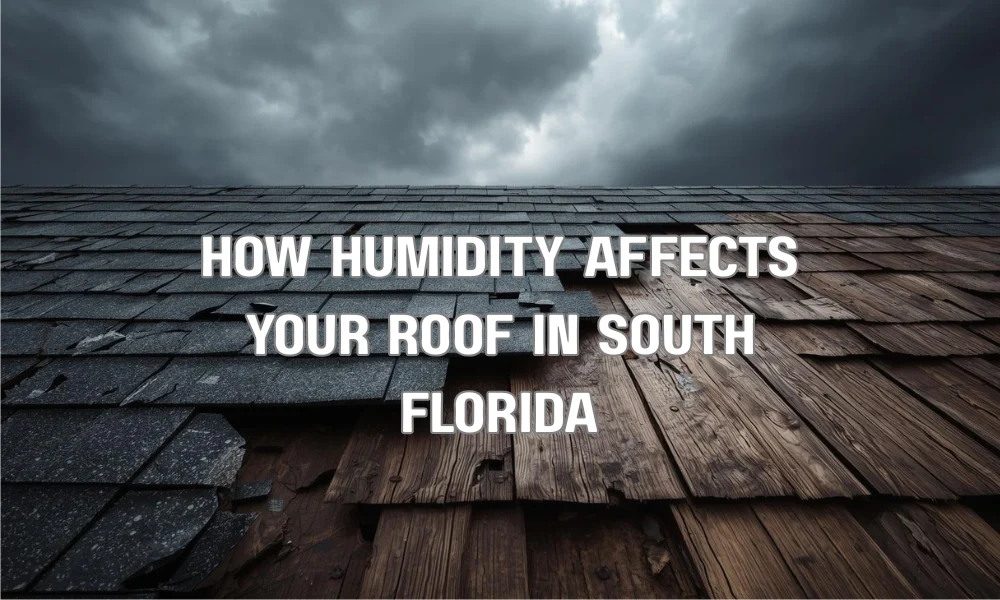
Constant moisture exposure, a hallmark of South Florida’s climate, affects various roofing materials in distinct ways. Asphalt shingles are prone to blistering, granule loss, and premature cracking as the trapped moisture causes the underlying mat to expand and contract. Tile roofs, while generally more durable, can suffer from moisture penetration through cracked grout or porous tiles, leading to water accumulation beneath. Metal roofs can experience accelerated corrosion, especially near coastal areas due where salt air combines with humidity, and fasteners can fail prematurely. Flat or low-slope roofs, often using modified bitumen or TPO, are susceptible to delamination and seam failures as constant moisture weakens adhesive bonds.
What are the specific biological threats posed by humidity?
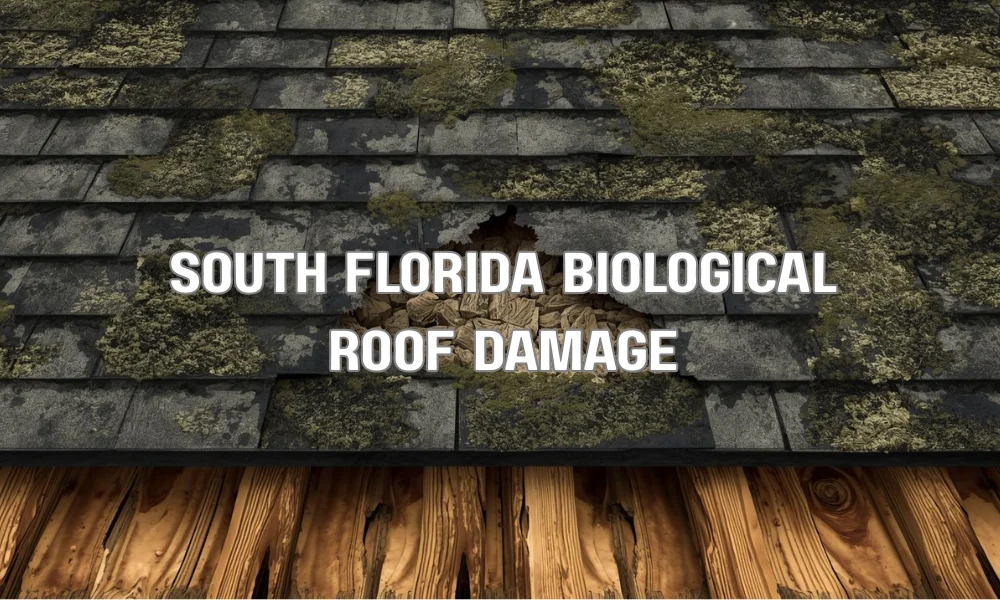
The high humidity levels in South Florida create a prime breeding ground for biological growth, which poses significant threats to roofing materials. Mold, mildew, and algae thrive in damp, warm conditions, manifesting as unsightly black streaks or green patches. Beyond aesthetics, these organisms can actively degrade roofing components. Algae, for instance, feeds on the limestone filler in asphalt shingles, causing granule loss and reducing the shingle’s UV protection. Moss, though less common on steeply pitched roofs, can retain significant amounts of moisture, leading to rot in underlying decking and lifting of shingles or tiles, making them vulnerable to wind and rain. Left unchecked, this biological onslaught can severely compromise a roof’s integrity.
Hidden Dangers and Long-Term Consequences
How does humidity accelerate roof degradation and structural damage?
Humidity doesn’t just cause surface issues; it’s a primary catalyst for accelerated degradation and structural damage over time. Constant moisture ingress through microscopic cracks or worn seals allows water to penetrate deeper into the roof system. This leads to the deterioration of underlayment, felt, and even the wooden decking, making them soft and susceptible to rot. Fasteners, such as nails and screws, are also vulnerable to corrosion, losing their grip and weakening the roof’s attachment, especially during high winds. The cyclical wetting and drying, amplified by extreme temperatures, causes materials to expand and contract, exacerbating stress on seams and joints, ultimately shortening the roof’s expected lifespan.
What role does attic ventilation play in mitigating humidity’s effects?
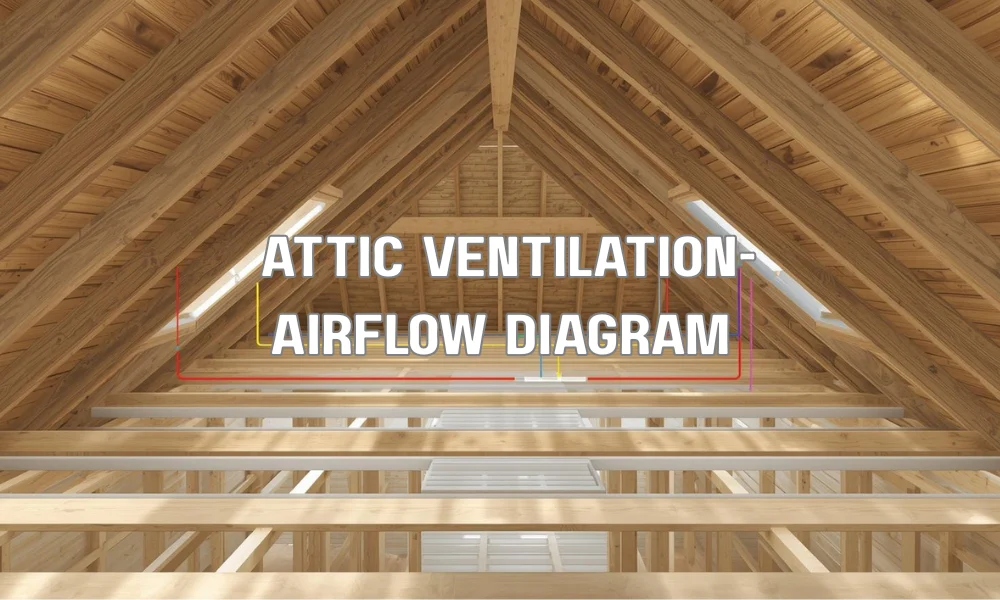
Attic ventilation is a critical, yet often overlooked, defense against humidity’s damaging effects on a roof. A well-designed ventilation system, incorporating both intake (soffit) and exhaust (ridge or static) vents, allows hot, humid air to escape the attic space. Without proper ventilation, this trapped air condenses on the underside of the roof deck, leading to moisture buildup that promotes mold growth, wood rot, and degrades insulation. Effective ventilation helps equalize the temperature and humidity inside the attic with the outside, preventing condensation, reducing energy costs by making HVAC systems more efficient, and preserving the structural integrity of the entire roof system from the inside out.
Critical Fact 2: Inadequate attic ventilation can increase attic temperatures by up to 20°F and relative humidity by 15-20%, directly accelerating roof deck deterioration and energy bills.
Here’s a comparison of common roofing materials and their typical humidity resistance in the challenging South Florida climate:
| Roofing Material | Humidity Resistance | Typical Lifespan (South FL) | Common Humidity-Related Issues |
|---|---|---|---|
| Asphalt Shingles | Moderate | 10-18 years | Granule loss, blistering, algae/mold growth, curling, reduced lifespan. |
| Clay/Concrete Tiles | High | 25-50+ years | Porous tile moisture absorption, grout degradation, underlayment rot, efflorescence. |
| Metal (Standing Seam) | Very High | 30-60+ years | Corrosion (especially near coast), fastener degradation, minor seam expansion/contraction. |
| TPO/PVC (Flat/Low-Slope) | High | 15-25 years | Seam delamination, ponding water issues if not properly sloped, biological growth on surface. |
| Wood Shakes/Shingles | Low | 5-15 years | Rapid rot, moss/mold growth, splitting, severe warping, not recommended. |
Proactive Strategies for Roof Longevity
What are the most effective preventive measures against humidity damage?
The most effective preventive measures against humidity damage in South Florida involve a multi-faceted approach. Firstly, selecting appropriate materials is paramount; opting for high-quality, humidity-resistant options like standing seam metal, durable concrete or clay tiles, or specialized architectural shingles with algae-resistant granules. Secondly, ensuring superior attic ventilation is crucial to prevent internal condensation and heat buildup. Thirdly, regular cleaning to remove debris, leaves, and any early signs of biological growth can prevent moisture retention and material degradation. Lastly, applying quality protective coatings can add an extra layer of defense against moisture and UV rays.
When should professional inspections and maintenance be scheduled?
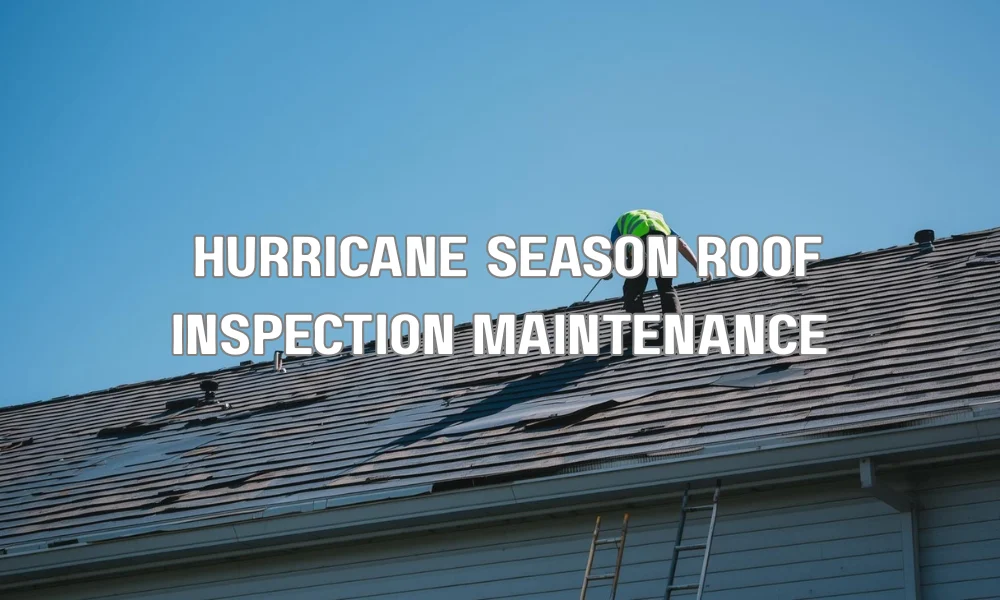
For South Florida homes, professional roof inspections and maintenance should be scheduled at least once a year, ideally before hurricane season or after any significant storm event. Given the constant environmental stressors, annual inspections allow skilled technicians to identify subtle signs of humidity damage, such as minor cracks, compromised sealants, early biological growth, or fastener corrosion, before they escalate into major problems. Regular maintenance, including cleaning gutters, minor repairs, and vegetation trimming, complements these inspections, ensuring the roof remains in optimal condition to withstand the region’s relentless humidity and tropical weather.
The Future of South Florida Roofing: Resilience and Innovation
What innovative materials and techniques are emerging for humid climates?
The future of South Florida roofing is driven by innovation focused on enhanced resilience against extreme humidity, heat, and storms. Emerging materials include advanced synthetic underlayments that offer superior waterproofing and vapor permeability, better protecting the roof deck from both external and internal moisture. “Cool roof” technologies, such as highly reflective coatings and light-colored materials like white TPO or specialized cool tiles, reduce heat absorption, which in turn minimizes thermal expansion and contraction, a key contributor to material fatigue. Furthermore, smart roofing systems with integrated sensors are being developed to monitor moisture levels and potential leaks in real-time, providing early warnings and enabling proactive maintenance, significantly extending roof life in persistently humid environments.
Critical Fact 3: “Cool Roof” technologies can reduce roof surface temperatures by 50-60°F, significantly mitigating thermal stress and internal attic humidity, leading to substantial energy savings and extended roof lifespan.
Frequently Asked Questions
How does South Florida’s high humidity uniquely impact roofs?
South Florida’s persistently high humidity means roofing materials are rarely fully dry, promoting constant moisture absorption, accelerated biological growth like mold and algae, and rapid degradation of protective coatings and sealants, leading to premature aging and structural compromise.
What are the most common signs of humidity damage on a roof?
Common signs include black or green streaks from algae and mold, granule loss on shingles, blistering or curling shingles, rusted fasteners, soft spots on the roof deck, and efflorescence on tiles. These indicate moisture retention and material breakdown.
Which roofing materials are best suited for high-humidity environments?
Metal roofs (especially standing seam), concrete and clay tiles, and TPO/PVC membranes are generally best. They offer superior resistance to moisture absorption, biological growth, and extreme weather, making them ideal for South Florida’s humid climate.
How often should roofs in South Florida be inspected?
Roofs in South Florida should be professionally inspected at least once annually, ideally before hurricane season (June 1st), and immediately after any severe weather event. This proactive approach helps catch and address minor issues before they become costly.
Can proper attic ventilation prevent humidity damage?
Yes, proper attic ventilation is crucial. It allows hot, humid air to escape the attic, preventing condensation on the underside of the roof deck, which can lead to wood rot, mold growth, and decreased insulation efficiency, safeguarding the roof from within.
What is the role of professional cleaning in preventing mold and algae?
Professional cleaning, using appropriate low-pressure methods and eco-friendly solutions, effectively removes mold, algae, and mildew without damaging the roof. This not only restores curb appeal but also prevents biological growth from feeding on and degrading roofing materials.
Are roof coatings effective against humidity-related issues?
Yes, high-quality acrylic or silicone roof coatings can be very effective. They create a seamless, waterproof barrier that protects against moisture intrusion, UV damage, and often feature reflective properties that reduce heat absorption, mitigating humidity’s impact.
How does salt air combine with humidity to affect roofs?
Near coastal areas, salt particles in the air combine with humidity to accelerate corrosion of metal components like fasteners and flashing. This highly corrosive environment further degrades roofing materials, requiring specialized, salt-resistant materials and coatings.
