Executive Summary
- Florida homeowners face widespread roof insurance scams exploiting storm damage, leading to significant financial and legal burdens for unsuspecting property owners.
- Unscrupulous contractors often solicit door-to-door after storms, pressuring homeowners into signing Assignment of Benefits (AOB) contracts that surrender control of their insurance claims.
- These scams frequently involve inflated repair costs, unnecessary full roof replacements, and substandard work, jeopardizing insurance policies and property value.
- Homeowners must proactively verify contractor licenses, check references, obtain multiple detailed quotes, and never sign an AOB without independent legal review.
- State legislation has been implemented to curb AOB abuse, but vigilance remains crucial for residents to avoid becoming victims of fraudulent roof repair schemes.
- Understanding common red flags, such as unsolicited offers or demands for upfront payment, is essential for identifying and steering clear of predatory roofing companies.
What Are Florida’s Pervasive Roof Insurance Scams?
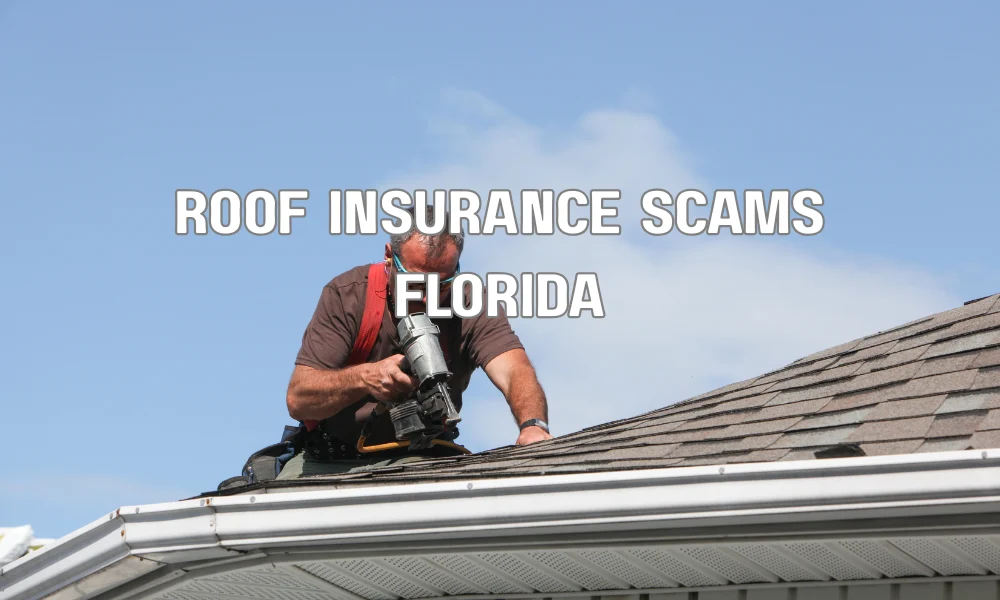
Florida’s roof insurance scams are fraudulent schemes exploiting homeowners and insurers, especially after severe weather. Contractors pressure owners into unnecessary or overpriced roof repairs, leveraging policies for profit via misleading diagnostics and inflated invoices. These widespread scams undermine the integrity of the insurance system, leaving many homeowners vulnerable.
Critical Fact 1: Florida leads in property insurance fraud, with roof damage claims being a prime target due to frequent severe weather and high repair costs.
How do these roof insurance scams typically operate?
“Storm chasers” canvass neighborhoods after severe weather, offering “free” inspections and promising to manage insurance claims. They exaggerate minor damage, pushing for unnecessary full roof replacements. A core tactic involves coercing homeowners into signing an Assignment of Benefits (AOB), transferring claim rights. This enables the contractor to negotiate with or sue the insurer, often without homeowner input, leading to inflated costs.
What are the primary red flags of a potential roof scam?
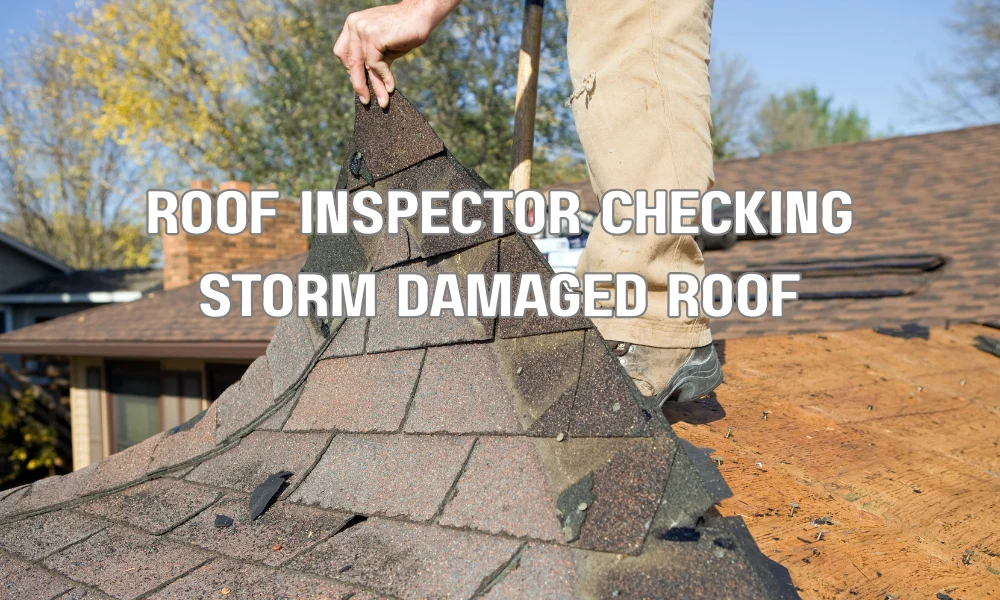
Red flags include unsolicited door-to-door solicitations after a storm, especially those pressuring immediate decisions or “free” inspections. Other warnings: contractors demanding an AOB immediately, refusing itemized estimates, or insisting on handling all insurance communication. Be wary of requests for large cash upfront, promises to waive deductibles, or high-pressure sales tactics.
What are the severe consequences for homeowners caught in these scams?
Homeowners face severe consequences like increased insurance premiums, policy non-renewals, legal battles, and out-of-pocket expenses. Shoddy repairs leave homes vulnerable, invalidating warranties and creating new problems. Signing an AOB strips control, leaving homeowners powerless if contractors inflate costs, perform substandard work, or abandon projects, damaging credit and property value.
How can Florida homeowners effectively protect themselves from these schemes?
Homeowners protect themselves through caution and due diligence. Obtain multiple estimates from reputable, licensed, and insured local contractors. Verify credentials with Florida DBPR and check references. Never feel pressured to sign an AOB; contact your insurer directly. Insist on a detailed, written contract outlining work, materials, timelines, and payment schedules, avoiding full upfront payment.
Critical Fact 2: Verifying a contractor’s license through the Florida DBPR website is a critical step, often revealing fraudulent operators.
What distinguishes legitimate roofing contractors from fraudulent ones?
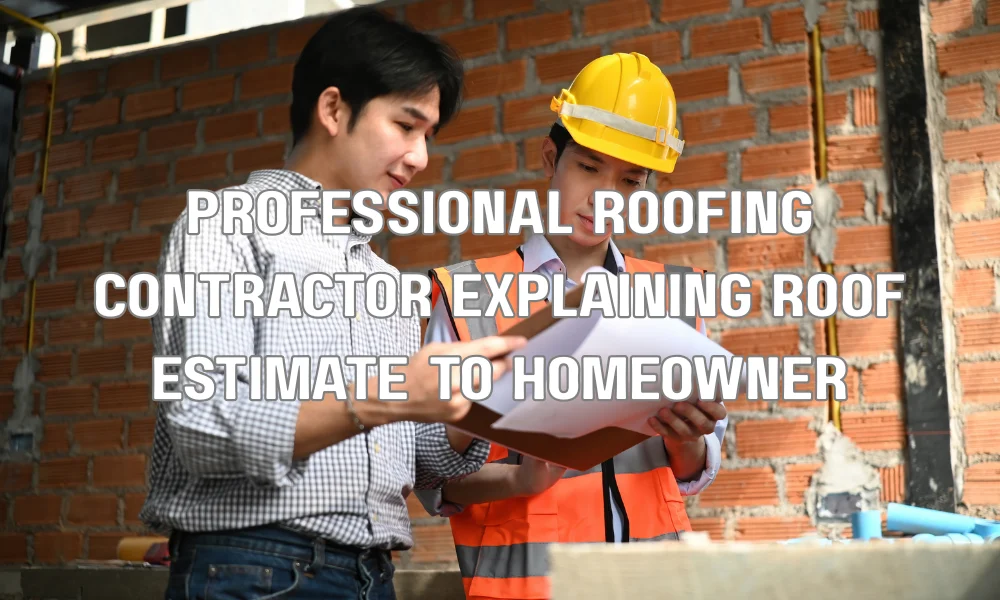
Legitimate roofing contractors prioritize transparency, professional ethics, and quality workmanship, clearly differentiating them from fraudulent operators who often rely on deception and pressure tactics. A reputable contractor will provide detailed, itemized estimates, encourage direct communication with your insurer, and never demand an AOB. They focus on repairs needed, not on fabricating damage, and operate within established legal and ethical frameworks, valuing their reputation and client trust above all else.
| Aspect | Legitimate Contractor Practice | Fraudulent Contractor Tactic |
|---|---|---|
| Initial Contact | Responds to homeowner inquiry, provides detailed estimate after inspection. | Unsolicited door-to-door solicitation after a storm, pressures immediate decision. |
| Estimates | Provides a written, itemized estimate, explains scope of work and materials. | Vague or no written estimate, demands signature on AOB before any details. |
| Insurance Claims | Guides homeowner through their claim, encourages direct communication with insurer. | Insists on handling all insurance communication, demands homeowner sign over benefits (AOB). |
| Payment | Requires partial payment upfront, balance upon satisfactory completion. | Demands full payment upfront, often in cash, or promises to waive deductible. |
| Licensing/Insurance | Proactively provides proof of valid state license, liability, and worker’s comp insurance. | Evades showing proof, uses expired or fake licenses, no insurance. |
| Damage Assessment | Accurately assesses damage, recommends necessary repairs, provides clear documentation. | Exaggerates minor damage, fabricates new damage, pushes for full roof replacement. |
What role do Assignment of Benefits (AOB) contracts play in these scams?
AOB contracts are central to Florida roof insurance scams, empowering contractors to seize control of a homeowner’s claim. Once signed, the AOB grants the contractor rights to communicate with the insurer, make decisions, and even sue. This removes homeowners from negotiations, allowing unscrupulous contractors to inflate costs and pursue litigation for higher payouts, often leading to liens, damaged credit, or incomplete jobs.
What legal and regulatory measures has Florida implemented to combat these scams?
Florida combats roof insurance scams through significant legal and regulatory measures, mainly via AOB law reforms. Legislation like HB 7065 (2019) and SB 76 (2021) curb AOB abuse, offering homeowners protections: the right to rescind AOBs, detailed estimates, and limited attorney fees. These laws aim to balance the claims process, deter frivolous litigation, and ensure transparency.
What immediate steps should a homeowner take if they suspect a scam?
If a homeowner suspects a roof insurance scam, immediately halt communication with the contractor and document all interactions. Contact your insurance company at once to report the situation and seek guidance for a legitimate claim. Consult an independent legal professional, especially if an AOB was signed, to understand your rights. Report suspected fraud to the Florida DFS or DBPR.

Critical Fact 3: The Florida DFS offers a fraud hotline (1-800-378-0445) and an online portal for homeowners to report suspected insurance fraud.
Frequently Asked Questions
What is an Assignment of Benefits (AOB)?
An AOB transfers your insurance claim rights to a contractor, allowing them to communicate with your insurer, make repair decisions, and even sue on your behalf. This relinquishes your control over the claim and can lead to inflated costs.
Can I be forced to sign an AOB?
No, you cannot be forced to sign an AOB. Homeowners retain the right to choose contractors and manage their own insurance claims. Be wary of contractors who pressure you to sign an AOB as a condition for inspection or repairs.
How can I verify a roofing contractor’s license in Florida?
Verify a Florida contractor’s license on the DBPR website (myfloridalicense.com). Search by license number or company name to confirm active status, proper licensing, and check for any disciplinary actions against them.
What if a contractor offers to waive my insurance deductible?
Be very cautious if a contractor offers to waive your insurance deductible. This practice is illegal in Florida, constituting insurance fraud for both parties. Such offers are a major red flag indicating a potential scam.
Should I get multiple estimates for roof repairs?
Yes, always obtain at least three detailed estimates from different reputable, licensed, and insured local contractors. Comparing estimates ensures fair pricing and protects against overpaying or falling victim to inflated scam charges.
What is “storm chasing” in the context of roof scams?
“Storm chasing” describes unscrupulous contractors, often from out-of-state, who flock to storm-affected areas. They solicit repair work using high-pressure tactics or fraudulent schemes, preying on vulnerable homeowners immediately after a disaster.
What recourse do I have if I’ve already signed an AOB with a fraudulent contractor?
If you’ve signed an AOB with a suspected fraudulent contractor, immediately contact your insurance company and consult a property insurance attorney. Florida law may allow rescinding an AOB under specific conditions, particularly when fraud is involved.
How do these scams impact my insurance premiums?
Roof insurance scams contribute to increased claims and litigation, directly raising insurance premiums for all Florida homeowners. Your individual policy may also face increases or non-renewal if a fraudulent claim is linked to your property.