Executive Summary
- Fort Lauderdale condo associations must prioritize hurricane-resistant roofing materials to ensure resident safety and compliance with stringent Florida Building Codes, mitigating future damage costs.
- Regular, proactive roof maintenance programs are crucial for extending roof lifespan, preventing costly emergency repairs, and maintaining property value within the humid subtropical climate.
- Understanding diverse roofing material options, like metal and modified bitumen, including their lifespans, costs, and aesthetic impacts, is vital for informed decision-making.
- Accurate financial planning, encompassing reserve studies and understanding insurance coverage specifics, empowers associations to fund major roof replacement projects effectively without imposing undue burdens.
- Engaging experienced, licensed local roofing contractors specializing in multi-unit residential properties ensures code adherence, quality installation, and comprehensive warranty protection.
- Transparent communication with residents about roofing projects, timelines, and financial implications fosters trust and minimizes disruptions during essential renovations.
For condo associations in Fort Lauderdale, managing roofing projects is far more complex than for a single-family home. It involves navigating intricate Florida Building Codes, ensuring the longevity of materials against relentless sun and hurricane threats, and securing significant capital expenditures. This guide provides a comprehensive roadmap for association boards and property managers to make informed decisions, protect their assets, and ensure resident safety.
Critical Fact: The Florida Building Code (FBC) Chapter 15, specifically tailored for High-Velocity Hurricane Zones (HVHZ), mandates strict material and installation requirements for roofs in coastal areas like Fort Lauderdale, significantly impacting material choice and project scope.
The Unique Challenges of Condo Roofing in Fort Lauderdale
Why is Fort Lauderdale’s climate particularly challenging for condo roofs?
Fort Lauderdale’s climate presents a unique and formidable challenge for condo roofing systems due to its intense UV exposure, high humidity, torrential rains, and the ever-present threat of hurricanes. The relentless sun accelerates the breakdown of many roofing materials, leading to cracking, fading, and reduced elasticity over time. High humidity fosters mold and mildew growth, which can compromise roof integrity and aesthetic appeal if not properly managed. Furthermore, the tropical storm and hurricane seasons demand roofing solutions engineered for extreme wind uplift, heavy rainfall, and potential debris impact, making material selection and installation paramount for long-term resilience and resident safety.
What specific regulations impact condo roofing projects in Florida?
Florida’s regulatory landscape for condo roofing projects is stringent, primarily governed by the Florida Building Code (FBC), particularly its High-Velocity Hurricane Zone (HVHZ) provisions for Broward County. These regulations dictate everything from specific material certifications and wind resistance ratings (e.g., Miami-Dade NOA approvals) to flashing details and fastening schedules for every component. Associations must also contend with local Fort Lauderdale city permits, which often require detailed engineering plans, structural certifications, and inspections at various stages of the project to ensure full compliance. Adherence to these comprehensive codes is not optional; it’s essential for safety, insurance validity, and avoiding costly legal issues.
Essential Roofing Materials for Coastal Condos
What are the most durable and hurricane-resistant roofing options for Fort Lauderdale condos?
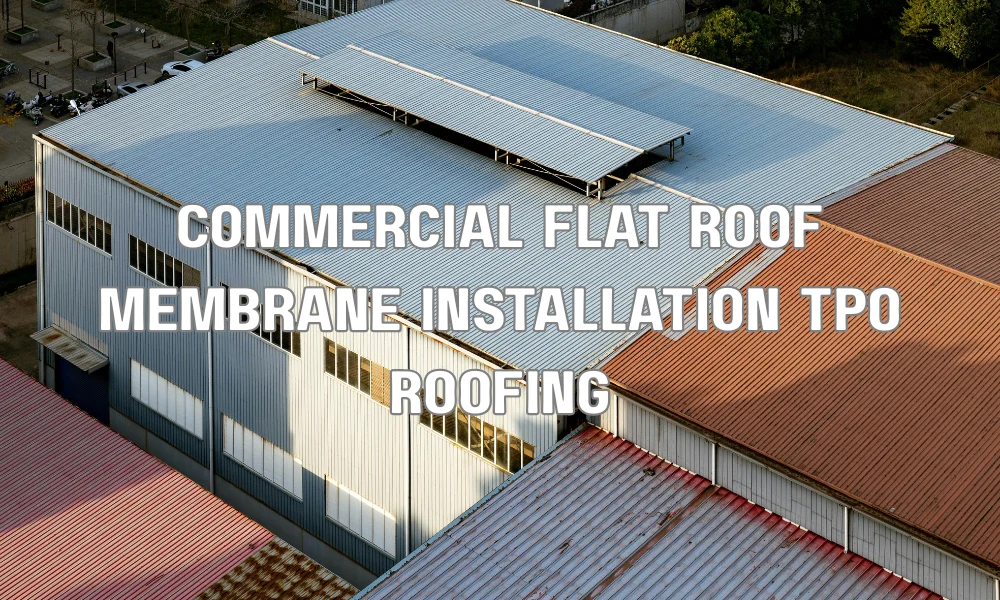
The most durable and hurricane-resistant roofing options for Fort Lauderdale condos generally include modified bitumen, TPO (Thermoplastic Polyolefin), and standing seam metal. Modified bitumen systems are popular for flat or low-slope roofs, offering multi-ply protection, excellent waterproofing, and robust resistance to punctures and UV degradation. TPO is a single-ply membrane known for its energy efficiency, reflectivity, and strong, heat-welded seams that can withstand high winds and thermal expansion. Standing seam metal roofs, while a higher initial investment, provide superior longevity, exceptional hurricane resistance, and a modern aesthetic, often coming with strong warranties against wind uplift. Each material, when installed correctly to FBC standards, offers a high degree of protection against the severe Florida climate.
How do different roofing materials compare in terms of cost and lifespan for associations?
Comparing roofing materials involves a crucial trade-off between initial investment, projected lifespan, and long-term maintenance costs. Associations must consider not just the upfront expense but the total cost of ownership over decades when making a selection. While some materials have a lower per-square-foot cost, their shorter lifespan or higher maintenance needs might make them more expensive in the long run due to more frequent replacements. Conversely, higher-cost options often provide extended warranties, superior durability, and require less frequent replacement, ultimately delivering better long-term value and stability for the association’s finances. The following table provides a general comparison to aid in this decision-making process.
| Material Type | Key Benefits (FL) | Estimated Lifespan (Years) | Est. Cost/Sq. Ft. (Installed) | Hurricane Resistance (Wind Rating) |
|---|---|---|---|---|
| Modified Bitumen | Proven waterproofing, multi-ply strength, good puncture resistance, UV-resistant coatings available | 15-25 | $7 – $12 | Excellent (120-150 mph+) |
| TPO (Thermoplastic Polyolefin) | Energy efficient (reflective), lightweight, strong welded seams, resistant to chemicals and mold | 15-25 | $8 – $14 | Excellent (120-150 mph+) |
| Standing Seam Metal | Longest lifespan, highly durable, fire-resistant, premium aesthetic, minimal maintenance | 40-70+ | $15 – $25+ | Superior (150-180 mph+) |
| EPDM (Rubber) | Economical, good flexibility, widely used for low-slope roofs, easy to repair | 20-30 | $6 – $11 | Very Good (100-120 mph) |
Critical Fact: Proactive roof maintenance, including regular inspections and prompt repairs, can extend the lifespan of a condo roof by 20-30%, significantly delaying the need for costly replacements and preserving valuable association reserves.
Planning and Funding Your Condo Roof Project
What are the critical steps in planning a major roof replacement for a condo association?
Planning a major roof replacement for a condo association is a multi-stage process that begins with a thorough roof assessment by a qualified consultant or engineer. This assessment identifies existing issues, material failures, and code compliance gaps, providing a basis for the scope of work. Next, associations must secure multiple bids from reputable, licensed, and insured local roofing contractors specializing in multi-unit properties. The bidding process should clearly outline the detailed scope of work, specified materials, comprehensive warranty details, and realistic project timelines. Legal review of contracts and robust financing discussions, including special assessments or reserve fund utilization, follow. Finally, clear and consistent communication with residents throughout the project lifecycle is essential for transparency and managing expectations, minimizing disruption.
How should condo associations financially prepare for significant roofing expenses?
Financial preparedness for significant roofing expenses is paramount for condo associations to avoid unexpected financial burdens on residents. The most effective strategy involves conducting regular reserve studies, typically every 3-5 years, to accurately project the lifespan of common elements, including roofs, and determine the necessary annual contributions to the reserve fund. This proactive saving mechanism minimizes the need for burdensome special assessments when major repairs or replacements are due. Associations should also thoroughly review their insurance policies to understand coverage for storm damage and potential deductibles. Exploring financing options like bank loans or lines of credit, specifically designed for HOAs, can provide liquidity for unexpected repairs or complement reserve funds for planned replacements, ensuring financial stability.
Selecting the Right Contractor and Ensuring Compliance
What qualities should associations look for in a Fort Lauderdale roofing contractor?
When selecting a Fort Lauderdale roofing contractor, condo associations should prioritize several key qualities to ensure a successful project. Firstly, look for comprehensive local licensing and full insurance coverage (liability and workers’ compensation), demonstrating their legal and financial responsibility. Extensive experience with multi-unit residential or commercial roofing projects, particularly those requiring HVHZ compliance, is non-negotiable given Florida’s strict codes. Reputable contractors will gladly provide verifiable references from other associations and offer robust, transferable warranties on both materials and workmanship. Transparency in bidding, clear and proactive communication, and a strong commitment to safety protocols on the job site are also vital indicators of a reliable and professional partner.
How can associations ensure compliance with building codes and warranty requirements?
Ensuring compliance with building codes and warranty requirements demands diligent oversight from the condo association throughout the entire roofing project. This begins by stipulating in the contract that the chosen contractor is solely responsible for obtaining all necessary permits and adhering to all local and state building codes, including the stringent FBC HVHZ provisions. Associations should require proof of Miami-Dade NOA (Notice of Acceptance) or equivalent product approvals for all specified materials, ensuring they meet wind and impact resistance standards. Throughout the project, scheduled inspections by the city and, ideally, an independent third-party inspector (paid by the association) can verify proper installation techniques and material usage. Finally, obtaining all lien waivers, comprehensive warranty documents (both material and labor), and a certificate of completion upon project conclusion is crucial for protecting the association’s long-term interests and legal standing.
Proactive Maintenance: Extending Roof Lifespan
What is a recommended maintenance schedule for condo roofs in a tropical climate?
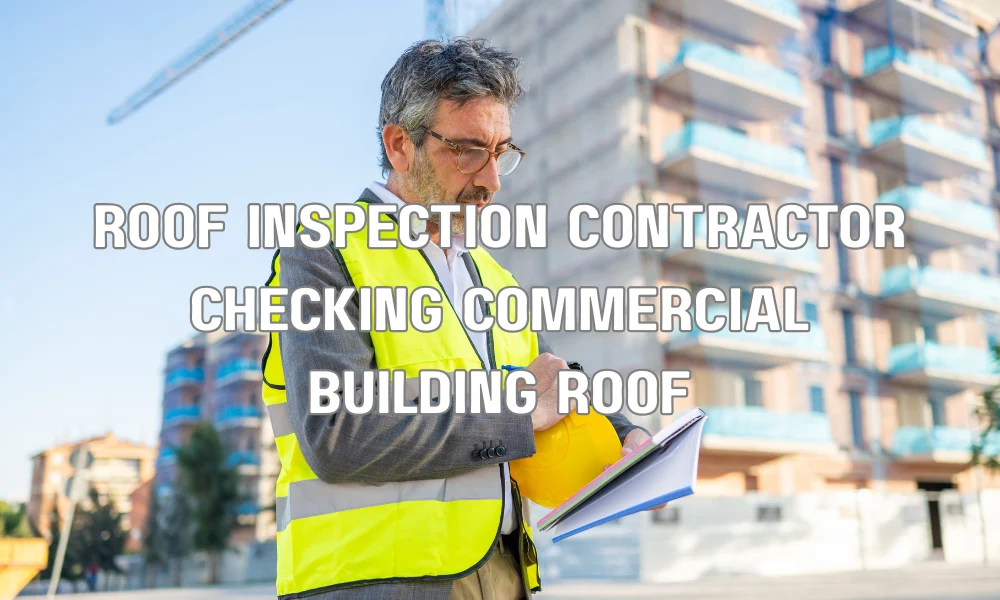
A recommended maintenance schedule for condo roofs in Fort Lauderdale’s tropical climate includes quarterly visual inspections, semi-annual professional inspections, and immediate action after severe weather events. Quarterly visual checks by association staff or a property manager should look for debris accumulation, standing water, obvious membrane damage, or early signs of mold/mildew growth. Semi-annual professional inspections, ideally conducted by a qualified roofing contractor in spring and fall, should thoroughly assess the membrane, flashing, drains, and perimeter for any subtle signs of wear, potential leaks, or compromised integrity. Post-storm inspections are critically important to identify and address damage before it escalates, ensuring any necessary insurance claims are filed promptly. Regular debris removal, gutter cleaning, and promptly addressing minor repairs are fundamental to significantly extending roof lifespan and preventing catastrophic failures.
Critical Fact: The average cost of a roof replacement for a medium-sized Fort Lauderdale condo building (50-100 units) can range from $500,000 to over $1.5 million, underscoring the necessity of meticulous planning and robust reserve funding.
Frequently Asked Questions
How often should a condo association inspect its roof in Fort Lauderdale?
A condo association in Fort Lauderdale should conduct visual inspections quarterly, professional inspections semi-annually (spring and fall), and immediate inspections after any significant storm or hurricane. This multi-layered approach ensures early detection of issues, preventing minor problems from becoming costly repairs.
What is the typical lifespan of a condo roof in a coastal Florida environment?
The typical lifespan of a condo roof in coastal Florida varies significantly by material. Modified bitumen and TPO generally last 15-25 years, while high-quality standing seam metal roofs can exceed 40-70 years. Proper installation and diligent maintenance are key to achieving the maximum expected lifespan.
Are there specific grants or funding programs for hurricane-resistant roofing?
While direct grants for private condo associations are rare, associations should research state-level resilience programs or low-interest loan initiatives often offered through the Florida Office of Financial Regulation or local municipal programs. Consulting with a financial advisor specializing in HOAs can identify potential funding avenues.
Does our condo association insurance cover roof replacement after a hurricane?
Condo association insurance typically covers roof replacement if the damage is sudden and accidental due to a covered peril like a hurricane. However, policies often have high windstorm deductibles (percentage-based) and exclusions for normal wear and tear. A thorough review of your master policy is essential.
What is a roof reserve study, and why is it important for condos?
A roof reserve study is a professional assessment that estimates the remaining lifespan of a condo’s roof, projects future replacement costs, and recommends annual reserve contributions. It’s crucial for ensuring the association has adequate funds saved for major capital expenditures, avoiding special assessments.
Can residents choose their own roofing materials for their individual units?
No, generally, the roof is considered a common element of the condominium property. The association’s board of directors is responsible for selecting and maintaining roofing materials to ensure uniformity, structural integrity, and adherence to building codes for the entire complex.
What permits are required for condo roof replacement in Fort Lauderdale?
A condo roof replacement in Fort Lauderdale typically requires building permits from the City of Fort Lauderdale. This includes detailed plans, engineering calculations, and adherence to the Florida Building Code, particularly HVHZ provisions. The contractor is responsible for obtaining these permits.
How can we get multiple, reliable bids for our condo roofing project?
To get multiple reliable bids, identify three to five reputable, licensed, and insured contractors specializing in multi-unit properties in Fort Lauderdale. Provide them with a detailed scope of work, including material specifications and warranty requirements, to ensure comparable proposals. Check references thoroughly.