
Executive Summary
- Roof coating in Florida is typically more cost-effective than a full replacement, offering substantial upfront savings for eligible roofs.
- Investing in a quality roof coating can extend your roof’s lifespan by 5-15 years, delaying the need for costly replacement significantly.
- Florida homeowners benefit from enhanced energy efficiency with cool roof coatings, reducing AC costs due to superior heat reflection.
- Coating provides an excellent defense against Florida’s harsh UV rays, torrential rains, and hurricane-force winds, preventing leaks and damage.
- Choosing the right coating type—acrylic, silicone, or elastomeric—depends on your roof material, existing condition, and desired performance benefits.
- While not a fix for structural damage, coating renews the protective layer, preventing minor issues from escalating into major roof failures.
- Consider roof coating a proactive maintenance strategy that preserves your investment and enhances your home’s thermal comfort and durability.
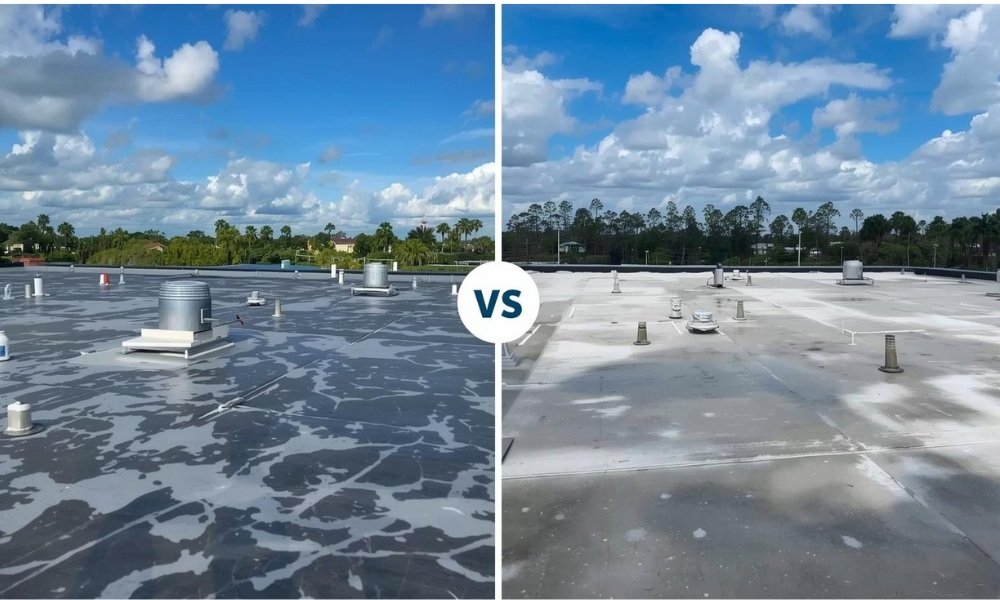
Florida’s relentless sun, high humidity, and frequent severe weather events take a significant toll on residential and commercial roofs. Homeowners often face the daunting decision between costly roof replacement and more affordable alternatives. Roof coating has emerged as a compelling solution, promising to extend roof life, improve energy efficiency, and provide crucial protection against the elements, often at a fraction of the cost of a full tear-off and replacement. Understanding the financial implications and long-term benefits is key to making an informed choice for your property.
Critical Fact: A properly applied roof coating can cost 50-70% less than a complete roof replacement, offering a significant immediate financial advantage for homeowners in Florida.
Why Consider Roof Coating in Florida?
What are the primary benefits of roof coating in Florida’s climate?
Roof coating offers several significant benefits specifically tailored to Florida’s challenging climate, making it a smart investment for many homeowners. Primarily, it provides exceptional UV protection and heat reflection, which is crucial for combating the intense Florida sun and reducing indoor temperatures. This directly translates into lower air conditioning costs and a more comfortable living environment.
Beyond energy savings, coatings enhance a roof’s resistance to moisture and wind. Many elastomeric coatings create a seamless, waterproof barrier that prevents leaks, a common issue during Florida’s heavy rainy season. They also add a layer of durability, protecting the existing roof material from accelerated degradation due to sun exposure, thermal shock, and the abrasive effects of wind-blown debris, ultimately extending the roof’s functional lifespan.
Comparing Costs: Coating vs. Replacement
How does the upfront cost of roof coating stack up against a full roof replacement?
The upfront cost of roof coating is significantly lower than that of a full roof replacement, making it an attractive option for budget-conscious property owners. While a complete replacement can range from $12,000 to $30,000 or more for an average Florida home, a professional roof coating application typically falls within the $3,000 to $9,000 range. This substantial difference arises because coating involves cleaning and applying a new protective layer directly over the existing roof, avoiding the labor-intensive and costly process of demolition, disposal, and installation of new roofing materials.
The exact savings depend on the size and type of your roof, the chosen coating material, and the extent of any necessary pre-coating repairs. However, in almost all eligible scenarios, coating presents a clear advantage in terms of initial expenditure, allowing homeowners to defer a full replacement for many years.
What factors influence the cost of a roof coating project?
Several key factors influence the overall cost of a roof coating project. The primary determinants include the total square footage of the roof, as larger roofs naturally require more material and labor. The existing roof material—be it metal, modified bitumen, TPO, EPDM, or even some types of shingles—also plays a role, as different substrates require specific cleaning and primer applications.
Furthermore, the type of coating selected (e.g., acrylic, silicone, elastomeric urethane) directly impacts the price, with higher-performance coatings generally commanding a higher cost. The roof’s pitch and accessibility can affect labor costs, as steeper or more complex roofs require specialized equipment and more time. Finally, the extent of any necessary pre-coating repairs, such as patching small leaks or replacing damaged fasteners, will add to the total project expense, emphasizing the importance of a thorough roof inspection before proceeding.
Critical Fact: Energy Star-rated “cool roof” coatings, which are highly effective in Florida, can reflect up to 80% of solar radiation, potentially reducing a building’s cooling energy consumption by 15-25%.
Which types of roof coatings are most common in Florida and what do they cost?
In Florida, several types of roof coatings are popular due to their specific properties and suitability for the climate. Acrylic coatings are common for their UV resistance and affordability, silicone coatings are favored for their superior waterproofing and long-term elasticity, while elastomeric coatings (which include acrylics and urethanes) are known for their flexibility and ability to bridge cracks. Each type offers distinct benefits and cost implications.
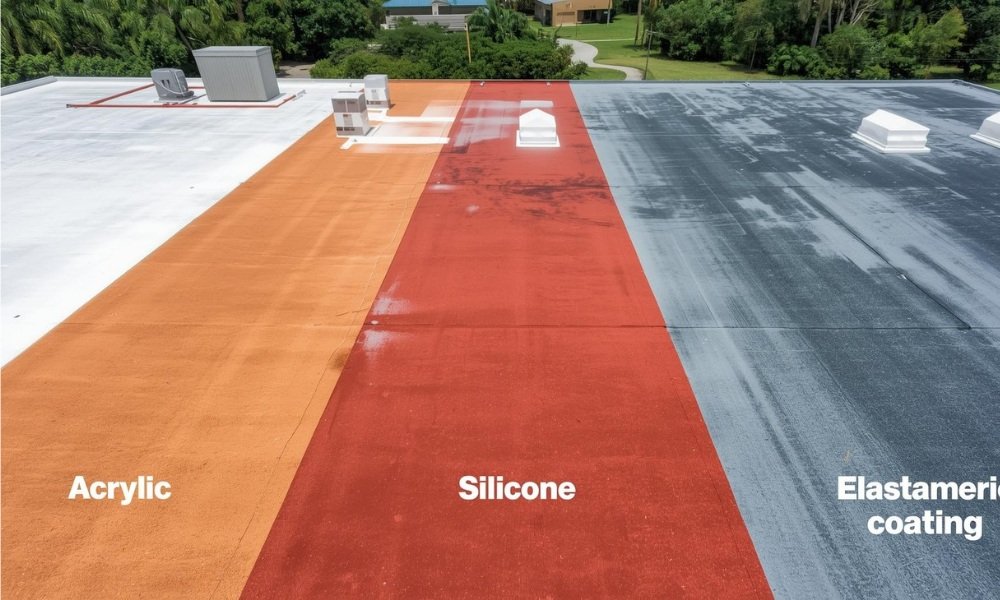
Here’s a breakdown comparing common roof coating types:
| Coating Type | Average Cost (per sq. ft. installed) | Primary Benefits for Florida | Typical Lifespan |
|---|---|---|---|
| Acrylic | $1.50 – $3.00 | Good UV resistance, reflective, economical, breathable. Best for sloped roofs. | 5 – 10 years |
| Silicone | $2.50 – $4.50 | Excellent ponding water resistance, highly reflective, very durable, flexible. Great for flat roofs. | 10 – 20 years |
| Elastomeric (Urethane) | $3.00 – $5.50 | Superior toughness, abrasion resistance, chemical resistance, high flexibility. Ideal for high-traffic or industrial roofs. | 10 – 20+ years |
| Aluminum | $1.00 – $2.50 | Excellent UV protection, highly reflective (silver appearance), good for metal roofs. | 5 – 10 years |
Long-Term Value and ROI of Roof Coatings
Beyond initial savings, what long-term financial benefits do roof coatings offer?
Beyond the immediate cost savings, roof coatings provide significant long-term financial benefits, primarily through extended roof life and deferred replacement. By applying a durable coating, you can add 5 to 15 years, or even more, to your existing roof’s functional lifespan, pushing back the necessity of a major capital expense. This extension not only saves replacement costs but also reduces the environmental impact associated with tearing off and disposing of old roofing materials.
Additionally, many coatings come with transferable warranties, which can be an attractive feature for potential buyers if you decide to sell your home. The enhanced protection against leaks and weather damage also minimizes the need for costly emergency repairs, contributing to overall lower maintenance expenditures over the roof’s extended service life.
How do roof coatings contribute to energy efficiency in Florida homes?
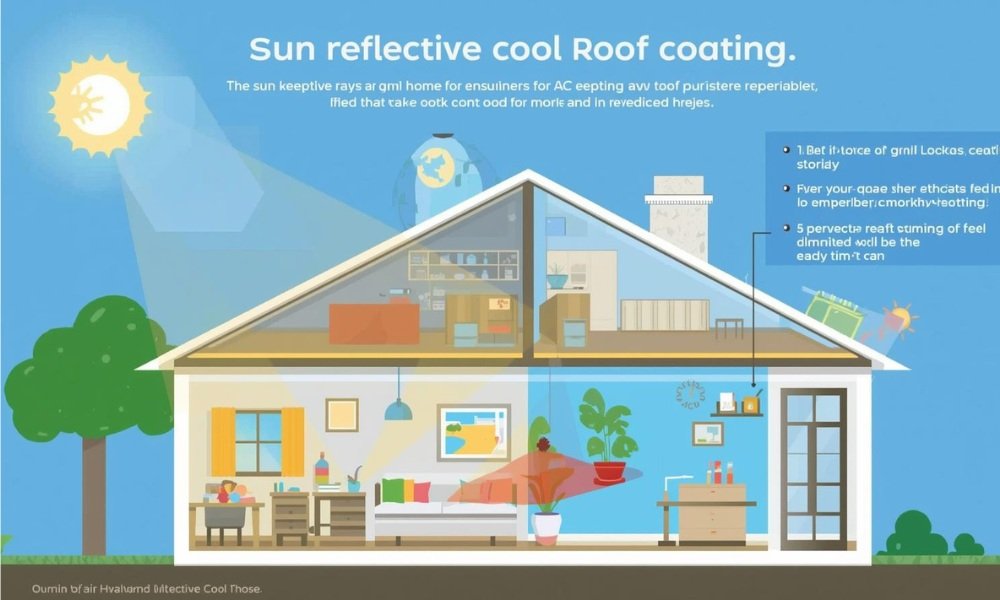
Roof coatings significantly contribute to energy efficiency in Florida homes by transforming the roof into a “cool roof” system. Many modern coatings, particularly those with high reflectivity and emissivity, are designed to reflect a substantial portion of the sun’s infrared and ultraviolet rays away from the building. This prevents heat absorption, keeping the roof surface and the attic space cooler.
By lowering the temperature of the roof and the attic, less heat permeates into the living spaces below. This directly reduces the workload on your air conditioning system, leading to noticeable decreases in electricity consumption and lower utility bills, which is a crucial benefit in Florida’s hot climate. Over the lifespan of the coating, these energy savings can amount to substantial financial returns.
When is Roof Replacement the Only Option?
Are there situations where roof coating is not a viable solution?
Yes, there are indeed situations where roof coating is not a viable or advisable solution, and a full roof replacement becomes necessary. Coatings are a restorative and protective measure, not a structural repair. If your roof exhibits widespread structural damage, such as significant sagging, compromised decking, or extensive rot due to prolonged water intrusion, a coating will merely mask deeper issues without addressing the underlying structural integrity.
Similarly, if more than 25% of the roof surface is severely damaged, has extensive dry rot, or is experiencing widespread delamination, the cost of repairs needed to prepare it for coating can approach or even exceed the cost of a new roof. In such cases, or when the roof has reached the very end of its expected lifespan and is experiencing frequent, unresolvable leaks, a complete replacement is the more prudent and long-lasting solution to ensure safety and functionality.
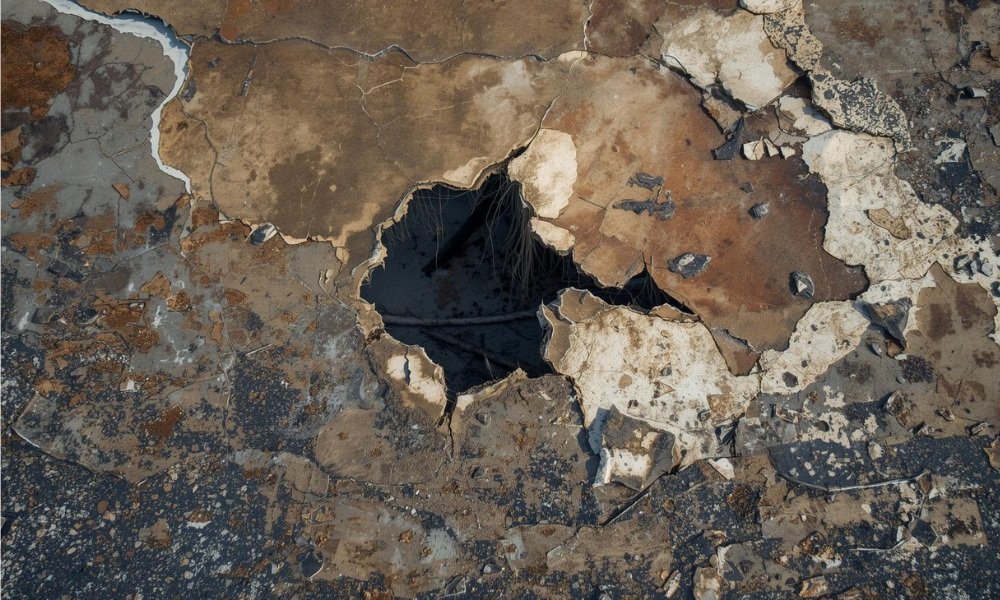
Critical Fact: While coatings offer significant savings and benefits, they are not a substitute for proper structural repair; an underlying compromised roof deck or framing mandates a full replacement, not just a surface application.
Frequently Asked Questions
Can roof coating be applied to any type of roof?
While most roof types are good candidates, coatings are best suited for low-slope or flat commercial roofs (modified bitumen, TPO, EPDM) and certain residential roofs like metal or concrete tile. Asphalt shingle roofs can be coated, but it’s less common and requires specific products, as traditional coatings may not adhere well or provide desired benefits on granular surfaces.
How long does a roof coating last in Florida?
The lifespan of a roof coating in Florida varies by material. Acrylic coatings typically last 5-10 years, while high-performance silicone or elastomeric urethane coatings can extend roof life by 10-20 years or more with proper application and maintenance.
Is roof coating considered a form of roof repair?
Roof coating is more accurately described as a restorative and protective maintenance measure rather than a repair for significant damage. While it can seal minor leaks and cracks, it cannot fix structural issues, extensive rot, or widespread deterioration. Necessary repairs must be completed before coating application.
Will a roof coating help reduce my energy bills?
Yes, absolutely. Many roof coatings, especially “cool roof” products, are designed to be highly reflective, deflecting solar radiation away from your home. This reduces heat absorption, lowers your attic temperature, and lessens the load on your air conditioning system, leading to noticeable savings on energy bills, particularly in Florida’s climate.
How long does it take to apply a roof coating?
The duration of a roof coating application depends on the roof’s size, condition, and the type of coating. Most residential coating projects can be completed within 1-3 days, assuming favorable weather and no extensive pre-coating repairs are needed.
Does applying a roof coating void my existing roof warranty?
It depends on your existing roof warranty. Some manufacturers may void a warranty if an unapproved coating is applied. Always check your current warranty terms or consult with your roofing contractor to ensure compatibility and avoid potential issues.
Are there different colors available for roof coatings?
Yes, while white and light colors are most popular for their reflective, energy-saving properties, many coatings are available in various lighter shades such as light gray, tan, or even pastel colors. Darker colors are generally not recommended for heat reflection.
When is the best time of year to apply a roof coating in Florida?
The best time to apply a roof coating in Florida is typically during the drier, cooler months from late fall to early spring (November to April). This avoids the peak heat, humidity, and daily afternoon thunderstorms of summer, allowing for optimal curing conditions and fewer weather-related delays.
