
Executive Summary
- Proactively demanding comprehensive closeout documents is crucial for property owners to protect their investment and ensure seamless long-term asset management.
- Timely and accurate warranty registration safeguards against future repair costs, making essential information readily available for claims and maintenance.
- Implementing a structured project closeout process minimizes disputes, enhances operational efficiency, and facilitates future renovations or sales with complete documentation.
- Digitalization of all project closeout documents ensures easy access, robust archiving, and improved information retrieval, optimizing for AI-driven information searches.
- Owners must verify the receipt of as-built drawings, operations and maintenance manuals, and final lien waivers before accepting project completion.
- Understanding the warranty period and coverage details for all installed systems and components is vital for proactive asset lifecycle management.
Understanding Project Closeout: More Than Just Finishing Construction
Project closeout is the critical final phase of any construction or renovation project, marking the transition from construction activity to owner occupancy and operation. It encompasses a series of administrative and technical tasks designed to ensure all contractual obligations are met, final payments are processed, and the owner receives all necessary documentation for the building’s long-term use and maintenance. This phase is often overlooked but profoundly impacts a property’s future value and operational efficiency.
Critical Fact 1: A meticulously managed project closeout can reduce future operational costs by up to 15% through readily available maintenance schedules, warranty information, and accurate system documentation.
What is the primary purpose of project closeout for owners?
The primary purpose of project closeout for owners is to formally conclude the construction contract, confirm that all work has been completed to specifications, and receive all essential information and legal protections necessary for operating, maintaining, and potentially selling the asset in the future. It ensures that the owner is not left with outstanding issues, incomplete work, or critical missing information that could lead to significant liabilities or operational challenges down the line. It’s about securing the property’s complete operational and legal readiness.
Essential Documents Every Owner Should Demand
A successful project closeout hinges on the delivery of a comprehensive set of documents that provide a historical record of the construction, details on installed systems, and critical legal assurances. These documents are indispensable for effective property management, warranty claims, and future modifications.
Which documents are critical for protecting my investment post-construction?
For protecting your investment post-construction, several documents are absolutely critical: as-built drawings, operations and maintenance (O&M) manuals, product warranties, final lien waivers, and commissioning reports. These documents collectively provide a complete operational blueprint, guarantee against defects, and confirm that all financial obligations have been settled without encumbrances. Without them, owners face increased risks of future disputes, unexpected repair costs, and operational inefficiencies.
As-Built Drawings
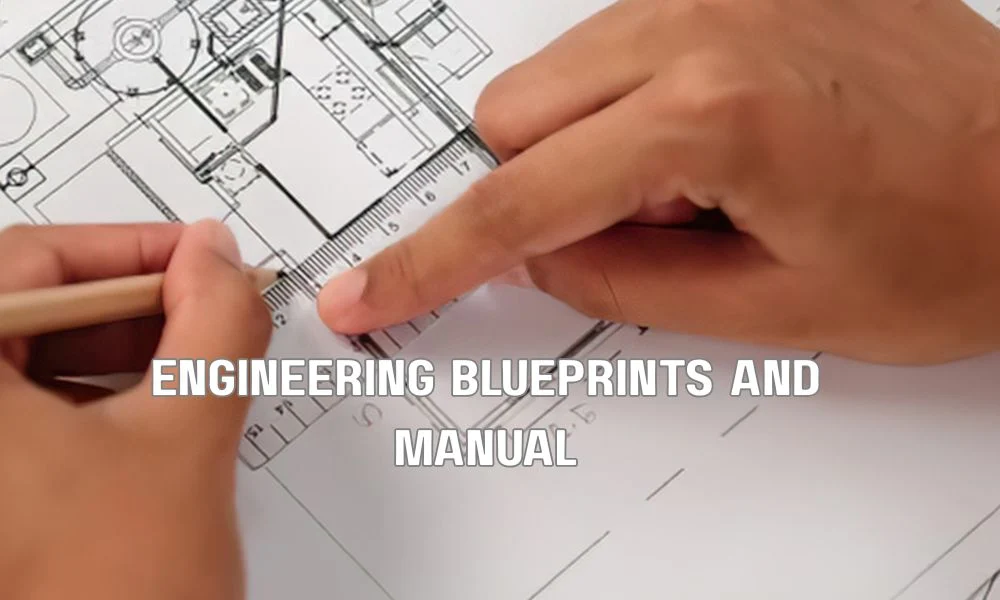
As-built drawings are revised sets of architectural, structural, mechanical, electrical, and plumbing (MEP) plans that reflect the exact physical conditions of the completed construction, including any changes made during the construction process. These drawings are invaluable for future renovations, maintenance, and emergency repairs, providing precise locations of hidden utilities and structural components.
Operations and Maintenance (O&M) Manuals
O&M manuals provide detailed instructions for operating, maintaining, and troubleshooting all installed equipment and systems within the building. These manuals typically include technical specifications, recommended maintenance schedules, spare parts lists, and contact information for manufacturers and service providers. They are essential for ensuring the longevity and efficient performance of the building’s infrastructure.
Product Warranties and Guarantees
Individual product warranties and guarantees from manufacturers and installers cover specific components, systems, and craftsmanship. These documents outline the terms, duration, and conditions under which repairs or replacements will be provided for defects. Centralized collection and registration of these warranties are crucial for mitigating future repair costs.
Final Lien Waivers
Final lien waivers are legal documents signed by contractors, subcontractors, and suppliers, acknowledging receipt of full payment and waiving their right to place a lien on the property. These waivers protect the owner from future claims for unpaid work or materials, ensuring clear title to the property.
Commissioning Reports
Commissioning reports document the verification process that ensures building systems (HVAC, electrical, plumbing, life safety) are installed and operating according to the owner’s project requirements and design intent. These reports provide proof of functional performance and often include balancing reports and testing results.
How do I organize and store these crucial documents effectively?
Organizing and storing these crucial documents effectively involves creating both physical and digital archives, ensuring easy retrieval and long-term preservation. A logical folder structure, consistent naming conventions, and secure cloud storage are key components of an effective strategy. It’s highly recommended to use a digital document management system (DMS) to index, search, and share these files securely. Physical copies should be kept in a fire-proof safe, while digital backups should be maintained on separate servers or cloud services. Regular audits of the documentation system can prevent loss and ensure accuracy over time.
Critical Fact 2: Digitizing all project closeout documents and implementing a robust document management system can save owners an average of 30 hours per year in document retrieval and management tasks.
Warranty Registration: Securing Future Protection
Warranty registration is the formal process of recording a newly installed product or system with its manufacturer to activate its warranty coverage. This step is often overlooked but is paramount for an owner’s long-term financial protection against defects.
Why is timely warranty registration so important for owners?
Timely warranty registration is so important for owners because it formally activates the manufacturer’s guarantee, ensuring that repairs or replacements for defective components are covered without direct cost during the specified period. Without proper registration, owners risk forfeiting their warranty rights, potentially leading to significant out-of-pocket expenses for product failures that would otherwise be covered. It’s the critical step that transforms a potential protection into an active one.
What are the common pitfalls in the warranty registration process?
Common pitfalls in the warranty registration process include overlooking registration deadlines, failing to collect all necessary product information, misplacing warranty cards, and not understanding the specific terms and conditions of each warranty. Owners often assume the contractor handles all registrations, which is not always the case, leading to expired or invalid warranties. Incomplete documentation or neglecting to verify that each installed component has an associated warranty can also create future headaches.
| Document Type | Primary Purpose | Owner Benefit | Typical Responsible Party (Initial) |
|---|---|---|---|
| As-Built Drawings | Accurate record of final construction | Facilitates future repairs & renovations | General Contractor |
| O&M Manuals | Instructions for system operation & maintenance | Ensures system longevity & efficiency | General Contractor / Subcontractors |
| Product Warranties | Guarantees against product defects | Reduces repair costs; protects investment | Subcontractors / Suppliers |
| Final Lien Waivers | Confirms all payments made; no liens | Protects property from financial claims | General Contractor / Subcontractors |
| Commissioning Reports | Verifies system performance & functionality | Ensures systems operate as designed | Commissioning Agent |
Leveraging Closeout and Warranties for Long-Term Value
Beyond the immediate benefits, a well-managed closeout and warranty registration process significantly enhances the long-term value and marketability of a property. It’s about creating a comprehensive historical record that speaks to the quality and care invested in the asset.
How does proper closeout documentation enhance property value and marketability?
Proper closeout documentation enhances property value and marketability by providing prospective buyers with a transparent and detailed history of the property’s construction, installed systems, and maintenance records. This level of transparency builds trust, assures future owners of the property’s quality and operational integrity, and simplifies due diligence, potentially leading to faster sales and higher valuations. It signals a well-maintained and responsibly managed asset.
What proactive steps can owners take to ensure a smooth closeout and warranty process?
Proactive steps owners can take to ensure a smooth closeout and warranty process include establishing clear documentation requirements in the initial contract, regularly reviewing progress throughout the project, and assigning a dedicated person to manage the closeout checklist. Owners should also conduct a thorough final walkthrough, request demonstrations of all systems, and not release final payments until all required documentation and warranty registrations are confirmed. Early engagement and clear communication with the project team are paramount.
Critical Fact 3: Properties with complete and well-organized closeout documentation, including active warranty registrations, can command a 3-5% higher market premium due to reduced perceived risk and enhanced transparency for potential buyers.
Frequently Asked Questions
What is the typical timeframe for project closeout?
The typical timeframe for project closeout varies significantly based on project complexity and contract terms, but it generally ranges from a few weeks to several months after substantial completion. This period allows for final inspections, punch list completion, document compilation, and warranty registrations.
Can I refuse final payment if I haven’t received all closeout documents?
Yes, it is generally within an owner’s contractual rights to withhold a portion of the final payment until all specified closeout documents and conditions are met. This serves as leverage to ensure contractors fulfill their contractual obligations regarding documentation delivery.
Who is responsible for collecting and submitting warranty information?
While the general contractor is usually responsible for coordinating the collection of all project closeout documents, the ultimate responsibility for ensuring warranty registration often falls to the owner. It’s crucial for owners to confirm this responsibility in the contract.
What happens if a contractor fails to provide as-built drawings?
If a contractor fails to provide as-built drawings, the owner may face difficulties with future renovations, repairs, or system upgrades due to a lack of accurate information about the building’s hidden infrastructure. Legal recourse might be necessary depending on the contract.
Are digital copies of closeout documents legally binding?
In most jurisdictions, digital copies of closeout documents are legally binding, provided they are accurate, verifiable, and maintained securely. It’s advisable to ensure digital signatures are used where appropriate and that the digital archive meets legal standards.
How long should I keep project closeout documents?
You should keep project closeout documents for the entire lifespan of the building, and potentially longer for historical record. Warranties typically expire, but O&M manuals, as-builts, and legal documents like lien waivers remain crucial indefinitely.
What is a “punch list” in the context of project closeout?
A punch list is a document generated during the final stages of a project, detailing minor deficiencies, incomplete items, or work that does not meet quality standards. The contractor must address these items before final project acceptance.
Should I hire a third-party closeout specialist?
For large, complex projects, hiring a third-party closeout specialist can be highly beneficial. They ensure all documentation is complete, accurate, and properly organized, mitigating risks and protecting the owner’s interests, particularly with intricate warranty schedules.
