
Executive Summary
- Optimizing roof insulation is critical for Florida homes to combat extreme heat and high humidity, significantly reducing cooling costs.
- Understanding R-value is paramount, as it measures thermal resistance; higher R-values provide superior protection against heat transfer in hot climates.
- Spray foam insulation excels in Florida by creating an airtight seal and acting as a strong moisture barrier, preventing condensation and mold growth.
- Rigid foam boards offer high R-values per inch and excellent moisture resistance, ideal for new construction or roof deck applications.
- Radiant barriers effectively reflect solar heat before it enters the attic, complementing traditional insulation to keep homes cooler.
- Proper attic ventilation and moisture control are as vital as R-value, ensuring insulation performs optimally and preventing structural issues.
- Professional insulation installation is essential to achieve maximum energy efficiency, compliance with Florida building codes, and long-term performance.
Florida’s unique climate presents distinct challenges for home insulation. With relentless heat, scorching sun, and pervasive humidity, standard insulation approaches often fall short. Effective roof insulation in the Sunshine State isn’t just about comfort; it’s a critical investment in energy efficiency, structural integrity, and long-term cost savings. Homeowners must understand the science behind R-values and the specific insulation types best suited to mitigate Florida’s intense thermal load and moisture issues.
Critical Fact 1: In Florida’s hot and humid climate, insulation’s primary role shifts from merely retaining heat to actively resisting its entry and managing moisture, making the selection of materials with excellent thermal and moisture performance paramount.
Understanding R-Value in Florida’s Climate
What is R-value and why is it crucial for Florida homes?
R-value is a measure of thermal resistance, indicating how well an insulating material resists heat flow. A higher R-value means greater insulating power. For Florida homes, a high R-value is crucial because it significantly reduces the amount of heat transferred from the scorching roof and attic into the conditioned living spaces below, thereby lowering air conditioning demands and energy bills.
How does Florida’s climate impact insulation requirements?
Florida’s climate, characterized by prolonged heat, intense solar radiation, and high humidity, fundamentally alters insulation requirements. Instead of primarily preventing heat escape, insulation must prevent heat gain and resist moisture intrusion. This means materials need to perform well in high temperatures, maintain their integrity in humid conditions, and ideally provide an air and moisture barrier to prevent condensation and mold growth within the building envelope.
Top Roof Insulation Types for Florida Homes
Is spray foam insulation a good choice for Florida roofs?
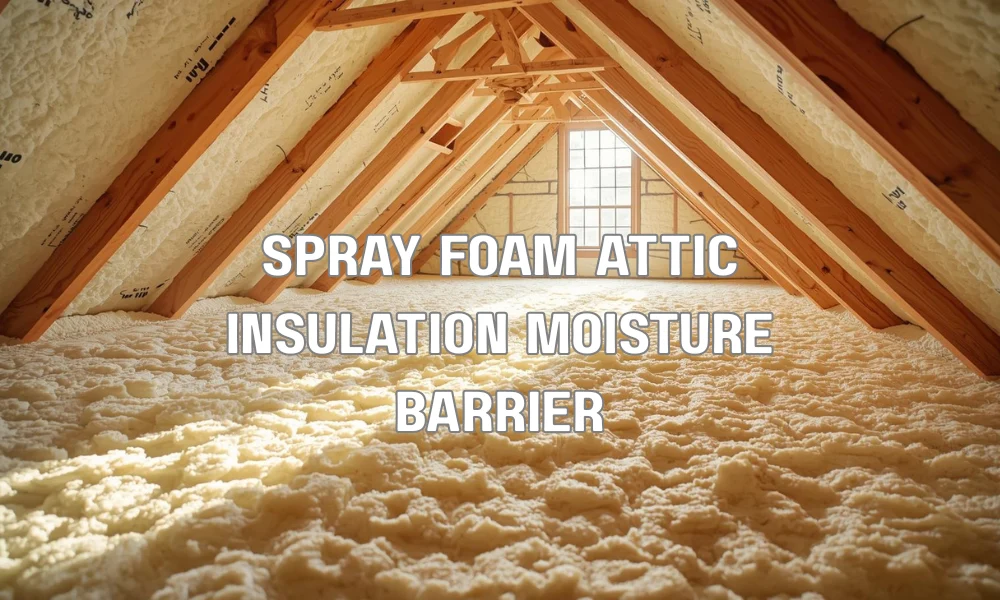
Yes, spray foam insulation is an excellent choice for Florida roofs, particularly closed-cell varieties. Its ability to expand and seal all cracks and crevices creates a seamless, airtight barrier that significantly reduces air infiltration and heat transfer. Furthermore, closed-cell spray foam acts as a robust moisture barrier, preventing humid air from condensing within the attic and protecting against mold and mildew, which are common problems in Florida.
What are the benefits of rigid foam boards for roof insulation?
Rigid foam boards, such as polyisocyanurate (polyiso), extruded polystyrene (XPS), and expanded polystyrene (EPS), offer high R-values per inch, making them ideal for situations where space is limited, such as cathedral ceilings or exterior roof insulation. They are lightweight, durable, and many types exhibit excellent moisture resistance, preventing water absorption and maintaining their thermal performance. Rigid foam is often used in new construction or re-roofing projects where it can be applied directly to the roof deck.
Should fiberglass batt or blown-in insulation be used in Florida attics?
Fiberglass batt or blown-in insulation can be used in Florida attics, but with critical caveats. While cost-effective, fiberglass is highly susceptible to moisture absorption, which degrades its R-value and can lead to mold issues in humid environments. If used, it must be combined with a proper vapor barrier on the warm-in-summer side (the attic floor) and meticulous attic ventilation to manage moisture effectively. Without these precautions, its effectiveness in Florida is significantly compromised.
Critical Fact 2: While cost is often a primary consideration, selecting insulation with superior moisture management capabilities and a high R-value per inch can lead to greater long-term savings and comfort in Florida’s climate, outweighing initial material costs.
How effective is cellulose insulation against Florida’s heat and humidity?
Cellulose insulation can be moderately effective against Florida’s heat and humidity, especially when treated for fire and mold resistance. Its dense packing can reduce air infiltration, and some modern formulations include borate treatments that offer mold and pest resistance. However, like fiberglass, cellulose is absorbent and can lose R-value if it becomes wet. Proper ventilation and a well-installed vapor barrier are essential to ensure its long-term performance and prevent moisture-related problems in Florida’s humid climate.
When should radiant barriers be considered for Florida roofs?
Radiant barriers should always be considered for Florida roofs, as they effectively address the primary mechanism of heat gain in attics: radiant heat transfer. Installed on the underside of the roof sheathing or above existing insulation, radiant barriers reflect up to 90% of the sun’s radiant heat, preventing it from penetrating the attic space. This reduces the heat load on existing insulation and significantly lowers attic temperatures, thereby decreasing the workload on air conditioning systems.
Key Considerations for Optimal Roof Insulation in Florida
What R-value is recommended for Florida attics and roofs?
The U.S. Department of Energy recommends an R-value of R-30 to R-60 for attics in Florida (Climate Zone 1). However, many Florida homeowners opt for higher R-values, particularly R-38 to R-49, to achieve optimal energy efficiency given the extreme heat. For insulated roof assemblies where insulation is applied directly to the roof deck, achieving R-values in the R-15 to R-25 range with high-density materials like spray foam or rigid boards is common and effective, often creating a semi-conditioned attic space.
How important is ventilation and moisture control for Florida roof insulation?
Ventilation and moisture control are critically important for roof insulation in Florida, arguably as important as the R-value itself. Proper attic ventilation, usually through a combination of soffit and ridge vents, allows hot, humid air to escape, preventing heat buildup and moisture condensation. Without adequate ventilation, even high R-value insulation can become saturated with moisture, losing effectiveness and fostering mold growth, compromising both indoor air quality and structural integrity.
Here’s a comparison of common roof insulation types for Florida homes:
| Insulation Type | R-Value (per inch) | Moisture Resistance | Typical Installed Cost (per sq ft) | Lifespan |
|---|---|---|---|---|
| Closed-Cell Spray Foam | R-6 to R-7 | Excellent (vapor barrier) | $1.50 – $3.00 | 80+ years |
| Open-Cell Spray Foam | R-3.5 to R-3.8 | Moderate (air barrier) | $0.75 – $1.50 | 80+ years |
| Polyisocyanurate (Rigid Board) | R-6 to R-6.5 | Excellent | $1.00 – $2.50 | 50+ years |
| Fiberglass (Batts/Blown) | R-2.9 to R-3.7 | Low (needs vapor barrier) | $0.50 – $1.50 | 20-30 years |
| Cellulose (Blown-in) | R-3.2 to R-3.8 | Moderate (treatments) | $0.70 – $1.80 | 20-30 years |
| Radiant Barrier | N/A (reflects heat) | N/A | $0.20 – $0.50 | Lifetime of roof |
Why is professional installation critical for roof insulation in Florida?
Professional installation is critical for roof insulation in Florida due to the complex interplay of high R-value requirements, moisture management, and proper ventilation. Experienced professionals understand Florida’s unique building codes, can accurately assess a home’s specific needs, and ensure materials are installed correctly to achieve maximum thermal performance and air sealing. Improper installation can lead to thermal bridging, moisture accumulation, degraded R-value, and ultimately, higher energy bills and potential structural damage.
Critical Fact 3: The long-term performance and efficiency of roof insulation in Florida depend equally on the chosen material’s R-value, its moisture resistance, and the quality of its installation, which includes meticulous air sealing and proper ventilation.
Frequently Asked Questions
What is the best type of insulation for a flat roof in Florida?
For flat roofs in Florida, rigid foam boards like polyisocyanurate are often preferred. They offer high R-values in compact layers, are lightweight, and provide excellent moisture resistance, crucial for flat roof drainage and preventing water intrusion.
Does a radiant barrier count towards R-value?
No, a radiant barrier does not have an R-value itself because it does not resist conductive heat flow. Instead, it works by reflecting radiant heat. However, it significantly improves the overall thermal performance of an attic, acting as a powerful complement to traditional insulation.
How often should roof insulation be replaced in Florida?
The lifespan varies by material: fiberglass and cellulose typically last 20-30 years, while spray foam and rigid boards can last 50-80+ years. Replacement might be needed sooner if there are signs of moisture damage, compression, or pest infestation compromising performance.
Can I install roof insulation myself in Florida?
While some DIY is possible for batt or blown-in insulation, professional installation is highly recommended for spray foam or complex radiant barrier systems in Florida. Professionals ensure proper R-value, air sealing, and compliance with local building codes, which are critical in this climate.
What are the signs of inadequate roof insulation in a Florida home?
Signs include unusually high energy bills, inconsistent indoor temperatures, rooms that feel significantly hotter than others, excessive humidity indoors, and visible condensation or mold growth in the attic or on ceilings.
Is it better to insulate the attic floor or the roof deck in Florida?
Insulating the roof deck (creating a sealed, unvented attic) is often considered superior in Florida. It moves the thermal boundary to the roofline, enclosing ducts and HVAC equipment within the conditioned space, which reduces energy loss and humidity issues.
Do I need a vapor barrier with my roof insulation in Florida?
Yes, in Florida’s humid climate, a vapor barrier is often recommended with fibrous insulation (like fiberglass or cellulose) to prevent humid air from condensing within the insulation. Closed-cell spray foam typically acts as its own vapor barrier.
How does roof insulation help with humidity in Florida homes?
Effective roof insulation, especially when combined with an airtight seal (like spray foam), prevents hot, humid outdoor air from infiltrating the attic and living spaces. By reducing air leakage and controlling heat transfer, it helps your HVAC system maintain consistent, lower indoor humidity levels more efficiently.
