
Strategic Leak Detection: Your South Florida Homeowner’s Guide to Finding and Addressing Roof Leaks
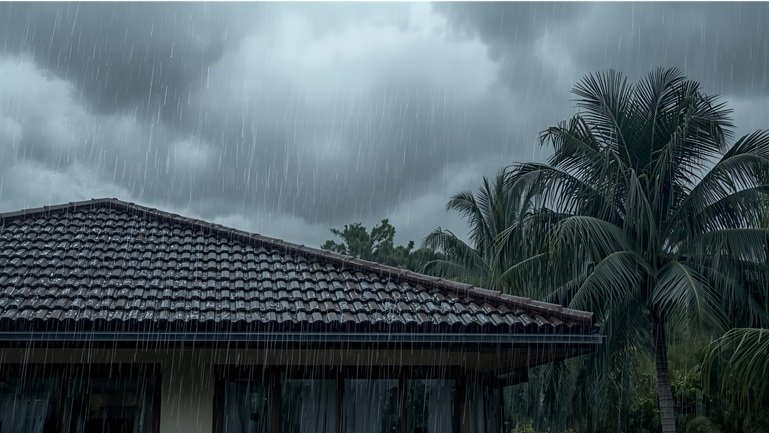
In Fort Lauderdale, Hollywood, and across South Florida, a roof leak is more than just an inconvenience – it’s a critical threat to your property’s integrity, especially with our unique climate of heavy tropical rains, intense sun, and hurricane season. As your trusted, licensed roofing contractor at Shieldline Roofing, we understand the urgency and complexity of water intrusion. This comprehensive guide, crafted by our technical experts, will equip you with the strategic reconnaissance skills to identify and understand the source of a roof leak, safeguarding your home or business.
Before you even think about climbing onto your roof, remember: Safety is paramount. While some initial inspection can be done by a vigilant homeowner, recognizing when to call in professional “reinforcements” from Shieldline Roofing is a smart and safe decision, particularly for complex leaks or high-risk repairs that require adherence to **Florida Building Code (FBC)** standards and specialized equipment.
Phase 1 & 2: Initial Indoor Reconnaissance & Attic Observation – The First Line of Defense Against South Florida Leaks
Your investigation begins inside, where water’s destructive path often leaves its earliest clues. For homeowners and business owners in our humid climate, early detection prevents costly, extensive damage, including persistent mold growth that thrives in damp conditions.
Ceiling Stains and Discoloration: The Silent Alarm
The most common tell-tale signs are often visible right above your head. Look for subtle rings, streaks, or brown/yellow patches on ceilings, particularly in upper stories or near exterior walls. These are visual markers of water making its way through your roof’s defense system. Document their exact location and size meticulously.
Musty Odors and Mold Growth: A Deeper Problem
A persistent damp or earthy smell, especially after rain, indicates a long-standing issue that might be hidden from plain sight. In South Florida’s high-humidity environment, even a small, consistent leak creates a perfect breeding ground for mold and mildew. This not only impacts your indoor air quality but can also compromise structural components. If you suspect hidden mold, professional assessment is crucial.
Audible Drips, Water Trails, and Damp Spots: Direct Evidence
Listen intently for the rhythmic sound of dripping water during or immediately after rainfall. Trace any visible water paths along walls, windows, or pipes. These trails can sometimes lead you directly to the source. Also, feel for damp spots on walls or floors, particularly in areas susceptible to water intrusion from above.
STAT: A persistent, small roof leak can deposit over 20 gallons of water into your home over a year, leading to extensive structural damage and mold growth if undetected.
Flashlight Focus: Rafters, Insulation, and Sheathing in the Attic
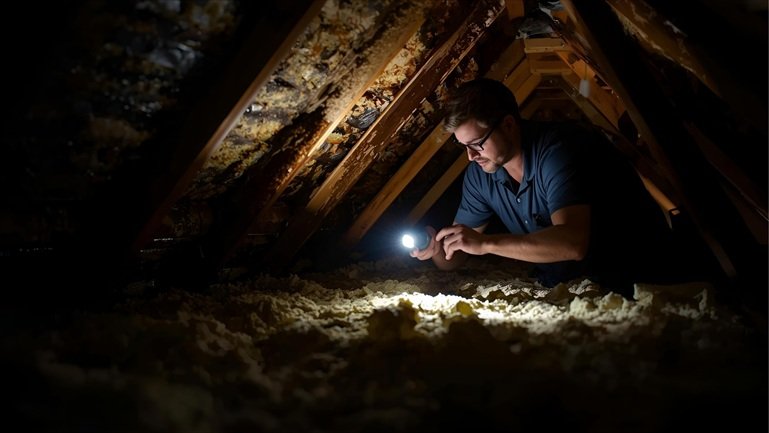
Ascending to the attic (safely, of course) provides a critical vantage point. With a powerful flashlight, systematically scan the underside of your roof – the rafters, insulation, and roof sheathing. Look for any water stains, darkened wood, mold, or visible moisture. Pay close attention to your insulation; it acts like a sponge, absorbing water and often showing visible sagging or discoloration.
Ventilation Points and Chimney Bases: Prime Suspects
Within the attic, scrutinize areas where your roof has been penetrated. These include the bases of chimneys, plumbing vents, and any attic ventilation points. These are common culprits for leaks, as their seals can degrade over time due to intense South Florida sun exposure and heavy rains. Inspect for any gaps, cracks, or compromised sealant around these crucial junctions.
Phase 3: Exterior Examination – Fortifying Your Fort Lauderdale Roof’s Perimeter
With interior clues in hand, it’s time for a systematic exterior inspection. From Hollywood to Fort Lauderdale, our roofs face constant assault from UV rays, salt air, and high winds, making these exterior components particularly vulnerable. If possible and safe, use binoculars from the ground or a sturdy ladder; otherwise, leave roof climbing to the professionals at Shieldline Roofing.
Shingle Scrutiny: Missing, Cracked, or Cupped Shingles
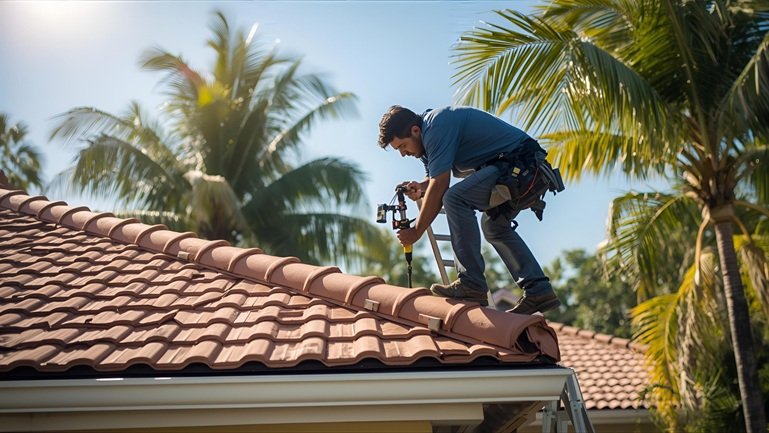
Compromised shingles are a direct vulnerability. Look for:
- Missing shingles: Often a result of high winds during tropical storms or hurricanes. The **Florida Building Code (FBC)** specifies stringent fastening requirements for shingles in **High-Velocity Hurricane Zones (HVHZ)** like ours.
- Cracked or broken shingles: Caused by age, UV degradation, or impact.
- Cupped or curled shingles: A sign of aging and prolonged sun exposure, indicating a loss of protective oils and flexibility.
- Granular loss: Patches where the protective granules have worn off, exposing the asphalt layer underneath. This is especially common on the sunniest slopes and near valleys, weakening the shingle’s weather resistance.
Flashing Fundamentals: Inspecting Critical Seals
Flashing – the thin metal or rubber material used to create watertight seals around roof penetrations and junctions – is incredibly important. In South Florida, the proper installation of flashing, adhering to **FBC** standards, is critical for resisting our torrential downpours. Inspect the flashing around chimneys, skylights, vents, and in valleys (where two roof planes meet). Look for:
- Cracks or rust: Especially common in older or improperly maintained metal flashing.
- Lifted, bent, or improperly installed edges: Creating direct pathways for water. Poorly installed step flashing can lead to chronic leaks.
- Degraded sealant: The caulk or sealant around flashing can dry, crack, and pull away due to the heat and humidity.
STAT: Over 60% of roof leaks are attributed to damaged or improperly installed flashing, followed by worn shingles (20%) and compromised ventilation vents (10%).
Ventilation Vitals: Checking Pipes, Vents, and Skylights
Every protrusion from your roof is a potential weak point.
- Plumbing vent boots: Inspect the rubber or plastic boots around vent pipes. Intense UV radiation in Florida can cause these to crack, split, or deteriorate over time, creating an open channel for water.
- Roof vents: Check plastic or metal vent covers for cracks, damage, or dislodgement, which can occur during high winds.
- Skylight seals: Examine the seals and flashing around skylights for any signs of cracking, separation, or pooling water.
Gutter Guardians: Ensuring Proper Drainage
Your gutters play a crucial role in directing rainwater away from your roof and foundation. Clogged gutters, a common issue with our lush South Florida foliage, can cause water to back up under the lower courses of shingles, against fascia boards, or even overflow directly onto your foundation, leading to fascia rot, soffit damage, and leaks.
Phase 4 & 5: The Strategic Hose Test & Understanding Water Migration – Pinpointing Elusive Leaks in South Florida
If your initial inspections haven’t pinpointed the leak’s origin, the “hose test” is a controlled simulation designed to precisely locate elusive leaks. This requires patience and ideally, a helper. Remember, extreme caution is vital when working on a roof, especially with water present. If your roof is steep, high, or you’re uncomfortable, call Shieldline Roofing.
Section by Section: A Controlled Approach
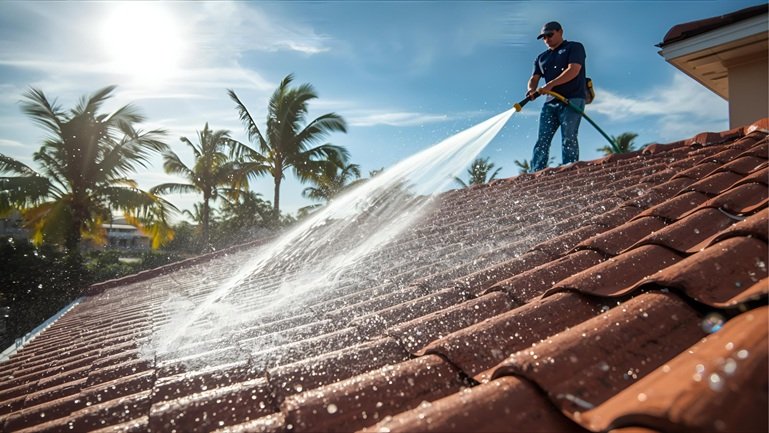
With a helper inside the attic (communicating via cell phone), begin by applying water to the lowest section of the roof directly above or nearest the visible indoor leak area. Start low and work your way up methodically. This systematic approach helps isolate the source. Avoid spraying the entire roof at once, as this makes pinpointing the leak nearly impossible.
Patience Pays: Waiting for the Tell-Tale Drip
Apply water to a section for several minutes before moving upwards. Water doesn’t always show up instantly; it needs time to penetrate and travel. Your helper inside should be ready with a bucket and listening for the slightest drip or observing any moisture appear. Mark the exact spot where water begins to show inside.
Targeted Application: Focusing on Vulnerable Features
Once you’ve identified a general area, concentrate water around specific features. This means targeting vents, flashing, skylights, chimney bases, or sections with suspect shingles. Mimic how rain would hit these areas, observing how water flows and where it eventually leads.
Gravity and Capillary Action: The Water’s Path
Understanding how water travels is crucial. It doesn’t always drip straight down. Water follows the path of least resistance due to gravity and capillary action, often traveling horizontally along rafters, roof sheathing, or even electrical conduits before dripping into your living space. This is why the visible stain on your ceiling may not be directly below the actual leak point.
Indirect Routes: The Strategic Challenge
A leak visible on your living room ceiling might originate several feet away uphill on your roof. This indirect routing is a strategic challenge, making a systematic hose test and careful observation vital for precise pinpointing. Shieldline Roofing’s experts are highly skilled at tracing these complex water migration patterns unique to various South Florida roof designs.
Phase 6: When to Call in Reinforcements – Shieldline Roofing: Your Local Leak Detection Experts
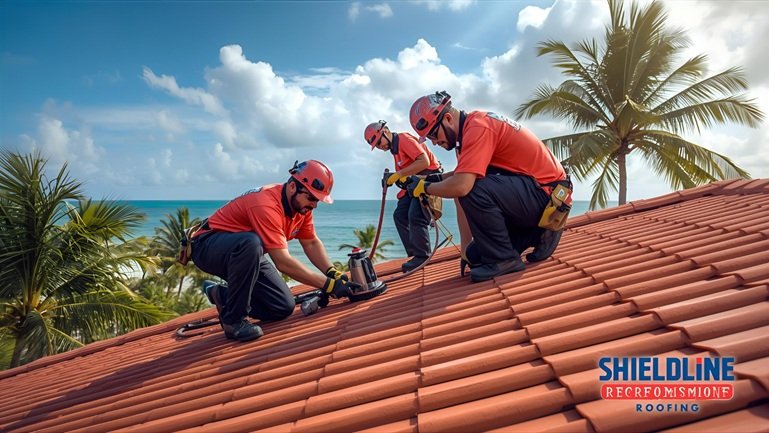
There are clear instances when the mission requires professional “reinforcements.” Shieldline Roofing brings the expertise, safety protocols, and knowledge of **FBC** compliance necessary for effective and lasting repairs in Fort Lauderdale, Hollywood, and the wider South Florida region. Attempting complex repairs yourself can be dangerous and may void warranties or lead to further damage.
High-Risk Situations: Prioritizing Safety and Expertise
If your roof is steep, involves multiple stories, or if you’re working during or immediately after severe weather, it’s best to call Shieldline Roofing. Our licensed and insured team has the proper safety equipment and training to navigate these challenging scenarios safely, adhering to all industry best practices and local safety regulations.
Elusive Leaks: When DIY Attempts Fall Short
If, after your best efforts with the hose test, the leak remains elusive, it’s time for the experts. Our team uses advanced diagnostic tools and years of experience with various South Florida roofing systems (including tile, metal, and flat roofs) to track down even the most hidden leaks. We understand how our local climate impacts roof materials and installation.
Extensive Damage: Addressing Structural Concerns and Mold
If the leak has led to significant water accumulation, widespread stains, visible mold, or suspected structural compromise (e.g., sagging ceilings, soft spots), professional intervention is non-negotiable. Shieldline Roofing can assess the full extent of the damage, coordinate with other trades if needed, and ensure repairs meet **FBC** standards for structural integrity.
Specialized Materials: Expertise for South Florida Roofs
Complex roofing materials common in South Florida, such as concrete tiles, clay tiles, or metal roofing systems, require specialized knowledge and repair techniques. Improper repair attempts can damage these materials further, leading to more extensive and costly problems. Our technicians are trained in the specific requirements for these high-performance roofing systems.
STAT: While minor repairs can be DIY, professional roof leak repair costs range from $300 to $1,000 for small issues, but neglecting a leak can lead to major structural repairs costing upwards of $5,000 to $15,000.
Phase 7: Proactive Leak Prevention – Long-Term Defense Strategies for Your South Florida Property
An ounce of prevention is worth a pound of cure, especially with South Florida’s intense weather patterns. Implementing a proactive maintenance strategy can significantly extend your roof’s lifespan and prevent the stress and cost of future leaks.

Regular Inspections: Your Bi-Annual Roof Check-Up
Schedule bi-annual visual inspections of your roof and attic, ideally in the spring and fall, and always after any major storms, especially during hurricane season. Look for the early signs of wear and tear discussed above. Early detection of minor issues prevents them from escalating into major leaks that could violate **FBC** requirements if not addressed.
Gutter Maintenance: Ensuring Optimal Drainage
Keep your gutters and downspouts clear of leaves, twigs, and other debris. Clogged gutters prevent proper water runoff, causing water to back up and potentially seep under shingles or rot fascia boards. This is particularly crucial during our heavy rainy seasons to prevent water damage to your roof’s edge and foundation.
Trim Overhanging Branches: Protecting Against Storm Damage
Regularly trim any tree branches that overhang your roof. This prevents damage from falling limbs during high winds or hurricanes and minimizes debris accumulation in your gutters and on your roof surface, which can trap moisture and accelerate material degradation.
Address Minor Issues Promptly: Nip Problems in the Bud
Don’t ignore small cracks, loose shingles, or degraded sealant. These seemingly minor issues can quickly escalate into significant leaks, especially under the stress of South Florida weather. Promptly addressing them with a licensed contractor like Shieldline Roofing can save you substantial repair costs and potential structural damage down the line.
Conclusion: Securing Your Home’s Perimeter with Shieldline Roofing
Successfully finding and mitigating a roof leak requires a systematic, strategic approach, especially for property owners in Fort Lauderdale, Hollywood, and throughout South Florida. By combining careful indoor observation with thorough exterior inspection and controlled testing, homeowners can effectively defend their property against the persistent threat of water intrusion. Prompt action not only saves substantial repair costs but also safeguards the structural integrity, prevents mold growth, and extends the longevity of your valuable investment.
For any signs of a leak or for expert, **FBC-compliant** roof inspections and repairs, don’t hesitate. Trust the local experts who understand South Florida’s unique roofing challenges.
Ready for a free, code-compliant roof inspection to ensure your property is protected? Contact Shieldline Roofing today for reliable service across Fort Lauderdale, Hollywood, and all of South Florida!
FAQs: Your South Florida Roof Leak Questions Answered
How long does it take for a small leak to cause significant damage?
In South Florida’s humid climate, even a small, slow leak can cause significant damage in just a few months. Persistent dampness leads to wood rot in rafters and sheathing, fosters aggressive mold growth that can spread rapidly, and ultimately compromises your home’s structural integrity if left unaddressed.
Can I fix a roof leak myself?
Minor leaks, like those caused by a single loose shingle or a small crack in easily accessible flashing, can sometimes be temporarily fixed by a DIY-savvy homeowner. However, complex leaks, leaks involving multiple layers of roofing, or repairs involving extensive damage or significant height should always be handled by licensed professionals like Shieldline Roofing, ensuring **FBC** compliance and safety.
What are the most common places for a roof to leak in South Florida?
The most common leak sources in our region are around roof penetrations such as chimneys, skylights, plumbing vents, and valleys – areas where flashing is critical. Additionally, areas with damaged, missing, or improperly installed asphalt shingles, concrete tiles, or metal panels are frequent culprits, especially after our strong winds and heavy rains.
Is a roof leak covered by insurance?
Most homeowner’s insurance policies cover sudden and accidental damage from roof leaks (e.g., storm damage from a hurricane or tropical storm). However, damage from long-term neglect, lack of maintenance, or pre-existing conditions that should have been addressed is typically not covered. Always check your specific policy details.
How often should I inspect my roof for leaks?
It’s highly recommended to conduct a thorough visual inspection of your roof and attic at least twice a year – typically in the spring before the summer storm season and in the fall after hurricane season. Additionally, inspect your roof promptly after any major storm events to catch potential issues early.
