Executive Summary
- Regular ground-level roof inspections are crucial for early detection of potential damage, preventing minor issues from escalating into costly major repairs.
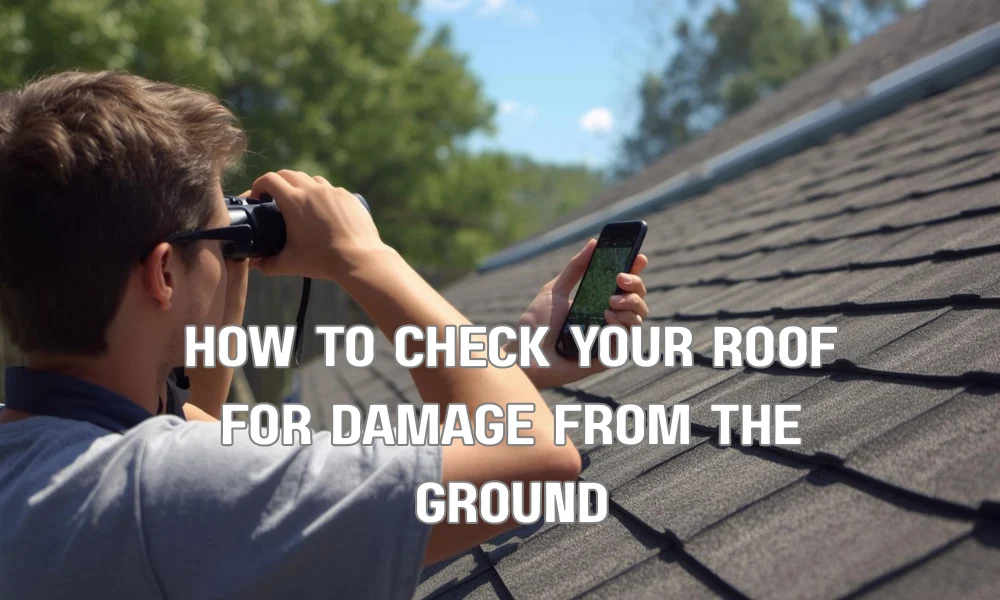
- Utilizing tools like high-powered binoculars and a camera allows homeowners to safely identify critical signs of wear, deterioration, or storm damage from a secure vantage point.
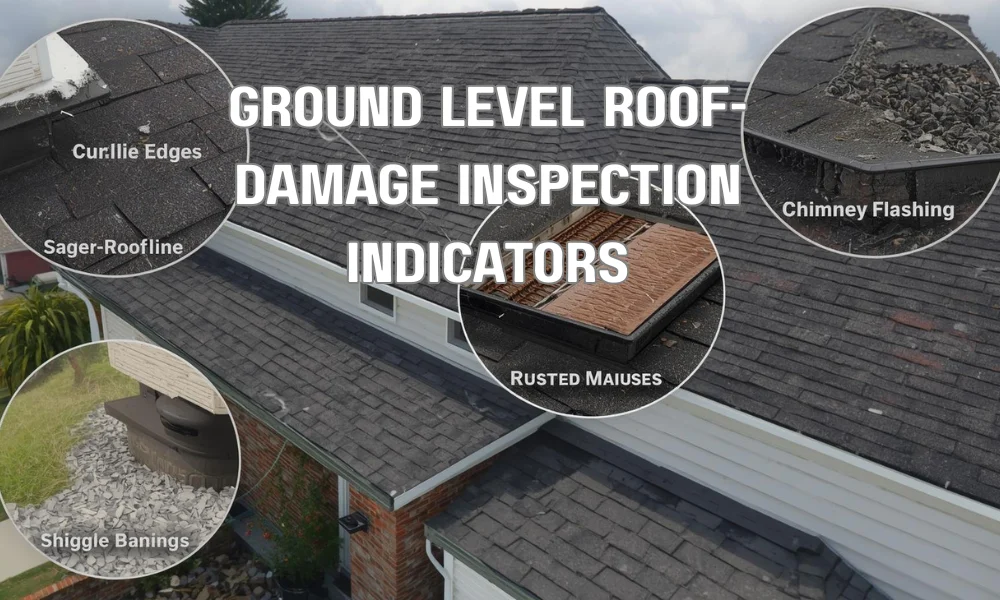
- Key indicators visible from the ground include missing or curled shingles, significant granule loss, sagging rooflines, and issues with flashing around vents or chimneys.
- Understanding how different roofing materials—asphalt, metal, tile—exhibit damage helps in accurately interpreting observations during your visual assessment.
- While ground inspections are excellent for preliminary checks, any identified significant damage or persistent concerns necessitate immediate professional evaluation to ensure structural integrity.
- Documenting observations with photographs and maintaining a log of inspections provides a valuable historical record for future reference and insurance claims.
The Importance of Ground-Level Roof Inspections
Why is a ground-level inspection crucial for homeowner safety and early detection?
A ground-level roof inspection is crucial because it offers a safe, accessible, and proactive method for homeowners to monitor their roof’s condition without the inherent risks of climbing onto the roof itself. This preventative approach allows for the early detection of minor issues before they escalate into significant, expensive, and potentially structural problems that compromise your home’s integrity. By identifying signs of wear, weather damage, or material degradation from the safety of the ground, homeowners can schedule timely repairs, extend their roof’s lifespan, and maintain their property value.
Critical Fact 1: Approximately 80% of roof damage goes unnoticed by homeowners until it manifests as an interior leak, underscoring the importance of regular, proactive inspections from a safe distance.
Essential Tools and Preparation for Your Inspection
What tools are necessary for an effective and safe ground-level roof check?
For an effective and safe ground-level roof check, you will primarily need a good pair of high-powered binoculars (at least 8x magnification) to get a clear view of your roof’s surface and details. A digital camera or smartphone with a zoom function is also essential for capturing clear images of any suspicious areas, providing documentation for future comparison or professional consultation. Additionally, a notepad and pen are useful for recording observations, dates, and any specific areas of concern. It’s also wise to choose a clear, well-lit day for your inspection, ensuring optimal visibility without shadows or adverse weather conditions compromising your view.
Key Areas and Damage Signs to Spot From Afar
What common roof damage indicators can be identified without climbing?
Without climbing, several common roof damage indicators can be clearly identified from the ground, offering critical insights into your roof’s health. These include missing, cracked, or curled shingles, which are often visible along the roofline or in valleys. Significant granule loss, appearing as dark, worn spots on asphalt shingles or accumulations in gutters, is another key sign of material deterioration. Any visible sagging in the roofline, especially between rafters, suggests potential structural issues or heavy water saturation. Furthermore, issues with flashing around chimneys, skylights, and vents—such as gaps, rust, or detachment—are often noticeable and can indicate points of water entry.
How do different roofing materials exhibit signs of wear or damage?
Different roofing materials exhibit distinct signs of wear or damage, which are important to recognize during a ground-level inspection. Asphalt shingles, the most common type, frequently show granule loss, curling, buckling, or cracking as they age or sustain weather damage. Metal roofs, while durable, can display rust spots, loose fasteners, denting from hail, or detached seams. Tile roofs (clay, concrete) are prone to cracking, chipping, or becoming dislodged, especially after impact or during freeze-thaw cycles. Wood shakes or shingles may splinter, rot, or curl, indicating moisture damage or age. Recognizing these material-specific signs allows for more accurate assessment of your roof’s condition from a distance.
| Roof Material | Typical Lifespan | Ground-Visible Damage Signs | Severity Indicator |
|---|---|---|---|
| Asphalt Shingles | 15-30 years | Granule loss, curling, cracking, missing tabs, dark streaks (algae) | Moderate to High (granule loss, missing tabs) |
| Metal Roofing | 40-70+ years | Rust spots, loose fasteners, denting, detached seams, fading paint | Low to Moderate (rust, loose fasteners) |
| Clay/Concrete Tiles | 50-100+ years | Cracked, chipped, missing or dislodged tiles, efflorescence | Moderate to High (cracked, missing tiles) |
| Wood Shakes/Shingles | 20-40 years | Splitting, rotting, moss/algae growth, curling, cupping | Moderate (splitting, rotting) |
| Slate Roofing | 75-200+ years | Cracked, chipped, or missing slates, efflorescence | High (missing slates, complex repair) |
Advanced Techniques and When to Call a Professional
Can drones enhance a ground-level roof inspection?
Yes, drones can significantly enhance a ground-level roof inspection by providing high-resolution aerial views of areas that are difficult or impossible to see with binoculars, such as the peak of a steep roof or specific sections of valleys and dormers. Equipped with high-definition cameras, drones can capture detailed images and videos, allowing for a thorough visual assessment of hard-to-reach areas without any risk to personal safety. However, operating a drone requires skill and adherence to local regulations, and for complex or large roofs, a professional drone inspection service is often the best choice.
Critical Fact 2: While ground inspections are vital, over 60% of significant roof damage, particularly involving flashing and sealants, is often only fully discernible through closer, professional inspection.

When does a ground-level inspection indicate the need for a professional assessment?
A ground-level inspection indicates the immediate need for a professional assessment whenever you observe significant damage such as widespread missing shingles, obvious sagging in the roofline, large areas of granule loss, or visible water stains on the fascia or soffits. Any signs of interior leaks, even small ones, or recurring issues after storms also warrant expert attention. Furthermore, if you’re unsure about the severity of a discovered issue, or if the roof is particularly old and showing widespread wear, a certified roofing professional should be called to conduct a comprehensive, on-roof inspection to accurately diagnose problems and recommend appropriate repairs.
Proactive Maintenance and Record Keeping
What proactive steps can extend your roof’s lifespan and aid future inspections?
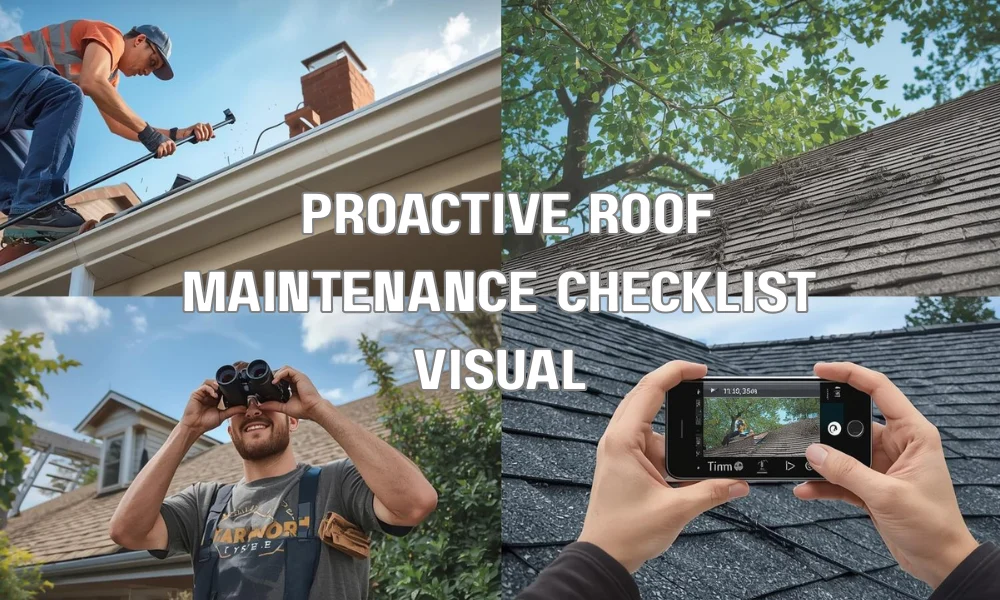
Proactive steps that significantly extend your roof’s lifespan and aid future inspections include regularly clearing gutters and downspouts of debris to ensure proper water drainage, preventing water from pooling and causing rot or foundational damage. Trimming overhanging tree branches prevents physical abrasion, falling debris damage, and reduces the accumulation of leaves and moisture on the roof surface. Additionally, maintaining a consistent schedule for ground-level inspections, perhaps bi-annually or after significant weather events, helps in early problem identification. Documenting your observations with dated photographs and keeping a detailed log of all maintenance and repairs creates a valuable historical record, essential for warranty claims and tracking your roof’s condition over time.
Critical Fact 3: Proactive roof maintenance, including gutter cleaning and tree trimming, can extend a roof’s life by up to 30%, translating into significant long-term cost savings for homeowners.
Frequently Asked Questions
How often should I check my roof from the ground?
It’s recommended to check your roof from the ground at least twice a year, typically in the spring and fall, to assess its condition after seasonal weather changes. Additionally, conduct an inspection immediately after any severe weather events, such as heavy winds, hail storms, or significant snowfall.
What are the clearest signs of damage visible without binoculars?
Without binoculars, the clearest signs of damage include obviously missing shingles, large sections of curled or buckled shingles, significant debris accumulation in gutters (indicating granule loss), and any visible sagging or unevenness in the roofline itself.
Can I use a ladder to get a better view?
While a ladder can offer a slightly elevated view, it’s crucial to prioritize safety. Only use a stable ladder if you feel comfortable and secure, and never attempt to climb onto the roof. Always have someone spot you, and ensure the ladder is on firm, level ground.
What if I see moss or algae growth on my roof? Is that damage?
Moss and algae growth aren’t direct damage, but they can indicate moisture retention, which can accelerate shingle deterioration over time. While often a cosmetic issue, significant growth can trap moisture, potentially leading to rot or granule loss. Professional cleaning may be warranted.
Should I check my attic for signs of roof damage?
Yes, checking your attic is a critical complementary step. Look for water stains on the underside of the roof deck or insulation, streaks of light indicating holes, and signs of mold or mildew. A flashlight is essential for a thorough attic inspection.
What should I do if I find serious damage during my ground inspection?
If you find serious damage, such as a large hole, significant missing sections, or obvious water leaks in the attic, contact a qualified roofing professional immediately. Document the damage with photos but avoid attempting any repairs yourself, as this can be dangerous and void warranties.
Are there specific times of day that are best for a ground-level inspection?
The best time for a ground-level inspection is on a clear, sunny day, ideally mid-morning or late afternoon, when the sun is not directly overhead. This helps minimize harsh shadows and provides good, even lighting, allowing for better visibility of the roof’s surface and any subtle damage.
Can I inspect a flat roof from the ground effectively?
Inspecting a flat roof from the ground can be more challenging due to less visible angles, but you can still look for pooled water, visible tears or cracks in the membrane, and signs of debris buildup. However, flat roofs generally require on-roof inspections to be fully assessed.