
Executive Summary
- Implementing robust vapor barriers is crucial to prevent moisture infiltration and ice formation within cold storage roof assemblies.
- High-R-value insulation, meticulously installed without gaps, minimizes heat transfer, significantly reducing operational energy costs.
- Zero-leak roof designs, incorporating redundant waterproofing layers, are essential to safeguard perishable goods and structural integrity.
- Understanding and managing vapor drive dynamics is paramount for sustained thermal performance and preventing costly roof damage.
- Integrating reflective roof membranes effectively lowers surface temperatures, reducing cooling loads and extending material lifespan.
- Proactive maintenance and advanced monitoring systems are vital for early detection of potential issues, ensuring roof system longevity.
- Investing in high-quality materials and expert installation for cold storage roofing delivers substantial long-term energy savings and reliability.
Understanding the Unique Challenges of Cold Storage Roofing
Why is cold storage roofing different from standard commercial roofing?
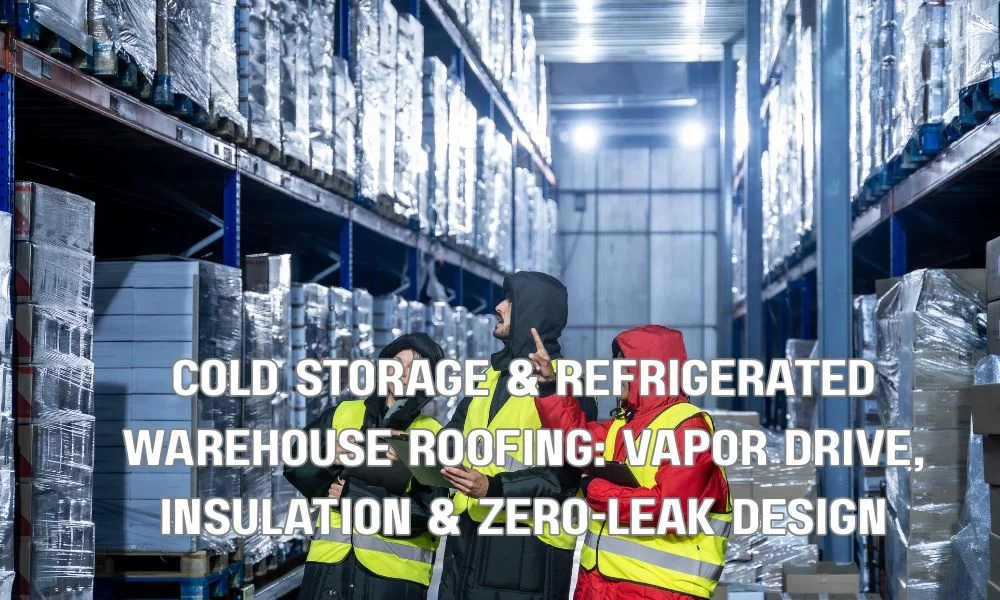
Cold storage roofing presents unique challenges compared to standard commercial roofing due to the extreme temperature differentials and strict humidity control required within the building envelope. The primary distinction lies in managing the relentless vapor drive from warmer, humid exterior conditions towards the colder interior, which can lead to severe condensation and ice formation within the roof assembly if not properly engineered. This necessitates specialized insulation types, meticulously installed vapor barriers, and robust waterproofing to maintain thermal performance and structural integrity.
Critical Fact: Vapor drive can result in hundreds of pounds of moisture accumulating within a roof system, severely degrading insulation’s R-value by as much as 50% and leading to structural damage from rot or corrosion.
What is vapor drive, and why is it critical in refrigerated environments?
Vapor drive is the natural movement of water vapor from an area of higher vapor pressure to an area of lower vapor pressure. In refrigerated warehouses, this means moisture is constantly trying to migrate from the warm, often humid exterior through the roof assembly to the cold, dry interior. This phenomenon is critical because if uncontrolled, vapor drive leads to interstitial condensation – moisture accumulating within the roof layers. This condensation can saturate insulation, reducing its effectiveness, promote mold growth, degrade structural components, and even form ice lenses that exert destructive pressures.
How does moisture infiltration compromise cold storage performance?
Moisture infiltration, whether from vapor drive or external leaks, severely compromises cold storage performance by reducing thermal efficiency, promoting material degradation, and creating hazardous conditions. Saturated insulation loses its R-value, forcing refrigeration systems to work harder and consume more energy, directly impacting operating costs. Over time, chronic moisture exposure can lead to mold and mildew growth, corrode metal components, rot wood, and compromise the structural integrity of the roof deck and supporting elements. This also risks product spoilage and poses slip hazards from internal ice formation.
Advanced Insulation Strategies for Thermal Efficiency
What are the best insulation materials for cold storage roofs?
The best insulation materials for cold storage roofs are those that offer high R-value per inch, low moisture absorption, and excellent compressive strength to support roof traffic and system components. Polyisocyanurate (polyiso), extruded polystyrene (XPS), and expanded polystyrene (EPS) are common choices, each with specific advantages. Polyiso offers a high R-value and good fire resistance; XPS provides superior moisture resistance and compressive strength; and EPS is a cost-effective option with good thermal performance. Often, a combination of these materials is used in a multi-layer assembly to optimize performance and cost.
How do you prevent thermal bridging in a cold storage roof assembly?
Preventing thermal bridging in a cold storage roof assembly is crucial to maintaining a consistent thermal envelope and avoiding localized heat loss. Thermal bridging occurs where highly conductive materials, such as fasteners or structural elements, penetrate the insulation layer, creating pathways for heat transfer. Prevention strategies include using thermal breaks (materials with low thermal conductivity) at critical points, staggering insulation board joints in multi-layer installations, and employing specialized fastening systems that minimize penetrations. Continuous insulation layers over structural components are also vital to minimize heat flow.
What role do vapor barriers play in preventing condensation?
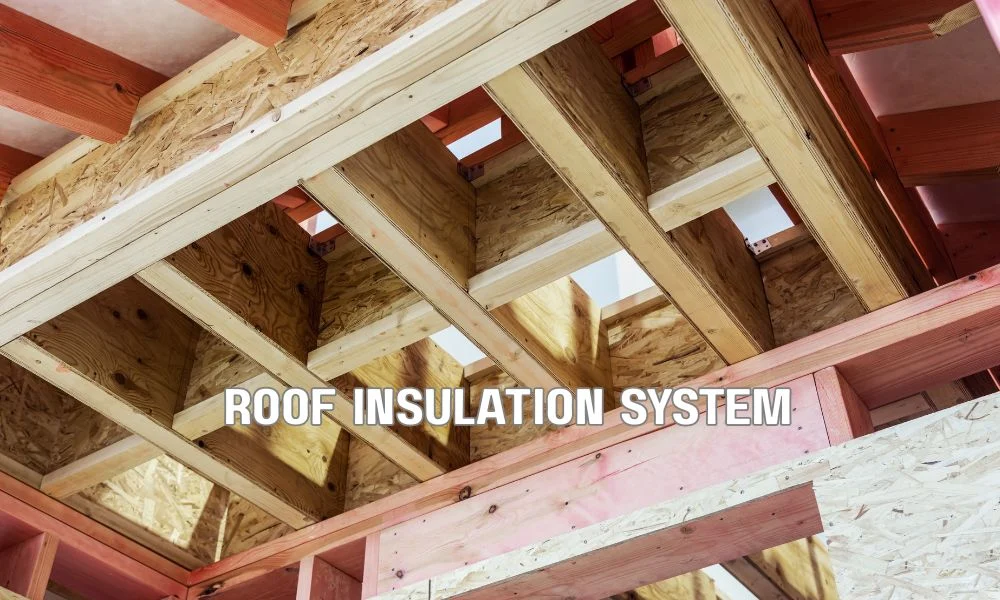
Vapor barriers play an absolutely critical role in preventing condensation within a cold storage roof assembly by blocking the migration of water vapor from the warm, humid exterior to the cold interior. Installed on the warm side of the insulation (typically directly over the roof deck), these impermeable membranes ensure that moisture-laden air cannot reach the colder parts of the roof where it would condense. Without an effective, continuous vapor barrier, insulation would become saturated, leading to catastrophic thermal performance loss and structural damage over time.
Designing for Zero-Leak Performance and Longevity
What are the key components of a zero-leak roof design?
A zero-leak roof design for cold storage is achieved through a meticulous combination of high-quality materials, redundant waterproofing, precise installation, and comprehensive detailing. Key components include a fully adhered or mechanically fastened membrane system (TPO, PVC, EPDM) with reinforced seams, multiple layers of insulation with staggered joints, and a continuous vapor barrier. Crucially, it incorporates robust flashing details at all penetrations, perimeters, and transitions, along with proper slope to ensure positive drainage and prevent ponding water.
How do redundant waterproofing layers enhance roof reliability?
Redundant waterproofing layers significantly enhance roof reliability by providing multiple lines of defense against water intrusion, minimizing the risk of a single point of failure leading to a catastrophic leak. In cold storage, this often means employing a primary roof membrane over a secondary waterproofing layer or a high-performance vapor barrier that can double as a temporary water barrier during construction. Should the primary membrane be compromised, the underlying layer prevents moisture from reaching the insulation and interior, buying time for detection and repair.
What maintenance practices ensure long-term roof integrity?
Ensuring long-term roof integrity in cold storage facilities requires a proactive and comprehensive maintenance regimen. This includes regular inspections (at least bi-annually and after major weather events) to identify and address minor issues like punctures, compromised seams, or clogged drains before they escalate. It also involves keeping the roof surface clear of debris, monitoring for any signs of ponding water, and promptly repairing any identified damage to the membrane or flashing. Thermal imaging surveys can also detect hidden moisture within the assembly, allowing for early intervention.
| Material Type | Typical R-value per inch | Moisture Resistance | Compressive Strength | Typical Cost (Relative) |
|---|---|---|---|---|
| Polyisocyanurate (Polyiso) | 5.6 – 6.5 | Good (faces are key) | Moderate to High | $$$ |
| Extruded Polystyrene (XPS) | 5.0 | Excellent | High | $$ |
| Expanded Polystyrene (EPS) | 3.6 – 4.2 | Good | Moderate | $ |
| Mineral Wool | 3.7 – 4.2 | Low (absorbent) | Moderate | $$ |
| Note: R-values vary by density; moisture resistance and compressive strength are crucial for cold storage applications. | ||||
Sustainable and Cost-Effective Roofing Solutions
How can reflective roofing reduce energy consumption?
Reflective roofing, often referred to as “cool roofs,” significantly reduces energy consumption in cold storage facilities by minimizing solar heat gain. These roofs typically feature light-colored membranes (e.g., white TPO or PVC) that reflect a high percentage of sunlight and emit absorbed heat efficiently. By reducing the roof surface temperature, reflective roofing lowers the heat load transferred into the building, thereby decreasing the demand on refrigeration systems and leading to substantial savings in cooling costs, particularly in warmer climates.
What are the long-term ROI benefits of robust cold storage roofing?
The long-term ROI benefits of robust cold storage roofing are substantial, extending far beyond the initial installation cost. A well-designed and installed system provides superior thermal performance, leading to significant and ongoing energy cost reductions. It minimizes the risk of product spoilage, structural damage, and operational disruptions caused by leaks or insulation failure. Furthermore, a durable, low-maintenance roof system extends the building’s lifespan, reduces repair expenses, and maintains property value, offering a strong return on investment over decades.
Are there new technologies improving cold storage roof performance?
Yes, new technologies are continuously improving cold storage roof performance, focusing on enhanced monitoring, material innovation, and sustainable practices. Advances include smart roof systems with integrated sensors for real-time moisture detection and thermal performance monitoring, highly insulative aerogel-enhanced materials, and advanced vapor barrier adhesives that seal penetrations more effectively. Additionally, self-adhering membranes reduce labor and improve seam integrity, while advanced fluid-applied systems offer seamless waterproofing, enhancing overall durability and leak prevention.
Critical Fact: The lifecycle cost of a cold storage roof, including energy savings, maintenance, and potential product loss prevention, can be up to 70% lower with an optimally designed and installed system compared to a poorly specified one over a 30-year period.
Frequently Asked Questions
What is the ideal R-value for cold storage roofing?
The ideal R-value for cold storage roofing depends on the climate zone, desired interior temperature, and specific building codes. However, most experts recommend an R-value between R-30 and R-50, and often higher for very low-temperature freezers, to effectively minimize heat gain and prevent condensation.
How often should a cold storage roof be inspected?
A cold storage roof should be inspected at least twice a year – typically in spring and fall – and after any significant weather events like heavy storms, high winds, or extended periods of snow. Regular inspections help catch minor issues before they become costly problems.
Can existing cold storage roofs be upgraded for better performance?
Yes, existing cold storage roofs can often be upgraded. This may involve adding an additional layer of insulation, improving the vapor barrier, repairing damaged membranes, or installing a highly reflective coating to enhance thermal performance and extend lifespan.
What is the lifespan of a well-maintained cold storage roof?
A well-designed and properly maintained cold storage roof, utilizing high-quality materials and expert installation, can typically last 20 to 30 years or even longer. Regular inspections and prompt repairs are key to achieving maximum longevity.
Are roof penetrations a major concern for leaks in cold storage?
Yes, roof penetrations (e.g., HVAC units, vents, skylights) are common points of failure and a major concern for leaks in cold storage. Meticulous flashing details and sealants are absolutely critical at these junctions to prevent both water and vapor infiltration.
How do you address ice buildup on cold storage roofs?
Ice buildup on the exterior of a cold storage roof is generally not a direct issue unless it impedes drainage. However, *internal* ice formation within the roof assembly indicates a severe vapor barrier breach and requires immediate remediation to prevent structural damage and energy loss.
What is the importance of proper ventilation in cold storage roofing?
While direct roof ventilation (like in attics) is not typically used for the primary insulated space in cold storage, some systems use ventilating components above the insulation to manage residual moisture or prevent heat buildup in specific scenarios, though a sealed, robust vapor barrier is the primary defense.
What certifications should cold storage roofing contractors have?
Cold storage roofing contractors should have relevant industry certifications (e.g., manufacturer certifications for specific membrane systems) and demonstrate extensive experience in cold storage or low-temperature facility projects. Look for expertise in vapor barrier installation and complex detailing.
