

Executive Summary
- Proactive diagnosis of roof membrane issues like blisters, ridges, splits, and punctures is critical for extending asset lifespan and preventing costly structural damage.
- Blisters commonly indicate trapped moisture or air, forming from poor adhesion, solvent entrapment, or temperature fluctuations within the membrane layers.
- Ridges often signal substrate movement, thermal stress, or underlying deck imperfections transferring through the roofing system.
- Splits are frequently a result of extreme material fatigue, thermal expansion/contraction cycles, or stress propagation from the building structure below.
- Punctures are direct mechanical damage, usually caused by external impacts, foot traffic, or sharp debris, compromising the membrane’s waterproofing integrity.
- Implementing a routine inspection schedule can detect early signs of membrane failure, enabling timely intervention and preventing minor issues from escalating.
- Understanding the distinct visual characteristics of each defect is essential for accurate identification and selecting the most effective repair strategy.
Understanding the Fundamentals of Membrane Failure
What exactly is membrane failure in roofing systems?
Membrane failure in roofing systems refers to any condition where the waterproofing integrity of the roof’s primary protective layer is compromised. This can manifest as visible physical deterioration such as blisters, ridges, splits, or punctures, leading to water infiltration and subsequent damage to the building structure and interior. Identifying these specific types of failures is the first step toward effective remediation.
Critical Fact 1: Approximately 80% of all roof leaks can be attributed to defects in the roof membrane or flashing components, not the entire roof system failing.
Why is early diagnosis crucial for long-term roofing integrity?
Early diagnosis is crucial because minor membrane defects, if left unaddressed, can rapidly escalate into significant issues, compromising the entire roofing system and potentially leading to extensive structural damage. Timely identification allows for targeted, cost-effective repairs, preventing widespread water intrusion, mold growth, insulation saturation, and premature roof replacement, thereby maximizing the roof’s service life.
Decoding Blisters: The Subsurface Culprits
What causes blisters to form on roof membranes?
Blisters are convex, raised areas on the membrane surface, typically caused by trapped gases or moisture expanding beneath the membrane dueor within its layers. The primary culprits include poor adhesion during installation, moisture trapped between plies or in the substrate, solvent vapors from adhesives, or differential heating of the membrane, creating pressure that lifts the material.
How can you differentiate between moisture-induced and solvent-induced blisters?
Moisture-induced blisters usually appear larger, more sporadic, and often flatten out during cooler periods before reforming when heated by the sun. Solvent-induced blisters, conversely, tend to be smaller, more numerous, and maintain a firmer, tauter appearance regardless of temperature fluctuations, often concentrated in areas of fresh application where solvents might not have fully dissipated.
Unraveling Ridges: Stress and Substrate Dynamics
What leads to the development of ridges in roofing membranes?
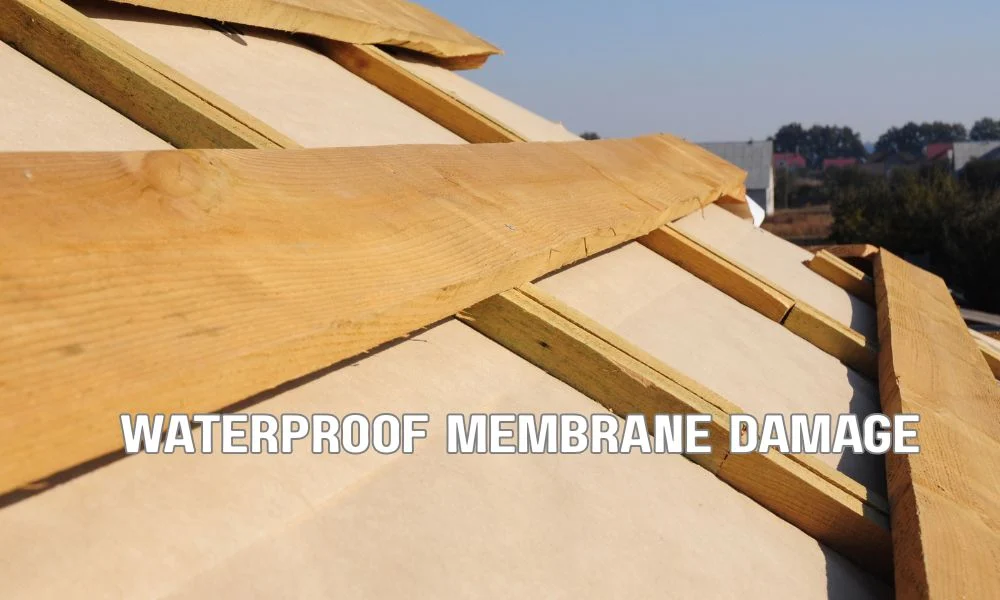
Ridges are linear raised sections that form when the roof membrane buckles or wrinkles. They are frequently caused by thermal expansion and contraction cycles of the roof deck or insulation, substrate movement, improper membrane tension during installation, or insufficient bond between the membrane and the substrate. These forces create compressive stress, leading the membrane to uplift and form a ridge.
Critical Fact 2: Temperature differentials can cause roof membranes to expand and contract by up to 2 inches over a 100-foot span, creating immense stress if not properly accommodated by design.
How do thermal cycles and building movement contribute to ridge formation?
Thermal cycles cause the roof membrane and underlying components to expand when heated and contract when cooled. If the membrane cannot freely move or if expansion joints are inadequate, these continuous stress cycles can lead to buckling and ridge formation. Similarly, building movement, such as structural settling or seismic activity, can exert shearing forces on the membrane, inducing linear stress and subsequent ridging.
Investigating Splits: The Apex of Material Stress
What are the primary reasons for membrane splits?
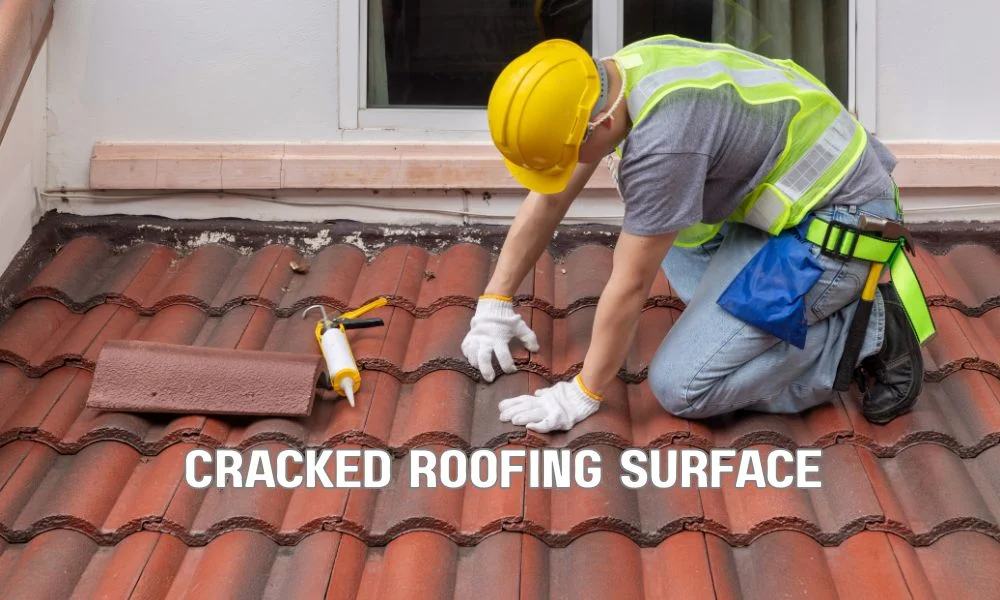
Membrane splits are linear tears or cracks in the roofing material, primarily caused by excessive stress exceeding the membrane’s tensile strength. Common reasons include extreme thermal expansion and contraction, building movement, material fatigue due to prolonged exposure to UV radiation and weather, poor quality control during manufacturing, or the propagation of cracks from the underlying substrate (known as reflective cracking).
How does material fatigue and substrate cracks impact membrane integrity?
Material fatigue weakens the membrane over time, making it more susceptible to tearing under normal stress. Continuous exposure to UV radiation, extreme temperatures, and environmental pollutants degrades the polymer chains, reducing flexibility and strength. Substrate cracks, especially in concrete decks or insulation boards, can act as stress concentrators, where movement in the substrate directly translates into a split in the less flexible membrane above.
Identifying Punctures: External Threats and Mechanical Damage
What are the common sources of punctures in roof membranes?
Punctures are localized holes or tears caused by direct mechanical impact, penetrating the membrane’s surface. Common sources include dropped tools during maintenance or construction, sharp debris carried by wind, foot traffic (especially without proper protection), animal activity, or even icicles falling from higher structures. These penetrations directly breach the waterproofing layer, creating immediate leak pathways.
How can regular inspections mitigate puncture risks?
Regular inspections are crucial for identifying potential puncture hazards suchates sharp objects, loose debris, or unsecured equipment before they can damage the membrane. During inspections, personnel can also assess areas of high foot traffic for wear and implement protective pathways or reinforcement. Promptly addressing these risks significantly reduces the likelihood of punctures, maintaining the roof’s integrity.
| Membrane Failure Type | Primary Visual Characteristics | Common Underlying Causes | Initial Remedial Actions |
|---|---|---|---|
| Blisters | Raised, convex bulges; can be firm or soft; vary in size and shape. | Trapped moisture/air, poor adhesion, solvent entrapment, differential heating. | Vent, patch, or cut/repair depending on size and cause; improve drainage. |
| Ridges | Linear, elevated wrinkles or folds; often follow insulation joints or deck lines. | Thermal expansion/contraction, substrate movement, improper tension, insufficient bond. | Cut and patch, install relief vents, reinforce movement joints; re-adhere loose areas. |
| Splits | Linear tears or cracks; can be hairline or wide; often show substrate below. | Material fatigue, extreme thermal stress, building movement, reflective cracking. | Clean, prime, and patch with compatible membrane; consider reinforcing below. |
| Punctures | Localized holes, indentations, or tears; often circular or irregular; visible penetration. | Dropped tools, sharp debris, foot traffic, animal activity, falling objects. | Clean, prime, and patch with a compatible membrane material, ensuring overlap. |
Proactive Strategies for Membrane Longevity
What preventative measures can minimize membrane degradation?
Preventative measures crucial for minimizing membrane degradation include regular professional inspections, prompt removal of debris and standing water, ensuring proper drainage, and applying protective coatings or granules to resist UV radiation. Limiting unnecessary foot traffic, ensuring adequate ventilation for trapped moisture, and using compatible repair materials also significantly extend membrane life.
When should professional inspection and repair be considered?
Professional inspection and repair should be considered immediately upon detection of any significant membrane defect, or ideally, as part of a scheduled maintenance program (e.g., bi-annual inspections). Early intervention by experienced professionals ensures accurate diagnosis, proper material selection, and correct repair techniques, preventing further damage and upholding warranty validity.
Critical Fact 3: Proactive maintenance, including bi-annual inspections and prompt minor repairs, can extend a commercial roof’s lifespan by 25-50% compared to reactive “fix-it-when-it-leaks” approaches.
Frequently Asked Questions
What is the difference between a blister and a delamination?
While related, a blister is a localized, convex bulge caused by trapped gas or moisture, usually between membrane layers or the membrane and substrate. Delamination refers to a more extensive separation of membrane plies or the membrane from the substrate over a larger area, often indicating a widespread adhesive failure rather than just a localized gas pocket.
Can small blisters be ignored, or do they always require repair?
Small blisters, especially those that flatten in cooler temperatures, might seem harmless, but they indicate an underlying issue like trapped moisture or poor adhesion. If left unaddressed, they can grow, become brittle, or rupture, leading to water infiltration. It’s best to have them inspected; minor blisters can often be easily repaired to prevent future problems.
Are all roof membrane splits caused by aging?
No, not all membrane splits are solely due to aging. While material fatigue from prolonged exposure and thermal cycling contributes, splits can also result from acute stresses like building settlement, seismic activity, improper installation (e.g., poor flashing details), or reflective cracking from substrate movement.
How can I prevent punctures on my commercial roof?
Preventing punctures involves limiting unnecessary roof access, establishing designated pathways for essential foot traffic, using protective mats in high-traffic areas, and ensuring all tools and equipment are handled carefully. Regular debris removal and securing loose objects that could be wind-blown are also crucial preventative measures.
What role does proper drainage play in preventing membrane failure?
Proper drainage is paramount in preventing membrane failure. Standing water exacerbates membrane degradation, promotes ponding, and increases the likelihood of blisters by driving moisture into the system. Effective drainage prevents hydrostatic pressure build-up and minimizes the time the membrane is exposed to water, thus extending its lifespan.
Is it possible to repair all types of membrane damage, or is replacement sometimes necessary?
Most localized membrane damage, such as small blisters, minor ridges, and isolated splits or punctures, can be effectively repaired. However, if the membrane exhibits widespread degradation, multiple large-scale failures, or extensive delamination across a significant area, a complete roof replacement may be the more cost-effective and long-term solution.
How do I identify the specific type of membrane installed on my roof?
Identifying your specific membrane type often involves visual inspection for distinctive features (e.g., granular surface for modified bitumen, smooth black for EPDM, white/light-colored for TPO/PVC). Consulting original installation documents, warranty papers, or engaging a professional roofing contractor for identification are reliable methods.
What immediate steps should be taken if a leak is suspected due to membrane failure?
If a leak is suspected, immediately try to contain the water inside the building to minimize interior damage. Then, contact a professional roofing contractor without delay. Avoid attempting DIY repairs on a wet roof, as it can be hazardous and may worsen the problem or void warranties.
