
Executive Summary
- Biological growth on Florida roofs, initially cosmetic, can progress to significant structural degradation if left untreated, necessitating prompt intervention.
- Dark staining from Gloeocapsa magma algae weakens asphalt shingles by causing premature granule loss, reducing their UV protection and lifespan.
- Mold and mildew retain moisture, accelerating the decay of underlying roof decking and contributing to costly leaks and wood rot.
- Ignoring biological growth can potentially void roof warranties and complicate insurance claims, shifting the financial burden onto homeowners.
- Effective removal methods like soft washing, rather than damaging pressure washing, are crucial for preserving roof integrity and aesthetics.
- Regular roof inspections and preventative measures are essential to mitigate the humid Florida climate’s impact and prevent recurrent infestations.
- Understanding the transition from superficial discoloration to material compromise helps homeowners make informed decisions for roof longevity and home safety.
Understanding Biological Growth on Florida Roofs
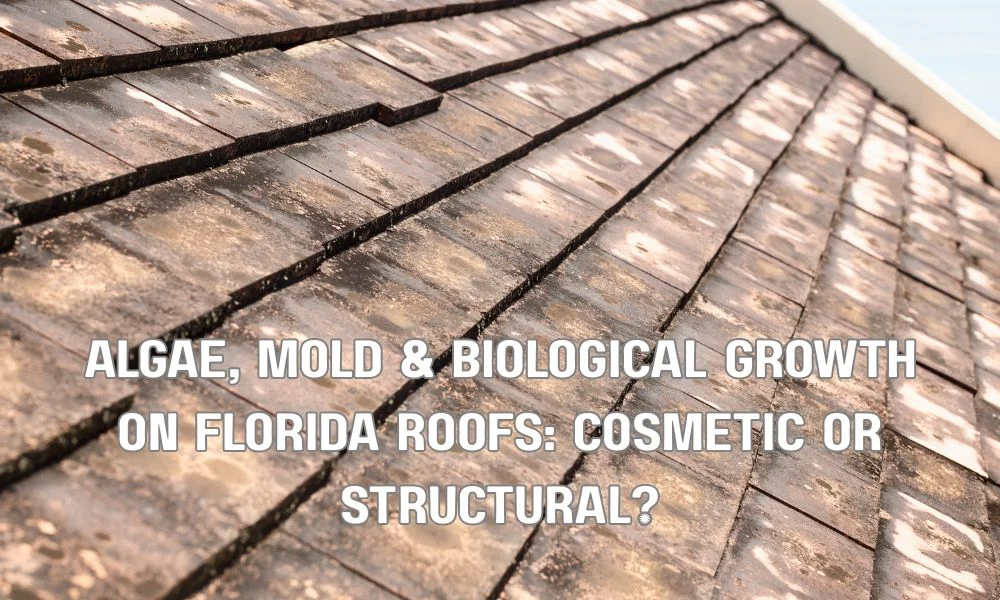
For many Florida homeowners, the dark streaks and green patches appearing on their roofs are a familiar, if unwelcome, sight. These biological growths—primarily algae, mold, mildew, lichens, and moss—initially present as a cosmetic issue, marring the curb appeal of a home. However, their presence in the humid, warm Florida environment extends beyond mere aesthetics, posing a real and evolving threat that can transition from superficial discoloration to serious structural compromise if not addressed proactively. The distinction between cosmetic and structural damage is crucial for effective maintenance and protection.
Critical Fact 1: Over 80% of dark roof staining in Florida is caused by *Gloeocapsa magma*, a type of blue-green algae, which thrives in warm, moist conditions and feeds on limestone filler in asphalt shingles.
What types of biological growth commonly affect Florida roofs?
Florida roofs are a fertile ground for several types of biological growth due to the state’s consistently high humidity and warm temperatures. The most prevalent culprit is *Gloeocapsa magma*, a cyanobacterium responsible for the characteristic black or dark green streaks on asphalt shingles. Beyond this algae, various fungi manifest as mold and mildew, appearing as green, black, or white fuzzy patches, often indicating trapped moisture. Lichens, a symbiotic organism of algae and fungus, create crusty, discolored patches, while moss, a small non-vascular plant, forms thicker, carpet-like growths, particularly on shaded, damp roof sections. Each type presents unique challenges to roof integrity.
The Progression from Cosmetic Blemish to Structural Concern
While the initial appearance of algae or mold might seem harmless, their persistent presence initiates a gradual process of degradation that can compromise the structural integrity of a roof. These organisms don’t just sit on the surface; they actively interact with the roofing materials, breaking them down over time. What starts as a simple discoloration can quickly become a catalyst for accelerated aging, material breakdown, and eventual structural damage, particularly in Florida’s challenging climate. Understanding this progression is key to mitigating long-term risks.
How does algae specifically impact shingle lifespan?
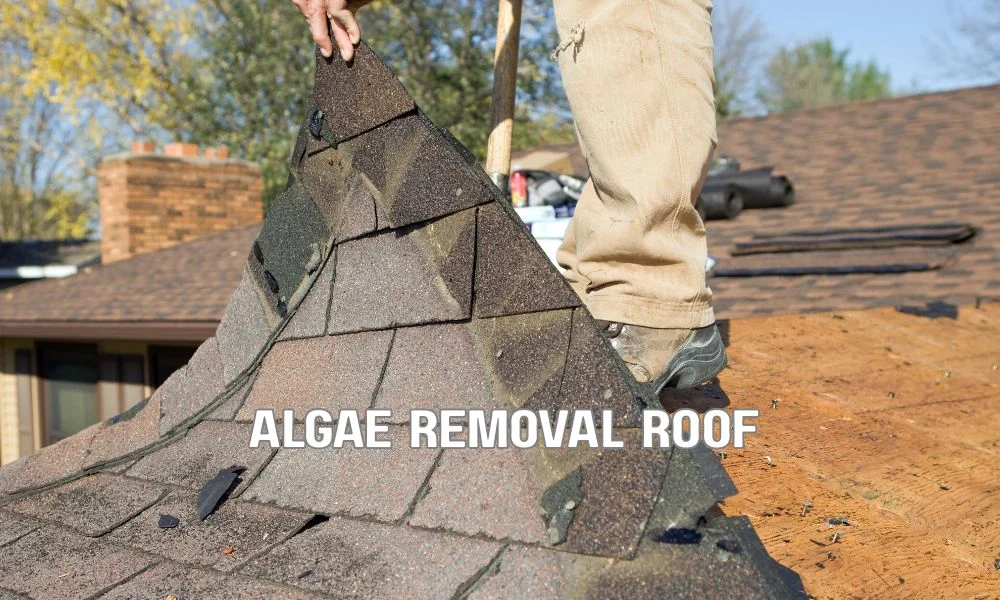
Algae, particularly *Gloeocapsa magma*, directly impacts shingle lifespan by feeding on the limestone filler present in asphalt shingles. As the algae colonizes and grows, it forms a protective dark layer that retains moisture and absorbs solar heat, creating an ideal microclimate for further growth. More critically, this growth loosens the protective granules embedded in the asphalt shingles. These granules are vital for reflecting UV rays and protecting the asphalt layer from sun damage, so their loss exposes the underlying asphalt to accelerated deterioration, leading to brittleness, cracking, and a significantly shortened functional lifespan of the roof.
What role do mold and mildew play in roof degradation?
Mold and mildew exacerbate roof degradation by retaining moisture against roofing materials, creating an environment ripe for rot and decay. These fungi penetrate deeper into porous surfaces, trapping water that can seep into the roof decking, rafters, and attic spaces. Prolonged moisture exposure leads to wood rot, compromising the structural soundness of the underlying roof components. Additionally, their growth can lift shingles, making them more susceptible to wind damage and creating direct pathways for water intrusion, which can result in leaks, interior water damage, and even severe structural weakening over time.
Identifying the Risks: Beyond Aesthetics
Many homeowners view roof stains purely as an aesthetic problem, often overlooking the deeper implications for their home’s value, safety, and financial well-being. The risks associated with unchecked biological growth extend far beyond diminished curb appeal, touching upon critical aspects like warranty validity, insurance claims, and the structural integrity of the entire property. Recognizing these underlying dangers is paramount for responsible homeownership and proactive maintenance.
Can biological growth void my roof warranty or affect insurance?
Yes, unchecked biological growth can indeed void roof warranties and complicate insurance claims, creating significant financial liabilities for homeowners. Many roofing manufacturers’ warranties contain clauses that require regular maintenance and cleaning to prevent the accumulation of organic matter. Failure to adequately address algae, mold, or moss can be interpreted as neglect, potentially nullifying the warranty and leaving the homeowner responsible for costly repairs or replacement. Similarly, insurance companies may deny claims for water damage or roof degradation if it’s determined that the damage stemmed from prolonged, unaddressed biological growth rather than sudden, unforeseen events.
What are the signs that cosmetic growth is becoming structural damage?
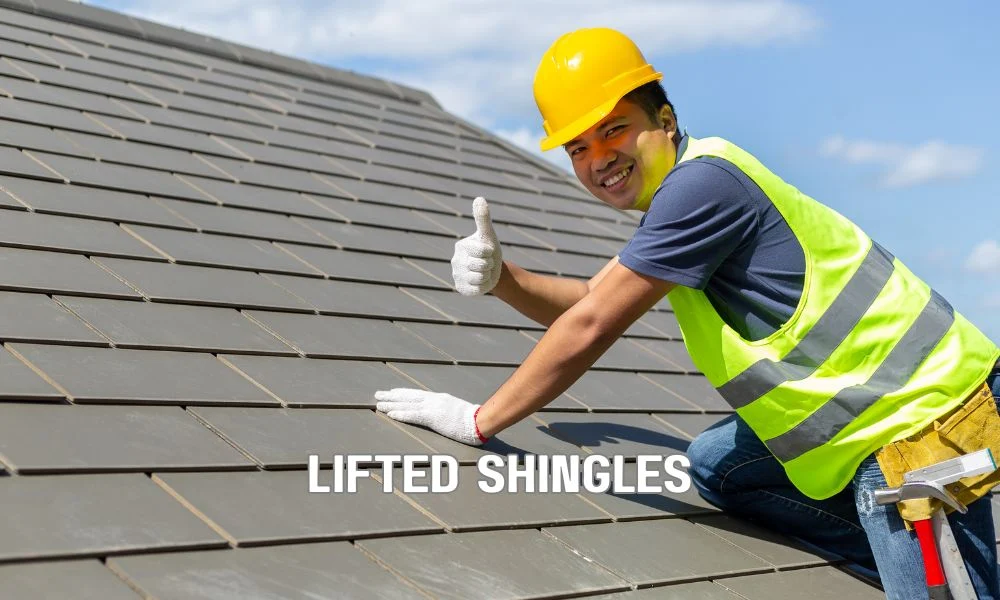
The transition from cosmetic growth to structural damage often presents with clear, identifiable signs that homeowners should not ignore. Beyond surface discoloration, look for shingles that are lifting, curling, or cracking, as this indicates material compromise and potential moisture intrusion. Visible rot on fascia boards, soffits, or exposed wood decking suggests water retention and decay. Water stains on interior ceilings or walls, especially after rain, are unequivocal indicators of leaks and underlying structural damage. Additionally, a persistent musty odor in the attic or living spaces can signal hidden mold growth and wood rot within the roof structure.
Critical Fact 2: The retained moisture from biological growth can increase the overall weight of a roof, placing additional stress on the supporting structure and potentially leading to sagging or weakened trusses over prolonged periods.
Proactive Solutions and Professional Intervention
Addressing biological growth on Florida roofs requires a strategic approach that prioritizes both efficacy and the preservation of roofing materials. While prevention is always the best defense, once an infestation takes hold, informed decisions about cleaning methods and professional intervention become critical. Understanding the nuances of these solutions ensures that treatment effectively eradicates the problem without inadvertently causing further damage to the roof’s integrity.
What are the most effective and safe cleaning methods for Florida roofs?
The most effective and safe cleaning method for Florida roofs is ‘soft washing,’ which uses specialized low-pressure pumps to apply an environmentally friendly, biodegradable cleaning solution (typically containing sodium hypochlorite and surfactants). This solution gently breaks down and kills algae, mold, and other growths at their roots without damaging shingles or dislodging granules. In contrast, high-pressure washing is highly discouraged as it can strip granules, force water under shingles, and significantly reduce the roof’s lifespan. Copper or zinc strips installed at the roof ridge can also provide long-term prevention by releasing ions that inhibit growth.
| Growth Type | Primary Impact | Recommended Cleaning Method | Prevention Strategies | Average Cleaning Cost (FL)* |
|---|---|---|---|---|
| Gloeocapsa Magma (Algae) | Granule loss, UV protection reduction | Soft Washing (low pressure chemical clean) | Zinc/Copper strips, algaecide-treated shingles | $400 – $800 |
| Mold/Mildew | Moisture retention, wood rot, health risks | Soft Washing (low pressure chemical clean) | Improve ventilation, trim trees, regular inspection | $500 – $1000 |
| Lichens | Acid erosion, shingle lifting, granule loss | Soft Washing (requires longer dwell time) | Same as algae/mold prevention | $600 – $1200 |
| Moss | Traps moisture, lifts shingles, accelerates decay | Manual removal + Soft Washing | Trim trees, clear debris, ensure proper drainage | $700 – $1500 |
| *Costs are approximate and vary based on roof size, pitch, and severity of infestation. | ||||
When should I consider professional roof treatment or replacement?
You should consider professional roof treatment immediately upon noticing significant biological growth to prevent escalation from cosmetic to structural damage. If your roof is relatively young (under 15 years) and the growth is extensive but localized, professional soft washing is highly recommended. However, if the roof is nearing the end of its estimated lifespan (20+ years for asphalt shingles), exhibits widespread shingle damage (curling, cracking, missing granules), or shows clear signs of underlying structural rot and leaks, replacement is likely the more cost-effective and safer long-term solution. Professional assessment can help distinguish between reparable and replacement scenarios.
Long-Term Prevention and Maintenance Strategies
Preventing biological growth on Florida roofs is a continuous process that involves strategic maintenance and understanding the environmental factors at play. Simply cleaning a roof is often a temporary solution if the underlying conditions that foster growth are not addressed. Implementing long-term prevention and maintenance strategies not only extends the lifespan of your roof but also protects your home from the escalating damage that these organisms can cause.
How can homeowners prevent future biological growth on their roofs?
Homeowners can prevent future biological growth through several proactive measures. Regularly trimming overhanging tree branches reduces shade and limits debris accumulation, both of which promote moisture retention and growth. Ensuring proper attic ventilation helps regulate roof temperatures and prevents condensation, drying out the roof surface more quickly after rain. Installing zinc or copper strips along the roof ridge can deter algae and moss by releasing growth-inhibiting ions with each rainfall. Opting for algae-resistant shingles (containing copper granules) when replacing a roof offers excellent long-term protection. Regular inspections and prompt removal of leaves and other organic debris are also crucial.
Critical Fact 3: Proactive roof maintenance, including regular cleaning and debris removal, can extend the lifespan of a Florida roof by up to 3-5 years and significantly reduce the likelihood of costly premature replacement due to biological degradation.
Frequently Asked Questions
Is pressure washing safe for removing algae from my roof?
No, pressure washing is generally not recommended for removing algae or other growths from most residential roofs, especially asphalt shingles. High pressure can dislodge protective granules, damage the shingles, and force water underneath, potentially leading to leaks and voiding your warranty. Soft washing is the preferred, safer method.
How often should I have my Florida roof cleaned for biological growth?
For most Florida homes, a professional soft wash cleaning every 1-3 years is recommended to effectively manage biological growth. This frequency can vary based on factors like surrounding vegetation, roof pitch, and sun exposure.
Can I clean the algae and mold off my roof myself?
While some minor surface cleaning might be possible, professional roof cleaning is highly recommended due to safety concerns (working at heights) and the need for specialized equipment and effective, roof-safe cleaning solutions. Improper DIY methods can damage your roof.
Does biological growth affect my home’s energy efficiency?
Yes, dark biological growth on a roof, particularly extensive algae or mold, can absorb more solar heat. This increased heat absorption can lead to higher attic temperatures and subsequently increase your home’s cooling costs, especially in Florida’s warm climate.
What’s the difference between algae-resistant shingles and standard shingles?
Algae-resistant (AR) shingles contain copper granules embedded in their surface. As rain washes over the roof, the copper ions are released, inhibiting the growth of *Gloeocapsa magma* algae, thereby reducing dark streaks and preserving the roof’s appearance.
Will my homeowner’s insurance cover roof cleaning?
Generally, homeowner’s insurance does not cover routine maintenance like roof cleaning for biological growth, as it’s considered a preventable issue. However, if the growth has led to actual structural damage from a covered peril, aspects of the repair might be covered.
Are the chemicals used in soft washing safe for my plants and pets?
Professional soft washing companies use biodegradable, eco-friendly cleaning solutions and take precautions to protect landscaping by rinsing plants with water before, during, and after the cleaning process. Always confirm their specific protocols regarding plant and pet safety.
How long does it take for algae and mold to reappear after cleaning?
The reappearance timeline varies greatly. Without preventative measures, algae and mold can start to return within 1-2 years, especially in shaded, damp areas. With proper preventative strategies like zinc strips or treated shingles, it can be significantly longer.
